I think part of the problem is that there is no commonly accepted accepted definition of what a Woody is.
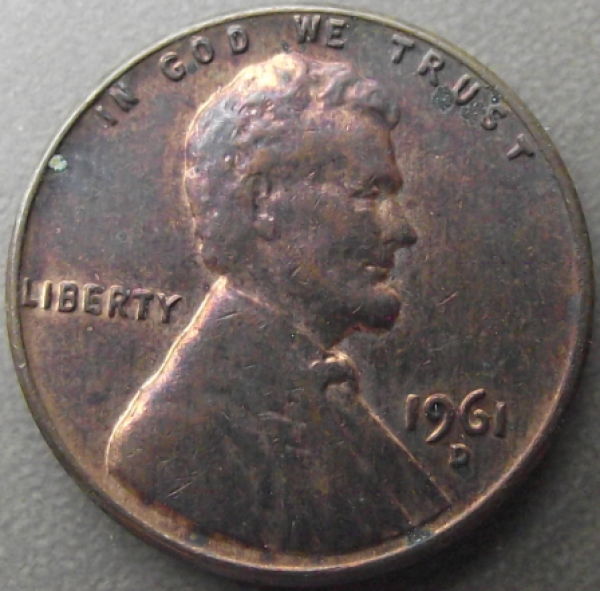
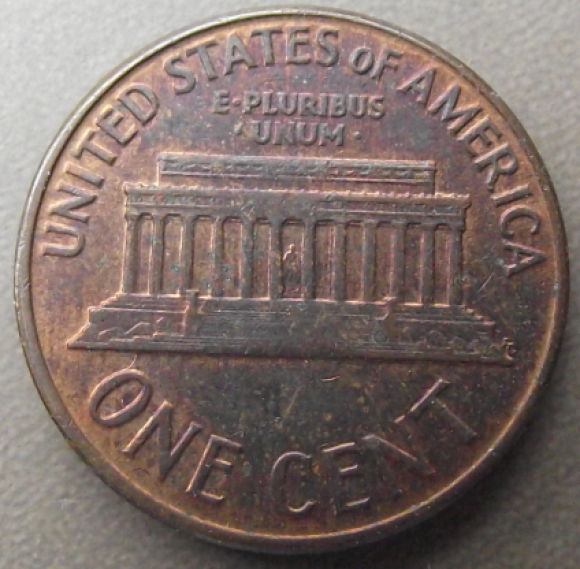
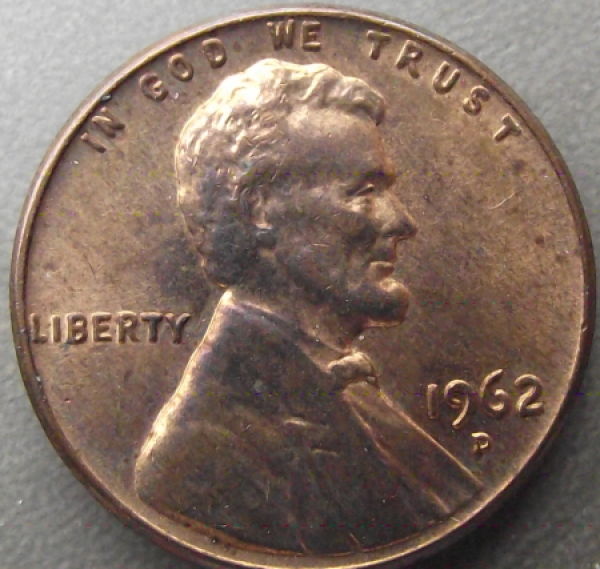
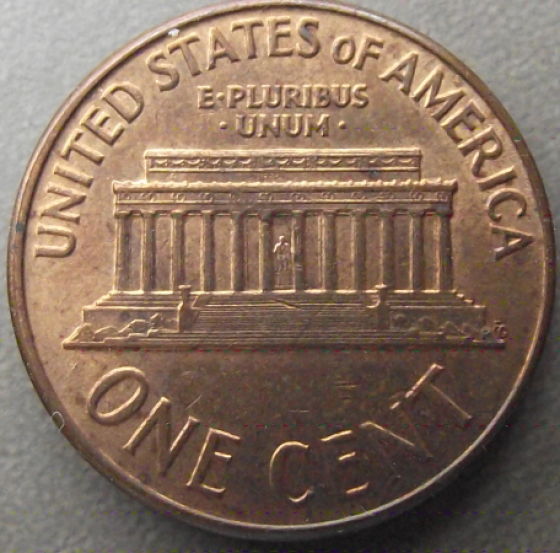
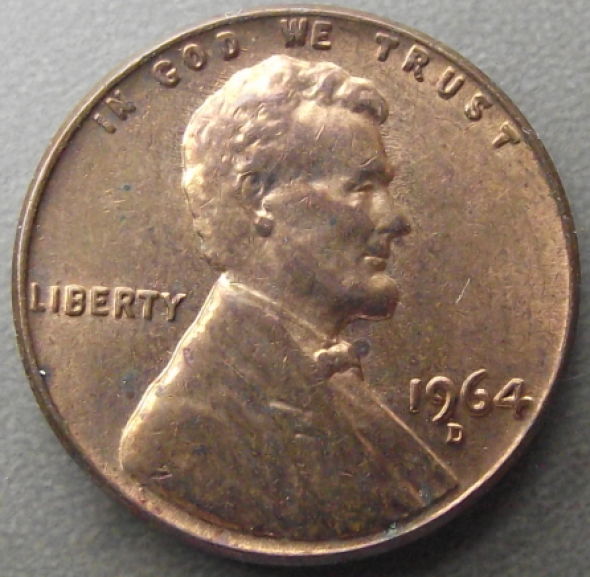
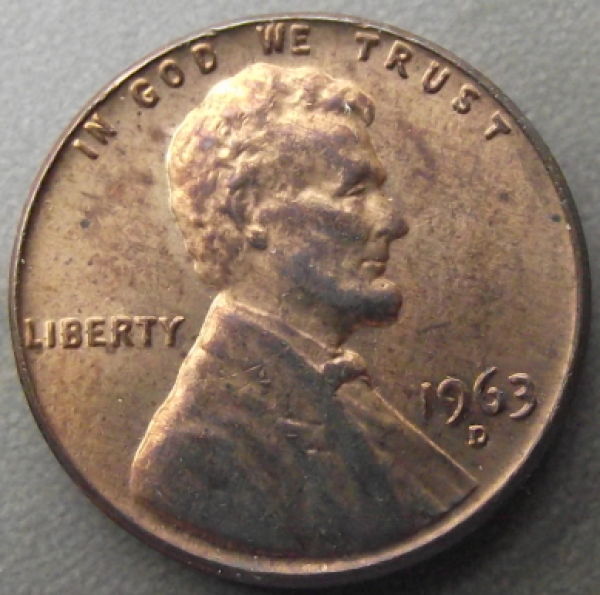
Most people became aware of woodies by looking at toned coins that have an obvious wood toned appearance. But 99 percent of those coins started out looking normal, and with little or no trace of wood toning. In fact like those in the OP.
So the question is; are woodies only woodies when they tone? Or are they always woodies; albeit in different stages?
I'm of the opinion that an improperly mixed planchent is always an improperly mixed planchet; regardless of the state of toning.
In fact one of the hardest things for my book is determine the percentages of woodies by year and mint mark. I generally take a sample of 500 to 1000 coins in 50 coin lots. Most woodies before 1950 have toned, and are very easy to pick out visually. Ante 1950 Woodies are much trickier.
After about a year I determined that to be strictly accurate, I needed to look at each coin under magnification. This methodology significantly changed things. It became necessary to separate woodies into two classifications. The first are the traditional Woodies that are obviously woodies. The second are the "technical woodies", that are in the process of toning.
Once you have looked at half a million coins to do this research; you will develop an eye for early stage woodies as in the OP.
The bottom line is that if you are looking for traditional woodies, then these probably don't work for you. If you are asking if these are woodies in an absolute sense. Then yes; these are early state woodies derived from an improperly mixed planchet.
Something else; while doing the research for this book I've discovered that some coins that most would label
PMD and/or Acid damaged, are in fact woodies.
There is much, much more to the study of woodies than simply looking at an attractively streaked coin and noting it as such. Or at least I hope to prove that in the next year or so.
Edited by jmkendall
11/10/2014 12:07 pm








 Posted 11/09/2014 10:45 pm





