| Author |
 Replies: 12 / Views: 1,359 Replies: 12 / Views: 1,359 |
|
|
Pillar of the Community
United States
767 Posts |
I just bought a little electrolysis kit thing off of ebay, and I'm also waiting to see if I win the bidding for 10 uncleaned coins at $23. Any advice on working with this stuff? Never done it before. It looks like fun. Here are the coins I'm bidding on....  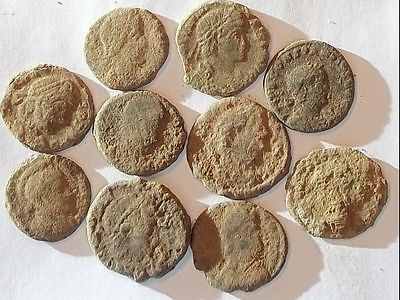 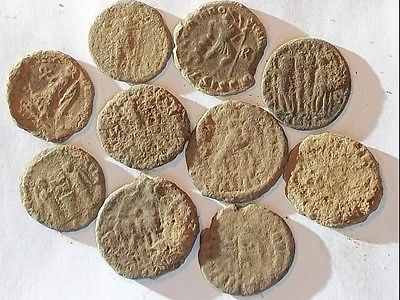 Edited by scottk
12/20/2014 7:28 pm
|
|
|
|
Pillar of the Community
United Kingdom
3626 Posts |
If you have a burning need to use electrolysis, just be aware that it will likely destroy your coins. It strips of the patina as well as the crud. Those coins certainly do not need electrolysis, just soaking in (my preference) distilled water, other people use olive oil. A gentle brushing from time to time and change the water when it becomes cloudy. It takes time, but that is what collecting ancients is all about.
I would throw it away.
|
|
Pillar of the Community
 United States
767 Posts |
Update... I won the auction. Hahahha....  |
|
Pillar of the Community
United Kingdom
4208 Posts |
Yeah, electrolysis will make every one of those worthless - it will remove the patina, which after 2000 years will leave a pitted smudged mess. With the correct cleaning, you'll have some nice coins at the end, certainly in excess of te price you paid and some will have excellent detail. Use the electrolysis on pennies and things, but not these.
For these, the best option is to soak them in DW for a bit, then put them in olive oil for a while. If you feel confident, a steel pin can be used, with caution and patience.
|
|
Pillar of the Community
3772 Posts |
Best try your electrolysis kit on some MS-65 modern coins first.  |
|
Pillar of the Community
United States
2368 Posts |
Try distilled water or olive oil soak, and then use a toothbrush on the coin and a toothpick to get rid of the big or stubborn chunks of dirt. Looks like there are some nice coins in there!
|
|
Pillar of the Community
United States
767 Posts |
Really... hhm...
Ben, what about a steel pin? You mean to pick at the stuff that's on the coin, and try to pull it off?
I would never throw this kit away though. I won't use it on these coins, but there are many other experiments I can have with it.
Edited by scottk
12/20/2014 8:09 pm
|
|
Pillar of the Community
3772 Posts |
You can use a steel pin with a blunt tip as well, but then you need to be very careful. Safer with a wooden or plastic instrument.
|
|
Pillar of the Community
United States
2368 Posts |
I've tried using a steel pin on uncleaned ancients before, it scratched them up. This method is not for the novice apparently, I'd stick to something softer. I'd rather have the cleaning take a long time with a good result, or have the toothpick break instead of having the coin get scratched.
|
|
Pillar of the Community
United Kingdom
3626 Posts |
If you have never cleaned ancients before, start gently. Bamboo is good, or plastic. Once you have had a bit of practice you can move up to metal. I use a scalpel with a curved blade and I use a stereo microscope to see what I am doing. It can take from hours to months or even years of soaking and picking to finish a coin. Patience is your greatest friend here. Get yourself a cheap toothbrush and cut the bristles down by half. Soak, brush, soak. And keep going until you have the result you want.
|
|
Pillar of the Community
3772 Posts |
Yeah, brushing as 'pishpash' said might already provide you with a good result on some of those coins.
|
|
Moderator
 United States
23731 Posts |
Do not use electrolysis it will destroy the coins. Follow the advise that others here have given you.
|
|
Pillar of the Community
1121 Posts |
If you want to know how 'Electrolysis' is viewed by the majority on this site I refer you to the post "Have several coins to clean..including a Byzantine."
It is NOT a cleaning method of choice by those that do know better, for very good reasons.
|
| |
Replies: 12 / Views: 1,359 |
|







 Posted 12/20/2014 7:42 pm





