| Author |
 Replies: 20 / Views: 4,683 Replies: 20 / Views: 4,683 |
|
Valued Member
United States
245 Posts |
|
|
|
|
Valued Member
United States
272 Posts |
Maybe change the FS (focus stop) on the microscope and then zoom in
|
|
Moderator
 United States
23522 Posts |
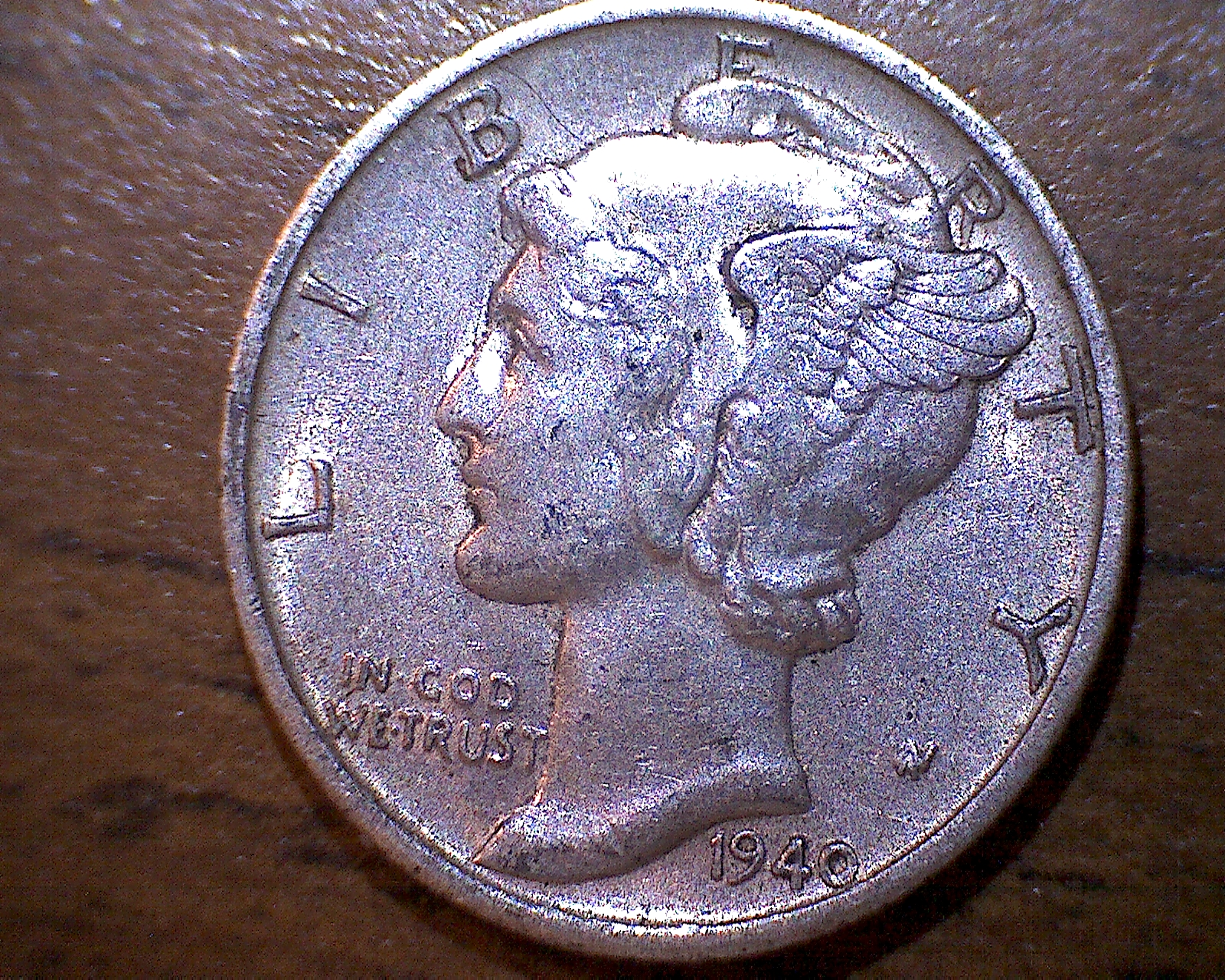
How are you acquiring images from it? It looks like excessive sharpening in software somewhere. Maybe we can figure out how to get more neutral images from it, and postprocess with something more sophisticated.
|
|
Valued Member
 United States
245 Posts |
Unfortunately it has very little options in the software... basically zoom and focus are one thing, and you have to control distance from object to get the combination... I think it just isn't meant for this minimal zoom photography, kinda limited quality. Can't expect much for $39 I guess? Still happy with the zoom photo capability.
|
|
Moderator
United States
23522 Posts |
It creates terrific shots at magnification; I'm really impressed with the quality for a cheap scope. Are you in a Windows environment? We might be able to snag raw images from it via WIA.
|
|
Pillar of the Community
United States
1158 Posts |
noise is generally the result of increasing the sensitivity due to lack of light. Try adding plenty of light (without causing excessive glare). Perhaps during the day near a big window if possible.
|
|
Pillar of the Community
United States
3546 Posts |
Shale, This thread, https://goccf.com/t/88598&whichpage=1has a few tips dedicated to USB cameras. I feel that you should find some advice, applications, and techniques here to assist in pushing the envelope of your device for maximum innovation. For the money USBs do deliver decent bang for the buck while falling short only when high resolution and/or extreme clarify requirements present themselves: i.e. precisely assigning MS grades to highly reflective proof-like surfaces etc... mdpmedia |
|
Pillar of the Community
United States
5825 Posts |
I don't use microscopes.
The more magnification you get the worse a coin looks.
Even MS- or PF-70 coins look bad under enough magnification.
And then if you start photoshopping them (except maybe for image brightness) you are creating a lie.
|
|
Valued Member
United States
245 Posts |
I agree and disagree kanga... the more magnification I use, the more the coin opens up to me and tells a story. I had max zoom on a MS dime and you could see all of the die marks/polish, etc.. obviously without perspective, it is useless for grading, but it is still pretty neat.
I actually used this method to photograph a few toned dimes I had, and it was pretty amazing... even the darker/bronze patina coins you could see that the color was actually the result of darker speckling, that when cumulatively viewed, like pixels on a monitor, gave it a certain tone.
|
|
New Member
United States
1 Posts |
Part of the problem is that you bought a very cheap usb microscope that has plastic lenses. Most of our coin collectors use a Dino-Lite digital handheld microscope as they offer superb resolution, are beautifully made with robust and consistently reliable software. Even with the entry-level models, you will find far better results than from your current model.
|
|
Pillar of the Community
United States
4047 Posts |
I would not agree that Dino-Lites offer superb resolution. You need to pay $400 to get their 1.3MP model! The entry level models are 0.3MP (640x480). I do agree that they give a better image quality than the OP is showing, but let's not lose perspective.
Contact me for photographic equipment or visit my home page at: http://macrocoins.comEdited by rmpsrpms
01/07/2015 11:12 am
|
|
Moderator
United States
23522 Posts |
Quote:
Even with the entry-level models, you will find far better results than from your current model. I've seen a lot of USB microscopes in this Forum over the last decade, and this one produces among the finest results I've seen from an inexpensive scope. I do not use them, I do not recommend them, because a dSLR-based system capable of both this level of magnification as well as professional-level full-face imaging can be had for well under $500 including the camera. But this is one I could recommend, at the price. |
|
Pillar of the Community
2087 Posts |
 with rmpsrmps and Superdave regardign Dinolites. Why pay US$400.00 for a USB microscope when a ICLC ( interchangeable lens camera: lets not forget mirrorless guys!!) system can do the same job and heaps more for the same cost? Edited by austrokiwi
01/07/2015 3:19 pm
|
|
Moderator
United States
23522 Posts |
We've proven, many times over with the folks we've convinced and then taught once they purchased the equipment, that $400 is enough to put you on a professional level with all types of coin imaging simultaneously. It's not difficult when lenses are only $25 - how many you want?  |
|
Valued Member
United States
245 Posts |
My wife has a T4i, I'm still researching what kind of setup to get for that. figure a few wooden blocks and the right lens, with a remote trigger should do it! I should probably search through this forum :)
|
|
Pillar of the Community
United States
2254 Posts |
Quote:
My wife has a T4i This will make SuperDave and rmps salivate with wanting to help you. While I'm not a camera guy, I'm pretty sure the T4i is north of 15mp. My "guess" is that even a standard lens on that rig will blow away what you took above with ease. Definitely search on here as there are probably multiple threads with Canon's that will have similar if not identical features to help you dial things in. |
| |
Replies: 20 / Views: 4,683 |












 Posted 01/06/2015 9:27 pm


