| Author |
 Replies: 15 / Views: 1,551 Replies: 15 / Views: 1,551 |
|
|
Pillar of the Community
United States
3360 Posts |
I actually learned that this was a die clash on another thread ( https://goccf.com/t/195463#195463 ). I could tell there had to be some rotation by the location of the clash, but it was not until I put it in a 2 x 2 that I could see the rotation. I thought it was interesting, so I thought I would post it. jay4202472000 had made the comment in the other thread: Quote:
Yes, the reverse arrow is, as John1 said, a clash. Most of all the clashes I've seen are rotated a few degrees. Not a whole lot, but a few. 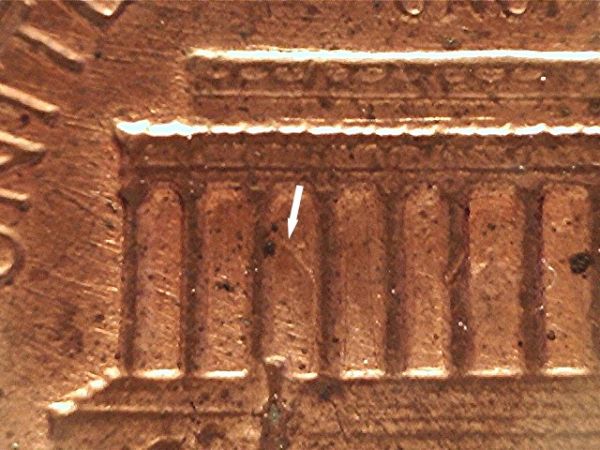 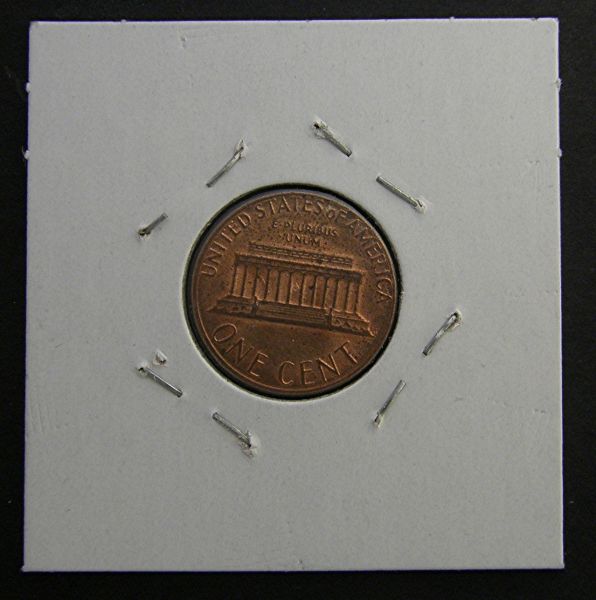 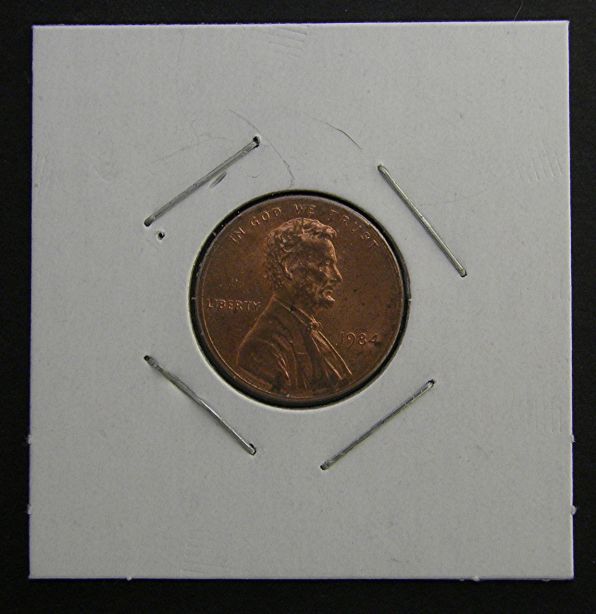 |
|
|
|
Moderator
 United States
56855 Posts |
Good post. I have yet to find a keepable rotated die and I have been through a few cents in my day.. John1  |
|
Pillar of the Community
 United States
3360 Posts |
Thanks, John1!  |
|
Bedrock of the Community
United States
62064 Posts |
Interesting theory, but we would have to check more examples to see if that is the case. During a clash the dies do slam together and it might move the adjustable hammer die. But needed thought would need to be examined to see if this happens/not happens. So I would think it would take some examination first to see.
|
|
Pillar of the Community
United States
3360 Posts |
I wonder: what would be the various possibilities for the creation of this coin? I am afraid that I do not know enough to come up with any explanations at all!  |
|
Bedrock of the Community
United States
62064 Posts |
Looks like the die has been polished several times during it's life. The fields are getting pretty thin from over polishing. The bays are almost non existent.
|
|
Bedrock of the Community
United States
62064 Posts |
I was looking around for more information on http://www.maddieclashes.com/ and noted a 1960 titled die clash. That got me thinking about a couple of coins I found years ago with a clash on one side. So I took images of these and you might like to see them? The initial clash, may have moved the dies (tilting them) and created an unusual affect on the obverse and reverse dies. Just the left side of the coin is affected on both sides: 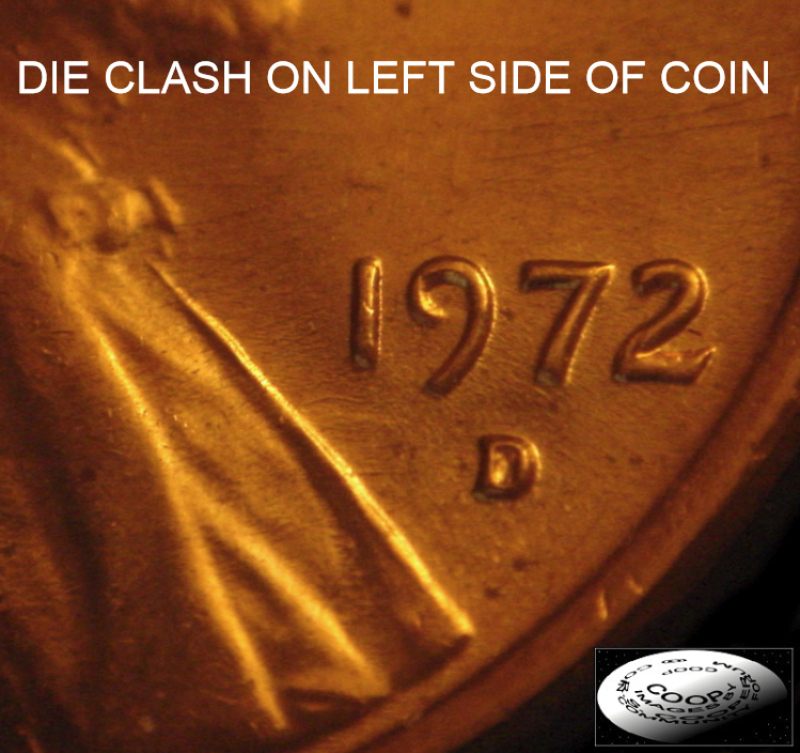 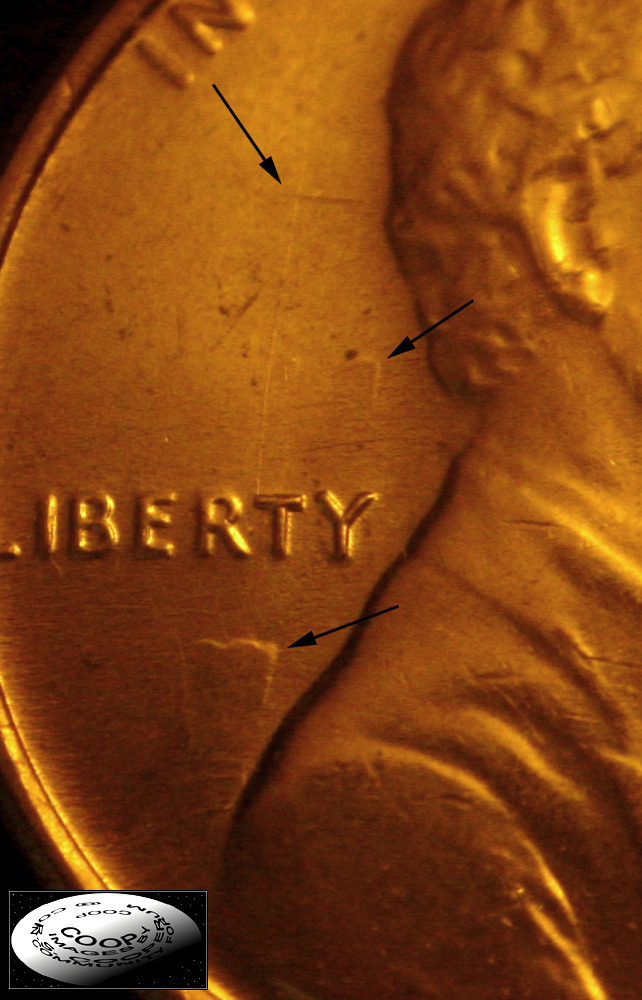 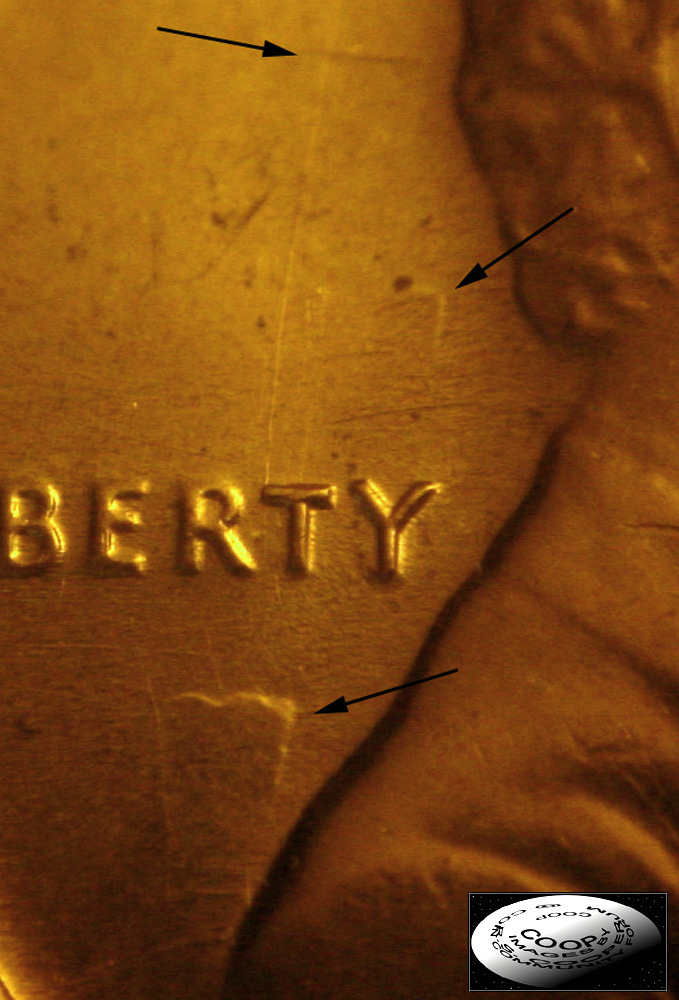 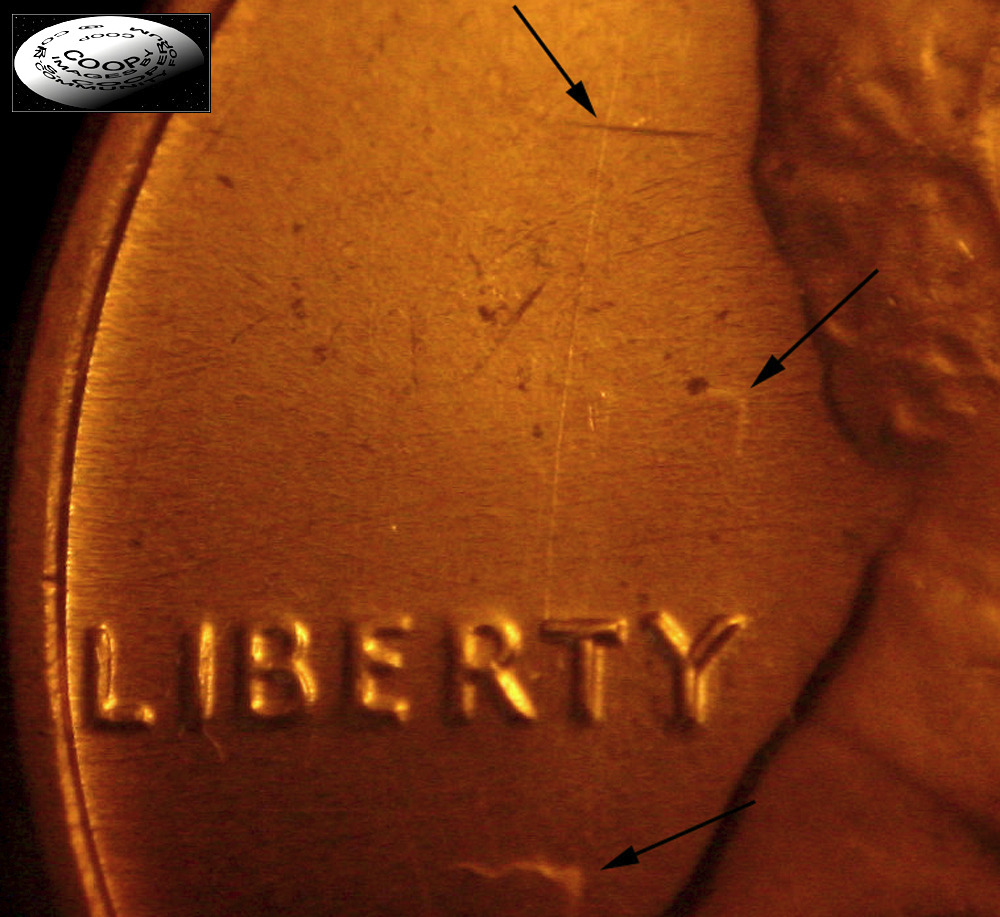 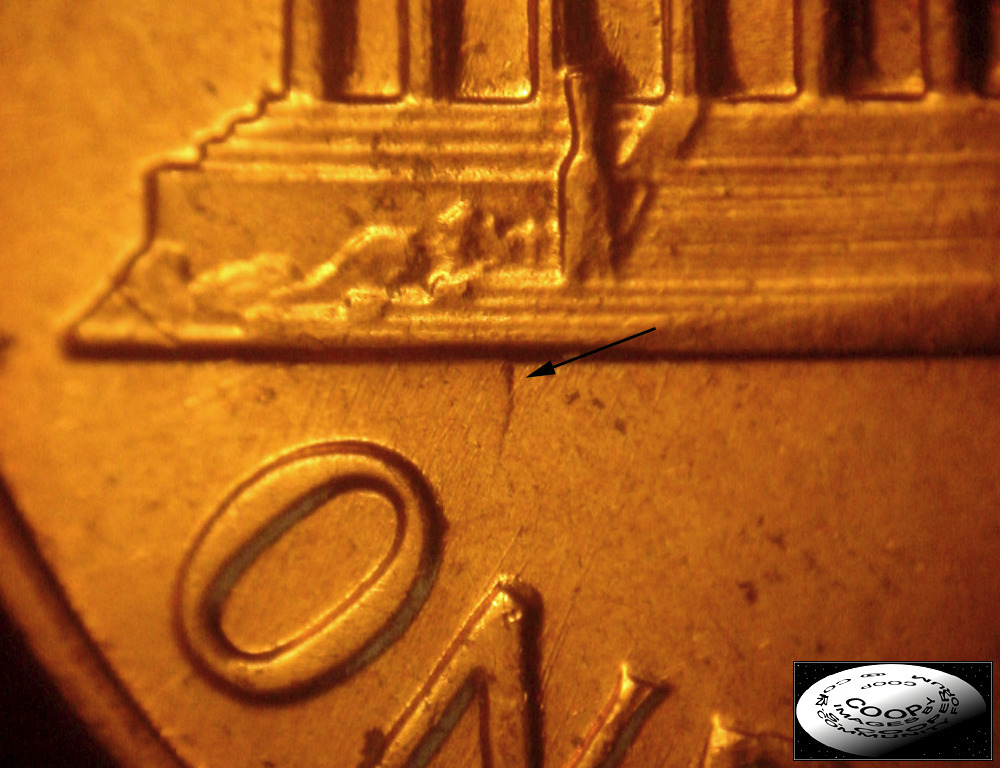 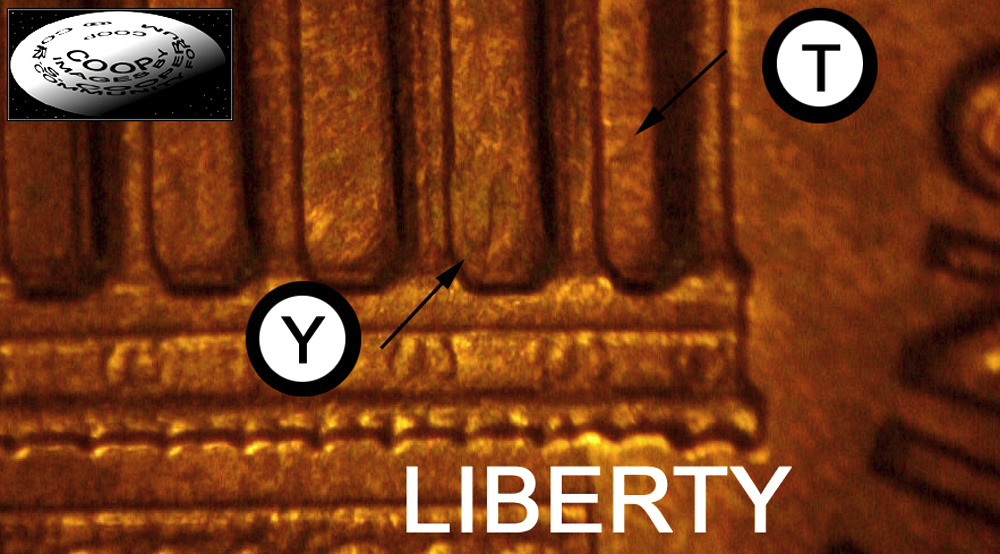 Looks like a clash does affect the die position. Still waiting for more information though. Added:I found this interesting on that site as well: http://www.maddieclashes.com/adc-1c-1965-01-2/A nice explination. Edited by coop
01/21/2015 11:41 am
|
|
Pillar of the Community
United States
3360 Posts |
Great information, coop...it will be interesting to see where this thread takes us!
|
|
Bedrock of the Community
United States
62064 Posts |
Well I just got a E-mail back from BJ about my coin and it is not a tilted die clash, it is just a die clash. A tilted die clash moved the devices further off center than the example I posted. Here is his note and there is a link to what the 1960-D (SD) tilted dies look like. It is interesting: Quote: As to your question. There can be die rotation in a clash. I have seen some examples where there is more die rotation in the clash than the strike, but it is not that much; maybe 2 to 3 degrees. More common is the off center clash where the dies are out of alignment with each other. Why the hammer die does rotate more during some clashes is unknown, but it does happen. Okay, the example of the 1972-D Lincoln Cent is not a tilted die clash, even though there is some small amount of tilt to the hammer die. A tilted die clash involves the peripheral design elements. Take a look at this page: http://www.maddieclashes.com/890-2/ At the last FUN show, I had a discussion with Fred Weinberg, Rich Schemmer, Mark Lighterman and Jon Sullivan on the nature of a tilted die clash for it is very unusual. Throughout the U.S. coinage, there is maybe 8 - 10 examples of tilted die clashes, that is until you come to the 1960 small date Lincoln Cent where there are hundreds of this type die clash. Collectively, we cannot fathom how the hammer die (or very unlikely the anvil die) can tilt to create a tilted die clash. I am still studying this phenomena and should have an article out in the very near future. So I will have to change my images of the 1972-D to the correct titles. Make sure to look at the 1960-D SD tilted dies section in the quote. Something new for me to search for. Also the MAD Die clashes on this site is something to consider when we find clashes. |
|
Pillar of the Community
United States
3360 Posts |
Please correct me in my understanding about this. A tilted die clash means that there are clash marks found on only one side of the coin because the die was tilted and did not strike evenly accross the entire coin. Is that correct?
|
|
Bedrock of the Community
United States
62064 Posts |
No. Usually the hammer die is affected by the tilting out of proper alignment. But the affects of the clash could be seen on both dies. Probably to look at the machine/dies, it might not be noticed by the operator. It is a rare event and probably the mad clash would go unnoticed. Be we spot it. (Well we do when we know what to loo for.) The coins will show the different locations for the clash marks.
|
|
Pillar of the Community
United States
3360 Posts |
I am not sure that I expressed my question properly, but your answer, coop, raises another question...so now I have two (!)
1. By "each side of the coin" I did not mean the OBV and REV. I meant both sides of the OBV or both sides of the REV. It sounds to me that a tilted clash would hit only the right or left side of the OBV or the right or left side of the REV. Am I right or wrong?
2. Now I am also wondering that, with a tilted die, will there ALWAYS be a clash mark on the OBV along with one on the REV?
|
|
Bedrock of the Community
United States
62064 Posts |
1. By "each side of the coin" I did not mean the OBV and REV. I meant both sides of the OBV or both sides of the REV. It sounds to me that a tilted clash would hit only the right or left side of the OBV or the right or left side of the REV. Am I right or wrong?
It would affect the whole surface of both sides in areas where the clash could happen. Some mad clashes Like the MAD alighment coins we find, tilted the die into a position that is not normal. The clash marks are in different locations than normal. That is what makes them different than a normal clash mark. They can be in localized areas like most clash marks, but in different areas because of the event that caused this. They probably removed the dies and checked for clash marks, but in this case they were in different locations than normal and put them back to use again because they didn't see the locations affected? These are rare events for a mad clash.
2. Now I am also wondering that, with a tilted die, will there ALWAYS be a clash mark on the OBV along with one on the REV?
Where ever it was clashed and it shows. On the images on their site, it looks like they occur strong in areas we might not think to look. As for values, I never noticed what was listed for these yet.
|
|
Pillar of the Community
United States
3644 Posts |
When there's a tilted die clash would this be a single coin phenomena or many coins until the die is fixed? Question on rotated dies real quick-what degree of rotation would u consider the minimum for a 'keeper'? Thanks
|
|
Pillar of the Community
United States
3360 Posts |
Thank you, coop. That explanation helps. With the discussion raising the possibility of a clash mark on both sides of the coin, I looked again at the obverse of the coin at the start of this thread. Here is a photo of a feature I found on the obverse which I had not noticed previously. I am not at all convinced that it is a clash mark, although it is in a location where a small piece of the memorial top would have been with rotation. I think it is more likely that it is a die chip because it is on the bust and not in the field where I would expect to find a clash mark. (Am I thinking correctly about that?) If you or anyone has an opinion about it, I would like to hear it. 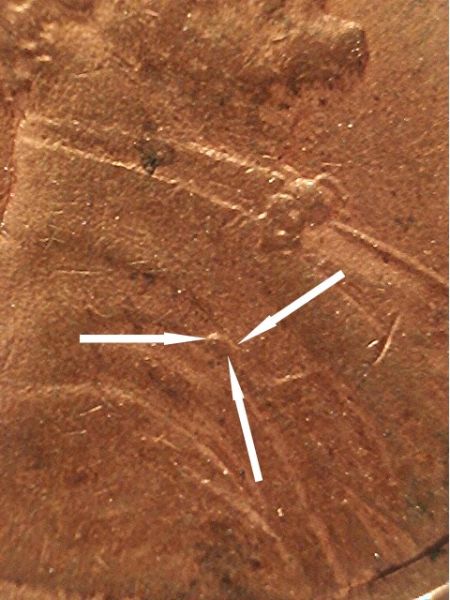 I am also still wondering about what is going on with the rim of the coin - in more than one place. Someone on the other thread identified it as a folded over Rim Fin. The reason that I thought Cud, was that I have seen similar on large cents, which I also collect. Rim Fin is probably correct, though - because of the extensiveness and continuity of the feature. I haven't seen anything as extensive and continuous on large cents. I have, however see features identified as Cuds which occupy only the outside of the rim on large cents as this does. I have added a couple more photos below to show that: 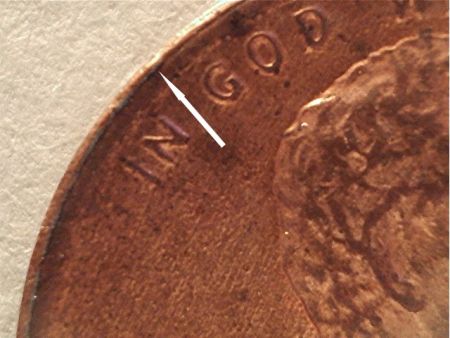 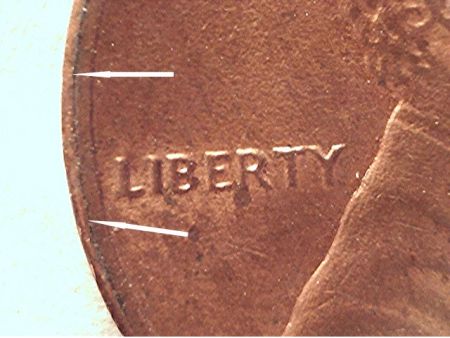 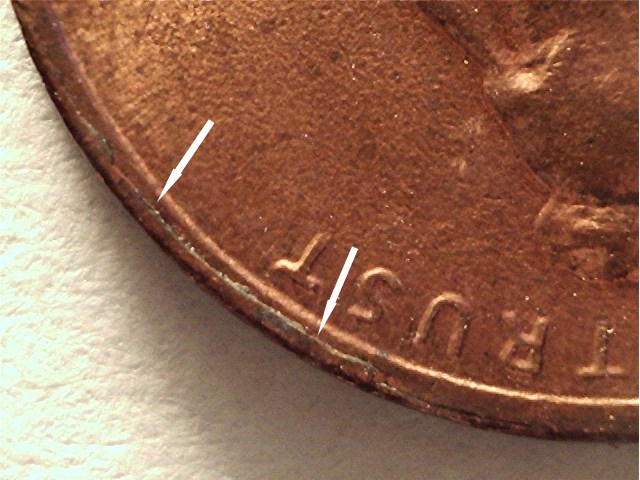 |
|
Bedrock of the Community
United States
62064 Posts |
Pete the rim may of had a fin that flattened down in circulation if you can see plaiting under that area. Sometimes that hare could have the plating split during the feeding it into the collar. If you see gray in that location, then it is probably the zinc showing through starting to rise and deteriorate in that area? Either way it doesn't add a premium to the coin. If the fin was un-circulated and present and not disturbed, it would have a small premium. The area in question the bust might be a bubble? Quote:
When there's a tilted die clash would this be a single coin phenomena or many coins until the die is fixed? Until it was noticed and fixed the dies would keep striking more of the mad clashes. Quote:
Question on rotated dies real quick-what degree of rotation would u consider the minimum for a 'keeper'? The stronger the better for these, but I would think at least 45 degrees and above. IMOHO When looking at a rotated die, it should look obvious in order to get attention. |
| |
Replies: 15 / Views: 1,551 |
|







 Posted 01/19/2015 7:06 pm





