| Author |
 Replies: 7 / Views: 1,827 Replies: 7 / Views: 1,827 |
|
|
New Member
United States
18 Posts |
|
|
|
|
Pillar of the Community
 United States
5828 Posts |
PMD? I could be wrong, as I am not an error specialist, but that is what it looks like IMHO
|
|
New Member
 United States
18 Posts |
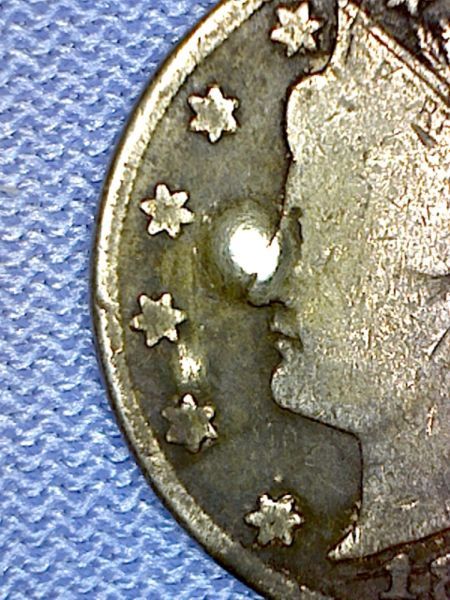
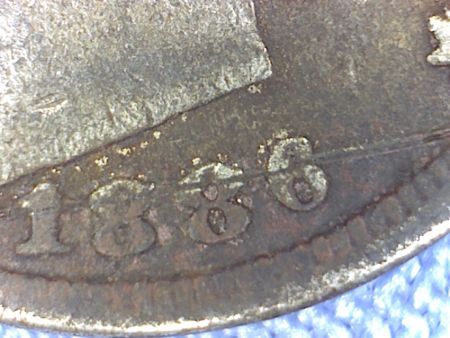
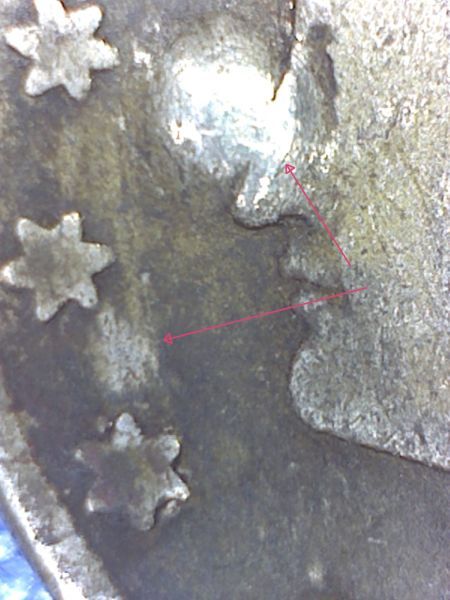
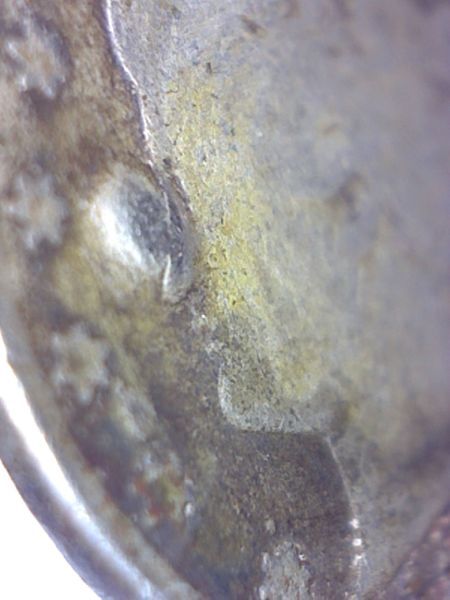
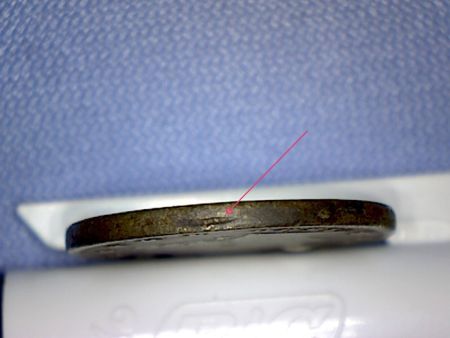
PMD-Post mint damage? Sorry, not familiar with PMD. I forgot to mention a couple of other points. There are actually two lumps of extra metal. A smaller blob between the stars. Also, the "track" which cuts across the date has some odd features. It appears to be two tracks on either side of the date numbers, but looks like only one on the numbers. Then even weirder, on the right side of the coin, the track appears to go over the rim and end in the trough as seen in the last picture. |
|
Pillar of the Community
United States
1566 Posts |
Appears to be post mint damage.
|
|
Moderator
 United States
23522 Posts |
Interesting. The gouge through the date is just that - an impact gouge - but the bump is kinda cool. There appears to be no corresponding dent in the reverse. So, something dented the die hard (difficult to imagine) or perhaps this is metal added later in molten form.
|
|
New Member
United States
18 Posts |
SsuperDdave, thanks for the explanation of the date slice. I, like most have believed the two blobs of metal were somehow "added" after the coin was minted. After careful examination with high power magnification, I am not so sure this is the case. There are no "edges" to either of the two mounds. One would think that if a drop of hot molten metal had been added to the surface, an edge would be seen. Instead, the mounds of metal seem to meld seamlessly into the surface of the coin. I also noticed for the first time, a vertical trough of metal is missing from the nose, just where the blob ends.
|
|
Bedrock of the Community
United States
17884 Posts |
Quote:
So, something dented the die hard (difficult to imagine) or perhaps this is metal added later in molten form. Or heat caused an internal gas bubble to expand causing the bulge. (It doesn't just happen on heated clad coins) Edited by Conder101
02/19/2015 10:59 am
|
|
Moderator
United States
23522 Posts |
Quote:
One would think that if a drop of hot molten metal had been added to the surface, an edge would be seen. Instead, the mounds of metal seem to meld seamlessly into the surface of the coin. Yes, that's on the list of "interesting features" as it should be fairly obvious. Quote:
Or heat caused an internal gas bubble to expand causing the bulge. (It doesn't just happen on heated clad coins) In the absence of a better explanation this is probably the best possibility. If the transition from field to bump is seamless, it pretty much had to happen from the inside out. |
| |
Replies: 7 / Views: 1,827 |
|










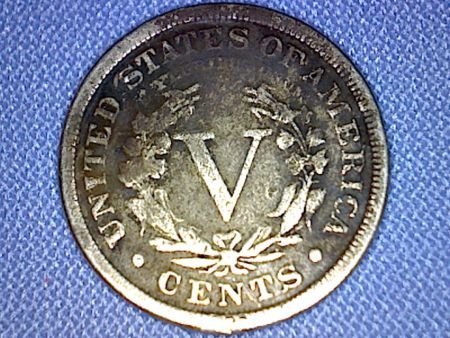
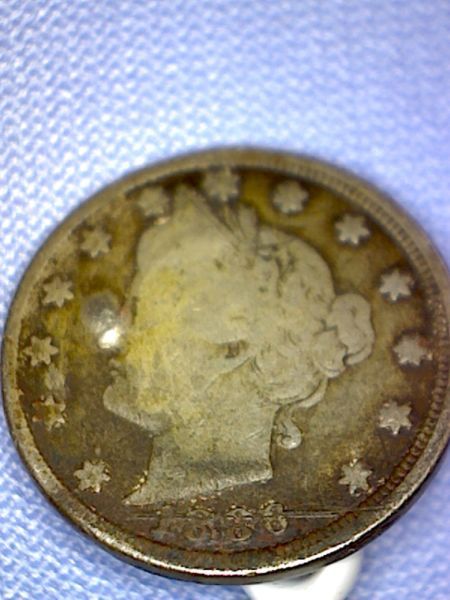
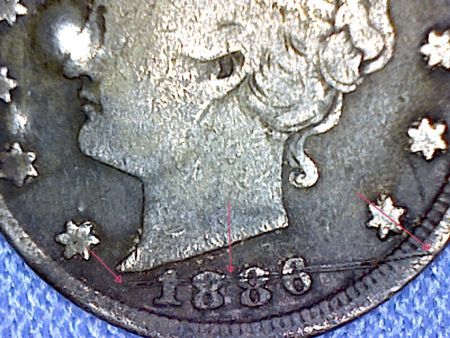


 Posted 02/18/2015 6:53 pm


