Coin Community Family of Web Sites Join Thousands of Coin, Bullion, & Money Collectors
300,000 items to help build your collection! Join Thousands of Coin, Bullion, & Money Collectors Shop for APMEX Bullion on eBay!Specializing in Modern Numismatics Vancouvers #1 Coin and Paper Money Dealer Royal Canadian Mint products, Canadian, Polish, American, and world coins and banknotes. Coin, Banknote and Medal Collectors's Online Mall


Username:
Password:
Save Password
Forgot your Password?


This page may contain links that result in small commissions to keep this free site up and running.

Welcome Guest! Registering and/or logging in will remove the anchor (bottom) ads. It's Free!

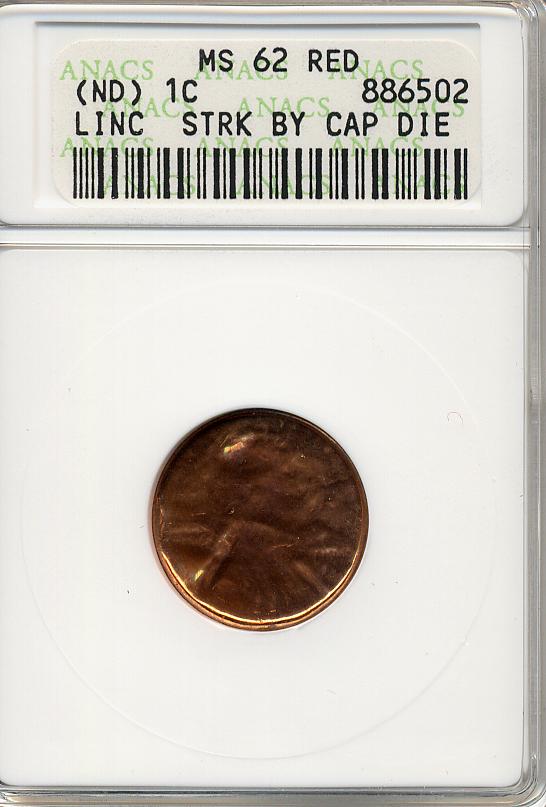
No Date Capped Die Cent

To participate in the forum you must log in or register.
Author Previous TopicReplies: 1 / Views: 842Next Topic  
Valued Member
jm64d's Avatar
United States
125 Posts
 Posted 11/04/2007  11:36 pm Show Profile   Bookmark this topic Add jm64d to your friends list Get a Link to this Message Number of Subscribers
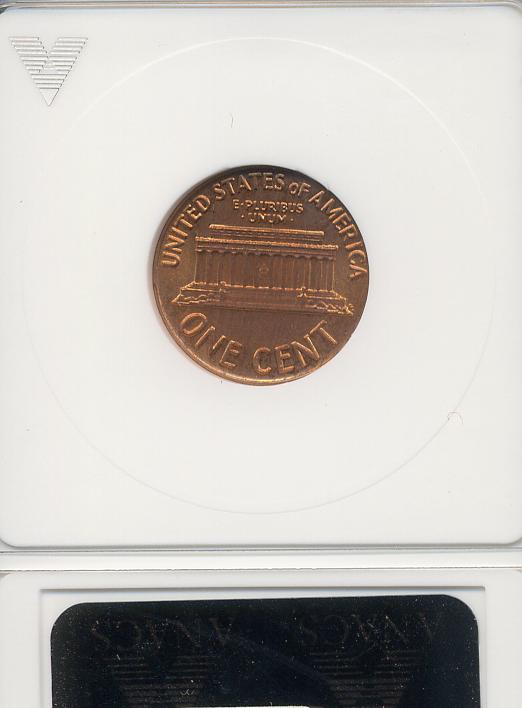
I found this going through bank wrapped rolls. Capped dies are not my expertise so i'll let someone else explain how these occur. I thought it was grease filled when I found it years ago...lol

Image: No-Date-Capped-Die-Cent nodatecappeddiecent.jpg
50.4 KB

Image: No-Date-Capped-Die-Cent cappedcentreverse.jpg
31.71 KB
Pillar of the Community
foundinrolls's Avatar
United States
3507 Posts
 Posted 11/05/2007  7:11 pm  Show Profile   Bookmark this reply Add foundinrolls to your friends list Get a Link to this Reply
These can be found in rolls and when they are encountered, most folks have no idea what happened.

The name "Capped Die Strike" actually tells all. Another term used for a coin that looks like this one is a "Late Stage Brockage".

What happens is a struck coin gets stuck to a die. The first few strikes will actually impart the image of the STUCK coin onto the next few coins to be STRUCK. We refer to those coins as a brockage. That results in a mirror image of the design impressed into the opposite side of the coin. I used capital letters as a way to differentiate the two words stuck and struck.

After a few strikes, the pressures involved in striking the subsequent coins flattens the coin that is stuck to the die. The metal begins to spread beyond the edges of the die. The coin that is stuck to the die can either fall off or remain stuck to the die. In effect creating a "Cap" over that die. (Usually the hammer die) As the metal of the "cap" continues to pound out coins and while it is stuck to the die, it becomes thinner. The further into the process this gets more detail begins to show up on the coins being struck.

The thin layer of metal still distorts the details and the resulting coin looks like the one shown in this thread.

I know, it's a little confusing. here's a recap...Struck Coin gets stuck to die, coin caps die, first few are brockage errors, next few are mid state brockages, next are late stage brockages called capped die strikes.

I hope this helps,

Bill
Edited by foundinrolls
11/05/2007 7:13 pm
  Previous TopicReplies: 1 / Views: 842Next Topic  

To participate in the forum you must log in or register.


Disclaimer: While a tremendous amount of effort goes into ensuring the accuracy of the information contained in this site, Coin Community assumes no liability for errors. Copyright 2005 - 2026 Coin Community Family- all rights reserved worldwide. Use of any images or content on this website without prior written permission of Coin Community or the original lender is strictly prohibited.
Contact Us  |  Advertise Here  |  Privacy Policy / Terms of Use

Coin Community Forum © 2005 - 2026 Coin Community Forums
It took 0.22 seconds to rattle this change. Forums