| Author |
 Replies: 8 / Views: 988 Replies: 8 / Views: 988 |
|
|
Pillar of the Community
United States
5964 Posts |
Edited by CoinMasters
03/28/2015 5:56 pm
|
|
|
|
Bedrock of the Community
United States
62064 Posts |
It is a die crack. It is raised on the coin, which means there is an area of the metal missing on the die that left that raised area. (Not the metal on the coin, just the lack of metal on the die because the die is flexing in that area.) I remember reading somewhere when this crack happens, it is loud on the machine.
|
|
Pillar of the Community
United States
1132 Posts |
Neat!  |
|
Pillar of the Community
 United States
5964 Posts |
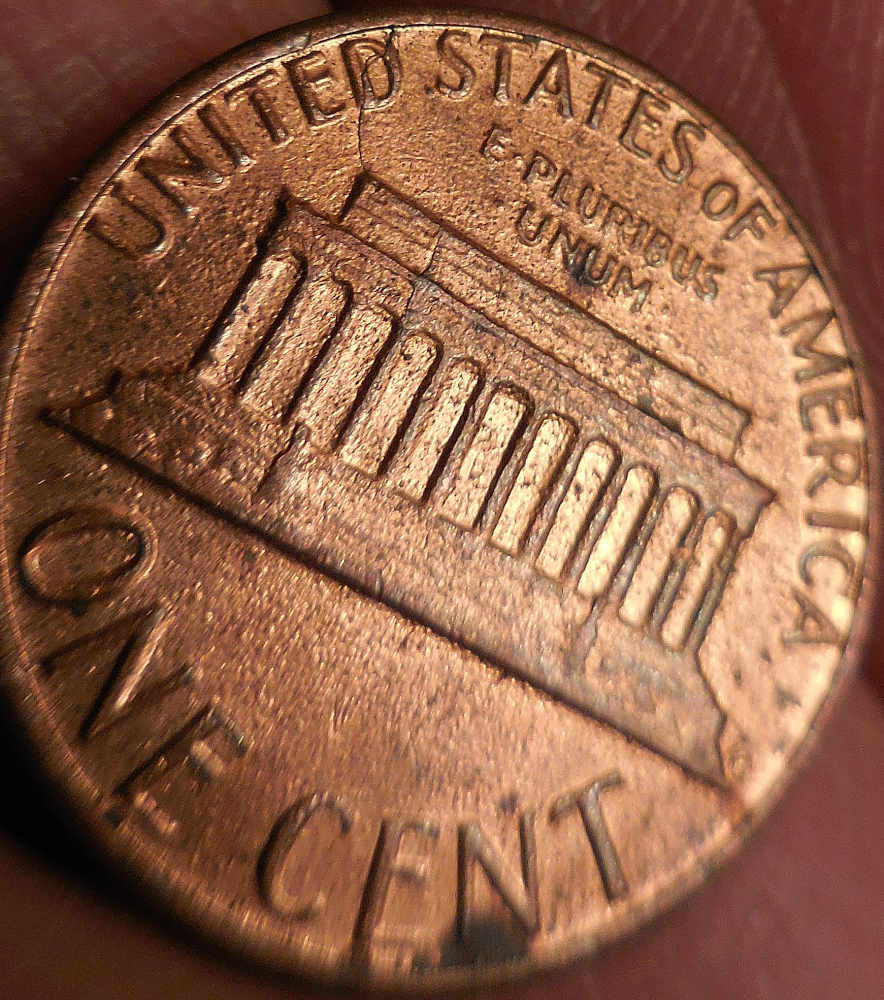
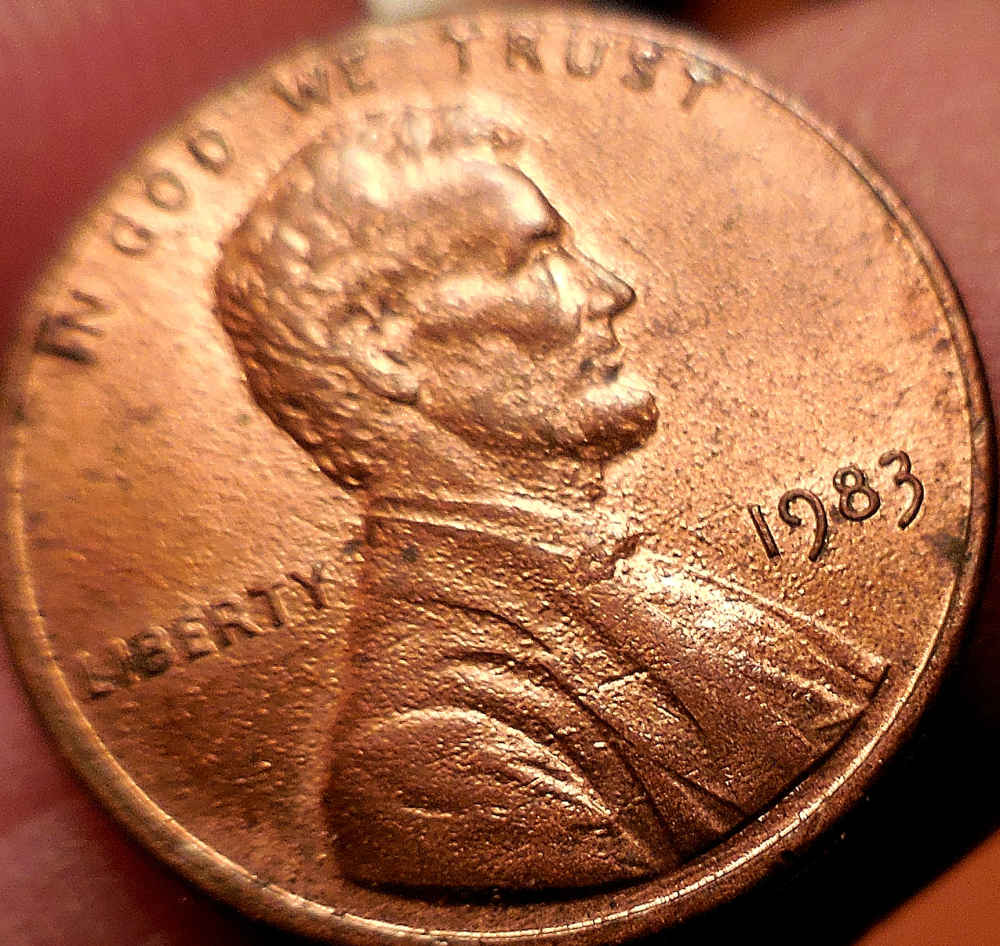
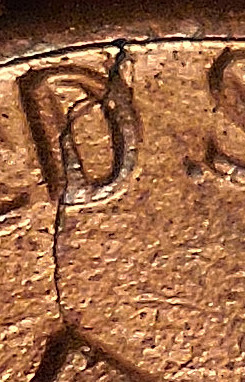
Thanks for responding Coop. Do you remember that "Speared Nose Jefferson I posted? That was a die crack, it was a raised line on the coin because of a void on the die. This line is not raised, the line on this coin, goes down into the coin. It goes from the top left of the Memorial, to and over the D, then on to the rim.
It may appear to be raised in and around the D, but those areas are actually ravines, sloping down to the crack. I apologize for the picture, I took it sometime ago.
When the line is incused on the coin, including over devices, what is it called? Maybe split planchet?
Edited by CoinMasters
03/28/2015 10:44 pm
|
|
Pillar of the Community
United States
4809 Posts |
I suspect that if you look along the crack you'll see evidence of hydrozincite. As the zinc is consumed, it will leave a void along the crack (or pitting when it's a blister that pops).
|
|
Pillar of the Community
United States
5964 Posts |
Yes you are a wise man, Rackster. Once again, I stand corrected. thank you both.
|
|
Pillar of the Community
United States
5964 Posts |
Hydrozincite, a mineral that forms in oxidized zinc, what a metal to use for coins. Did the crack form from stretched copper at the strike and cause the zinc oxidation over time?
Either way, it is not an error coin, is it?
Edited by CoinMasters
03/28/2015 11:49 pm
|
|
Pillar of the Community
United States
4809 Posts |
Wiseguy if you asked my wife!!
Yes, the thin plating of copper stretches and can split, especially around the devices. The sharper the vertices on a device the thinner the copper will be after coining. In my opinion, this is at the root of why the MMs on early Zincolns are susceptible to the 'rot' along with the outer devices closest to the rim. Once exposed to the elements, the zinc begins to oxidize. With a crack, the irregular and sharp jags (relatively speaking) have a similar affect on the thin copper. Often times, cracks look like they are flaking, especially under magnification. And early 80s Zincolns are the most exposed because of their age. Makes you wonder how long MS Zincolns will remain in that condition.
Another theory: condensate has a higher concentration of oxygen, so all those Zincolns trapped under a sweating cup/bottle of soda in the car cupholder are 'at risk coinage'. Ever notice how quickly those coins turn nasty, especially the Zincolns? It could be the increase O2 is rapidly affecting the coins in a bad way.
|
|
Pillar of the Community
United States
5964 Posts |
So it started out as a split planchet, which cannot be an error coin as it was caused by the strike. I miss the coppers. I say zinc rhymes with stink. Thanks Rackster
|
| |
Replies: 8 / Views: 988 |
|









 Posted 03/28/2015 10:18 pm





