| Author |
 Replies: 14 / Views: 1,429 Replies: 14 / Views: 1,429 |
|
|
Valued Member
United States
193 Posts |
This was brought on by me finding a 1909 cent that had cello tape that held in a blue Whitman folder. since I had several cents from the same batch, I ran a test this evening. The cent in question was soaked for 45 min then photo was taken Image Insert: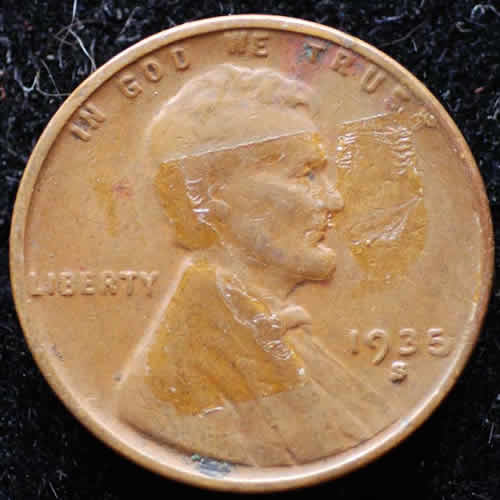 Image Insert: Image Insert: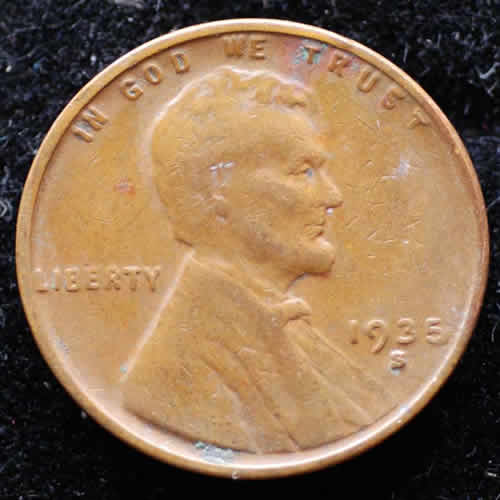 The photos do not show that where the tape was you can see little flakes of red (copper). not very apparent to the naked eye (except for the line where the top edge of the cello tape was. Under a 10x loupe, the red is very apparent. after a little "thumbing" Red still shows but looks uniform. Image Insert: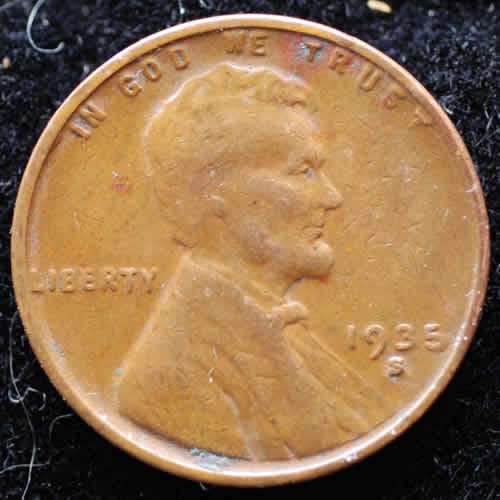 Edited by 7070
11/19/2007 03:03 am
|
|
|
|
Bedrock of the Community
United States
14454 Posts |
so it looks like the acetone got the tape off pretty good
|
|
Pillar of the Community
United States
2600 Posts |
Acetone has a lot of merits. Just don't ask it to do more than it can. It won't move green meenies. sure wish I could figure that one out. Jim  |
|
Bedrock of the Community
United States
20026 Posts |
|
|
Pillar of the Community
United States
914 Posts |
|
|
Pillar of the Community
United States
2764 Posts |
The greenie thing look like copper-oxide (oxidation forming when copper react with oxygen and other substances (some form of acid)), try to wash with soap (base substance, as oppose to acid) and try to "toothpicking" it while you are washing.... I never tried on copper, so take my advise at your own risk...... hehehe
|
|
Member
United States
3242 Posts |
|
|
Pillar of the Community
United States
914 Posts |
If you get really bored, try this on one of your junk cents!
Get a 'stipple' brush at Home Depot. It's in the faux paint area. I believe it's from Tommy Hilfiger or one of those designer guys. It's a roundish brush with natural bristles. It's relatively expensive ($12-$15?).
Next to it, grab some Xylene in the large can. (They don't make small cans of Xylene).
With rubber gloves on, put the coin in hand and apply the Xylene liberally with the brush. Point the brush straight down and make circles with it for about 2 minutes. The idea is to not move the bristles across the face of the coin, but rather the motion should just make tiny circles where the coin makes contact. Don't press too hard! And always keep the coin wet.
Once the two minutes is up, blow on the coin until dry. It evaporates quickly.
One final rinse in Acetone should be used to finalize the process.
I use this process when doing RPMs and it works wonders on getting the dirt out of the little crevaces.
|
|
Pillar of the Community
United States
2600 Posts |
Vaslin, thanks for the idea, I will give it a try.
Jim
|
|
Pillar of the Community
United States
7123 Posts |
Vaslin ,,I would like to see some high resolution pictures of a couple of the coins which have had this process done to them ?
Metalman
|
|
Pillar of the Community
United States
914 Posts |
Excellent idea. Forgot that I had some flat bed scans of some coins I did. Before and after a Xylene brushing... 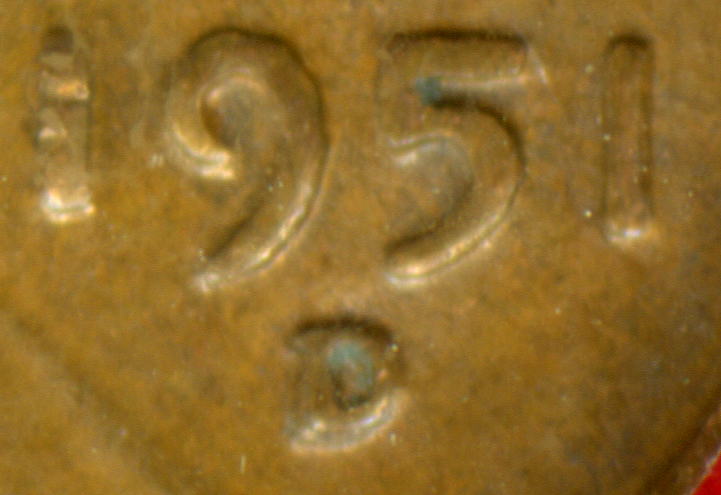 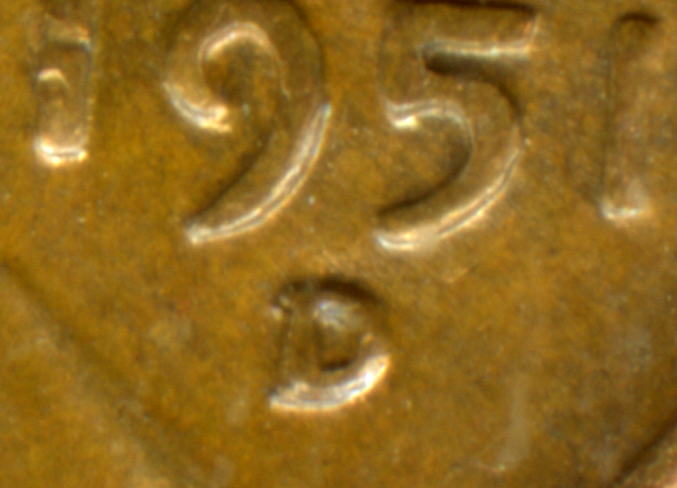 |
|
Bedrock of the Community
United States
20753 Posts |
Appears you found a way to remove Copper Oxide. However, remember it should not be attempted on valuable coins unless you know it will not be noticed as cleaned.
|
|
Pillar of the Community
United States
914 Posts |
I agree Carl. I'm not sure if it's detectable. But so far I can't see a detrimental effect of it.
I mainly use this method on lincoln RPM coins where gunk has hidden the mintmarks.
|
|
Pillar of the Community
United States
7123 Posts |
I have to say I'm surprised to not see hairline scratches on the coin ,, Interesting .
Thanks for sharing the pics.
Metalman
|
|
Pillar of the Community
United States
914 Posts |
Sure thing. Just relooked at the brush now that I'm home. It was a Ralph Lauren round stippling brush.
|
| |
Replies: 14 / Views: 1,429 |
|







 Posted 11/19/2007 07:48 am





