There's no difference between
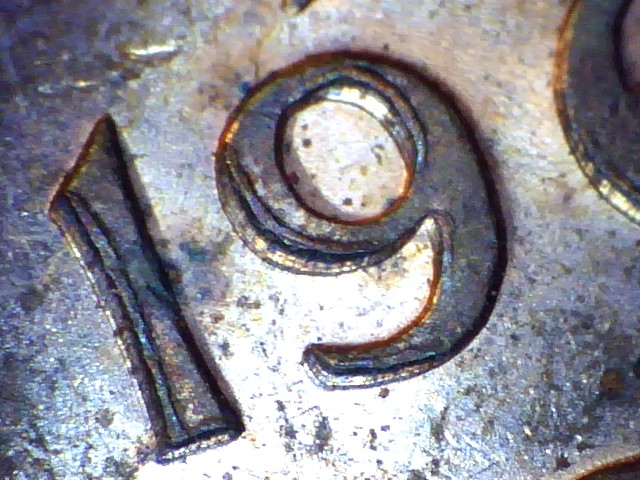
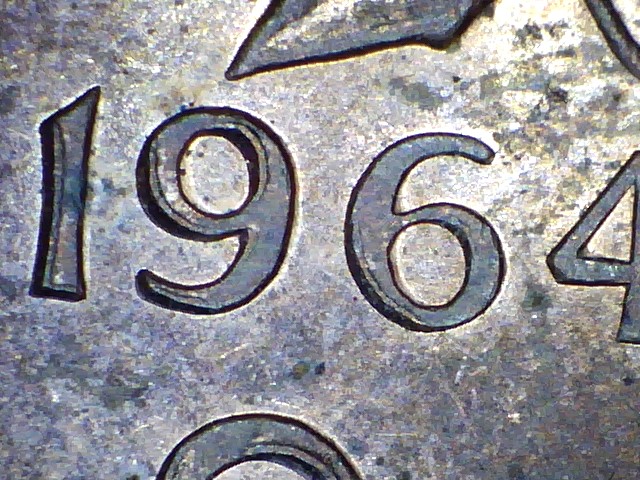
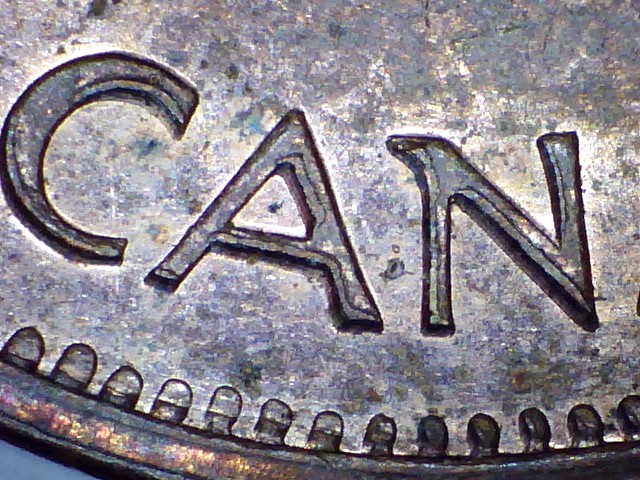
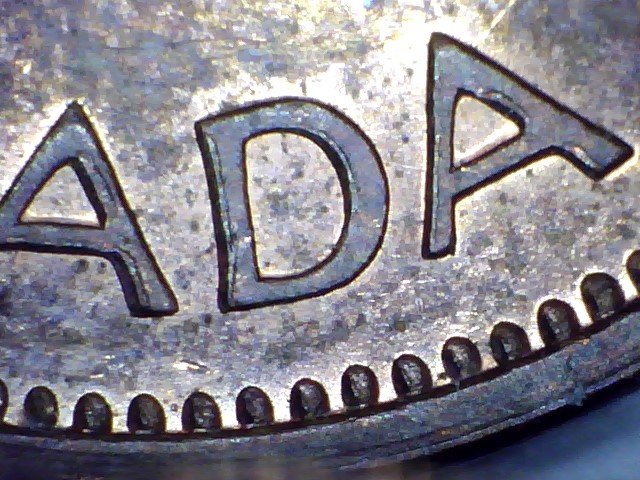
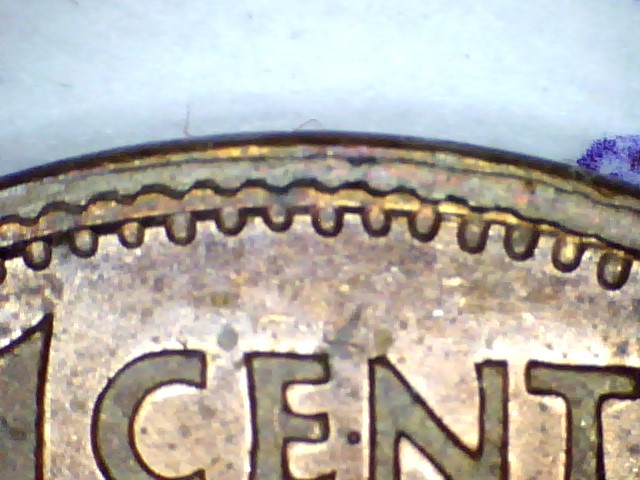
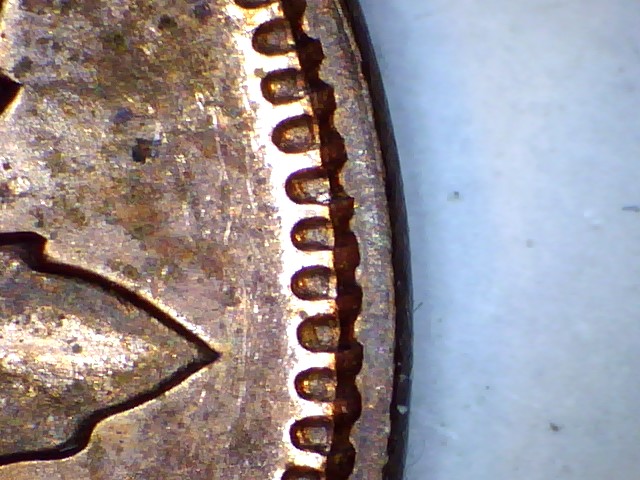
Machine Doubling and ejection doubling. Their appearance is identical. It's debatable whether doubling upon ejection actually occurs.
I should be more precise and state that the the range of appearances attributable to
Machine Doubling encompasses the appearance frequently assigned to ejection doubling.
Machine Doubling can be expressed as flat, marginal shelving (a.k.a. "push doubling"), sloping marginal shelving, or margins that are scraped flat ("slide doubling"). It simply depends on whether the die bounces during its lateral shift. If you get a high bounce with the lateral shift, you get sharply defined, flat marginal shelving. If the die simply slides sideways after reaching the lowest point of its downstroke, the margins of affected design element are pushed sideways and the displaced metal piled into a series of low ridges.
Error coin writer and researcher.










 Posted 04/02/2015 7:58 pm


