| Author |
 Replies: 9 / Views: 3,380 Replies: 9 / Views: 3,380 |
|
|
Pillar of the Community
Canada
1275 Posts |
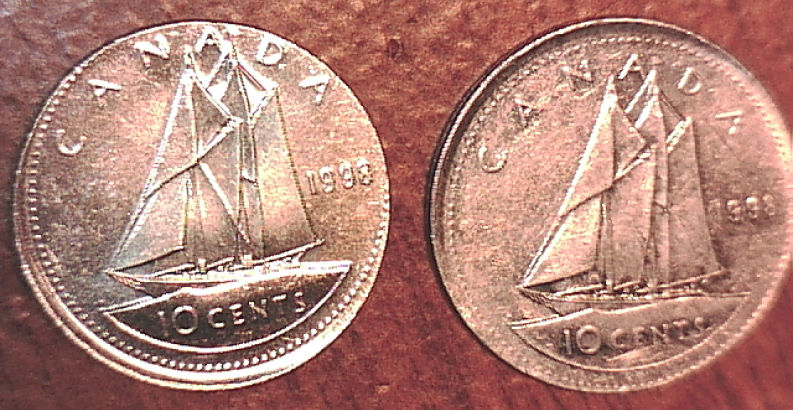
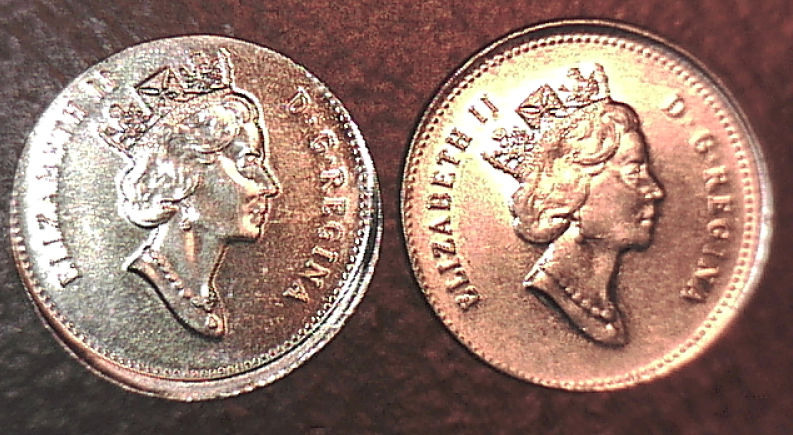
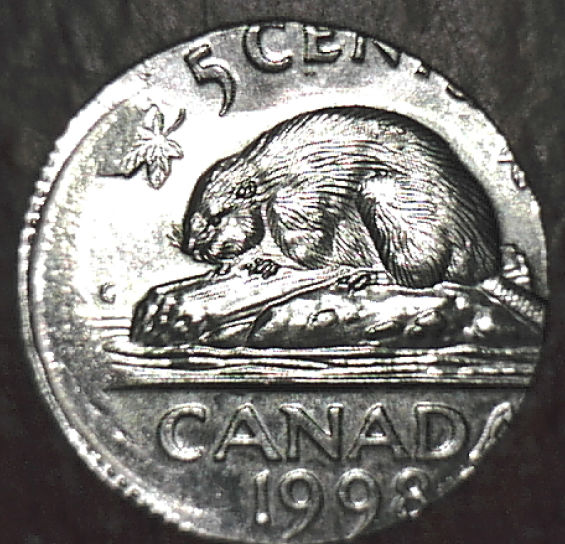
This is a coin that I've had a couple of different opinions on and I'm not sure which is correct. First it's smaller then a normal 1998 ten cent coin and weighs only 1.4 grams along with this it's not magnetic, the composition is 75.09% CU, 24.61% Ni + trace Fe, Ma. I have found this coin listed on Patrick Glassfords site as being a Canadian ten cent minted on a Malaysia five planchet. I have attempted to contact Mr Glassford to report this coin and to see if the other ones found had a similiar obv. as the one pictured here but I received no response. Below is the listing from Mr Glassford's site under the section Canadian Coins Struck On Planchets Intended For Foreign Coinage. Malaysia One cent struck on a planchet intended for an Malaysia five cent coin. Copper Nickel - 1.4 grams - 1998 *Estimated value $250.00* Five cent struck on a planchet intended for an Malaysia five cent coin. Copper Nickel - 1.4 grams - 1998 *Estimated value $350.00* Ten cent struck on a planchet intended for an Malaysia five cent coin. Copper Nickel - 1.4 grams - 1998 *Estimated value $450.00* When I purchased this coin someone had written on the 2X2 "stuck to hammer die probably 2 or 3 strikes" nothing else. Some people agree with this theory and others have dismissed it and offered other ideas, I'm just not sure who's correct. Any help or opinions on how this obv. could have been created would be greatly appreciated? Cheers, SIC 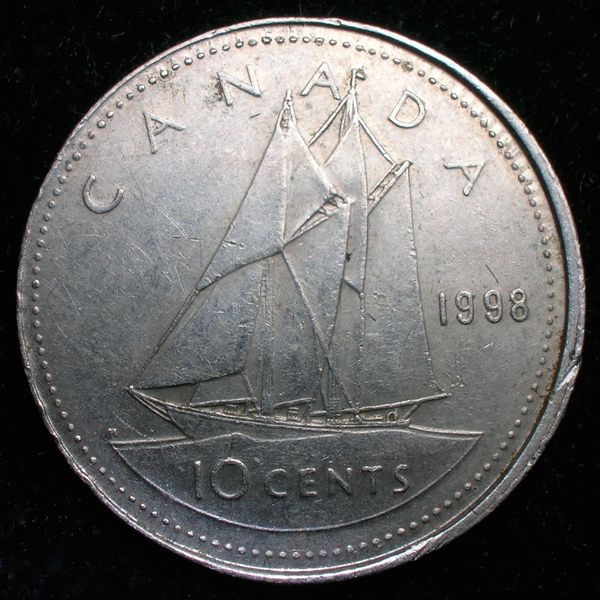 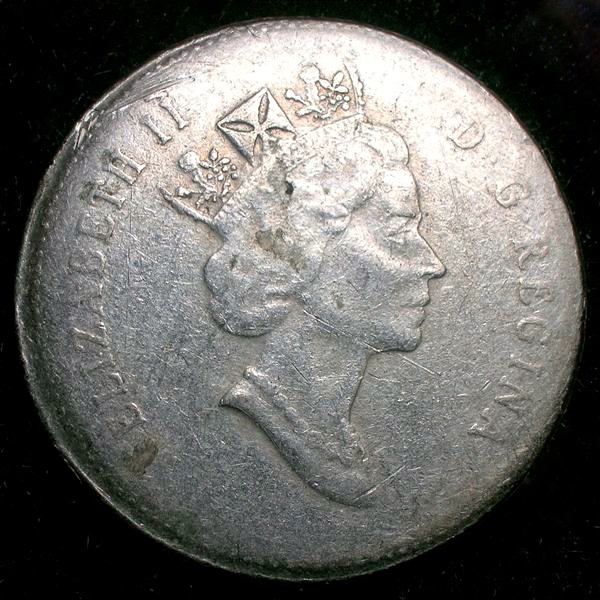 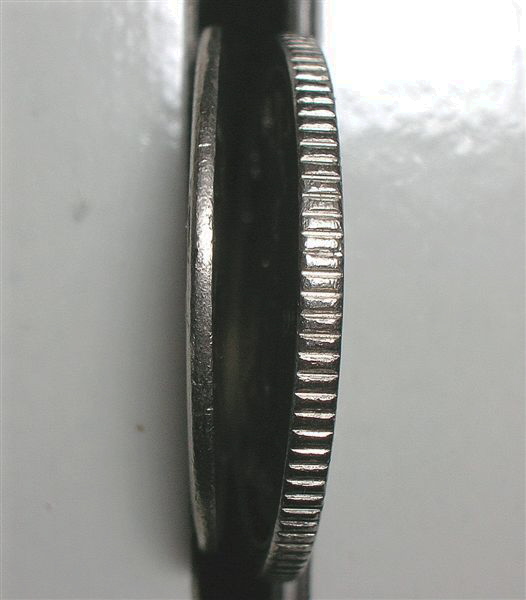 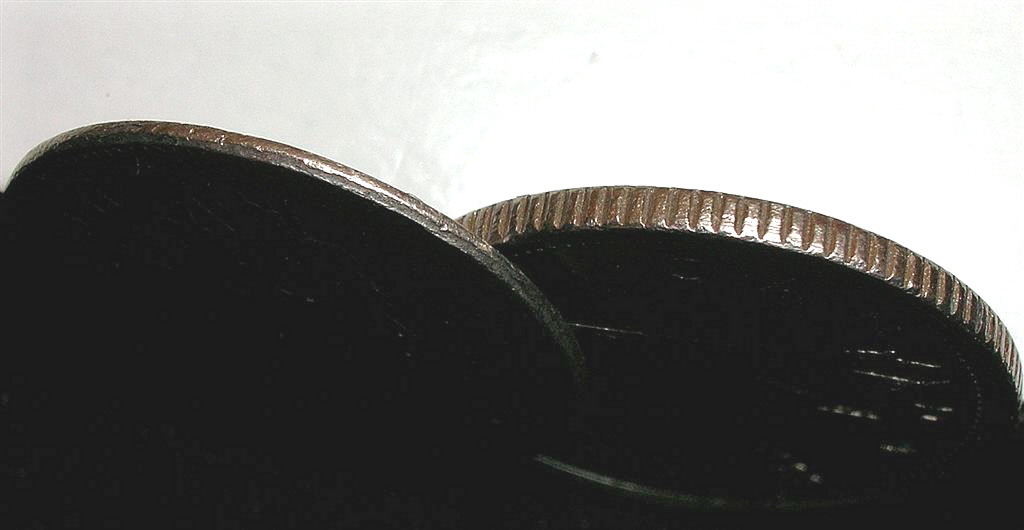
|
|
|
|
Pillar of the Community
Canada
743 Posts |
Looks like half a planchet that would have a twin out there! of course wait for the experts to pipe in.
|
|
Valued Member
United States
462 Posts |
Edited by Zimmy
05/06/2015 12:33 pm
|
|
Valued Member
United States
462 Posts |
Oh...regarding the obverse, I have several examples of wrong planchet errors that show that similar rounding of the edges. It seems somewhat normal for a wrong planchet error. When I get back in a week or so, I will try to post some images of mine.
|
|
Pillar of the Community
Canada
695 Posts |
The cupped shape on the obverse is intriguing - like a very early stage counterbrockage error? Is the portrait of the queen slightly larger than normal?
|
|
Pillar of the Community
Canada
532 Posts |
Edited by Fixguy
05/06/2015 11:33 pm
|
|
Pillar of the Community
United States
2752 Posts |
It appears that the obverse face has a downward-sloping perimeter. If so, then this may very well be a double strike, with the second strike uniface on the obverse.
Error coin writer and researcher.
|
|
Pillar of the Community
 Canada
1275 Posts |
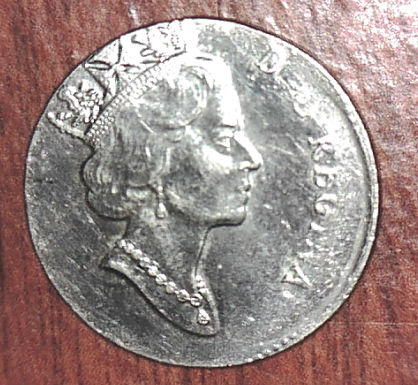
Many thanks to everyone who has replied. To answer some questions, I don't see any noticeable difference in the size of the portrait and what looks like strong cupping is mostly an illusion as the coin is relatively flat and even with minor cupping. I'd like to present a scenario and have opinions on the feasability of it happening. First I know it's a foreign planchet by the size, weight and composition and in all probability a Malaysia 5 sen Planchet. I also believe it was type 1 planchet as evidenced by the edge of the coin (shown in pictures above). I believe when minted the coin stuck to the hammer die and never ejected properly now another normal planchet entered the chamber covering the obv. anvil die, this would give the obverse the mushy look. When mike diamond suggested the possibility of multiple strikes I looked for evidence of it being struck twice. What I had originally thought to be post mint damage may actually be evidence of an additional strike or strikes (pictured below). Does this look like PMD to you or evidence of an additional strike? Is the theory presented above even feasible? 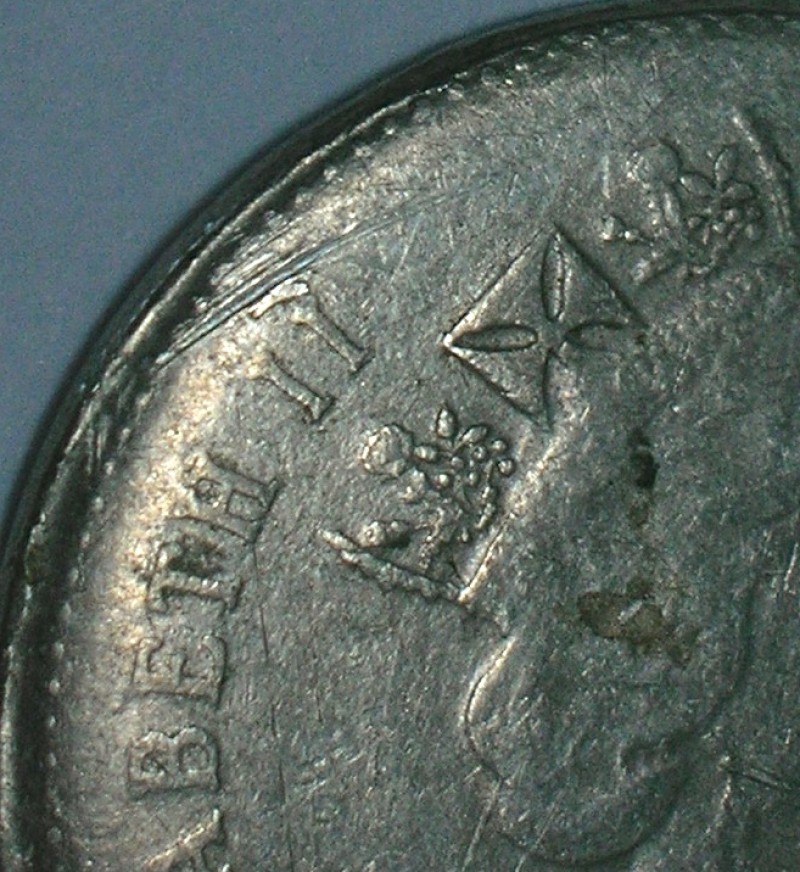 |
|
Valued Member
United States
462 Posts |
I have off metals that show same affect along rim area. The cupping appearance is actually just weakness between the beading and rim area. It gives it the appearance of a "cupping" effect. If there is no cupping and/or the obverse design isn't even slightly larger than normal, than I believe that there isn't anything else going on other than being struck on a 5 Sen planchet with some strike weakness and a little bit of scratching. However, I am a little confused as to why the reverse details appear to be much stronger than the obverse details.
|
|
Pillar of the Community
United States
2752 Posts |
Another possibility is an initial uniface strike followed by a second strike that is die struck on both faces. This can result in weakness on the face that was originally featureless.
Error coin writer and researcher.
|
| |
Replies: 9 / Views: 3,380 |
|










 Posted 05/06/2015 12:32 pm