| Author |
 Replies: 14 / Views: 3,408 Replies: 14 / Views: 3,408 |
|
|
Valued Member
United States
290 Posts |
|
|
|
|
Pillar of the Community
 United States
5828 Posts |
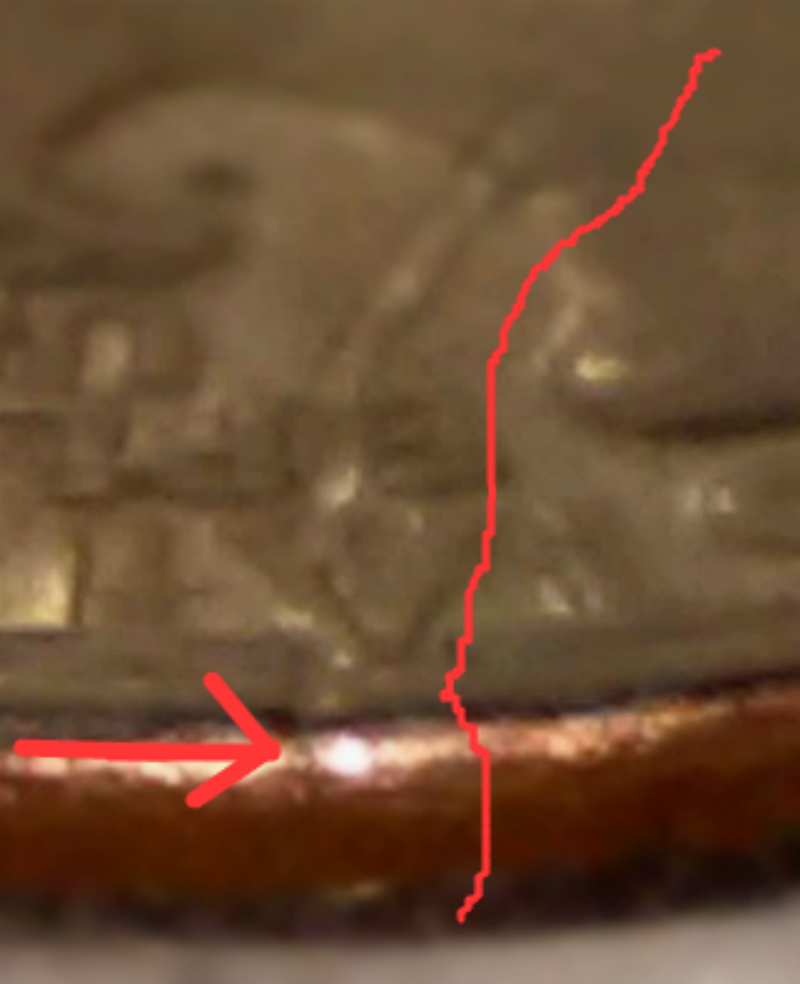
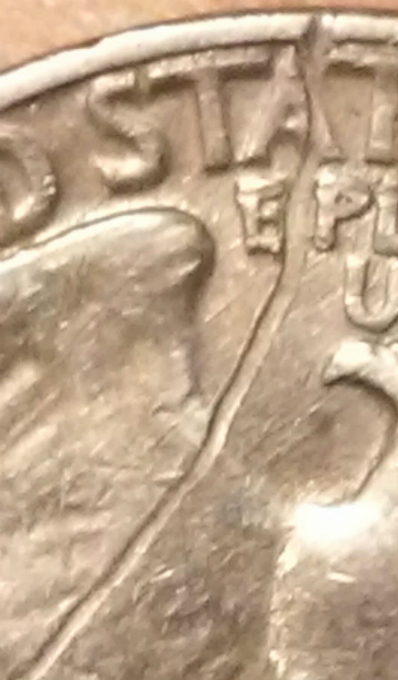
I'd say the line is PMD. Not a DDO IMHO |
|
Pillar of the Community
United States
1781 Posts |
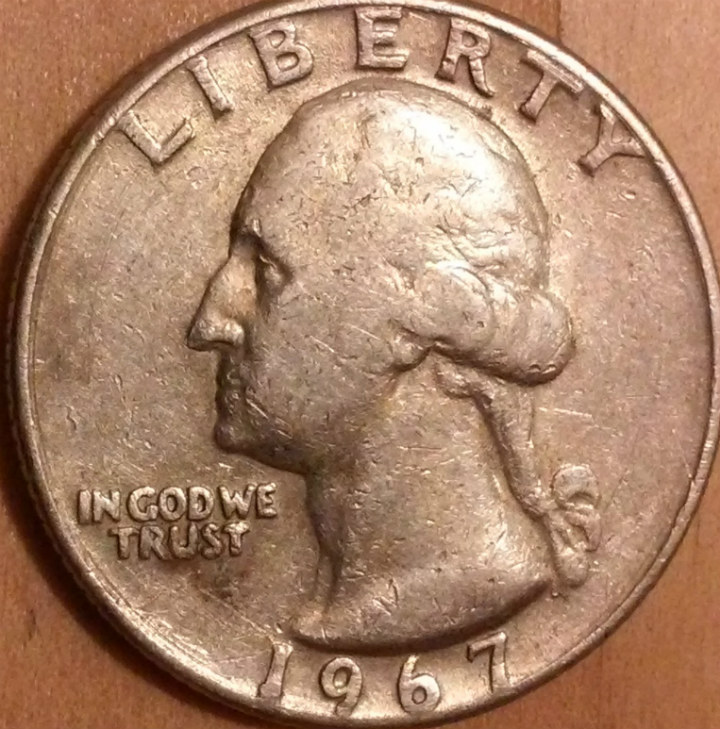
This coin has seen better times. Appears that it may have been in a parking lot (or similar) for a short time and got a trifle damaged. That is a scratch on the reverse.
|
|
Valued Member
 United States
290 Posts |
yeah, thank you guys it just didn't make any scene of being a scratch but okay off to hunt
|
|
Bedrock of the Community
United States
62064 Posts |
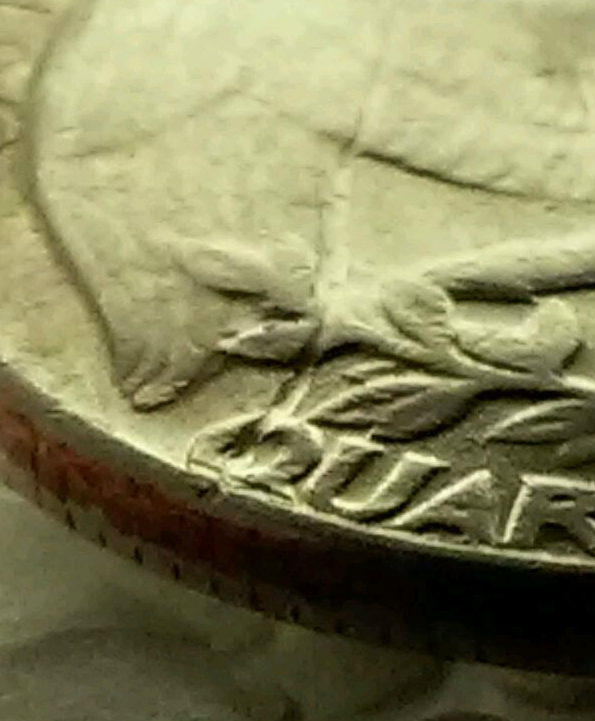
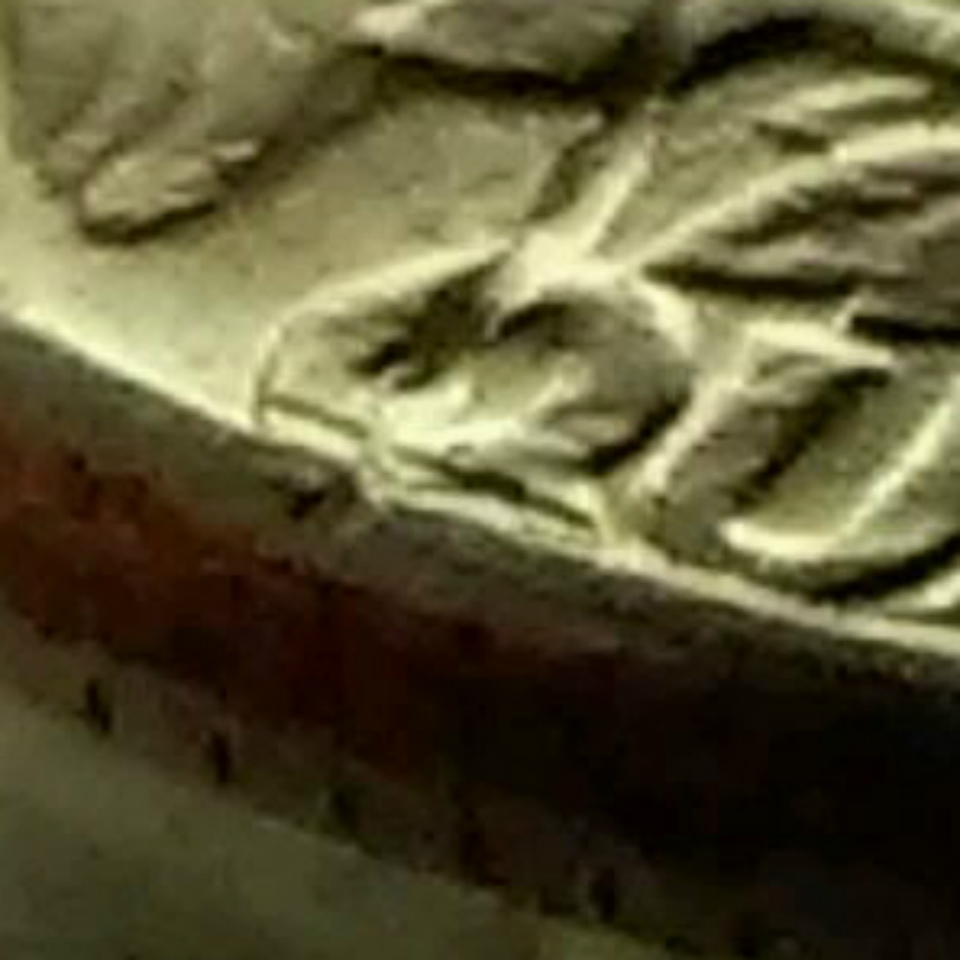
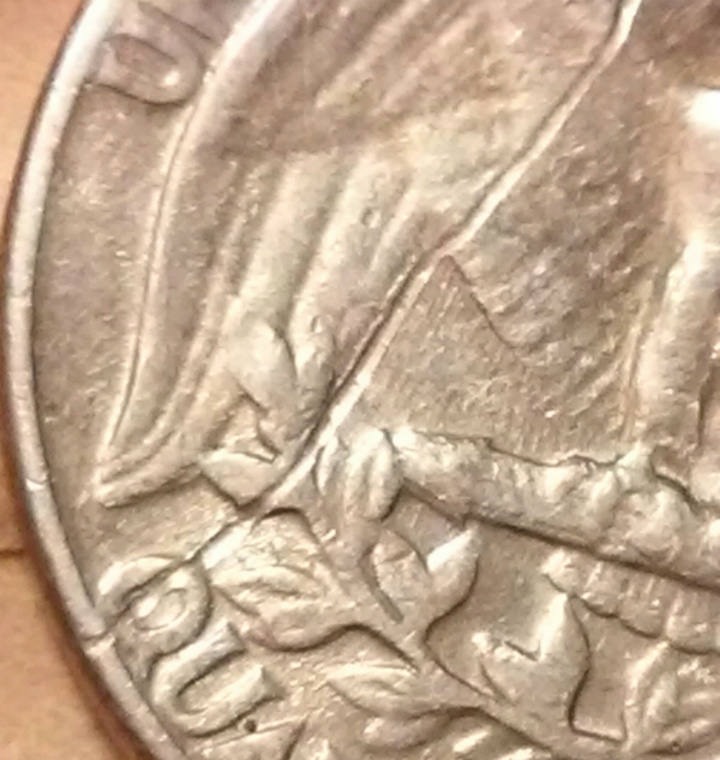
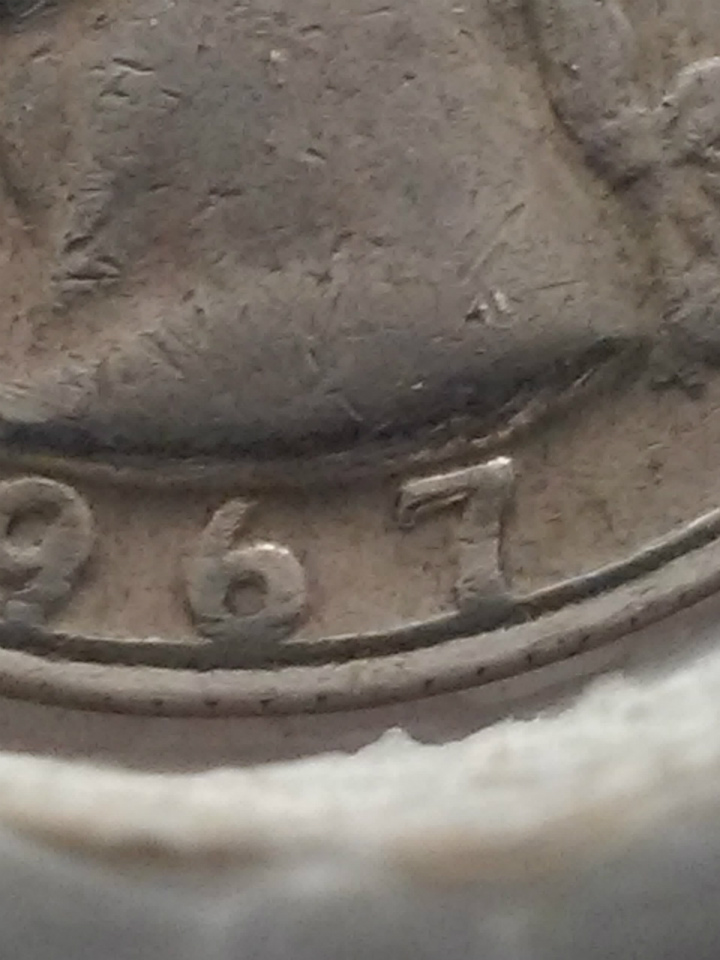
If it were a die issue, then the line would stop at the rim. But this continues over both rims past the edges of the coin. I would like to see the lower part of the trench. If it is all the depth, it might be a struck through wire? It it is irregular on the bottom part of the trench, then it maybe a coin scratch? 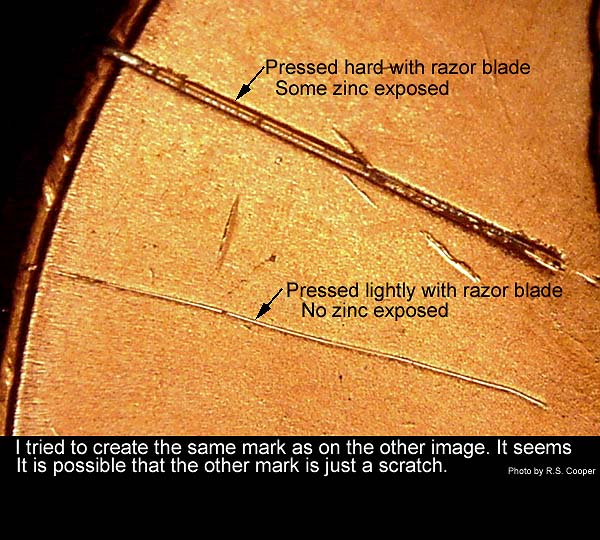 Note on the example when something firm can cause ridges while it is scratching the surface? The stronger line you can actually see the metal striations in the line. While a light line does not show it. Note on a struck through a piece of wire the consistant trench and no metal striations showing. 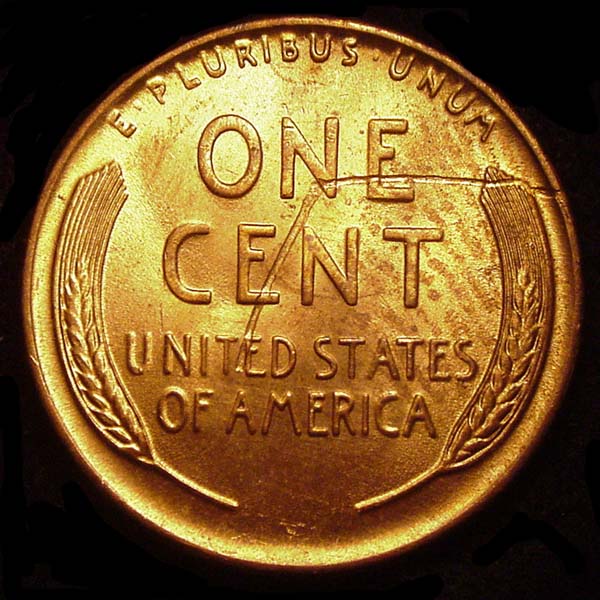 On a struck through wire, on my coin it shows the wire falling over the edge. I have seen it fall over both edges and continue on the opposite site. But the most convincing part is the end of the wire in the central area. (on "TE" on UNITED) That shows the end part of the wire. Another point to be watchful of is the edges of the trench. If they make the area rounded upward, then it a coin scratch. If they are flat, then they are a struck through error. I'm not saying what it is at this point as the images don't show what I would like to see. So a close up the trench might show me more? |
|
Pillar of the Community
United States
1781 Posts |
Teach, if you look at your second image you can clearly see that the the line is recessed with a ridge of chased metal predominantly to its left. This is a surefire indication of a PMD scratch. If it was struck through wire or similar, the ridge would not be there. Since the die is forming the design next to the scratch (and of course everywhere else) a ridge cannot form. See the 1947-S Lincoln Cent below. Notice there is no raised raised ridge of metal next to the recessed area of the strike-thru. The same is true of the 1964-D Jefferson nickel struck through some kind of wire-like debris. Click Image To Enlarge
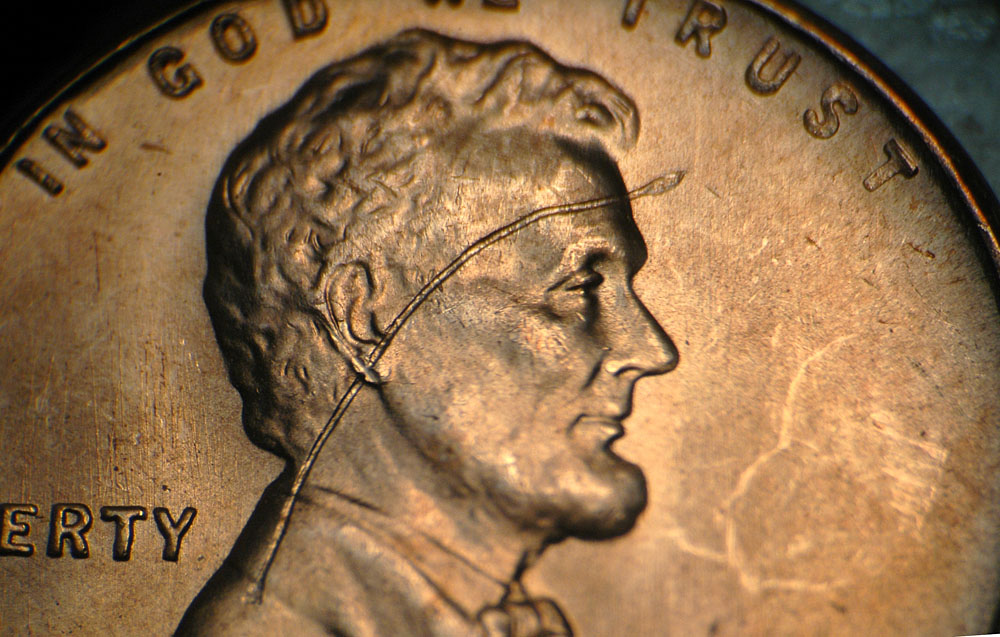
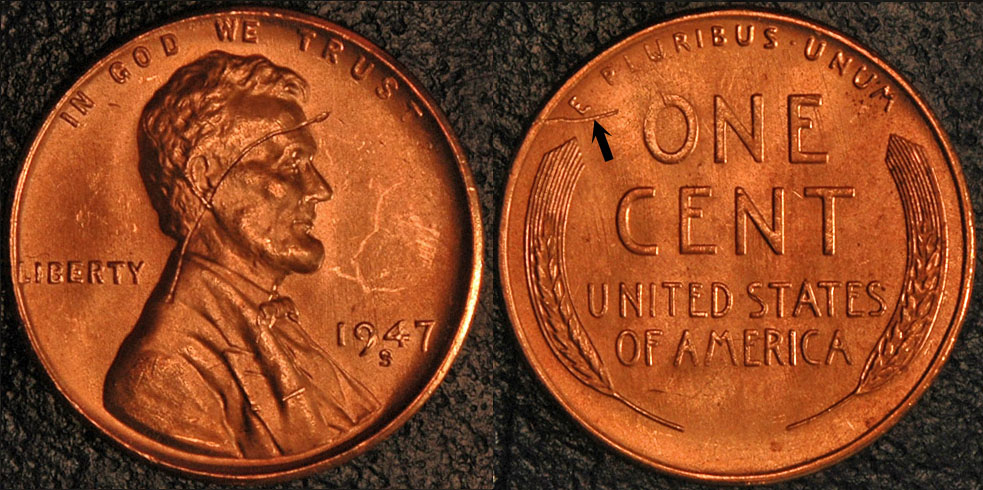
Coin submitted by Robert Pelletier
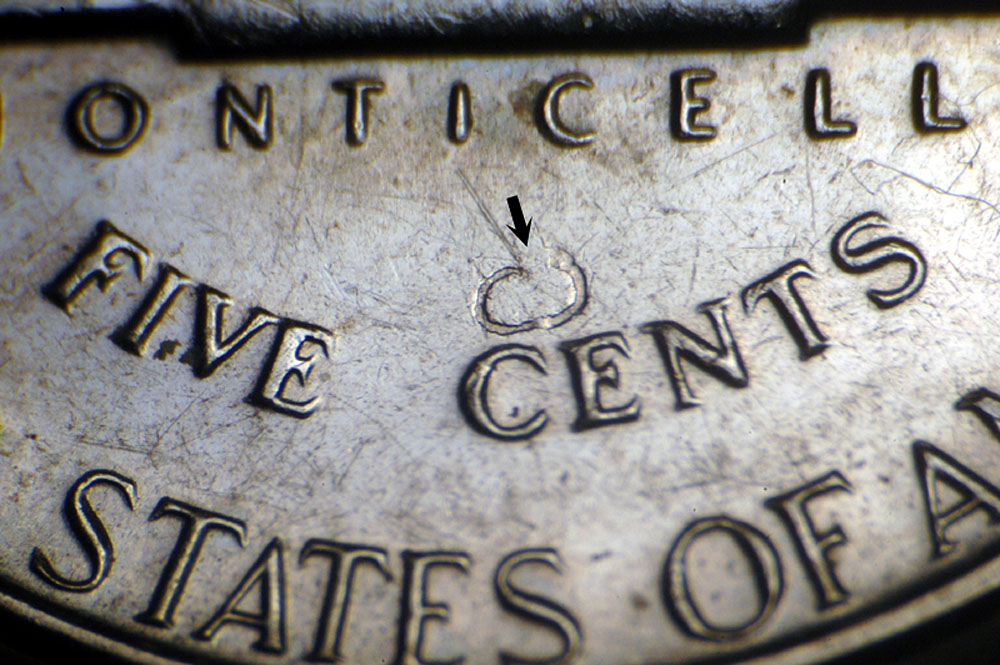
Coin submitted by Don BarkheimerEdited by koinpro
05/09/2015 11:29 am
|
|
Valued Member
United States
290 Posts |
|
|
Valued Member
United States
290 Posts |
|
|
Pillar of the Community
United States
1781 Posts |
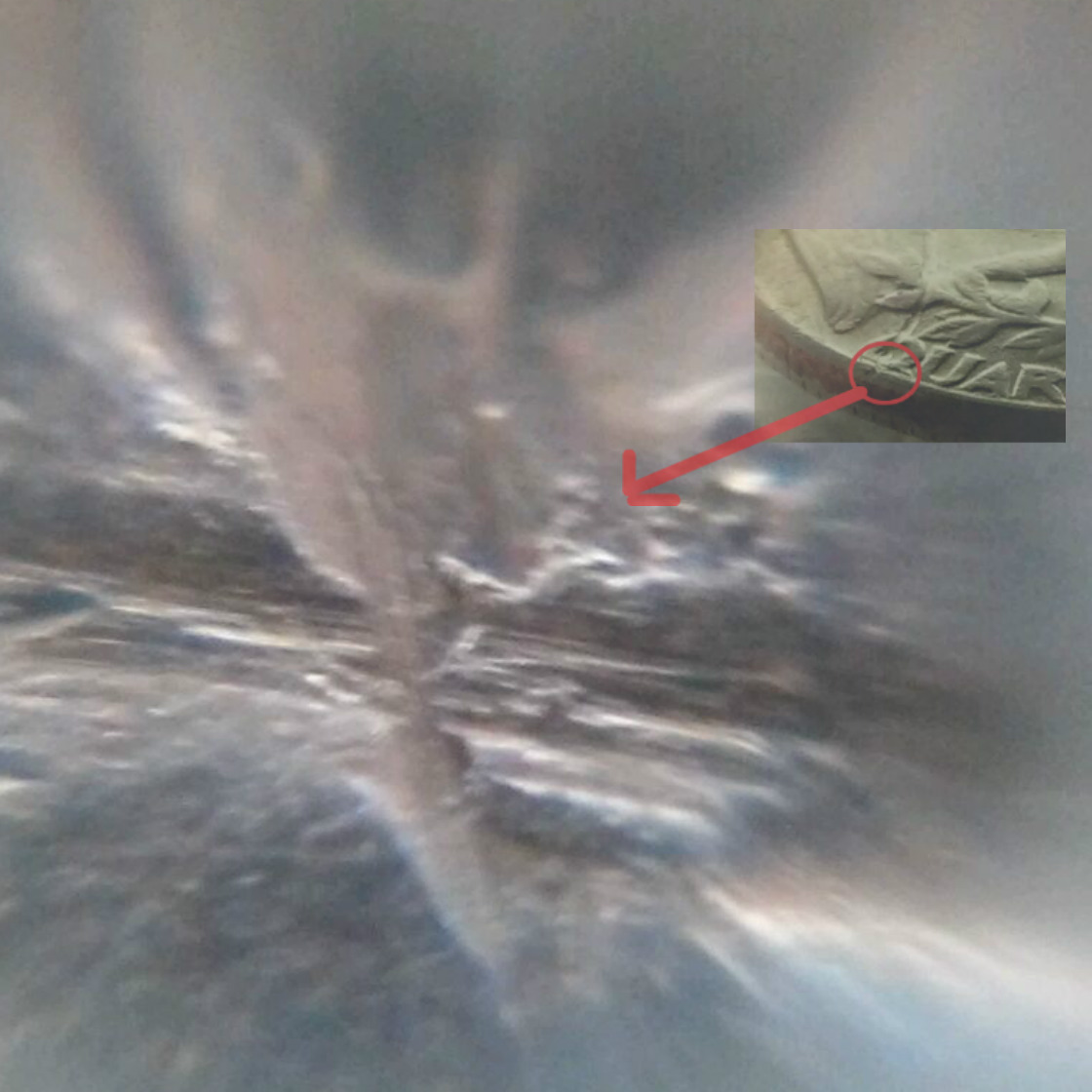
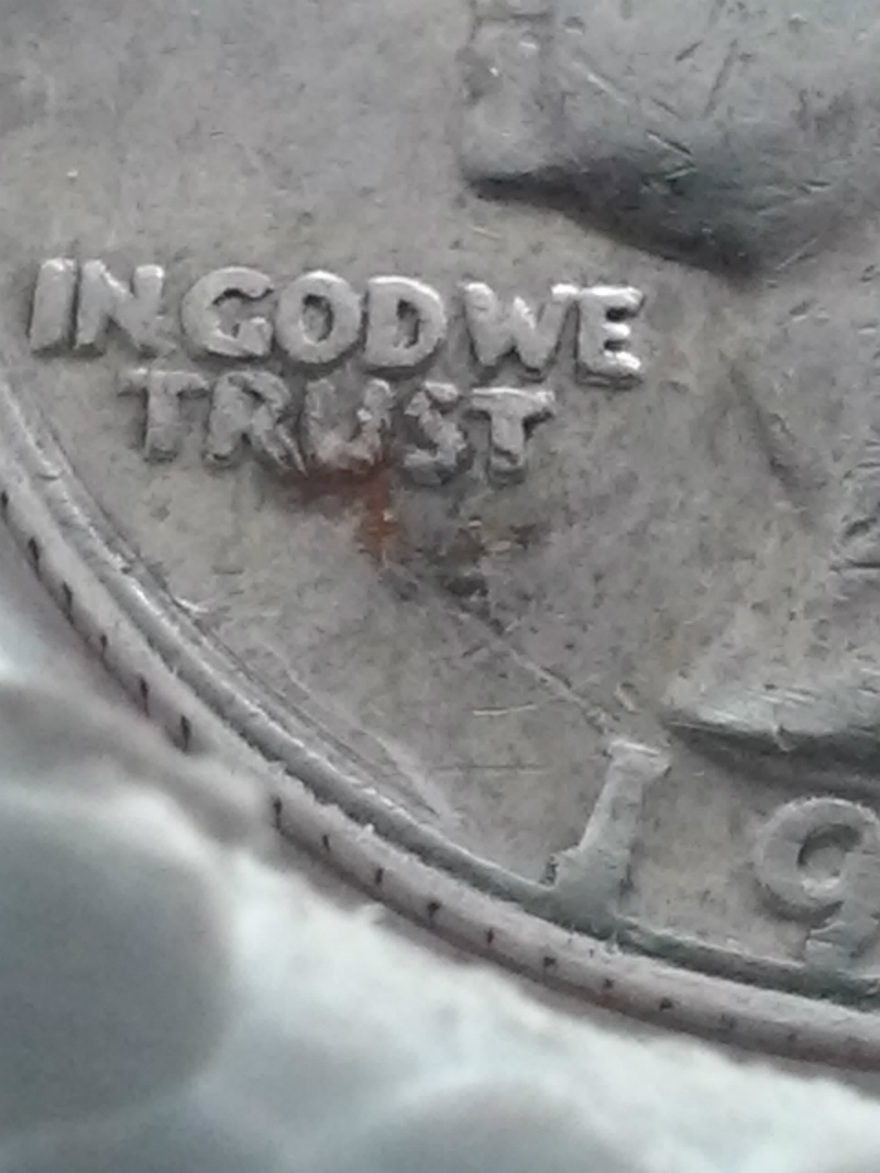
Teach, Your latest photos, while blurry, are good enough to put the nail in the coffin. However, the scratch wrapping around the rim is not always a positive indicator of a scratch. Wire can be struck on the face of a coin and rim. However, your coin is clearly a PMD scratch. Click Image To Enlarge
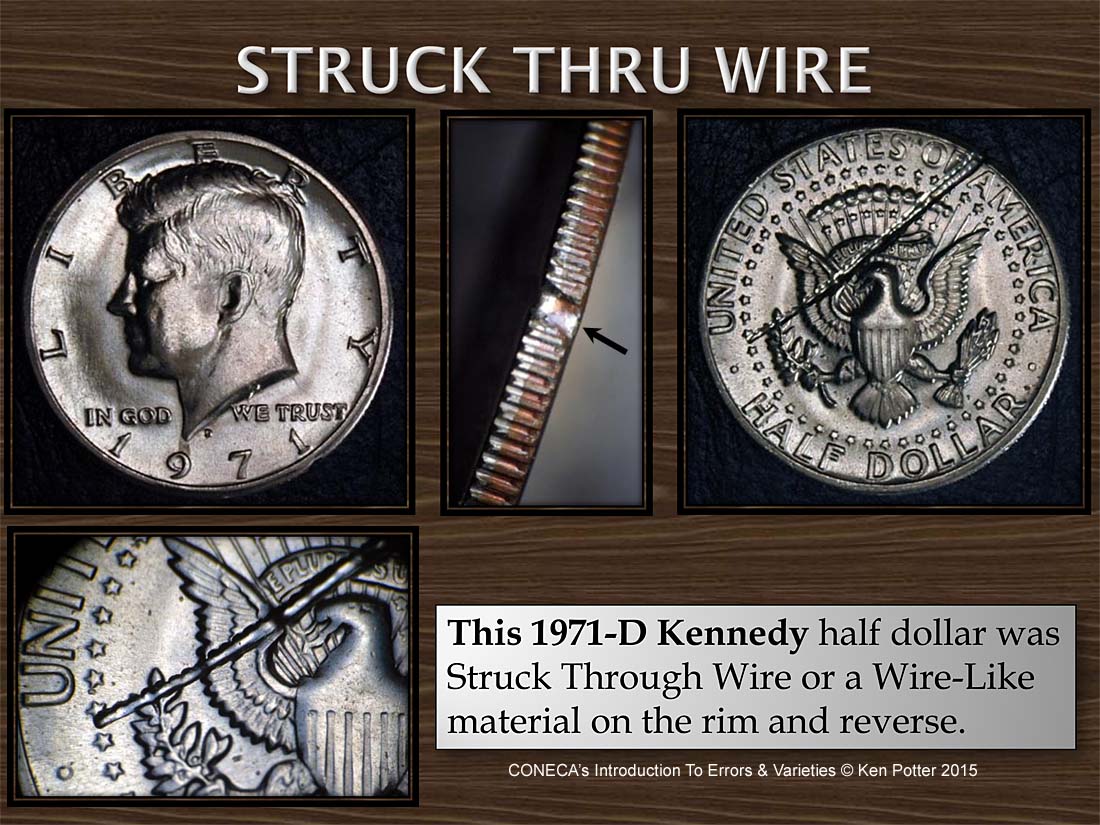 |
|
Bedrock of the Community
United States
62064 Posts |
Thanks for the extra images. As Ken mentioned, it is PSD. The one image showed me what I needed to see: 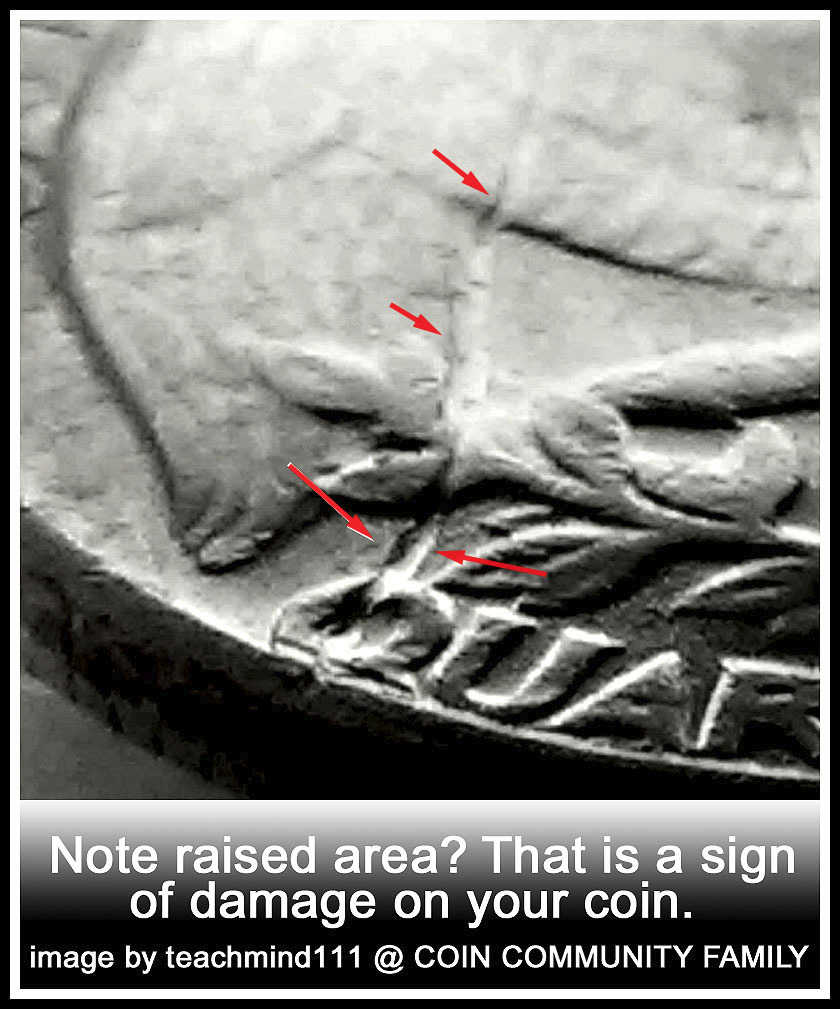 I added it to my image files. |
|
Pillar of the Community
United States
1781 Posts |
|
|
Valued Member
United States
290 Posts |
yeah thanks guys these photos are getting tough to capture thanks again good luck
|
|
Bedrock of the Community
United States
62064 Posts |
All here learned something new. More detective work for searching coins.
|
|
Pillar of the Community
United States
1781 Posts |
Teach,
Just stay at it and your images will get better. When I look at some of the images I took in the 1980s when I first set up for coin photography, I cringe!
|
|
Valued Member
United States
290 Posts |
I will and I am going to dedicate some of my life to this. Plus this hobby you cant lose even if its not what you expect its still worth what you pay for. lol
|
| |
Replies: 14 / Views: 3,408 |
|







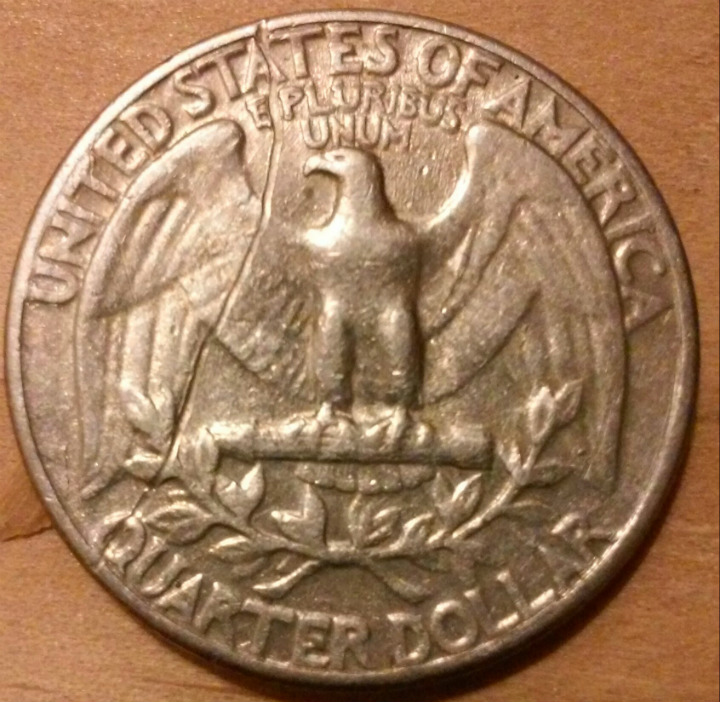


 Posted 05/09/2015 09:48 am