Posted 05/14/2015 4:49 pm


I was going to say you need to know your market. But it sounds as if you've had the advice. Certainly here in the UK, when I first started collecting then rarer coins were popular and maintained value if you wanted to sell later.
However in the last five or so years then condition has become the thing collectors want and pay for. Which rather matches the 'look' thing you've been advised to seek out by auction houses.
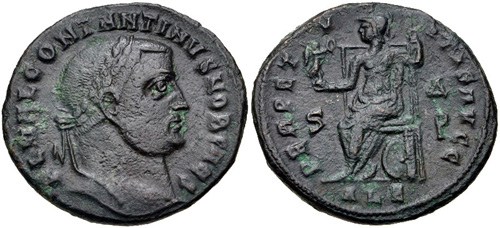
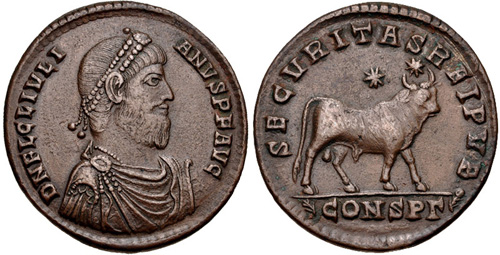
Personally I look for what I call 'eye appeal'. Often it's related to grade, but in certain instances it is possible for a more worn coin, because of balanced toning, clarity of design, a central strike on a full flan or some other factor, to actually be more appealing than a very crisply struck coin with weaknesses or on an odd shaped flan.
This does mean that it's not simply a matter of buying the highest grade you can find. It also helps a lot if you have a fair idea of what condition a particular coin type is usually found. Conditional rarity (ie a (possibly common) coin in uncommonly good condition) is something I actively look for. Its taken me some time to get a feel for what makes a coin pleasing to me and, generally speaking, I now find that such coins usually appeal to others and will keep pace with inflation if not increase in value over time.
Of course, there is no guarantee that 'eye appeal' will continue to be what other collectors look for. But I certainly enjoy my nicer looking coins more than lesser, although sometimes rarer, examples.
I must of course mention that I don't buy coins as investments. The above is just my experience with coins I have subsequently sold to upgrade. In many cases it's taken several (5 or more) years from purchase to have a good chance of getting my money back or making a profit.
Hope that helps.
.
However in the last five or so years then condition has become the thing collectors want and pay for. Which rather matches the 'look' thing you've been advised to seek out by auction houses.
Personally I look for what I call 'eye appeal'. Often it's related to grade, but in certain instances it is possible for a more worn coin, because of balanced toning, clarity of design, a central strike on a full flan or some other factor, to actually be more appealing than a very crisply struck coin with weaknesses or on an odd shaped flan.
This does mean that it's not simply a matter of buying the highest grade you can find. It also helps a lot if you have a fair idea of what condition a particular coin type is usually found. Conditional rarity (ie a (possibly common) coin in uncommonly good condition) is something I actively look for. Its taken me some time to get a feel for what makes a coin pleasing to me and, generally speaking, I now find that such coins usually appeal to others and will keep pace with inflation if not increase in value over time.
Of course, there is no guarantee that 'eye appeal' will continue to be what other collectors look for. But I certainly enjoy my nicer looking coins more than lesser, although sometimes rarer, examples.
I must of course mention that I don't buy coins as investments. The above is just my experience with coins I have subsequently sold to upgrade. In many cases it's taken several (5 or more) years from purchase to have a good chance of getting my money back or making a profit.
Hope that helps.
.
Edited by Tom Goodheart
05/14/2015 4:58 pm
05/14/2015 4:58 pm