| Author |
 Replies: 15 / Views: 1,373 Replies: 15 / Views: 1,373 |
|
|
Pillar of the Community
United States
717 Posts |
As I am going through photographing my collection, I want to test my grading skills. So, I will post the picture, then my grade, and you guys can be my teachers! 1916 D - I grade XF 40. What do you think? Does the weak O on reverse affect grade? 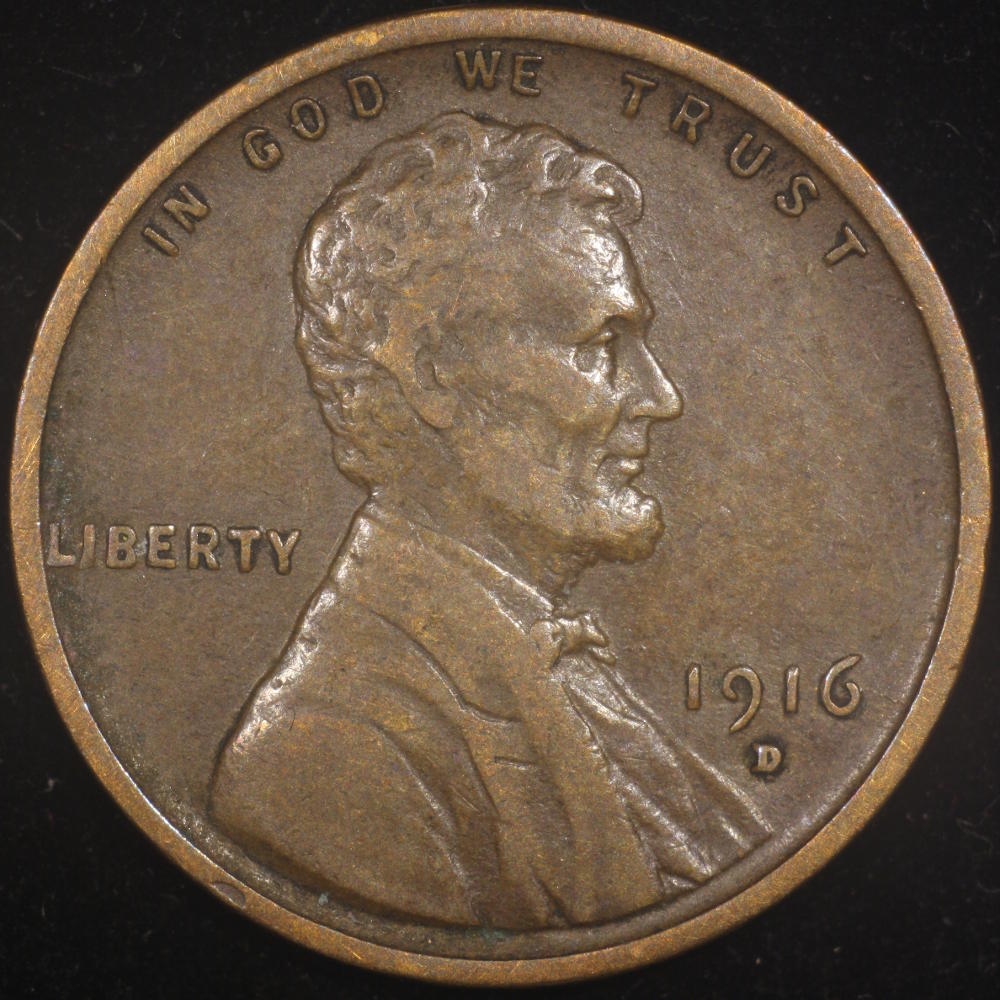 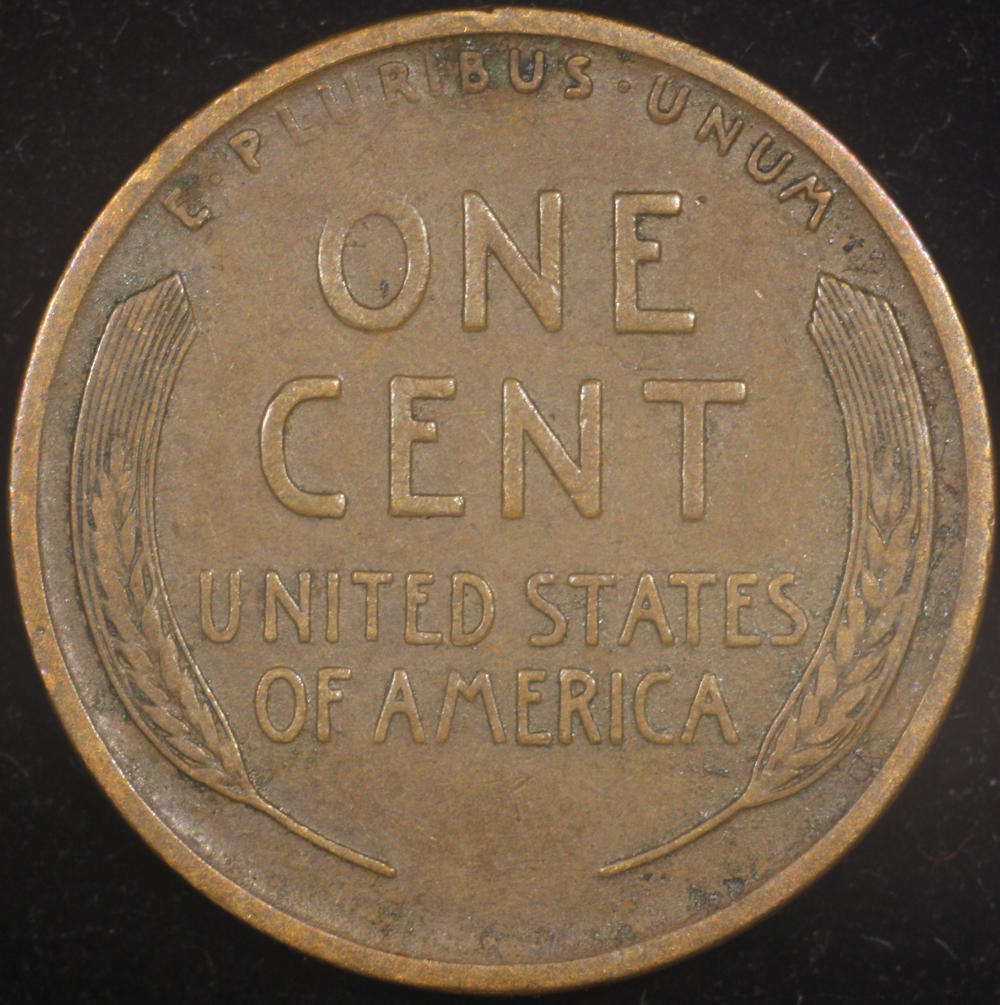 |
|
|
|
Pillar of the Community
United States
1584 Posts |
The weak "O" is a strike issue and doesn't affect the grade.
I agree with XF-40.
|
|
Pillar of the Community
 United States
5828 Posts |
|
|
Pillar of the Community
United States
1295 Posts |
In my opinion, there is too much wear on the high spots (especially above the ear) for XF. I think VF-35 is a fair assessment.
Edited by Rollsearcher37
05/26/2015 10:53 am
|
|
Bedrock of the Community
Canada
10743 Posts |
|
|
Rest in Peace
United States
18456 Posts |
A little too much wear on wheat lines. VF-35
|
|
Bedrock of the Community
United States
20052 Posts |
Wheat lines and grains worn too much for EF.
VF-30
Lincoln Cent Lover!VERDI-CARE™ INVENTOR https://verdi.care/
|
|
Pillar of the Community
United States
1590 Posts |
VF-35. I think the wear in the wheat lines are from a worn die.
|
|
Pillar of the Community
United States
3582 Posts |
I'd go 35 for it. Nice looking coin...
|
|
Pillar of the Community
 United States
717 Posts |
I appreciate and respect all opinions, and am learning. Is the weak strike on the reverse causing the wheat to look worn? The reverse looks like it has much more wear than the obverse, so I assumed it was a mushy strike, and not wear. Appreciate everyone's opinion!
|
|
Bedrock of the Community
United States
20052 Posts |
Quote:
Is the weak strike on the reverse causing the wheat to look worn? No, the master hub was re-worked in 1916 and that year, regardless of the mint branch, is known for excellent die states. EF coins will have pretty sharp wheat grains, just some wear on the lines. The grains on this coin are badly worn which indicates the next level of wear. The only issue on this coin is the failure of the die to fully fill in the area opposite the bust on the reverse (the O in ONE area). Lincoln Cent Lover!VERDI-CARE™ INVENTOR https://verdi.care/
|
|
Pillar of the Community
United States
717 Posts |
Thanks Thad, I highly respect your knowledge! Keep teaching.
|
|
Pillar of the Community
United States
1590 Posts |
One of the signs of a worn reverse die, on a Lincoln Wheat cent, is uneven striking of the, viewers, left wheat ear. Specifically the left side of the left ear. The hub was worked in 1916. And it is known for great coins; however, all dies wear. And that uneven striking on the left wheat ear is a classic sign of a worn reverse die. |
|
Bedrock of the Community
Canada
11922 Posts |
|
|
Pillar of the Community
United States
7379 Posts |
Looks a bit less than XF40, but nice coin and photo nonetheless.
|
|
Bedrock of the Community
United States
20052 Posts |
Quote:One of the signs of a worn reverse die, on a Lincoln Wheat cent, is uneven striking of the, viewers, left wheat ear. Specifically the left side of the left ear. The hub was worked in 1916. And it is known for great coins; however, all dies wear. And that uneven striking on the left wheat ear is a classic sign of a worn reverse die. Actually, that's not an indication of a worn die at all. It is caused by non-parallel dies, it is documented a few different books. It typically happens on the RIGHT wheat stalk although I've seen it (very rarely) affecting the left stalk, probably from the Mint over-compensating for right weakness. Die wear affects all of the coin details on a side, dies do not just wear in one area, they wear everywhere. Edited by BadThad
05/27/2015 11:49 am
|
| |
Replies: 15 / Views: 1,373 |
|






 Posted 05/26/2015 09:54 am





