| Author |
 Replies: 17 / Views: 7,663 Replies: 17 / Views: 7,663 |
|
Pillar of the Community
United States
5964 Posts |
I believe this is what Mike refers to as Progressive Indirect Design Transfer. Ken calls it Internal Metal Displacement Phenomenon. AKA, Ghosting. It is caused by design transferred to the die through repeated coin strikes. Most of it is on the reverse on this cent. You can see Lincoln. It's so neat I thought I'd share. 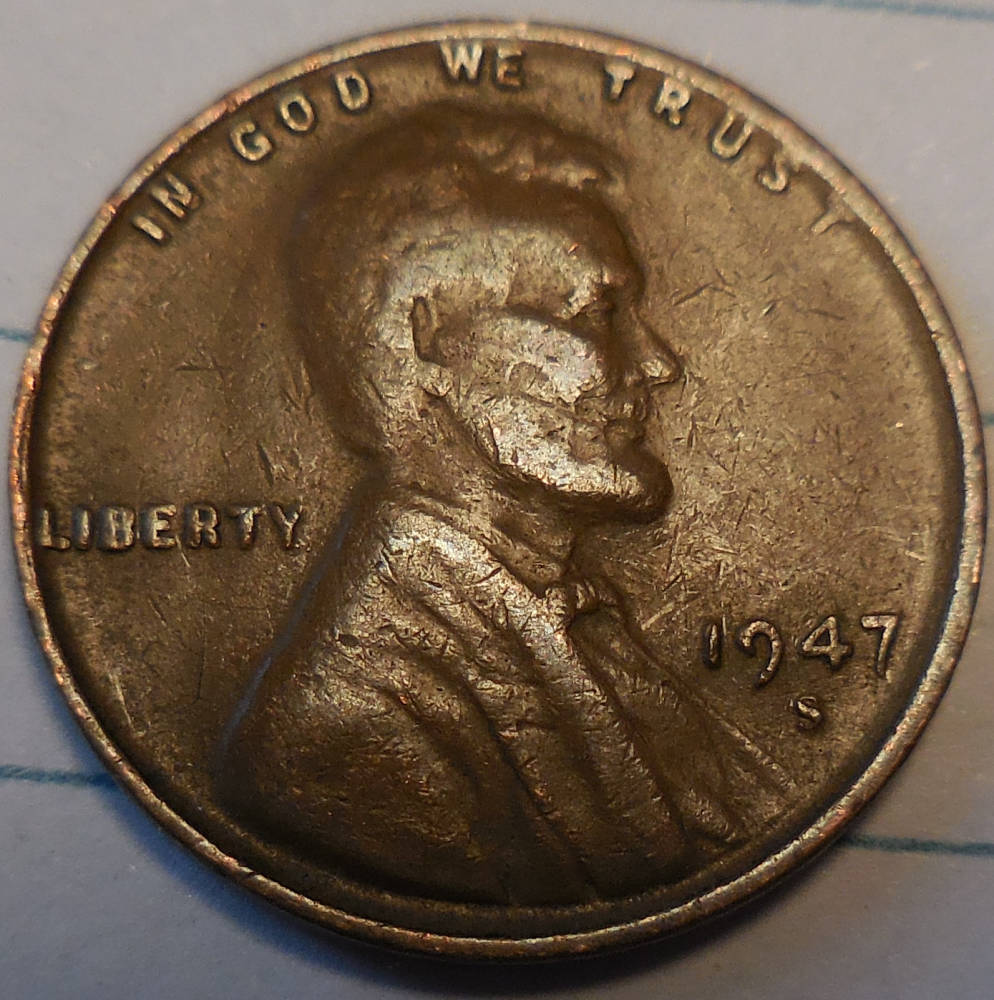 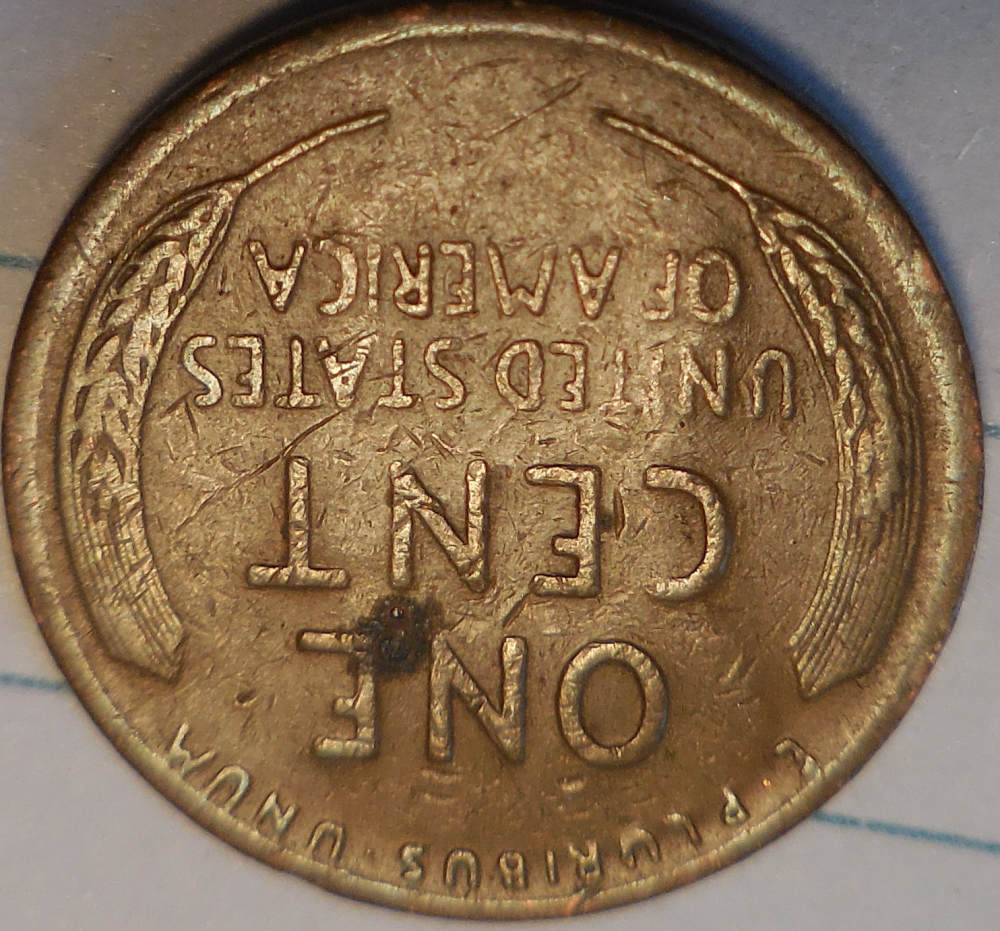 |
|
|
|
Pillar of the Community
United States
3463 Posts |
Pretty cool. I've seen it on the Memorial cents also.
Edited by cwb
05/30/2015 10:06 pm
|
|
Pillar of the Community
 United States
5964 Posts |
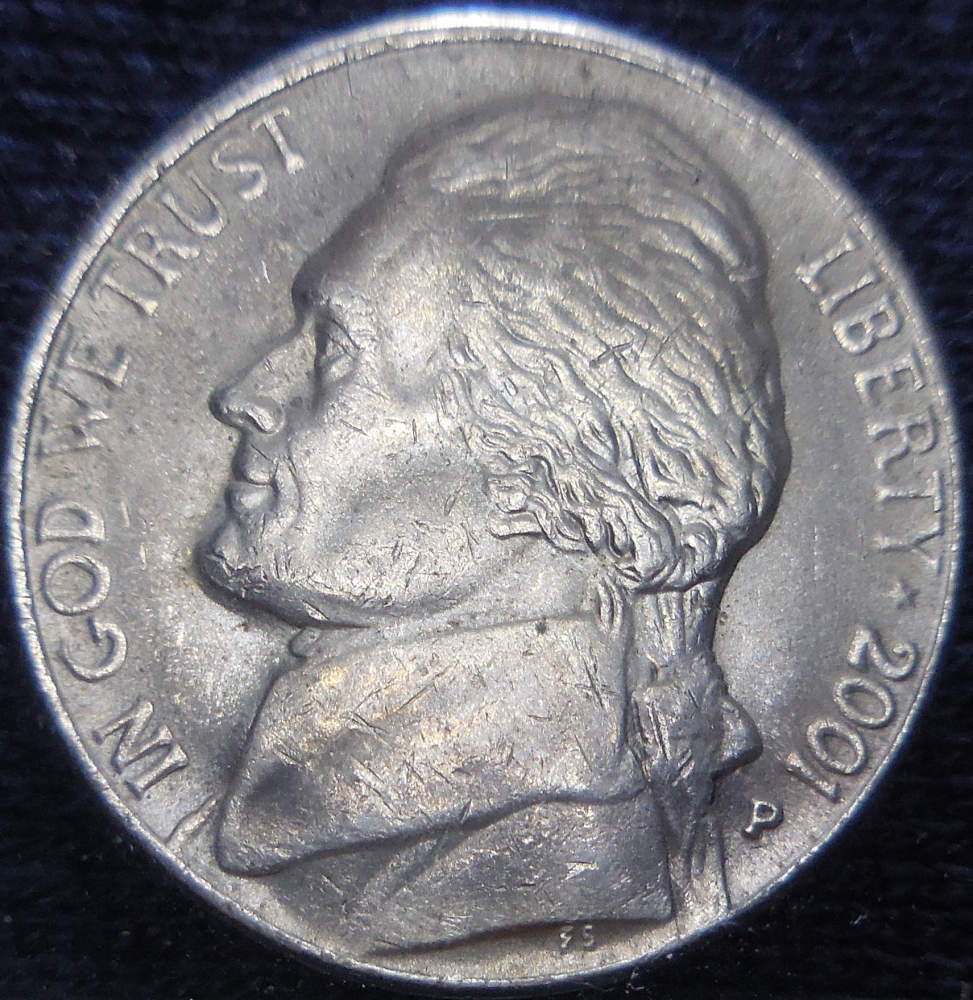
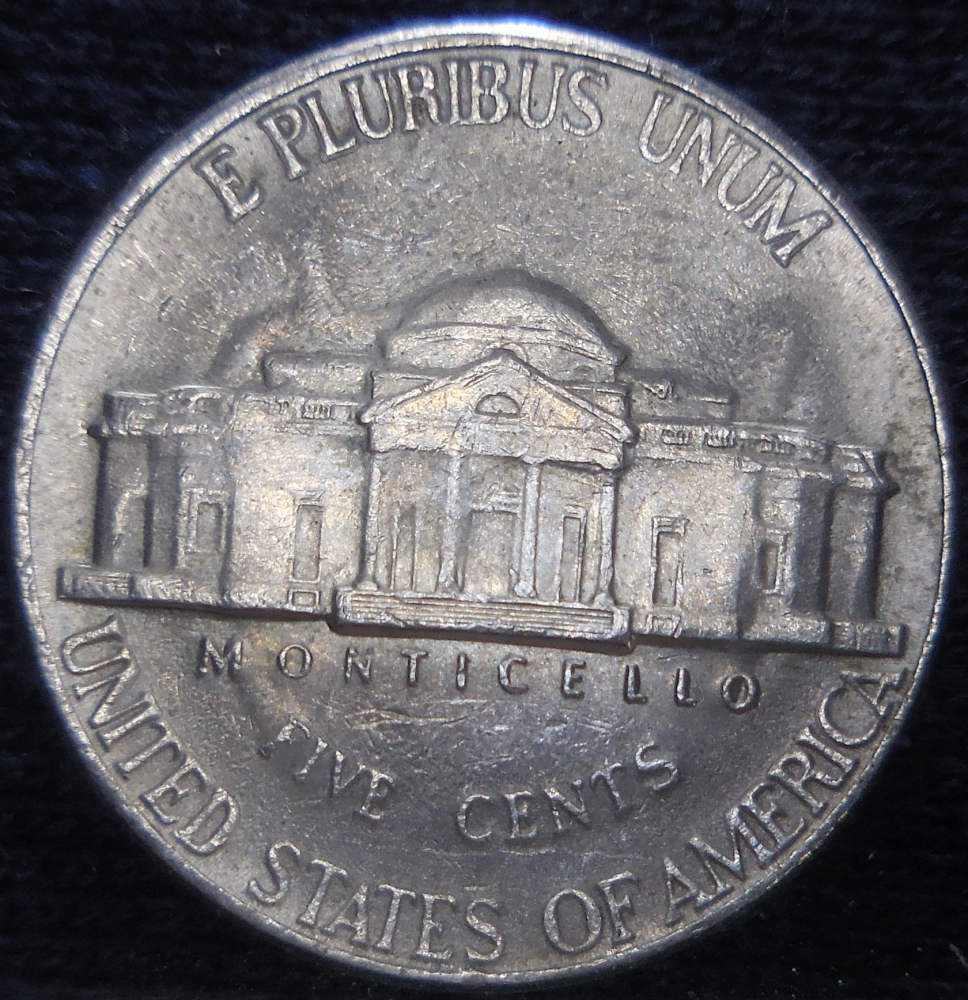
I have another, a 2001 nickel. I posted it here and that's how I know what this one is.
|
|
Pillar of the Community
 United States
5828 Posts |
Pretty common. Happens when the dies are too worn or too far apart. You can find a lot of these on early branch mint LWCs
|
|
Pillar of the Community
United States
6478 Posts |
Interesting looking. Common but cool.  |
|
Pillar of the Community
United States
1781 Posts |
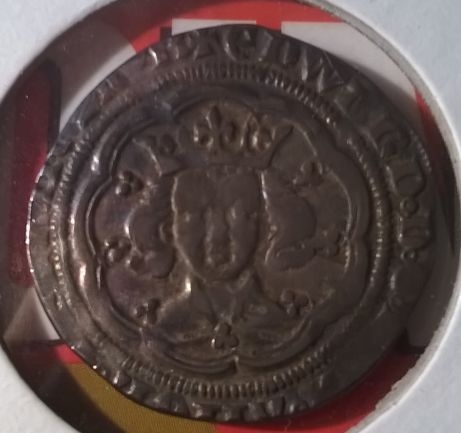
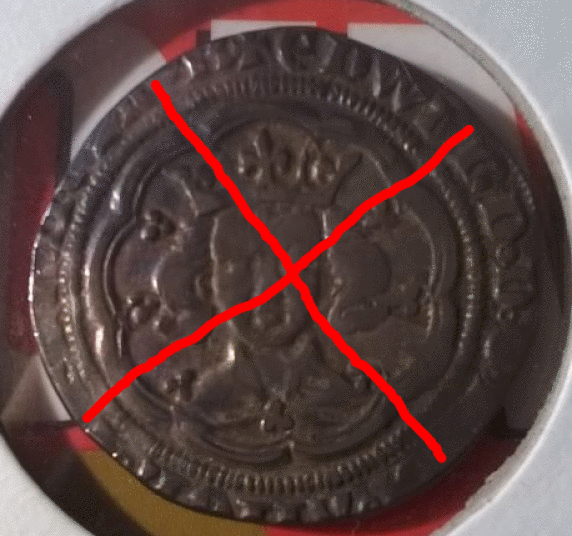
Same die? Submitted by Robert Pelletier 12/6/09.  |
|
Pillar of the Community
United States
3463 Posts |
Not the same, the mint mark looks way off. Maybe it has more to do with the way they are struck than it does with the dies? They are the same year and mint.
|
|
Moderator
 United States
56855 Posts |
Could this also be attributed to the reverse on the1973-D that I see alot of the time? John1  Edited by John1
05/31/2015 09:49 am
|
|
Bedrock of the Community
United States
62064 Posts |
Progressive design tranfer: Often seen on wheat cents: 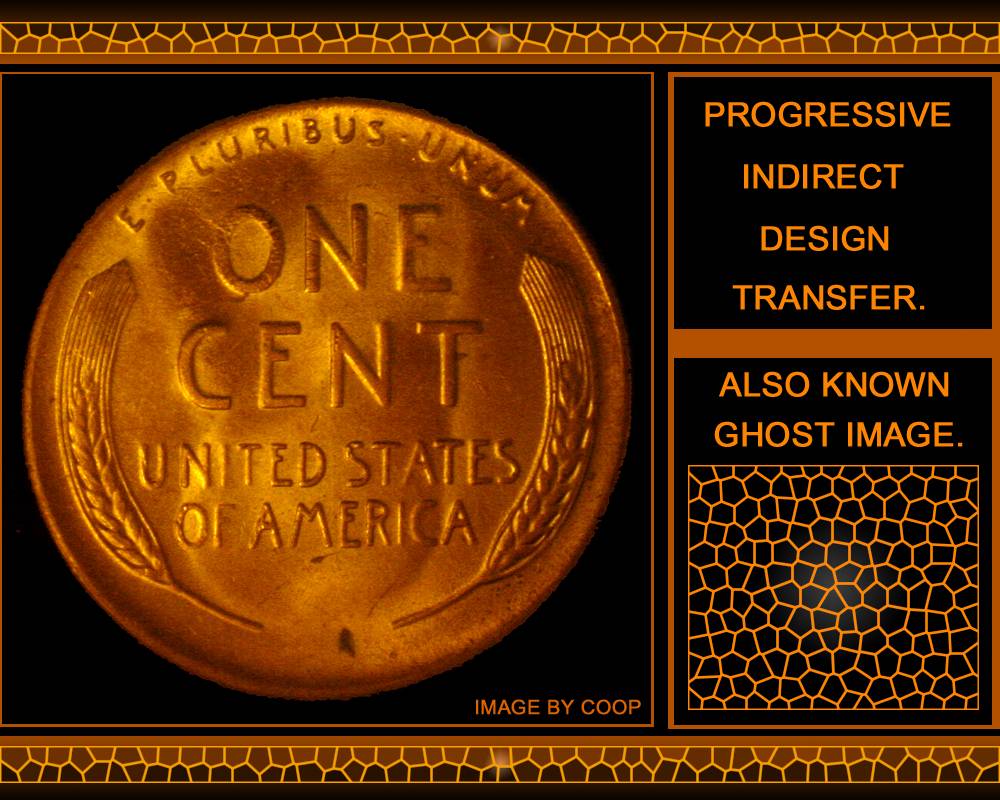 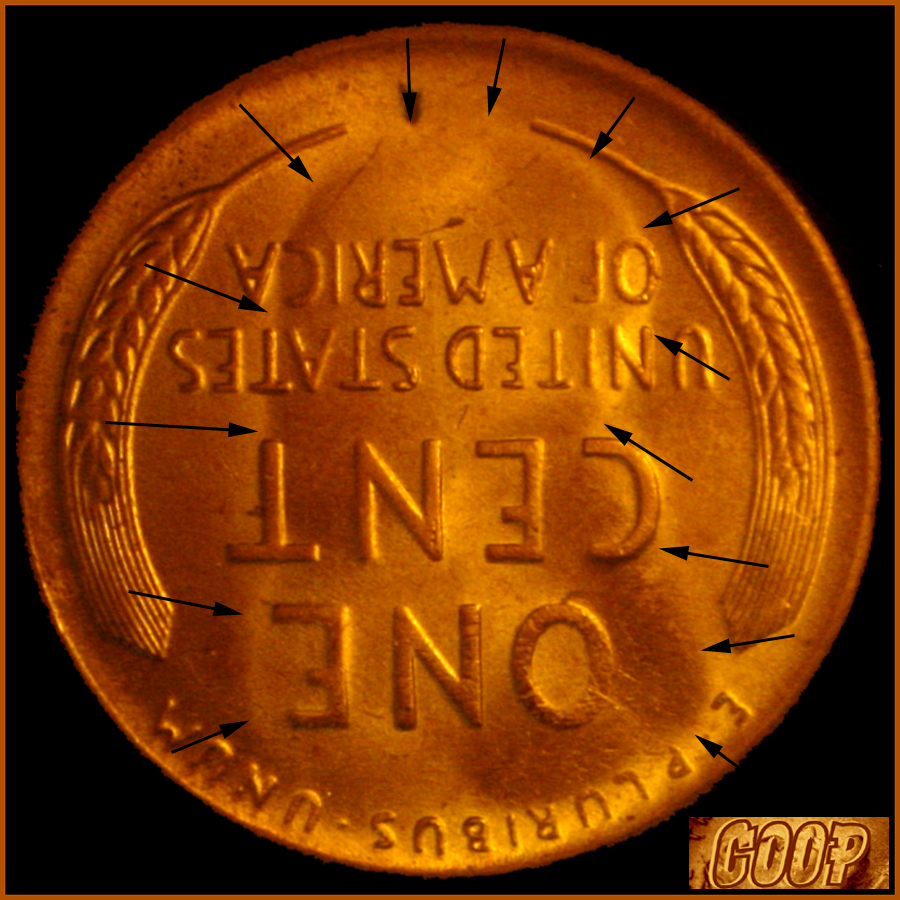 Also seen on Memorial cents: 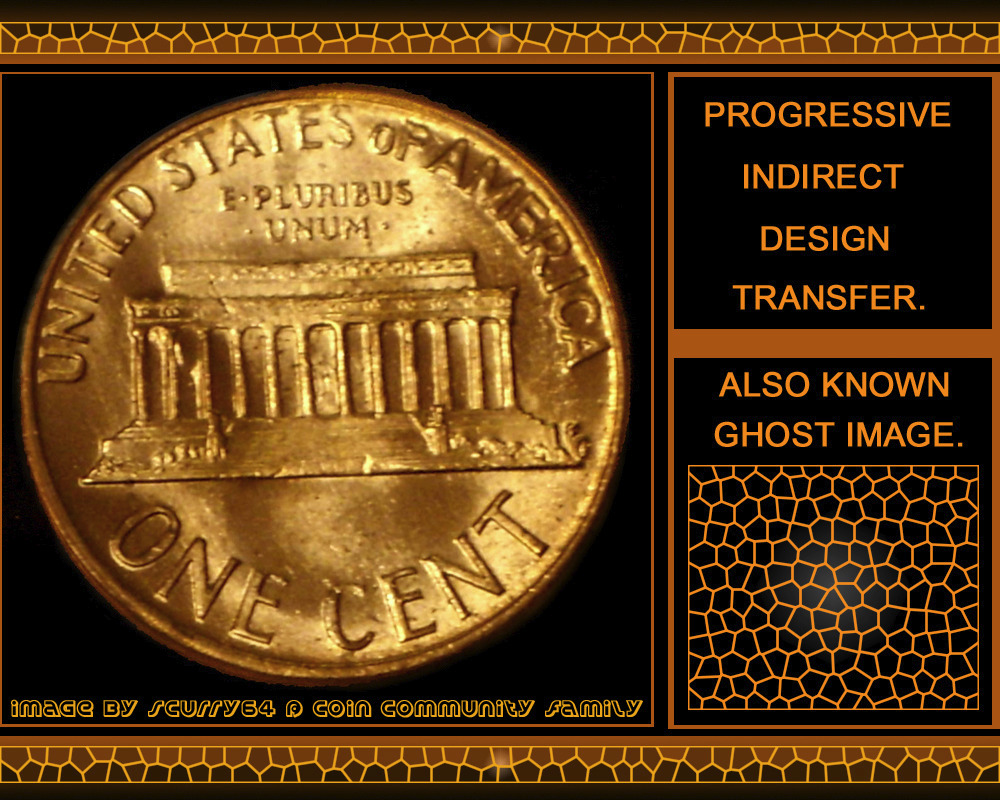 |
|
Pillar of the Community
United States
1781 Posts |
Here is how Alan Herbert described it many years ago in his book, The Official Price Guide To Mint Errors:
Heavy die transfer: When a die nears the end of its usefulness, often it exhibits the major central design of its opposing mate. This design is transferred from one die to the other through the striking of the coin metal. Alan Herbert gives this illustration: "The best example I can offer of this phenomenon is the toy which you've all seen which has five or six metal balls hanging in a row, touching each other. When you pull back the end ball and allow it to strike the row, it causes the ball at the far end to swing away from its neighbor. The same thing occurs with design transfer, the outline of the design being transferred from one die to the other." (Alan Herbert, Minting Varieties and Errors, fifth edition, New York: House of Collectibles, 1991, page 158). This variety is fairly common on the early wheat cents. It is often called the "ghost of Lincoln." The technical term for this is IMPD (Internal Metal Displacement Phenomenon).
|
|
Pillar of the Community
United States
3463 Posts |
Very interesting. I understand it better after that explanation.
|
|
Pillar of the Community
United States
1781 Posts |
|
|
Pillar of the Community
United States
5964 Posts |
Yes, very common- on wheatbacks, mercurys, old Jeffersons, etc. As Kid so aptly stated it, " Common but cool." Give me a minute and I'll show one not so common, as it is a Jefferson of recent vintage.
|
|
Pillar of the Community
United States
5964 Posts |
|
|
Pillar of the Community
United States
4963 Posts |
Edited by Numisma
06/01/2015 01:51 am
|
|
Bedrock of the Community
United States
62064 Posts |
It is called a Newton's cradle: 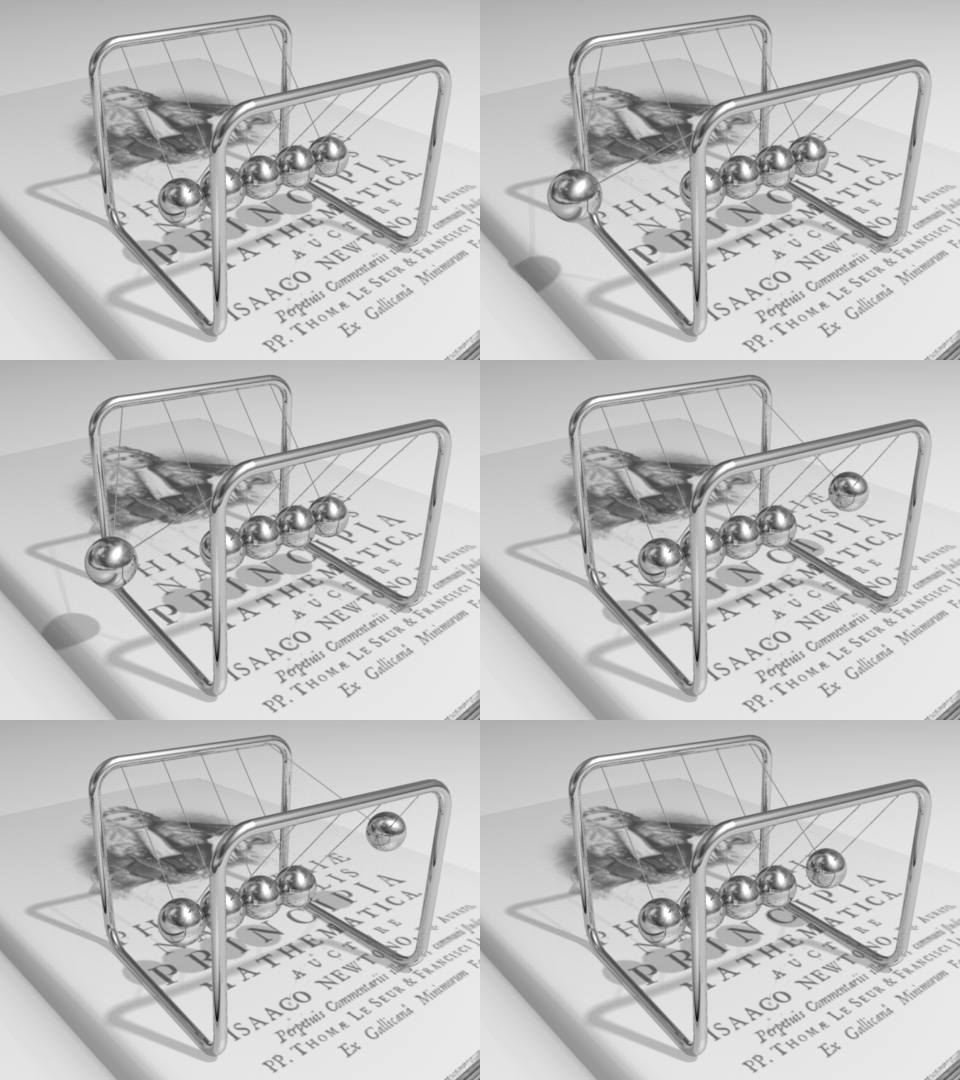 |
| |
Replies: 17 / Views: 7,663 |





 Posted 05/30/2015 10:22 pm