| Author |
 Replies: 17 / Views: 3,661 Replies: 17 / Views: 3,661 |
|
Pillar of the Community
United States
1273 Posts |
hi, I know I've posted a few times about using acetone and verdicare but I think I'm finally ready to try it. I have a 13-s Penny and some V and Buffalo nickels I'd like to "fix". I have some common wheats to test on first. Where is the best guide to using these products? I really hate verdigris, as mentioned I found a 13-s Penny yesterday and of course it had green spots! Thanks in advance. |
|
|
|
Pillar of the Community
 United States
5828 Posts |
You found a 1913 S LWC? Good work  I've never used verdicare, but it sounds like your 13S has PVC damage. PVC damage can be removed by using acetone. Here are the steps: 1. Put the coin in a cup 2. Pour acetone into the cup 3. Let sit for hours 4. Enjoy At least, I think that's how you do it. |
|
Pillar of the Community
United States
7376 Posts |
Verdicare instructions are online, just search it.
|
|
Pillar of the Community
 United States
1273 Posts |
I did see some instructions for verdicare but how does that tie in with acetone? Do I do acetone first? How do I fish the coin back out and dispose of the acetone properly?
|
|
Rest in Peace
United States
4078 Posts |
With pure acetone be aware of the safety issues. It is a highly flammable product.
I use a glass jar with a lid.
The first soak could be hours or more just keep checking on the progress.
The second soak should be a different batch of acetone in a clean jar.This is the rinse step and important.
Do some before and after pictures for us.
Good luck.
|
|
Rest in Peace
United States
4078 Posts |
Do the acetone first then the VerdiCare. The acetone does not affect my skin but it may you. I just pluck the coin out dump the acetone on some rocks outside.
Acetone has a high evaporation rate.
Edited by bpoc1
06/06/2015 12:52 pm
|
|
Bedrock of the Community
United States
20042 Posts |
Lincoln Cent Lover!VERDI-CARE™ INVENTOR https://verdi.care/
|
|
Bedrock of the Community
United States
94367 Posts |
Something to try first is plain olive oil, pushing gently at the verdigris with a wood toothpick. I've had a lot of success using this.
|
|
Bedrock of the Community
United States
20042 Posts |
Lincoln Cent Lover!VERDI-CARE™ INVENTOR https://verdi.care/
|
|
Moderator
 United States
195559 Posts |
Quote:
Personally, I can't stand olive oil...best left for salads!  |
|
Valued Member
United States
430 Posts |
oil makes it impossible to use acetone. leaves an tough barrier for any "conservation". Do I clean my coins? you be the judge. before acetone 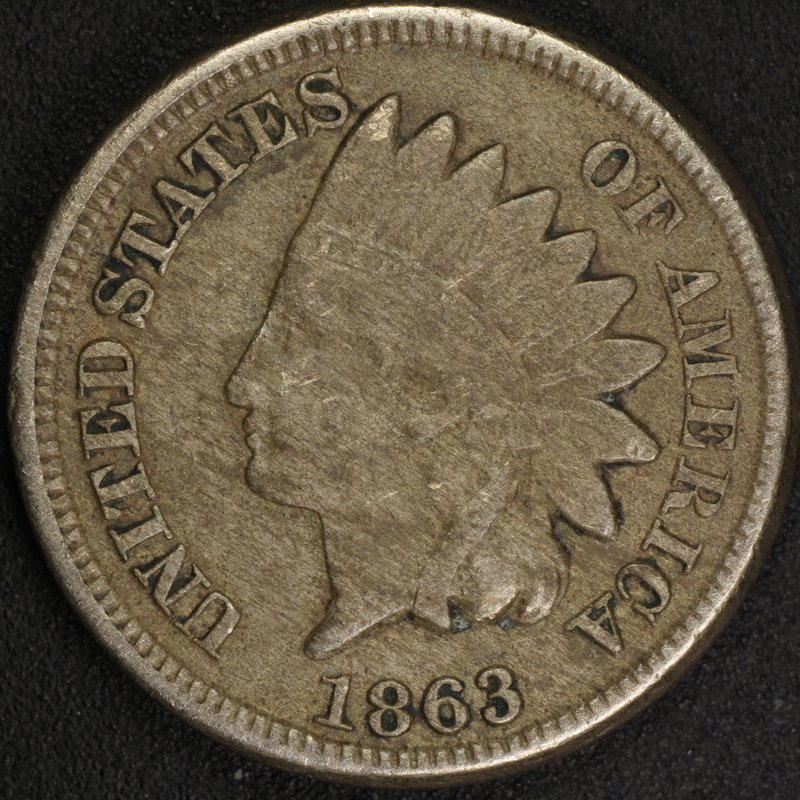 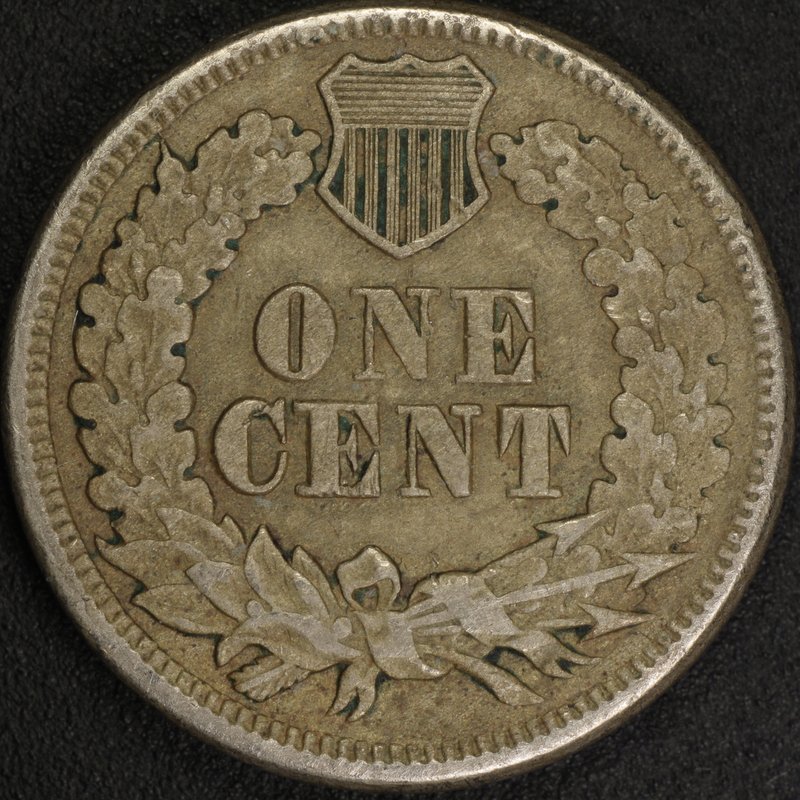 After 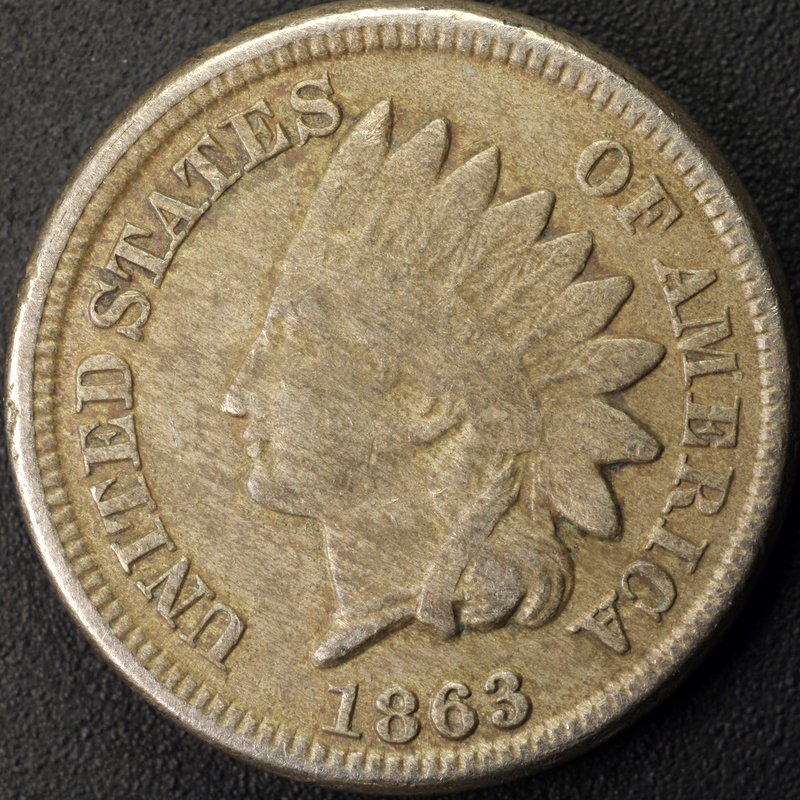 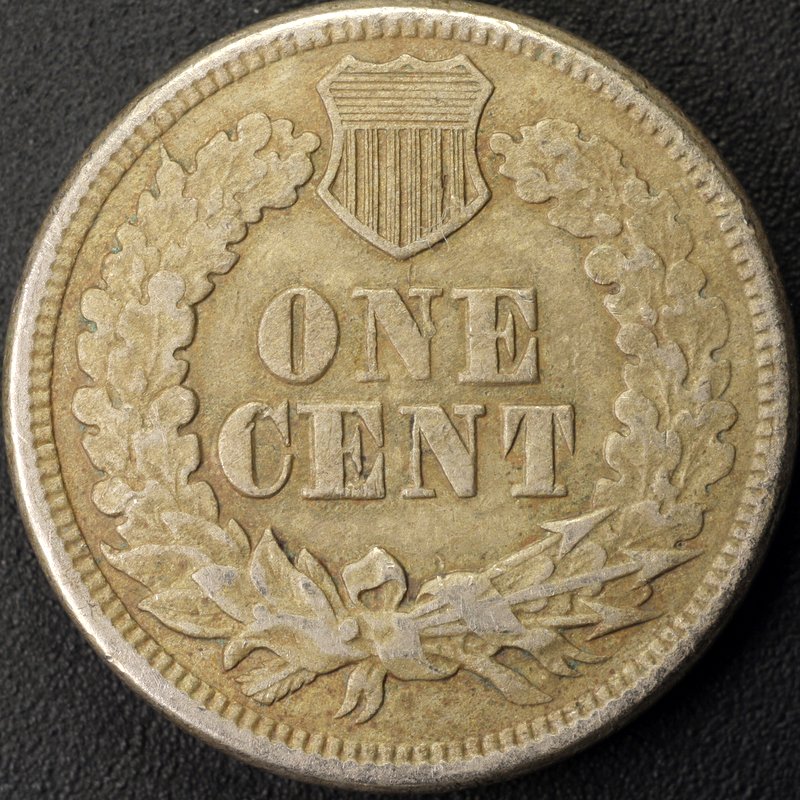 |
|
Valued Member
United States
430 Posts |
this was aggressive acetone. Bath, Ultrasound, sable brush.
|
|
Moderator
United States
23522 Posts |
Quote:
oil makes it impossible to use acetone. leaves an tough barrier for any "conservation". Acetone is an organic solvent which would instantly strip any olive oil residue off a coin. You don't use olive oil because it's an acid, plain and simple. And honestly? Yeah, that 1863 looks cleaned. The surfaces have plainly been ameliorated. Acetone and Verdi-Care are two entirely different animals, for two entirely different purposes. The former is only for PVC plasticizer contamination, the latter for verdigris. Uses of each above and beyond that fall into the "am I cleaning this coin?" grey area. According to Thad - who should know - Verdi-Care will also handle PVC but given the usage method acetone (or xylene) is the better tool as it's far cheaper. So the only way to help you, sa330206, is to know what problems you face with your coins - PVC or verdigris? They look similar. What needs fixed? |
|
Pillar of the Community
United States
1273 Posts |
How do I tell the difference in PVC and verdigris damage? Also I am on a well so do I need to buy distiller water to rinse with after getting the coin out of the acetone or will my tap water be ok? I wish I could post pictures but my iPhone ones never turn out. I probably have 1000+ wheats and some nickels that have some sort of "green" damage. Obviously I can't fix them all but I can test on 40s or 50s wheats before attempting a fix on my 13-s. Thanks!
|
|
Bedrock of the Community
United States
20042 Posts |
Quote:
Acetone is an organic solvent which would instantly strip any olive oil residue off a coin. Actually, oils are only partially soluble in acetone (polar organic solvent). The best choice for oil removal is xylene since it's a non-polar solvent (oils are non-polar, like dissolves like). Lincoln Cent Lover!VERDI-CARE™ INVENTOR https://verdi.care/
|
|
Bedrock of the Community
United States
20042 Posts |
Quote:
How do I tell the difference in PVC and verdigris damage? PVC damage is the result of storing coins in PVC holders which degrade over time releasing hydrochloric acid (HCl) in a gummy, polymeric matrix. The HCl reacts with copper in the coin producing verdigris mixed in with the residue (that's why PVC residue is green). If your coins have not been stored in a PVC type holder, then you do not have it. Simple verdigris is generally a dry-looking, crusty residue and is the most common type of corrosion problem. It forms simply with the exposure to air. Chances are this is what you're seeing on your coins. |
| |
Replies: 17 / Views: 3,661 |







 Posted 06/06/2015 11:56 am





