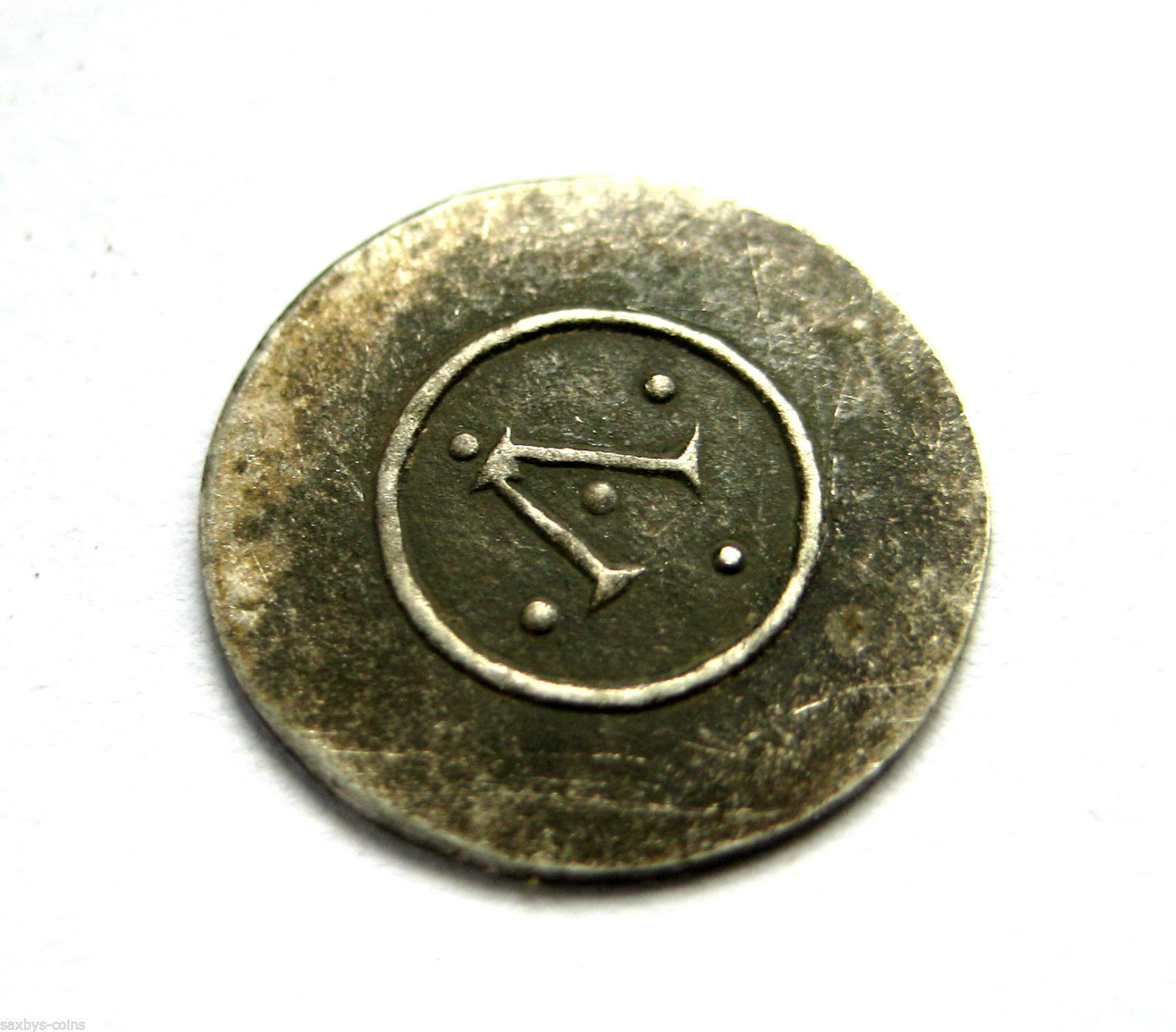
I assume the side with the large-A-in-circle is based on one of
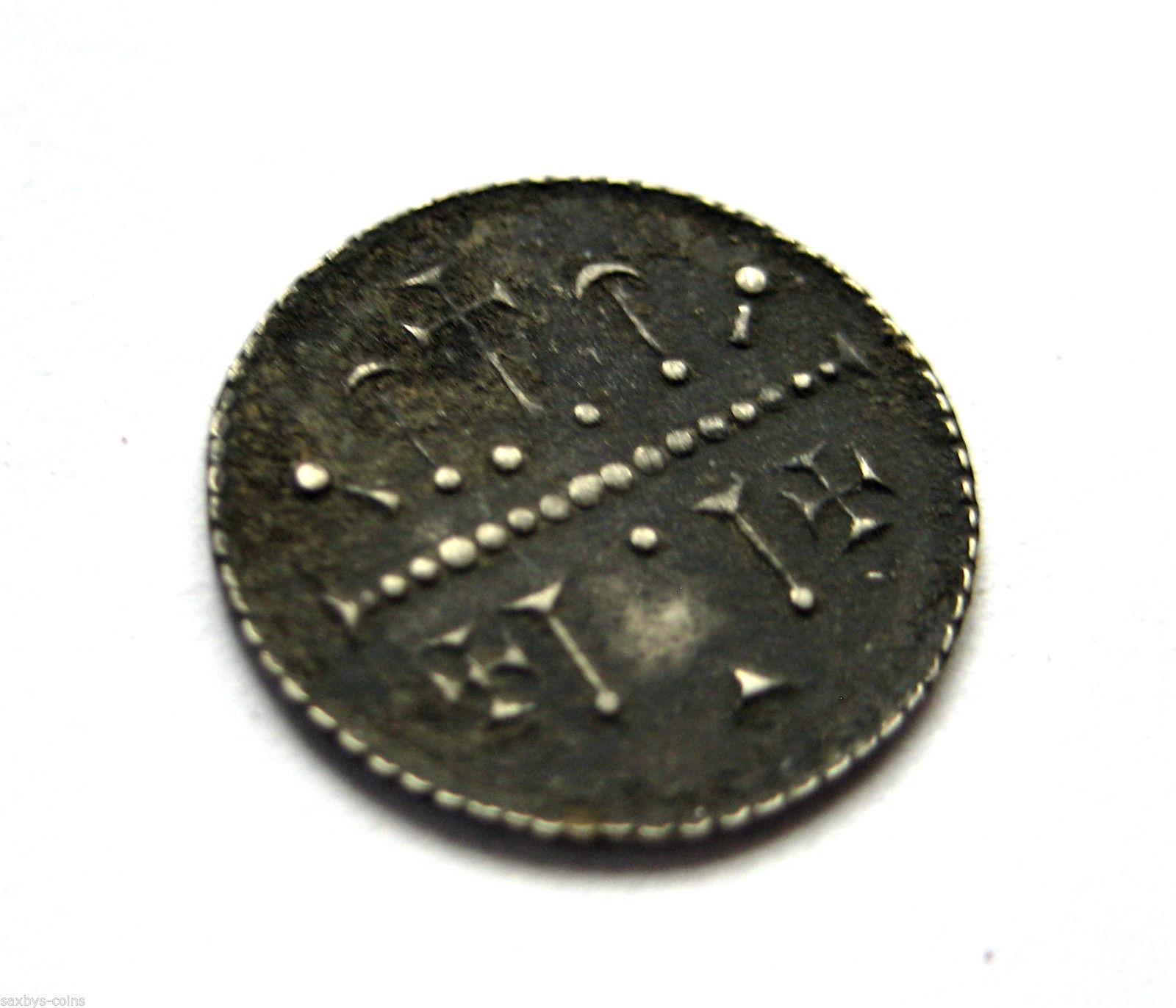
these Anglo-Viking coins, while the other side is based on an inscription-in-two-lines type coin such as one of
these. But two anachronisms stand out to me: this piece looks machine-made, and to the best of my knowledge the central t-shaped cross never featured on early English coins; early crosses were always +-shaped.
With no maker or inscription, I suspect this one will be hard to try to find other examples of.
Don't say "infinitely" when you mean "very"; otherwise, you'll have no word left when you want to talk about something really infinite. - C. S. Lewis










 Posted 06/15/2015 5:18 pm


 I never even noticed the watermark in the OP's pics!


