| Author |
 Replies: 16 / Views: 2,254 Replies: 16 / Views: 2,254 |
|
Valued Member
United States
134 Posts |
|
|
|
|
Pillar of the Community
United States
2376 Posts |
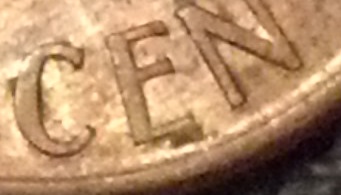
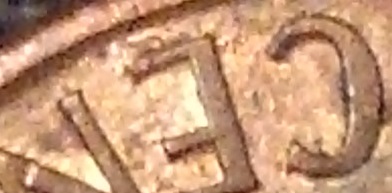
The last photo is showing a die chip or a plating blister on the bottom of the E. The pic is a bit blurry to be sure which. Not a clash
|
|
Valued Member
 United States
134 Posts |
The pics are bad, the only way I can get close shots is to zoom a bit, zoom makes them blurry. Camera will not focus if I try to move it closer.
Before I posted I did poke at it a bit with a toothpick seems solid, not a gas bubble. Looks way different through the loupe than it does in the pics.
|
|
Moderator
 United States
56855 Posts |
I am not seeing a clash. Did you set your camera to macro? John1  |
|
Valued Member
United States
134 Posts |
Through the loupe it appears to be a bold line under the E in cents, the line looks to be about the size of the top of the T in trust and in the right general area for that. However the photos make it look more like a blob of metal, so maybe just a small die chip. Quote:
Did you set your camera to macro? Yes, using the macro setting, and a grey background as per your suggestions in my post in the Photography forum. The pics are getting better with practice, I just can't seem to get the close ones right. |
|
Valued Member
Canada
488 Posts |
|
|
Rest in Peace
United States
17900 Posts |
|
|
Pillar of the Community
United States
2376 Posts |
Were this the T of Trust from a clash event it would show as an incuse feature on your coin. What you see is in relief. It is not a clash of the T.
|
|
Pillar of the Community
 United States
5828 Posts |
I'm saying, no clash. Just a die chip. Keep looking and you'll find one eventually!
|
|
Moderator
United States
56855 Posts |
Under the E in cents looks like maybe zinc rot starting but I see no sign of a clash. John1 |
|
Valued Member
United States
134 Posts |
Quote:
Were this the T of Trust from a clash event it would show as an incuse feature on your coin. What you see is in relief. It is not a clash of the T. Thanks for that explanation stone man, very helpful. They say you can't teach an old dog new tricks, but "they" didn't know THIS old dog would join the CCF!! I'm learning new things ever day.  Edited by SheltieGuy1966
08/06/2015 10:11 am
|
|
Bedrock of the Community
United States
62064 Posts |
Looks like split plating on your coin with zinc rot setting in. Note the same thing on TE on UNITED. 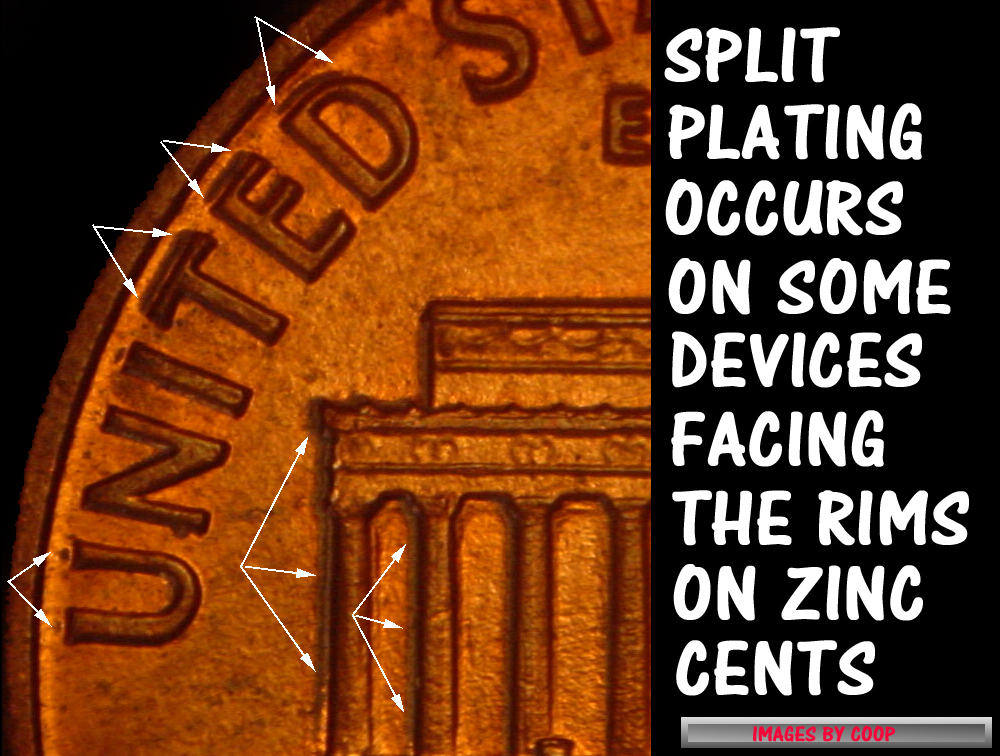 |
|
Valued Member
United States
77 Posts |
Hard for me to see with the photos
|
|
Valued Member
United States
134 Posts |
As I stated earlier in the thread I tested the area with a toothpick and it seemed solid. After reading the opinions in the thread I decided to get a little more aggressive. Got the ol' Buck pocket knife out. Yep it's a plating issue. Thanks to all who posted, it has been a learning experience for me.
So, how does one distinguish a die chip from bubbled plating on a zincoln? Obviously if I find one that might be a decent sized die chip, I will not want to test it with my pocket knife...
|
|
Bedrock of the Community
United States
62064 Posts |
The split plating happens most of the time on the outside edges of the devices. Note the locations on these images: 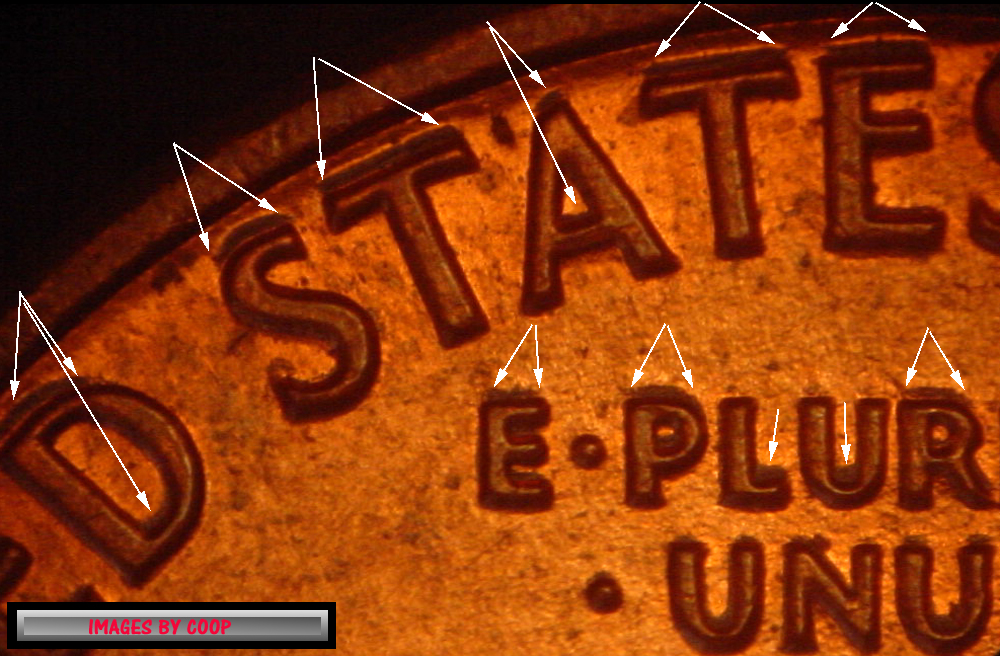 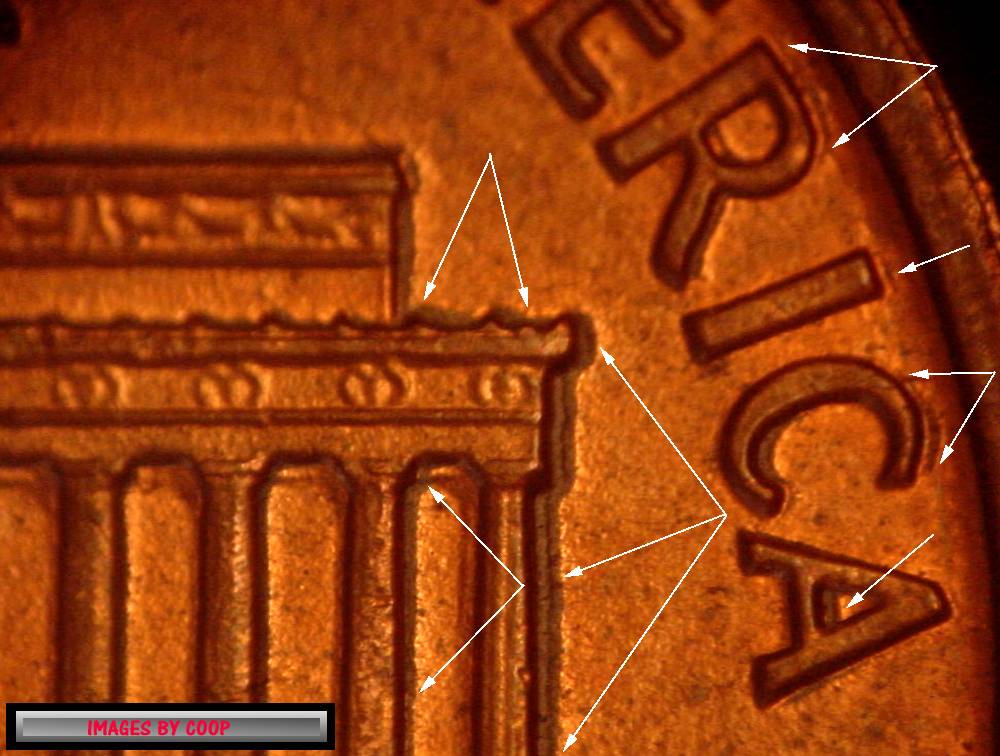 But most often it just affect the outside devices near the rims or the SE corner of the "D" mint mark Zincolns. When it happens on the Mint mark, it seems to follow a pattern: 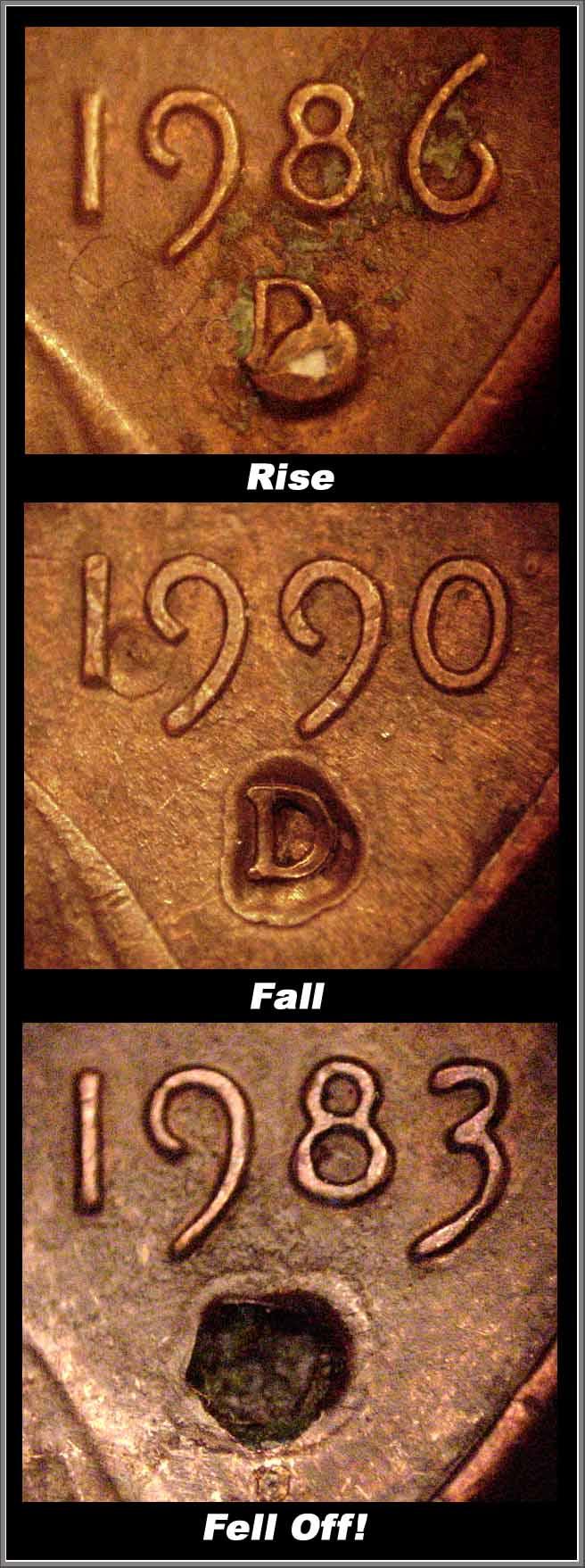 When the air reaches the zinc it start to deteriorate. Like examples above. Sometimes you can find it on the inside part of the mint mark and the plating will curl back making it look like a RPM: 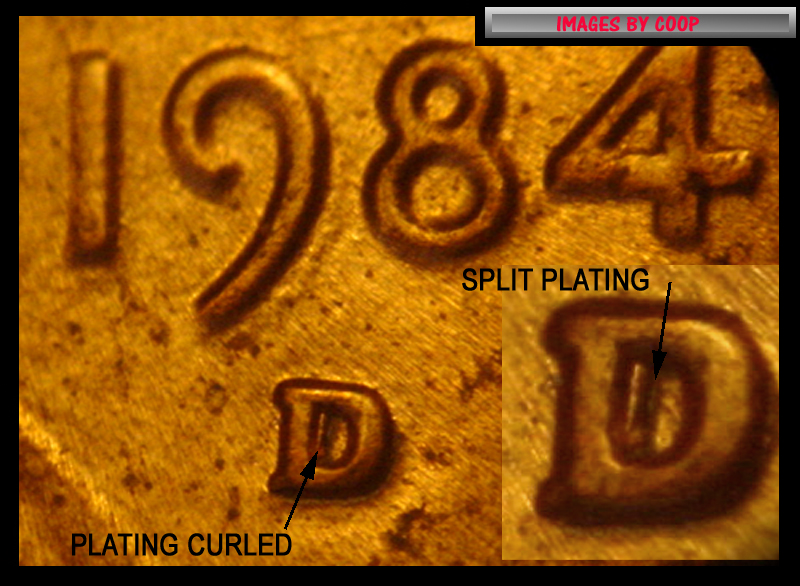 The first clue. Look for thw white/gray color in that area affected. It will be on the outside (usually) part of the devices toward the rim. Hope this helps. |
|
Valued Member
United States
134 Posts |
Quote:
Hope this helps. It certainly does!! Thanks coop, for an excellent tutorial on split plating. Great photos and an explanation that even I can understand. This forum never ceases to amaze me, an excellent group of people here. |
| |
Replies: 16 / Views: 2,254 |










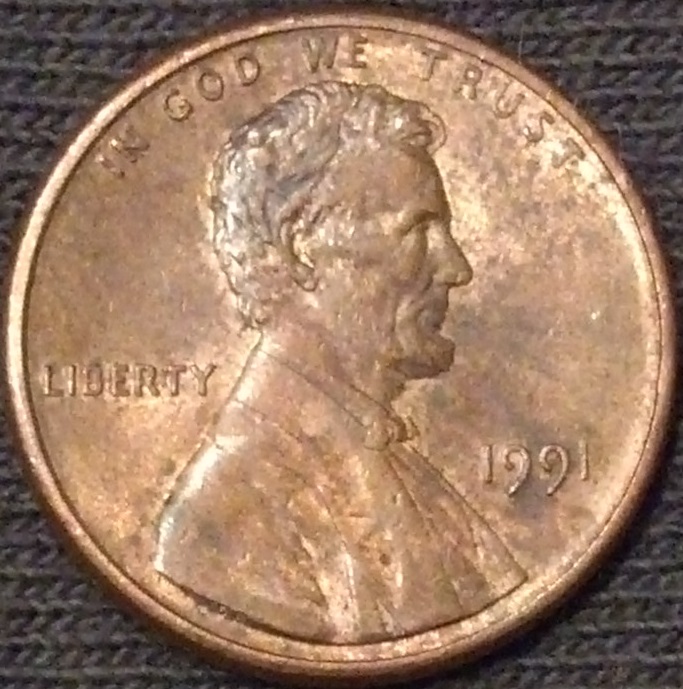
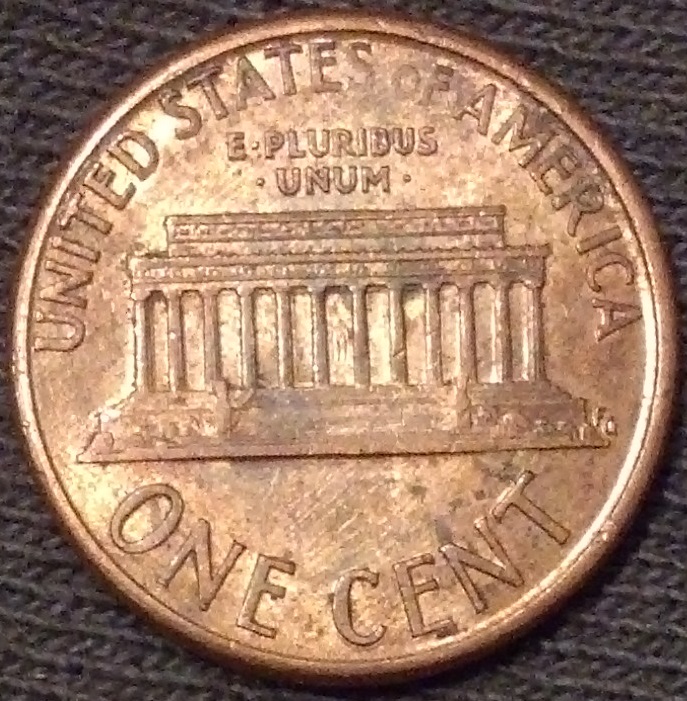


 Posted 08/06/2015 07:29 am


