| Author |
 Replies: 17 / Views: 3,050 Replies: 17 / Views: 3,050 |
|
Pillar of the Community
United States
7390 Posts |
|
|
|
|
Pillar of the Community
United States
3360 Posts |
I had asked the same question and was advised that it is MD.  |
|
Pillar of the Community
United States
6478 Posts |
|
|
Pillar of the Community
 United States
7390 Posts |
Boy pete, we're twinzies! Makes one think  |
|
Bedrock of the Community
United States
62064 Posts |
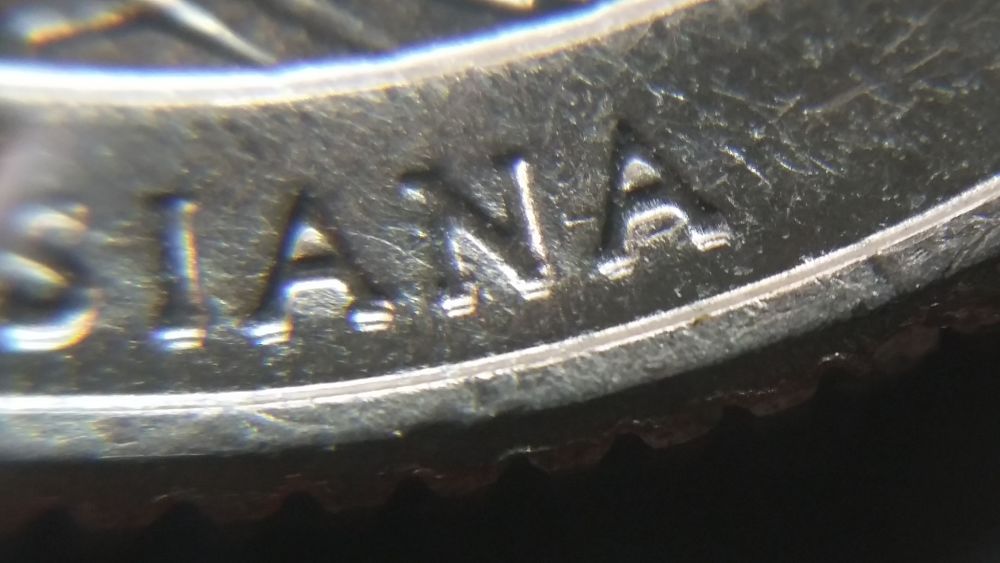
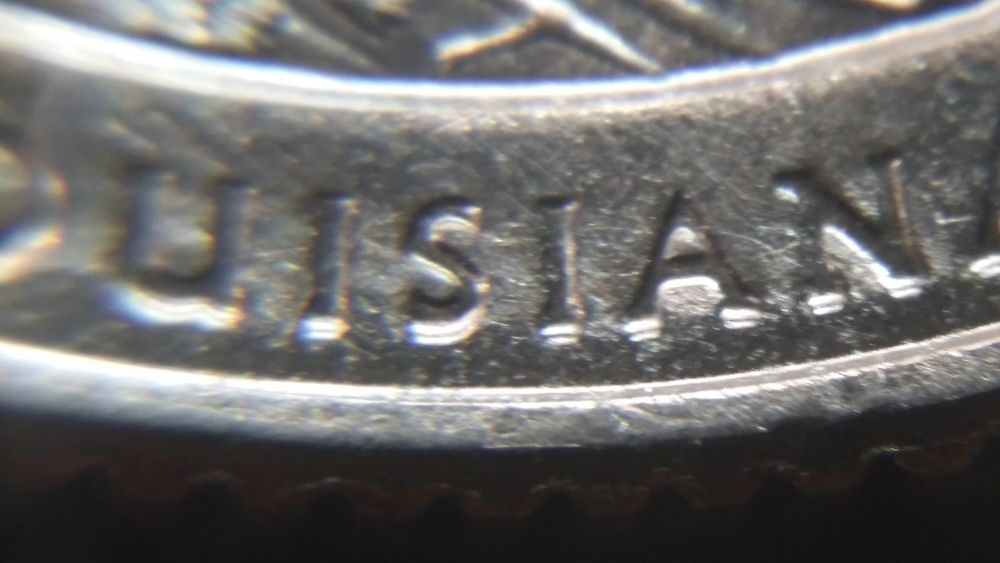
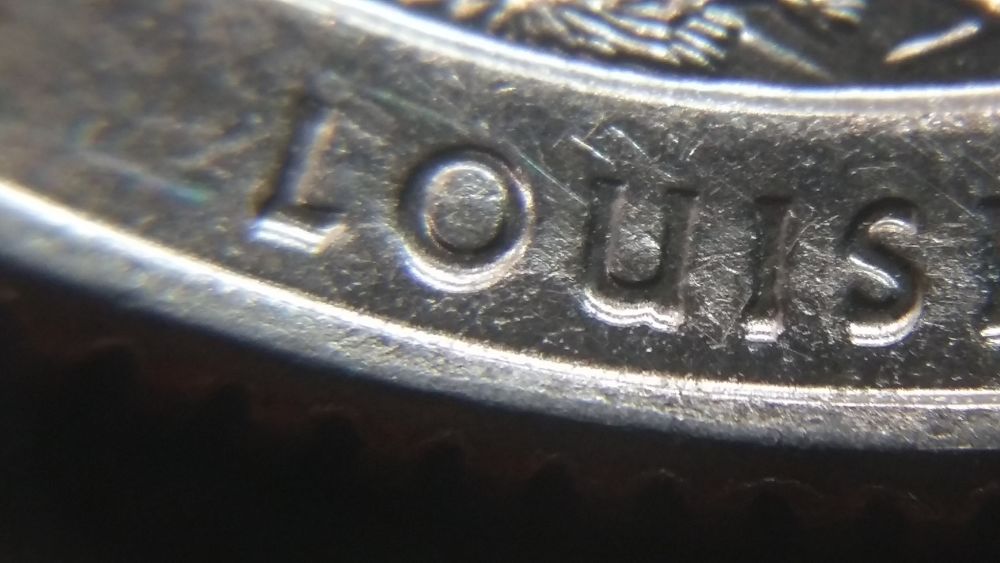
To make an incuse design on a coin, the dies devices has to be raised on the die.  So if the doubling is enlarged on the incuse design, it is machine damage during the strike. If that area was reduced, then it would be hub doubling. (I've yet to see it on a quarter yet) but here is what it looks like on a EPU on a shield cent.   |
|
Pillar of the Community
United States
7390 Posts |
That's pretty clear coop, thanks. That's gotta jump out at you when you see it I assume
|
|
Bedrock of the Community
United States
62064 Posts |
I'm still waiting for a ATB Quarter with hub doubling. I wonder if anyone is checking the homestead ones for doubling on the outside devices? |
|
Valued Member
United States
144 Posts |
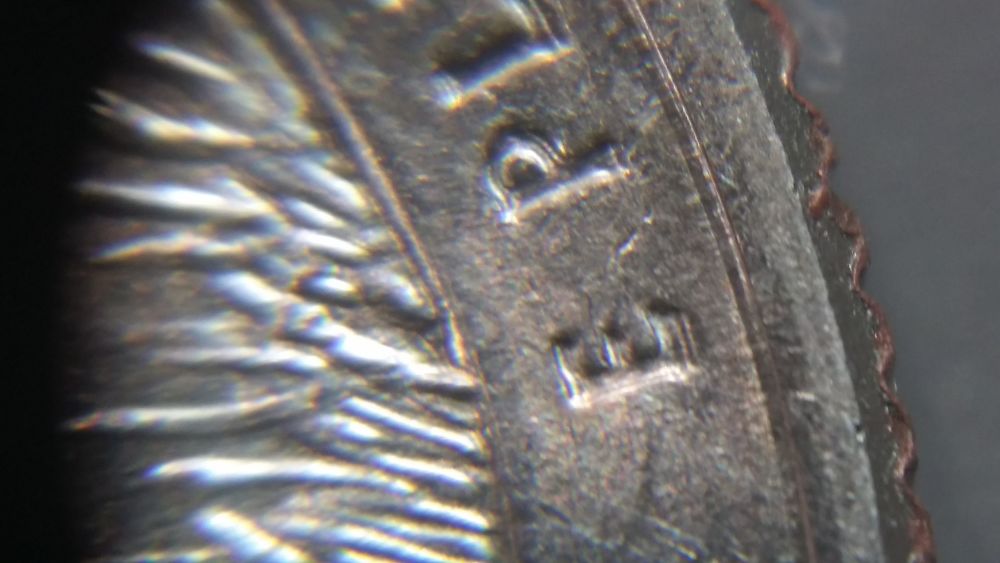
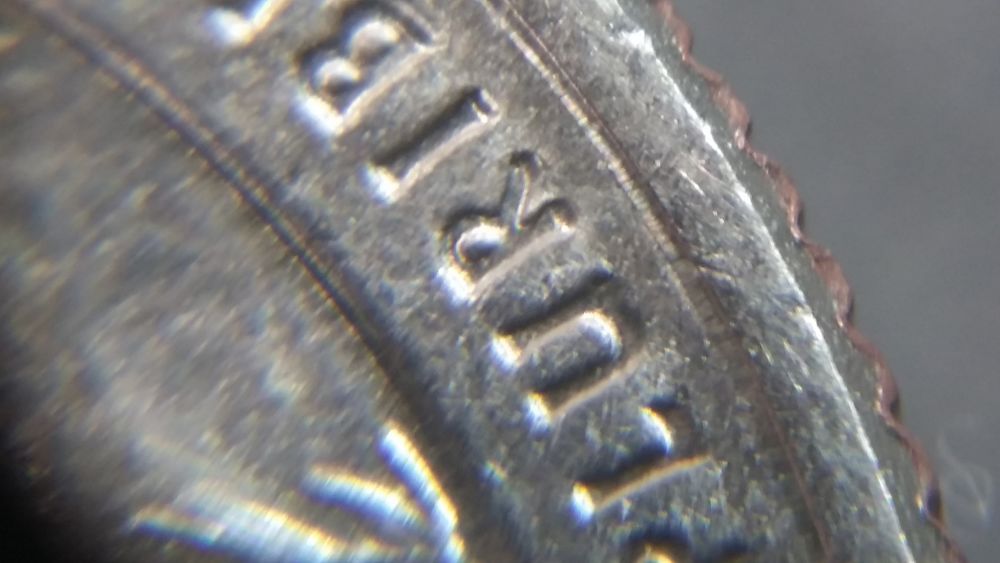
Coop, thank you for that cogent illustrations and explanation. So if that's that case for doubled incuse devices, what accounts for the doubling on the date here (2015-D Homestead). It's "raised" (okay, "raised looking," being incuse) and it's notched, as well. 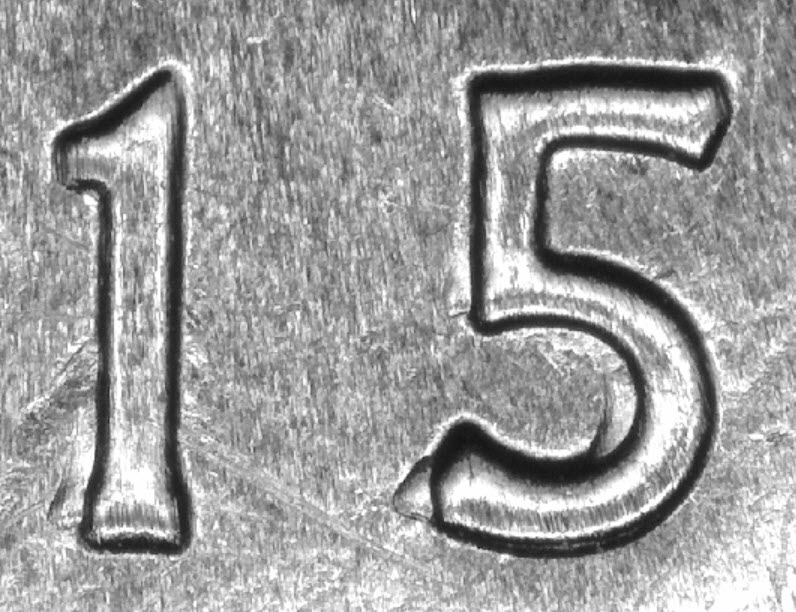 On the same coin, there's also a curious notching on the M and E of HOMESTEAD: 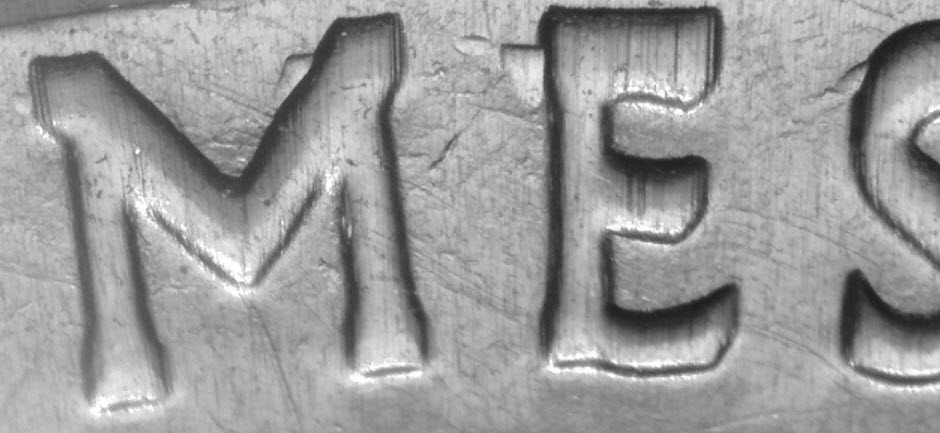 Your thoughts, please? Thanks in advance. :) Edited by profiler
08/12/2015 12:39 am
|
|
Bedrock of the Community
United States
62064 Posts |
It is raised because of the raised die devices. This is from the die moving during the strike creating what you are seeing. The machine must have been very loose. All this happened during one strike. The die is normal, but the die movement created the enlarged appearance.
|
|
Pillar of the Community
United States
3360 Posts |
Quote:
It is raised because of the raised die devices Don't raised devices on the die produce incuse devices on the coin? The offset of the "doubling" on the date looks different than that on the letters to me.... |
|
Valued Member
United States
144 Posts |
Coop, thank you that clarification. Pete, I agree with what you are saying: The offset issue was a bit hard for me to grasp, despite the great explanation and illustrations. I've been trying to get a better understanding of it this morning and found this earlier post, again from Coop, that's helping me see this more clearly now: https://goccf.com/t/227708Also found this explanation from article by Mike Diamond: http://www.coinworld.com/insights/v...machin.html#Great stuff, Coop. Thanks again for the lesson. Edited by profiler
08/12/2015 12:32 pm
|
|
Valued Member
United States
144 Posts |
Coop, one last question on this, please: If an incuse device is reduced in size, such as in the date here on another 2015 Homestead, how do we reasonably ascertain that it's doubling and not die wear, etc. ? I now understand the concept you illustrated and see it in your examples, but what are some of the clues to look for to rule out other non-doubling issues? Thanks in advance. :) 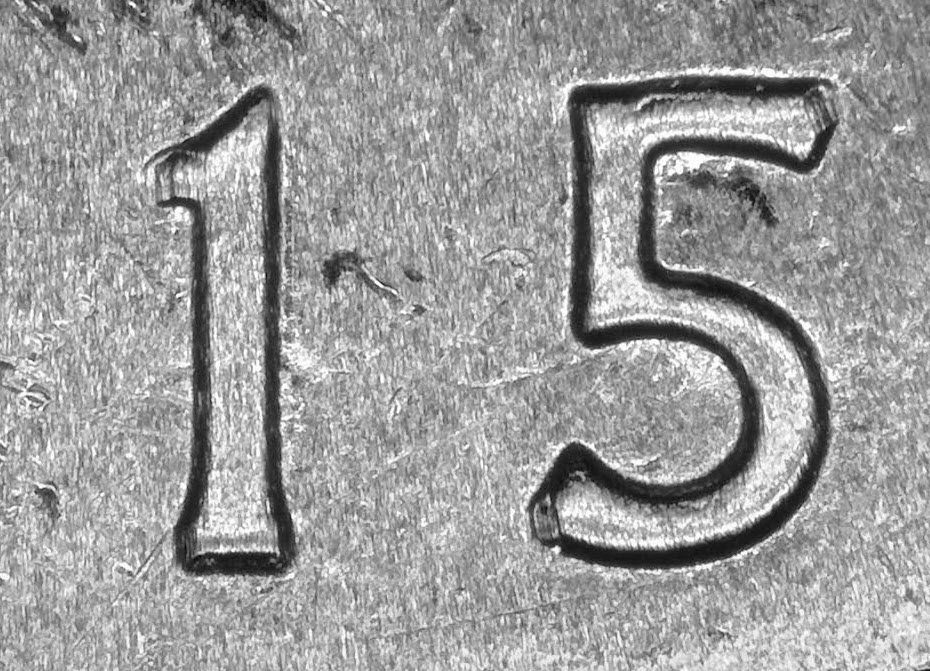 Edited by profiler
08/12/2015 5:12 pm
|
|
Bedrock of the Community
United States
62064 Posts |
One way to tell is a side by side. If the digit is larger on incuse devices then they are machine damaged. (which also includes the 1/2 depth ones. The bounce during after the strike moved the die and devices are enlarged. Here is what a side by side would look like: 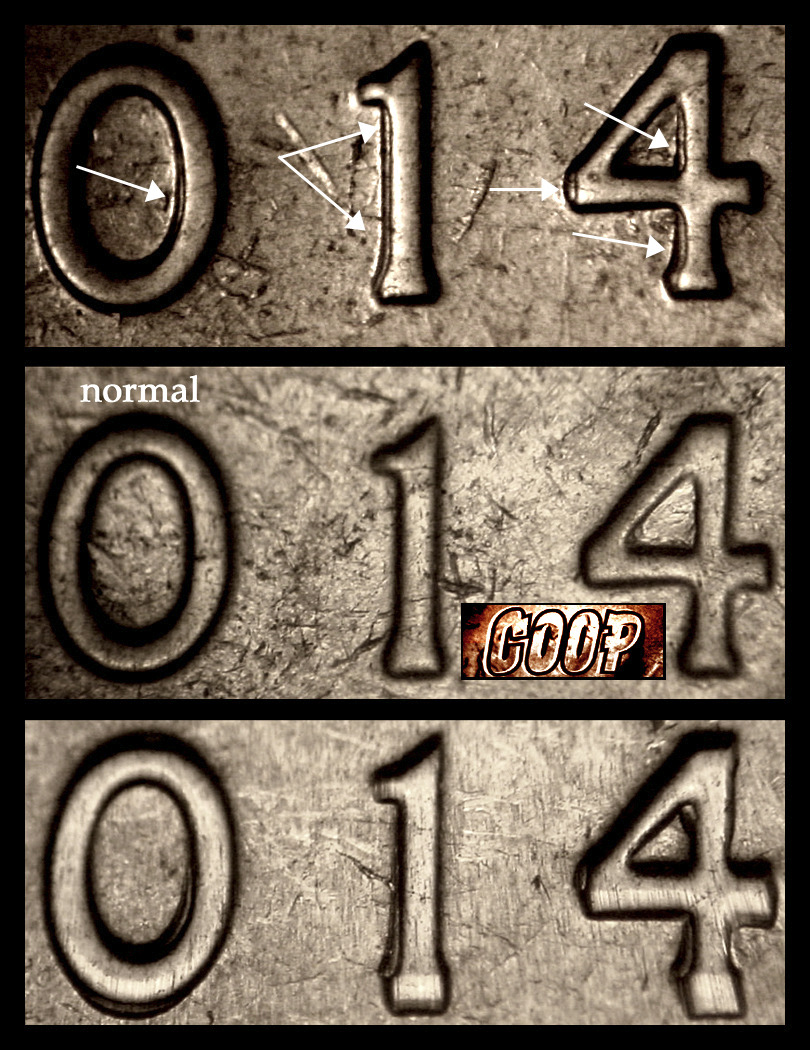 If the incuse devices were hub doubled, then the devices would be shorter/narrowed from the normal coin image. How do I know this. Again back to the images above. Note how the devices on the hub doubled EPU are reduced in size: 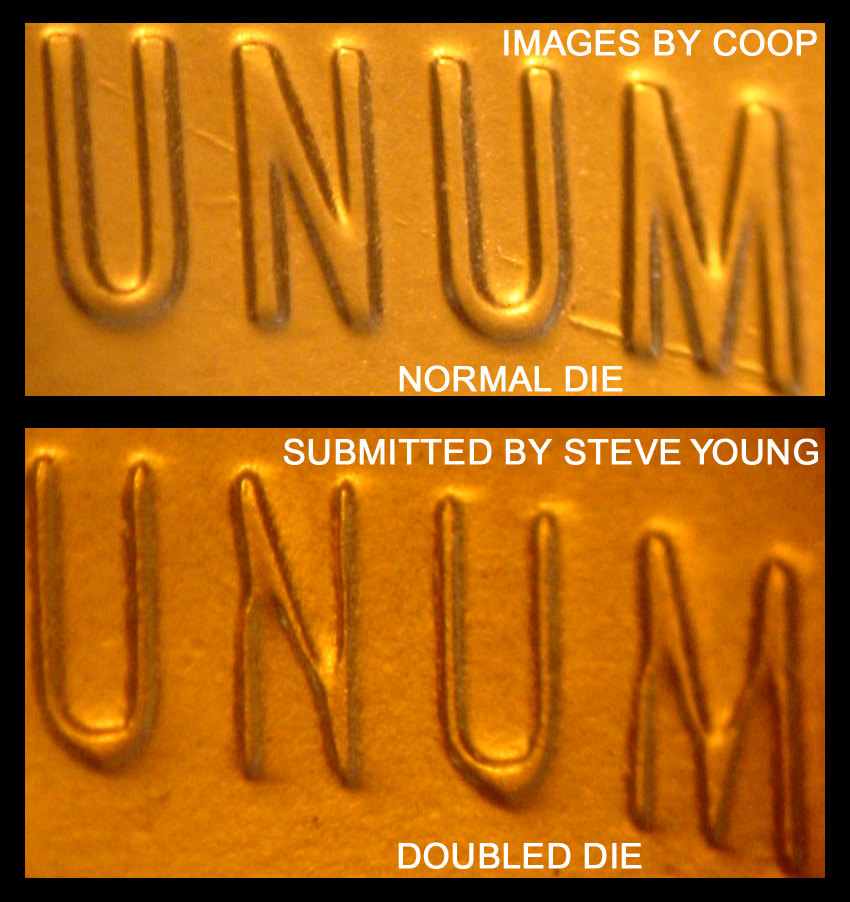 The raised devices on the same coin are enlarged on the hub doubled examples:  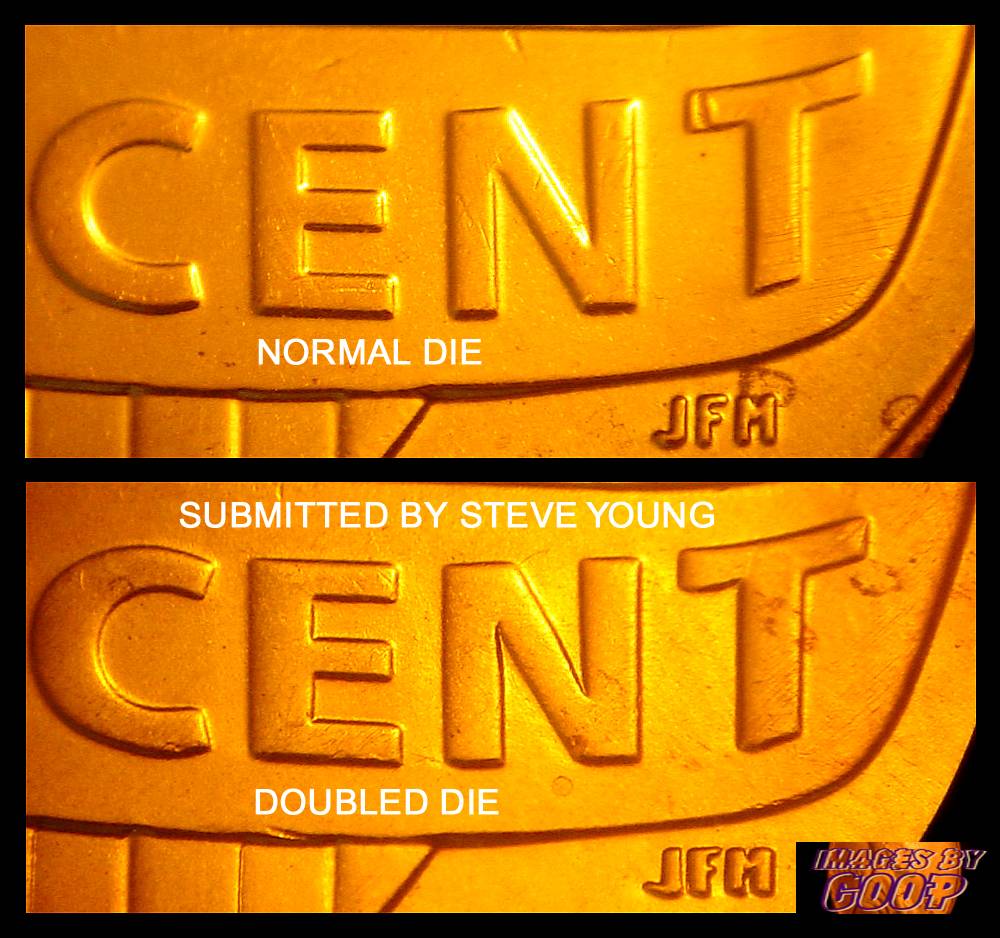 Note the difference between the normal and the hub doubled. Now what I'm looking for is the devices in the outer ring of the quarter to show reduction in size than a normal sized devices. That is what I need to find. It maybe on the known Homestead quarters and no one knows to look yet. that is what I'm hoping someone will post here. |
|
Valued Member
United States
144 Posts |
Ok, I think I'm 98.5% there now. :) Sounds like what you're saying and what I'm seeing in your awesome illustrations is that are uniformly reduced in size, and not necessarily notched like we would think about raised devices. I think part of my initial trouble in conceptualizing this was going from master hub, master die, working hub, to working die then saying, "Oh, wait: I have to flip ALL of that." So in the same regard, when there's extreme die wear and a raised letter that had a chip on the working die would increase to some dimension, on incuse letters they will be reduced, as well. I think this 2015-P Homestead, near die death, illustrates that on the letter O there. Is that correct? Thanks again, Coop. I think I'm 99.9% there now... :) 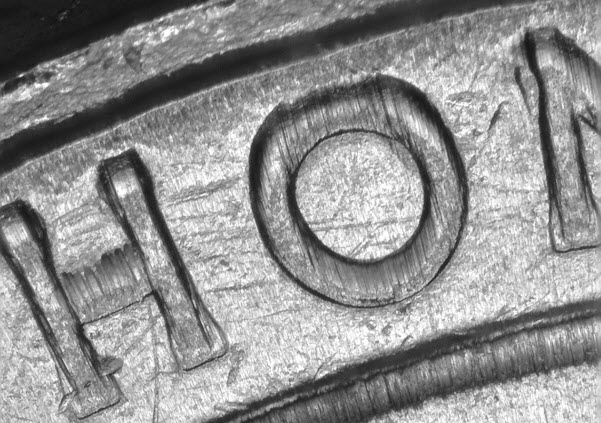 |
|
Bedrock of the Community
United States
62064 Posts |
The image you posted is showing heavy die wear. (that still flows to the rim) Note the flow lines on the devices areas that are in the direction toward the rim. We see these lines on your image. So that die is showing wear on the raised devices on the die, transferred incuse on those devices. But as for a chip. That is a new thought? But I am assuming that it would be the same as a chipped hub that transferred the device to a die. It would be the same affect. But were are familiar with this situation, but may not remember it. 1. Case in point. This happened on the 1956-D dies. It is noticed on the bottom of the 6 in the date. http://www.coppercoins.com/lincoln/...ie_state=ldsNote on the bottom of the 6 the unformed device. 2. Here is another one. 1983-D with a chipped hub on LIBERTY: 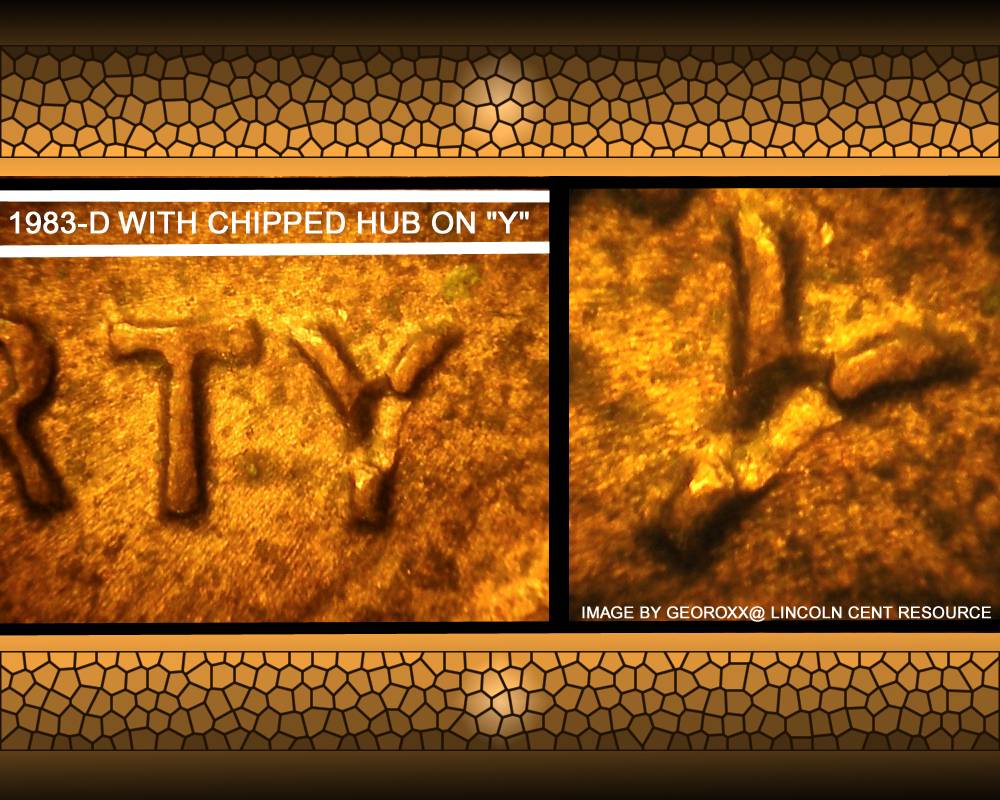 Note the unformed area in the center of the device. The hub had a chipped out area there, transferred it to the die (looked like a chip on the die) then the coins struck with the same missing area of LIBERTY. 3. 1936 also had a broken hub on the "R" in LIBERTY. You can see this on many dies and some are even stronger because the die must have crumbled away making new dies. 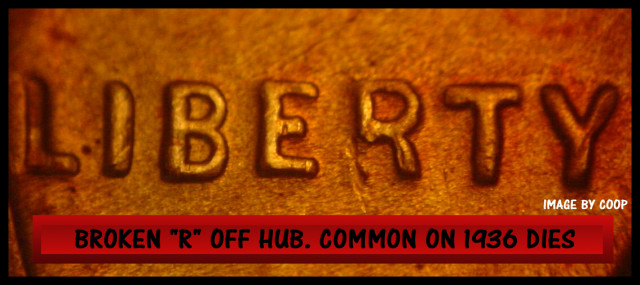 Note the missing area on the "R". Okay, what does this have to do about the price of tea in China? If the die with the raised devices chipped off, then it would not form that area of the device and would show a raised area on an incuse device. (Another thing I don't have an image of yet) But I thiank you for that question. It made me think a bit. Added: I just remembered I do have images of a chipped incuse device. It is on a quarter: 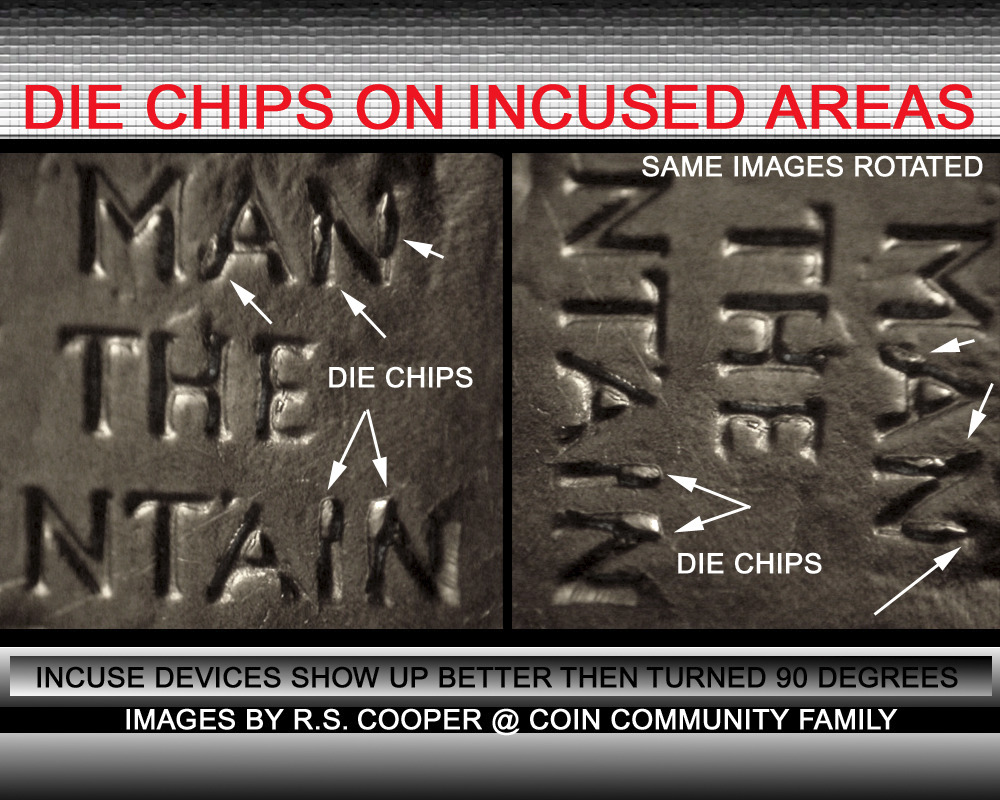 The chipped die left a raised area on the incuse devices. Edited by coop
08/12/2015 6:58 pm
|
|
Pillar of the Community
United States
7390 Posts |
Profiler, as I'm the op and the original topic is closed it's OK this time but we (ccf) consider this to be highjacking a thread and is frowned upon. Seperate threads are what it's all about at ccf. This thread can play out though  |
| |
Replies: 17 / Views: 3,050 |








 Posted 08/07/2015 4:18 pm





