| Author |
 Replies: 32 / Views: 9,979 Replies: 32 / Views: 9,979 |
|
Valued Member
United States
193 Posts |
|
|
|
|
Pillar of the Community
United States
740 Posts |
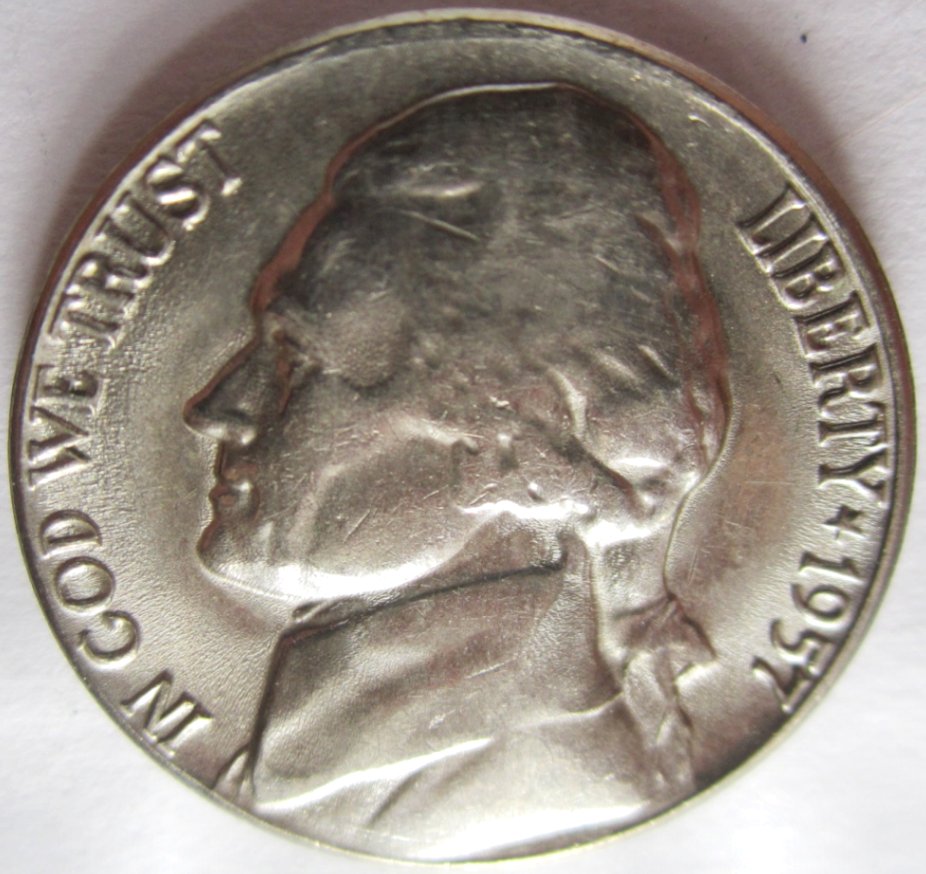
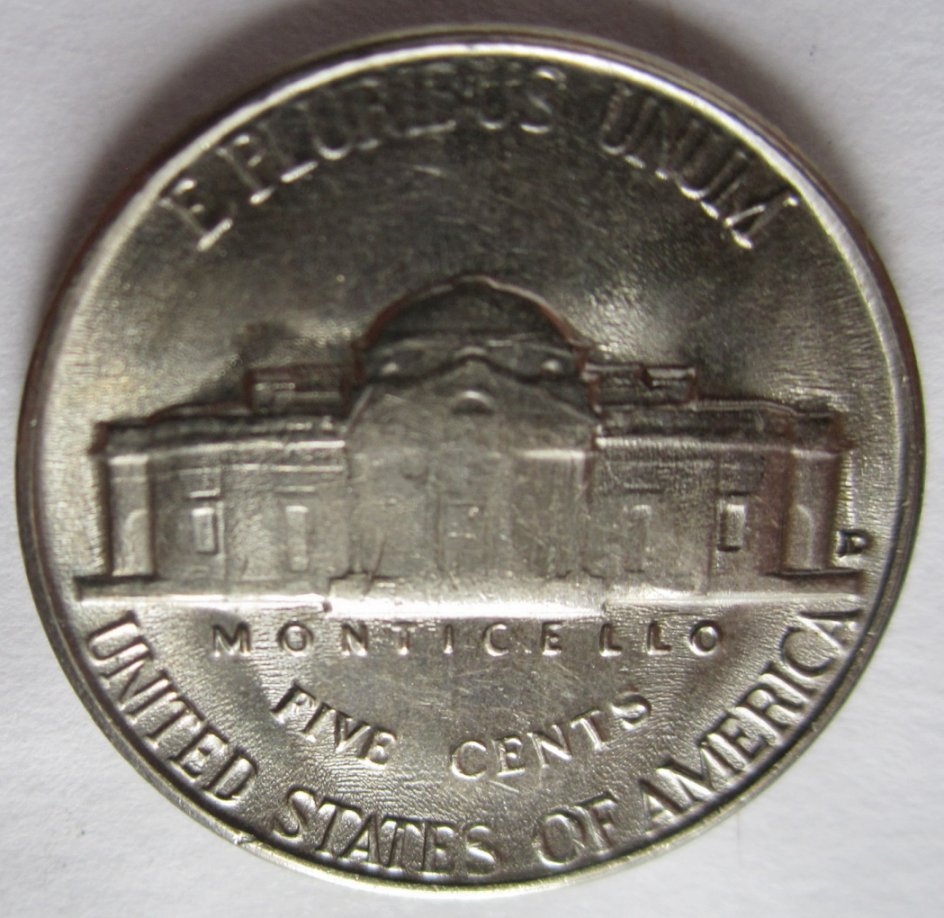
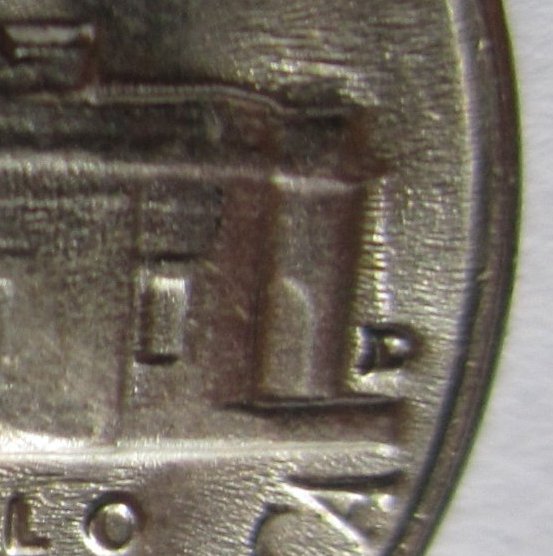
I've posted a similar coin in the past. This coin is VLDS (Very Late Die State), notice the frostiness. I've seen many coins with this "line" near the mint mark. These coins have been struck by a die that most likely suffered clashes that have been polished off, as you can see on the reverse the shape of Jefferson. All signs of doubling will also be the result of die cleaning/polishing.
|
|
Pillar of the Community
United States
4809 Posts |
Late die state with a crack. Pretty common for a 50s die. The obverse die looks to be in better shape with fewer flow lines (but also LDS/VLDS). It may be that they paired up dies on their last legs to squeeze out a few more nickels, pardon the pun!
|
|
Pillar of the Community
United States
3362 Posts |
Looks like there are a couple of shallow valleys on the reverse below the Monticello. Is that from over polishing? One of them is more prominent, from beside the M down to the bottom of F.
|
|
Pillar of the Community
United States
4809 Posts |
I've never attempted to profile a surface of a coin like this for flatness, but I suspect you are right Pete. On these LDS/VLDS specimens the flow of material once it 'liquefied' becomes more obvious. The ripples show the struggle to flow the material. Loss of detail is the result (to my knowledge) of over-polishing/tool maintenance and die wash. Deterioration is inevitable.
|
|
Valued Member
United States
144 Posts |
The "valleys" there might be PIDT, Progressive Indirect Die Transfer. It's a form of Die Deterioration that transfers the design outlines, usually the large centrally-located design elements, from one die to another. Although it more typically occurs on thinner planchets, the area you are referring to with the valleys is likely Jefferson's bust. You can read more about PIDT here: http://www.error-ref.com/?s=pidt. |
|
Pillar of the Community
United States
3362 Posts |
Quote:
The "valleys" there might be PIDT, Progressive Indirect Die Transfer. I have read the information on PIDT and it appears that it is only seen on the face of the coin which is struck by the anvil die. Is that correct? Am I correct that most coins have the Reverse struck by the anvil die? However, I seem to remember a few instances on the forum where someone said the the Obverse was struck by the anvil die. How does one find out which coins had the Obverse struck by the anvil die? |
|
Valued Member
United States
144 Posts |
PIDT is a form of Die Deterioration that happens gradually or, as the name implies, progressively. What's happening there is that design of one face is gradually being transferred to the opposite die's face. And because it's happening with the larger design elements, that's why we'll see a "ghosted" or outlined image of Lincoln's bust upside down on the reverse face, for example. When two dies come together when there's no planchet in the chamber, that's called a die clash. It's different from PIDT in that the transfer of images is immediate. Until that's remedied by repairing (abrading) the dies, all subsequent coins will exhibit the clash. When a coin is struck on the obverse and flips over and is struck again, it's called a flipover double strike. They're very rare. |
|
Valued Member
 United States
193 Posts |
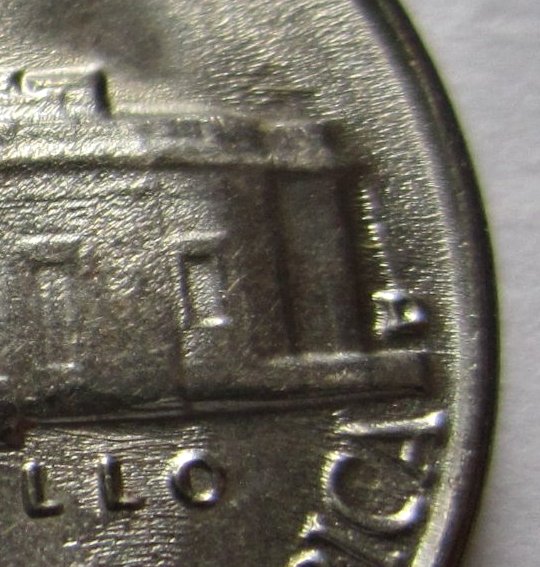
Thank you! As usual, you guys are a font of information. Here is a better close-up of the Monticello area of this coin. 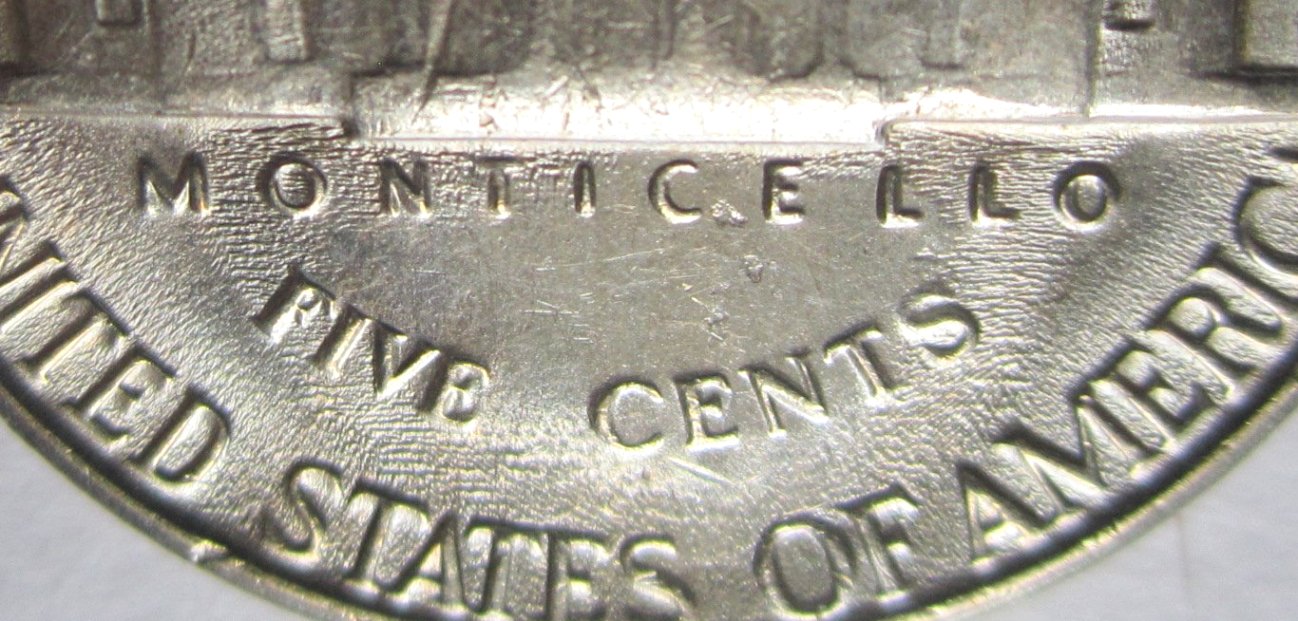 |
|
Pillar of the Community
United States
5964 Posts |
Looks like Ghosting to me.
|
|
Valued Member
United States
144 Posts |
Agree, CoinMasters. Ghosting is the more common term; PIDT is the more "techie" term for it. I've only seen it on Lincolns. Given the rest of the Die Deterioration that's showing on the coin, I think ghosting/PIDT is a good possibility. |
|
Pillar of the Community
United States
5964 Posts |
Yes Profiler, Progressive Indirect Design Transfer, Internal Metal Displacement Phenomenon, aka Ghosting. It is caused by repeated strikes transferring design through the coin to the opposing die. It was common on earlier date Jeffersons and a few other denominations. Here is one manifesting itself on the obverse and reverse that is quite uncommon as it is of a more recent date. 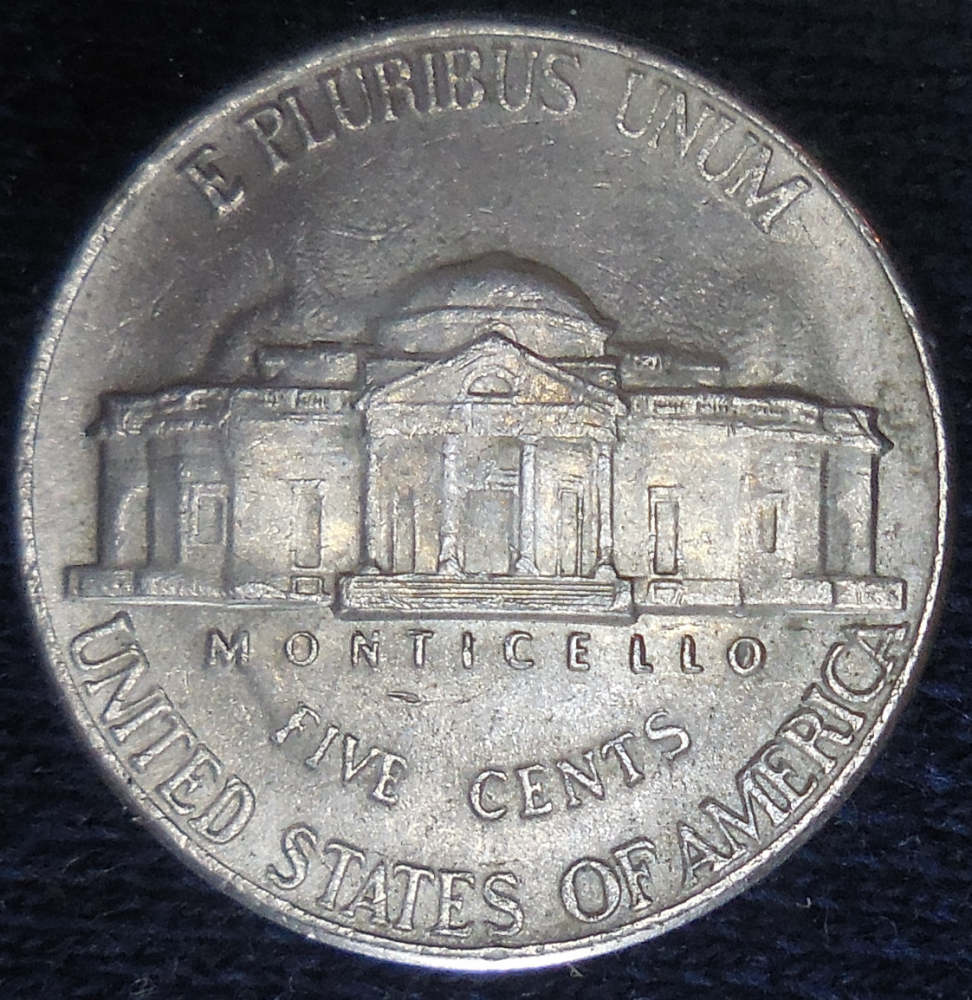 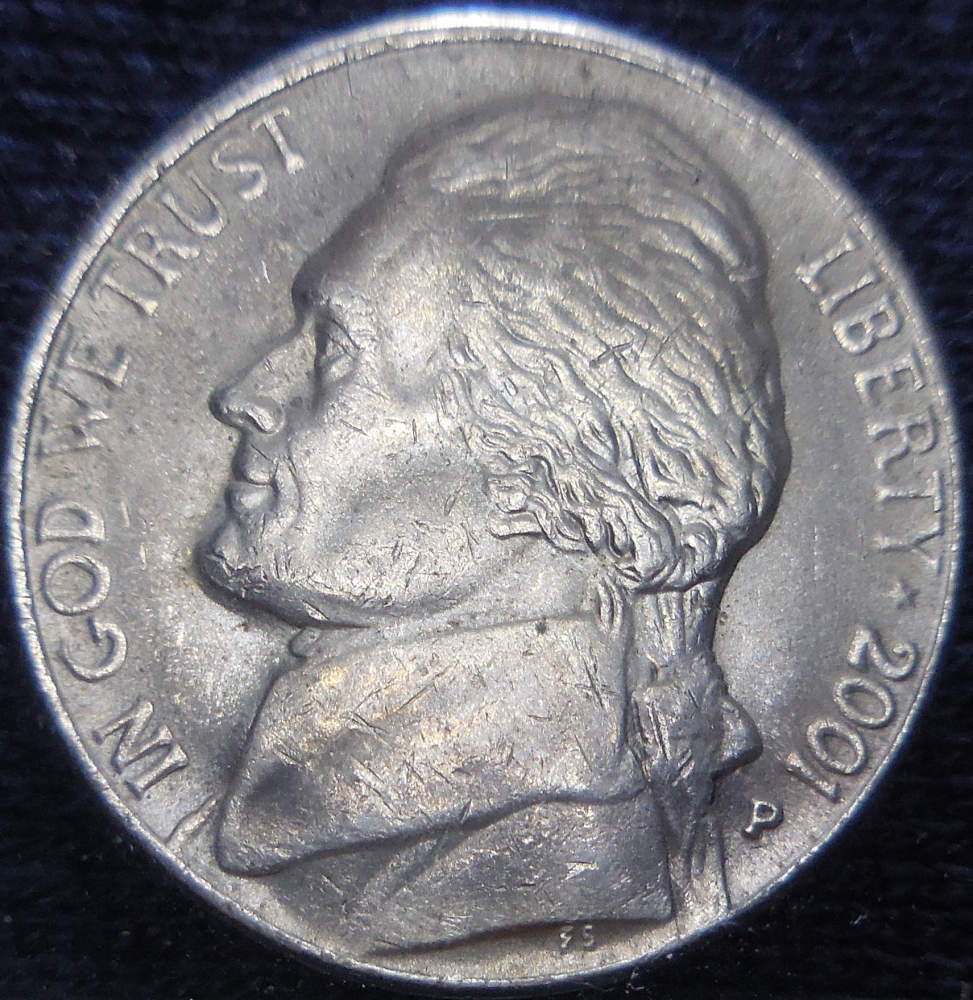 |
|
Valued Member
United States
144 Posts |
Wow, that's a great example! Thanks for posting that. :)
|
|
Pillar of the Community
United States
3362 Posts |
So PIDT can occur on the Obverse also.!  I guess that it is considered an error? However, a common one? I have a coin which may contain PIDT - maybe I will post in a new thread to see if that is correct. Does it need to match up to where the image shows to be on an overlay? Edited by Pete2226
08/17/2015 06:40 am
|
|
Valued Member
United States
144 Posts |
Pete, here's an article on PIDT from error-ref.com: http://www.error-ref.com/?s=pidt. Google that term, as well, so you can learn more -- as well as see other image examples to see how things match up. As for the other example, yes, I believe the forum prefers that you start a new post if it's a different coin, even though it's a related issue. |
|
Pillar of the Community
United States
5964 Posts |
Glad ya'll like it, yes they are errors. Nickels of recent vintage are not common. Older nickels like the OP's, pennies, dimes, and a few others are. They are better when on both sides, but often on one. I have a cent you can see Lincoln's outline very well on the reverse. An overlay is very helpful in identifying them.
|
| |
Replies: 32 / Views: 9,979 |











 Posted 08/16/2015 09:09 am


