| Author |
 Replies: 12 / Views: 4,936 Replies: 12 / Views: 4,936 |
|
|
New Member
United States
20 Posts |
Hi everyone, I thought I would share some pictures of a neat little set of Bank of England Dollars that I have put together. Each is a contemporary counterfeit -- I have one that is a plate type forgery, one that looks like some sort of silver wash, and one that looks cast. I am not 100% sure that the last one is cast coin because the edges are almost completely smooth. But the surfaces look cast, and I have not doubt it is a fake - it doesn't really ring at all (more like a thud), and it hardly even looks like silver in hand (it looks more like copper rubbed with charcoal). Over the last year I have read both Phillip Mossman's book, Crime and Punishment, and the Gurney/Nichols/Lorenzo book Counterfeit Portrait Eight Reales, and contemporary counterfeits are a fascinating area to get into. I know there are people on this site more knowledge than me about these matters, so if any one has any more information on these particular types of counterfeits, I would love to hear about it. Peter 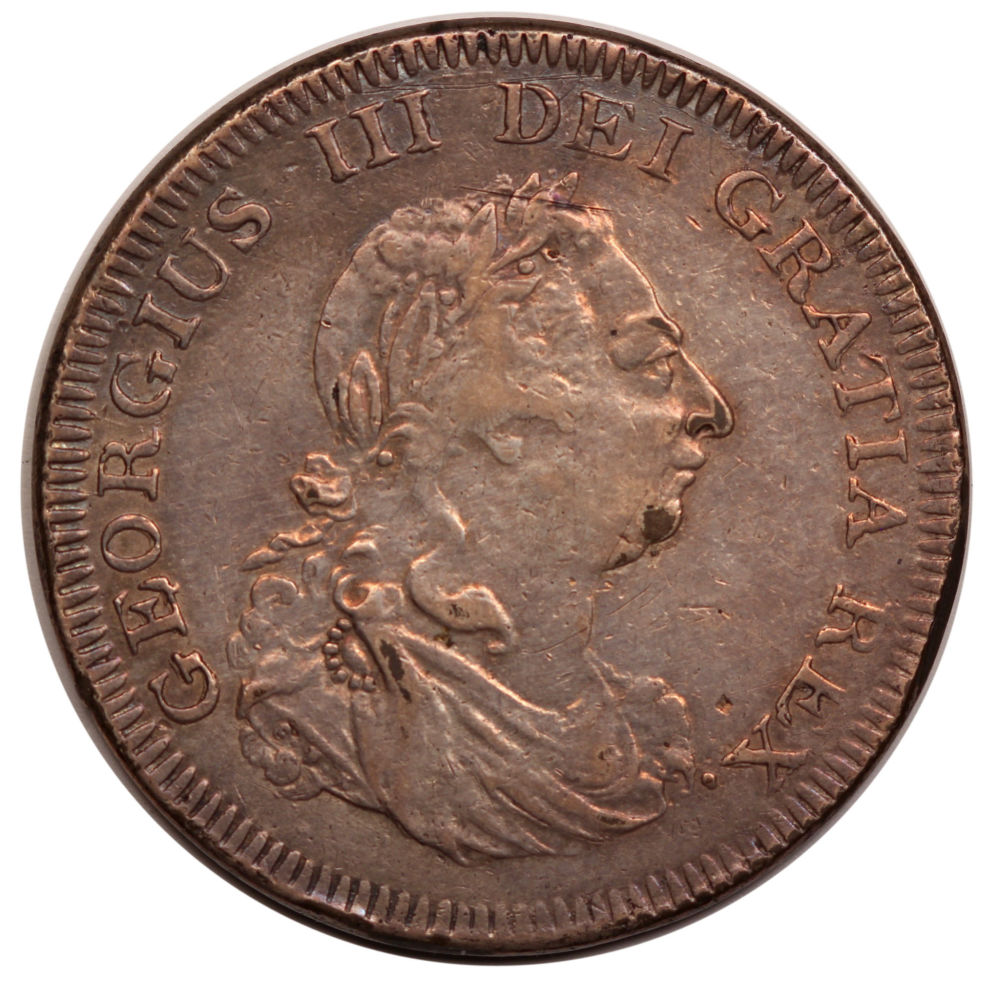 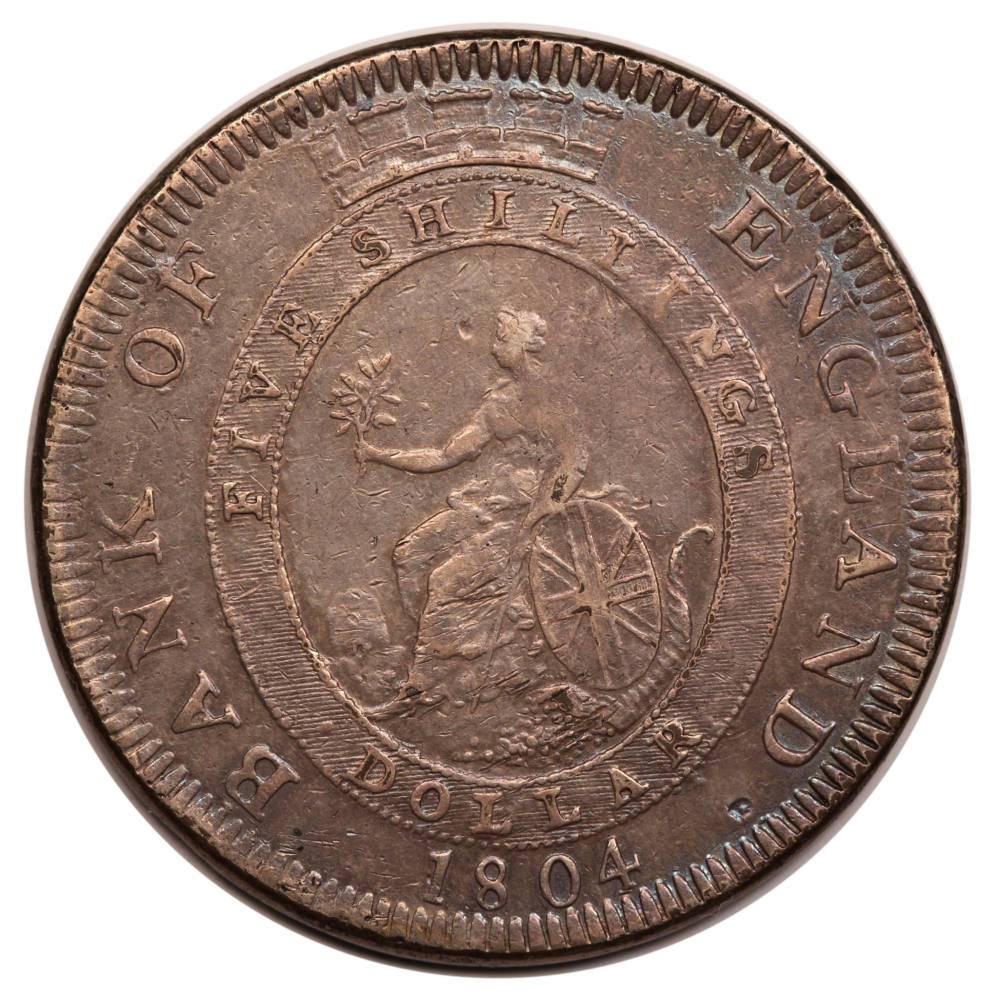 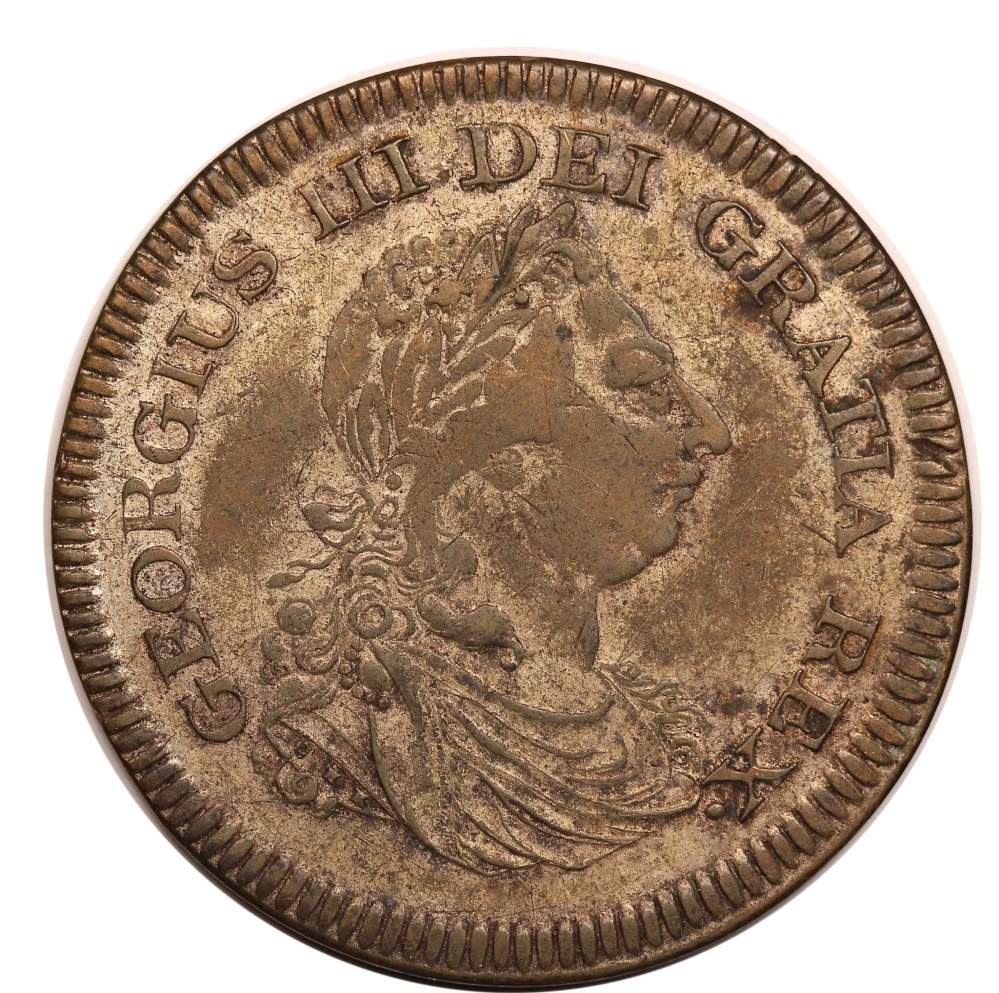 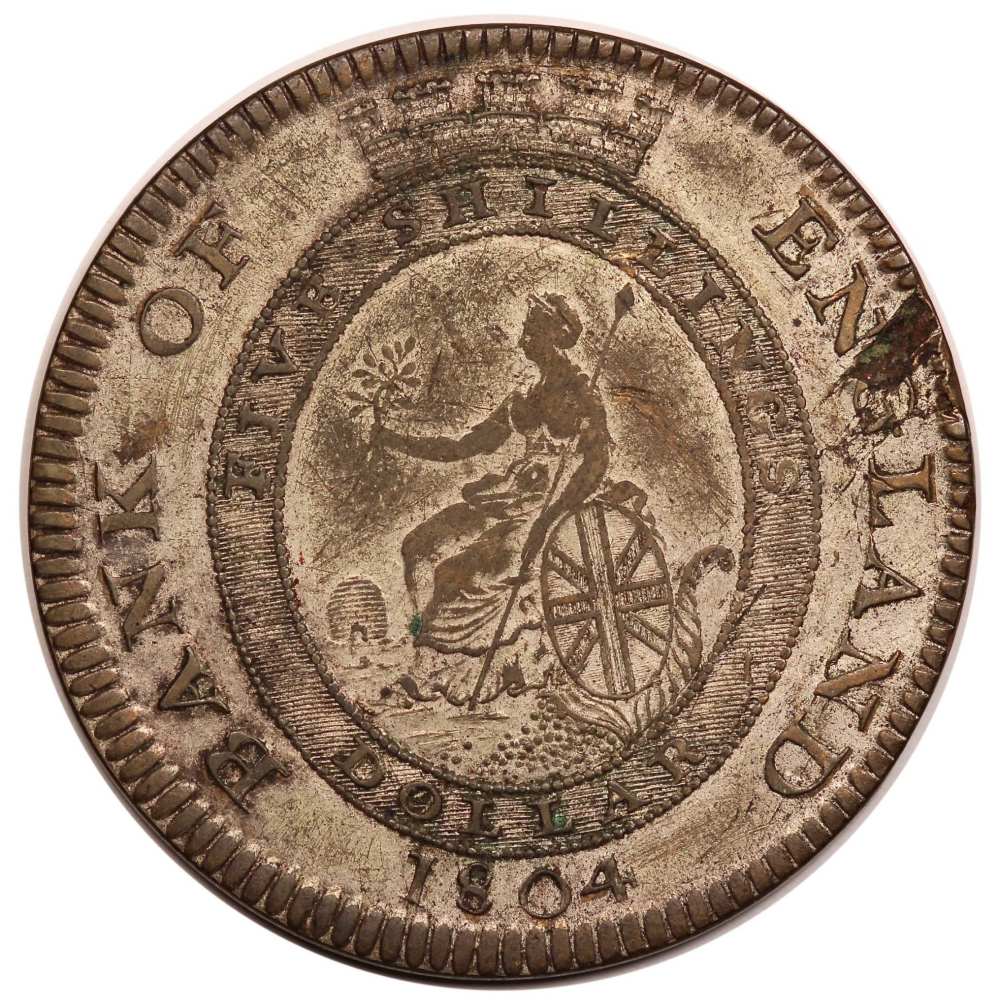 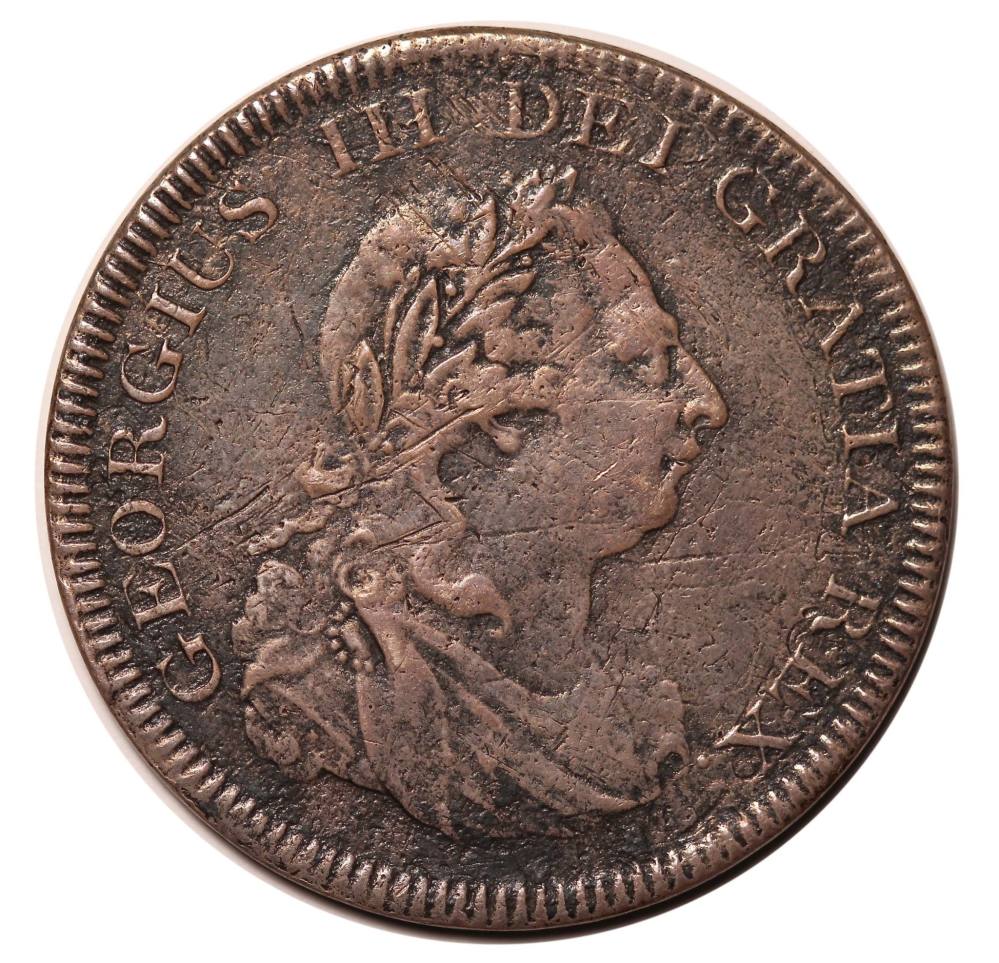 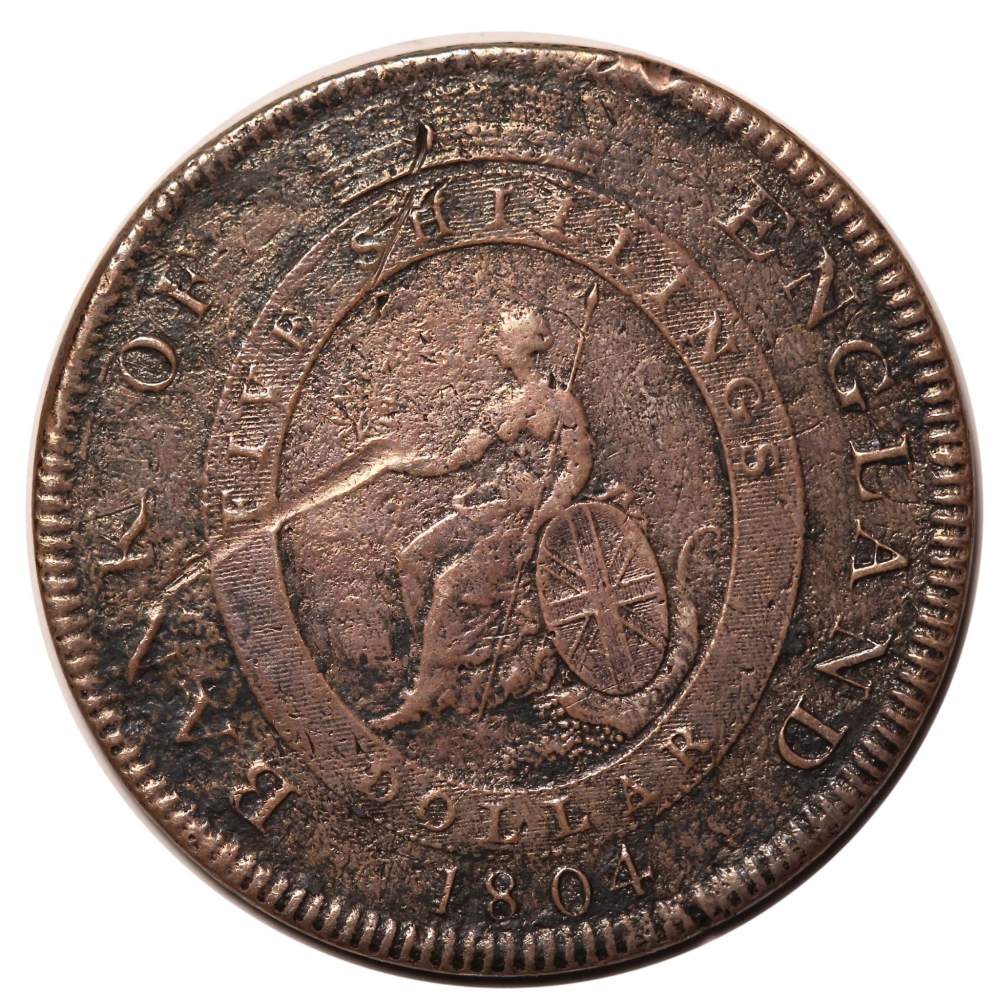 |
|
|
|
Pillar of the Community
United States
1211 Posts |
I have a really nice "cancelled" example. Cut in half and shows the Sheffield plate perfectly.
|
|
New Member
 United States
20 Posts |
Whoa. First, my apologies. I didn't mean to make the images so big. I am still trying to figure this site out a bit.
Second, Jerseyben, that sounds really cool. I recognize your name from other forums. If you are coming to the C4 convention this year, I would love to see that coin. Thanks.
|
|
Pillar of the Community
United States
1211 Posts |
Will you be at the Jersey Shore on Sept 12?
|
|
Pillar of the Community
United States
5362 Posts |
Could you please post larger pictures of any of the four G's on the second coin? You may have a rather scarce variety.
|
|
Pillar of the Community
United States
1768 Posts |
I address these briefly in my new upcoming book via XRF analysis. Forgotten Coins.
John Lorenzo
Numismatist
United States
|
|
Pillar of the Community
United States
5362 Posts |
eastrockcoins Thank you for posting the larger pictures. I did a detailed comparison with known dies and your coin does not match the scarce variety. It displays one of the features seen on the coin I suspected but it lacks other indicators that would provide the proof I need to correlate it to a specific forger.
So in this case it falls back into the very large group of anonymous contemporary counterfeits.
|
|
New Member
United States
20 Posts |
Thank you JerseyBen, Swamper Bob and John for your responses. I apologize, but I was out of town for bit, now getting back to it. I will not be at the Jersey Shore. I started looking for these contemporary counterfeits as a result of the book Swamper and John published, which I purchased about a year ago. I need another area to collect like I need a hole in the head, but it is a really interesting area, and your book does a great job of laying out so many of the issues. Even before I found your book, I had been collecting BOE countermarks on 8Rs, and the overlay of those stamps and contemporary counterfeits is fascinating, if not somewhat mind boogling. If I get a chance later today (allegedly I am back at work at the moment!) I will post a couple of contemporary counterfeits 8R with BOE countermarks that I have. In terms of BOE countermarks, I have been working from H.E. Manville's, The Bank of England Countermarked Dollars, 1797-1804, a copy of which should be accessible here: Manville linkDo either of you, or anyone, know of a more recent public paper on BOE countermarks? Other than the Manville piece? I also recently purchased a 1794 Madrid 4R with a BOE countermark, which I thought was weird because the BOE countermarks on 8Rs almost all are from Mexico. Lo and behold, on page 112 of the Manville article, he explains the existence of regal 4Rs with BOE countermarks, created in 1799. Thanks again! Peter |
|
New Member
United States
20 Posts |
For example, I am pretty sure this is 1792-O Aa/R: Mo FM-001. I have some others on my computer at home. And I haven't shot the 4R yet. I will try to post more later. 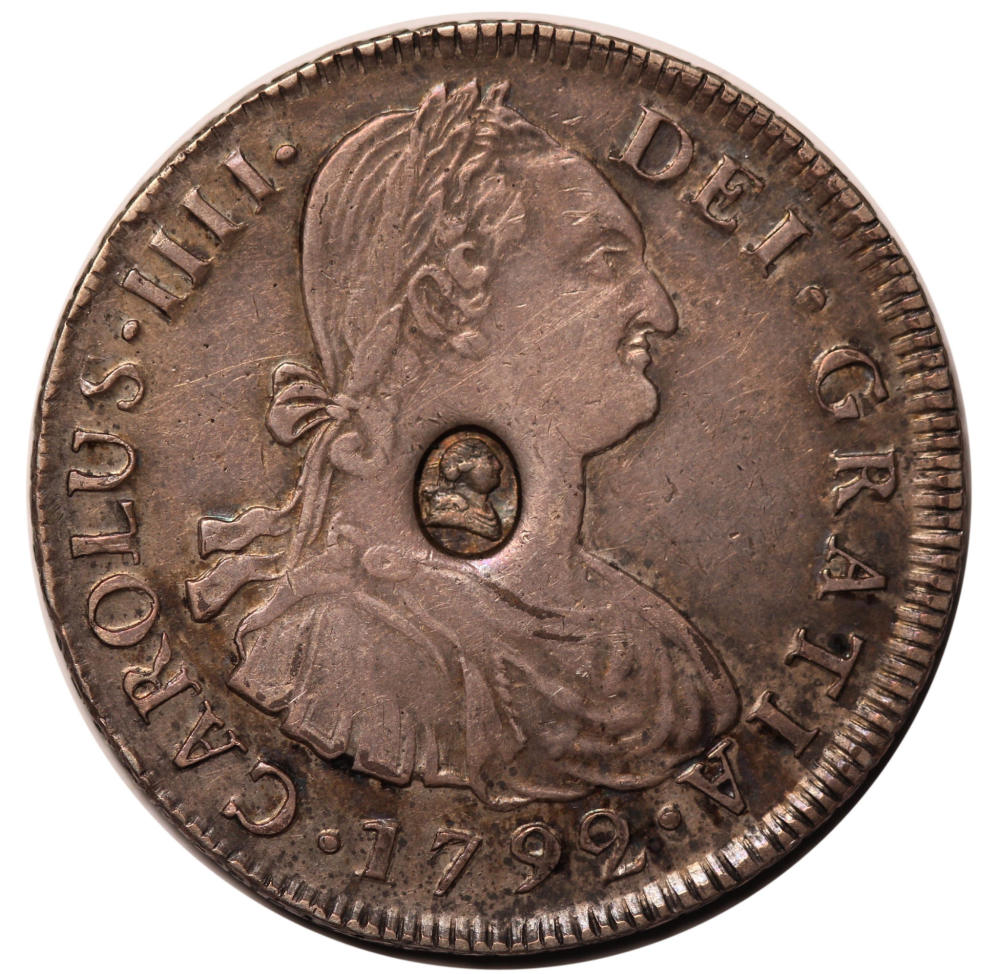 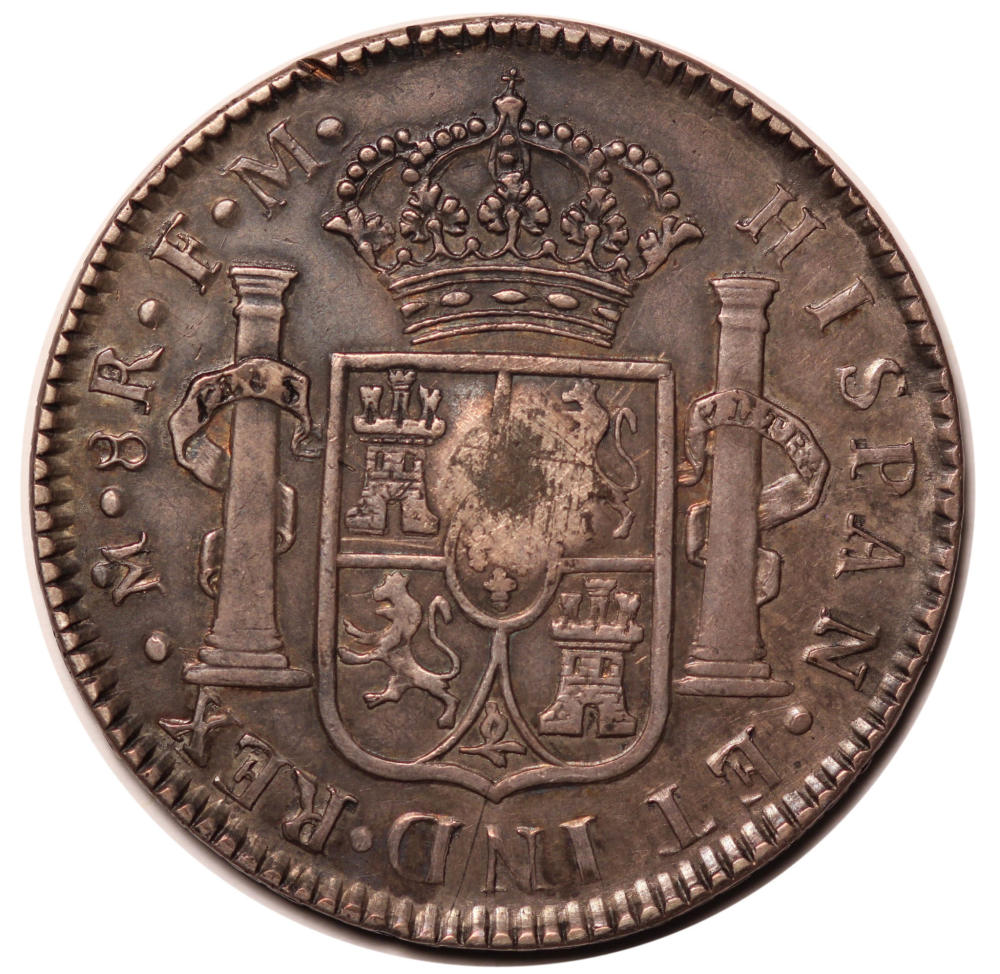 |
|
Pillar of the Community
United States
5362 Posts |
eastrockcoins You have the identification correct and yours is now the best example I am aware of. With your permission I will add the picture to my files for future use.
The oval stamp on your coin is one of three stamps we were aware of at the time the book was published since that time we have confirmed a 4th and a damage example which presents the possibility of a 5th.
Given the number of stamps employed by the counterfeiters it is reasonable to propose a rather large mintage for this particular piece. Given the date of 1792 (which is mentioned by Bordeaux: "...in the year, 1792, one single factory had a weekly output of 100,000 Reales {25,000 French Livres} in value."). This coin may be one of the types produced by the Birmingham factory mentioned by Bordeaux. The weekly output would be 12,500 coins per week.
Since you have my book you know that I personally believe that Bordeaux was incorrect about the date of the commencement of the counterfeit operation. I see 1792 as too early and 1796 as just right for the beginning of a War effort. It is also a better fit since forgers typically do not make brand new coins.
The 1792 dies were likely used in the War effort without the BofE stamps. The output leaves open the possibility that "leftover" coins may have been stamped as well.
I also noticed one very interesting element NOT noted on any of the other examples. On the reverse in the area flattened by the punch there appears to be a grid visible. Fine copper lines appear in a grid with silver plate in between.
I would postulate that coin may have been stamped on a surface that had very fine engraved lines on an otherwise flat surface. The metal from the coin would flow into the grooves creating a high point design the reverse of the surface. This high area would wear off first leaving a copper colored grid.
Could you do a micro-photograph of the area involved?
The grid reminds me of the grided watermarks seen on early papers made in England about this time. I have not studied that process so I do not know what apparatus made those marks.
Interesting area for speculation and further study.
|
|
New Member
United States
20 Posts |
Bob, this is an enlargement of the original image, which was originally taken with much higher resolution than this site permits to upload. I hope this is close to what you were asking for. I have a macro lens, but no way to go micro. 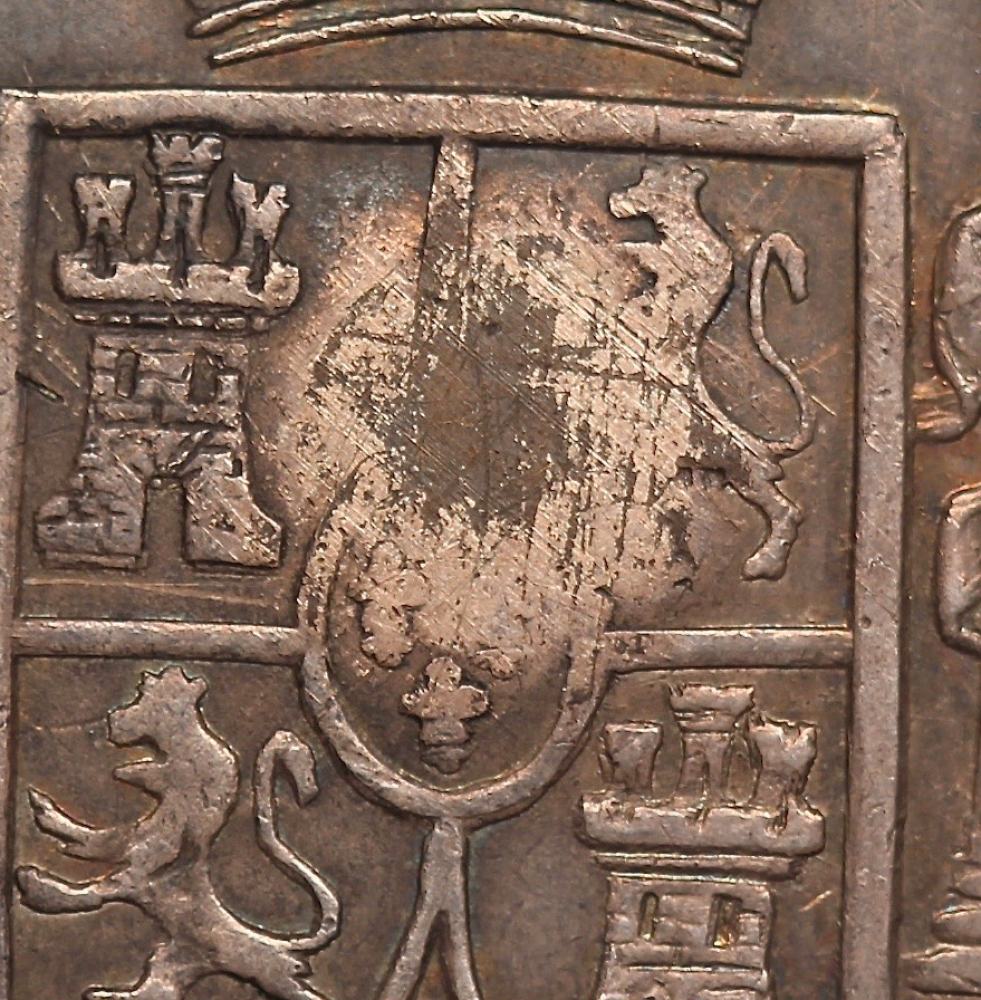 |
|
Pillar of the Community
United States
5362 Posts |
Interesting photo looks like an oval is present as well as a grid. It could simply be damage to a metal surface by some form of cutting tool - perhaps an engravers's bench.
Thanks.
|
|
New Member
United States
20 Posts |
Thank you for asking Bob, but please feel free to use any image I post on this forum, as long as you credit it if you subsequently publish it. If you would like higher resolution images feel free to contact me via email at eastrockcoins at gmail dot com.
Peter
|
| |
Replies: 12 / Views: 4,936 |
|








 Posted 08/31/2015 09:04 am


