Coin Community Family of Web Sites Join Thousands of Coin, Bullion, & Money Collectors
Join Thousands of Coin, Bullion, & Money Collectors Shop for APMEX Bullion on eBay!Specializing in Modern Numismatics Vancouvers #1 Coin and Paper Money Dealer 300,000 items to help build your collection! Royal Canadian Mint products, Canadian, Polish, American, and world coins and banknotes. Coin, Banknote and Medal Collectors's Online Mall


Username:
Password:
Save Password
Forgot your Password?


This page may contain links that result in small commissions to keep this free site up and running.

Welcome Guest! Registering and/or logging in will remove the anchor (bottom) ads. It's Free!

Bank Of England Countermarks

To participate in the forum you must log in or register.
Author Previous TopicReplies: 1 / Views: 1,705Next Topic  
New Member
eastrockcoins's Avatar
United States
20 Posts
 Posted 09/09/2015  6:23 pm Show Profile   Bookmark this topic Add eastrockcoins to your friends list Get a Link to this Message Number of Subscribers
As I mentioned in an earlier post, I like to collect Bank of England countermarks, which were applied to Spanish 8 reales (mostly from the Mexico mint), from 1797 to 1804.

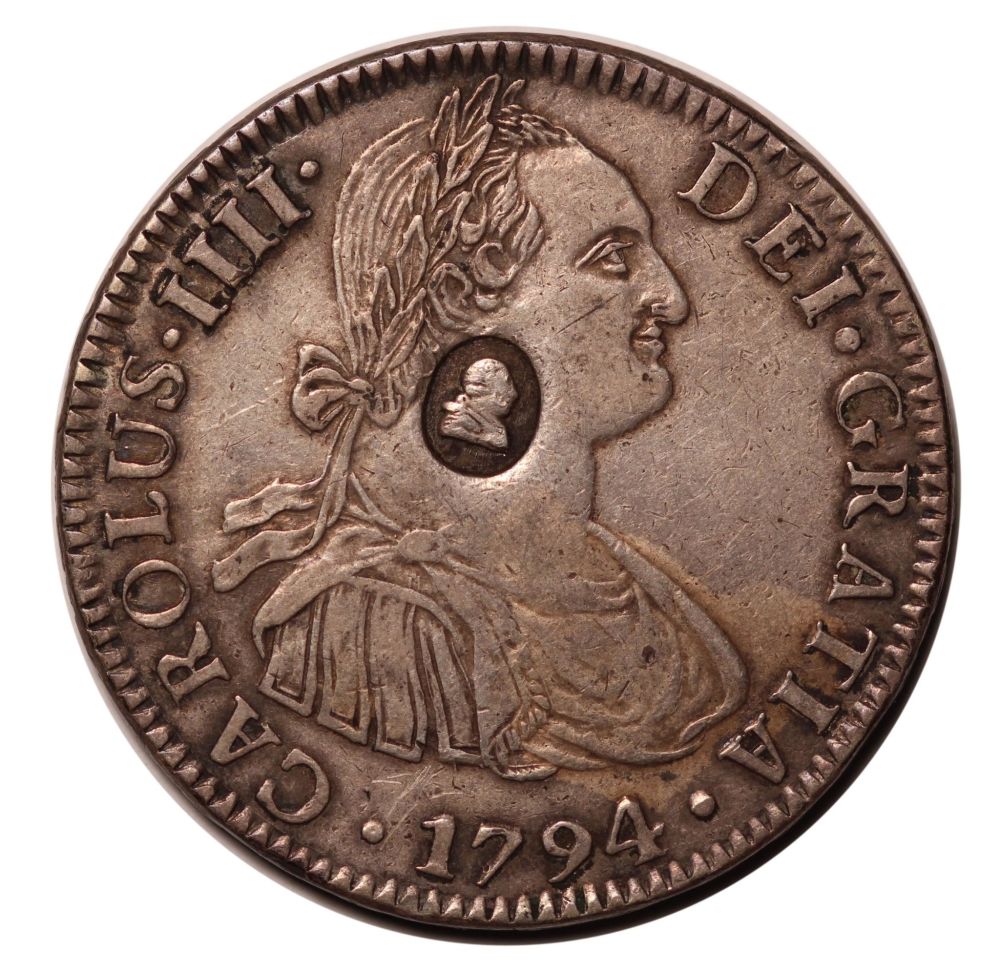
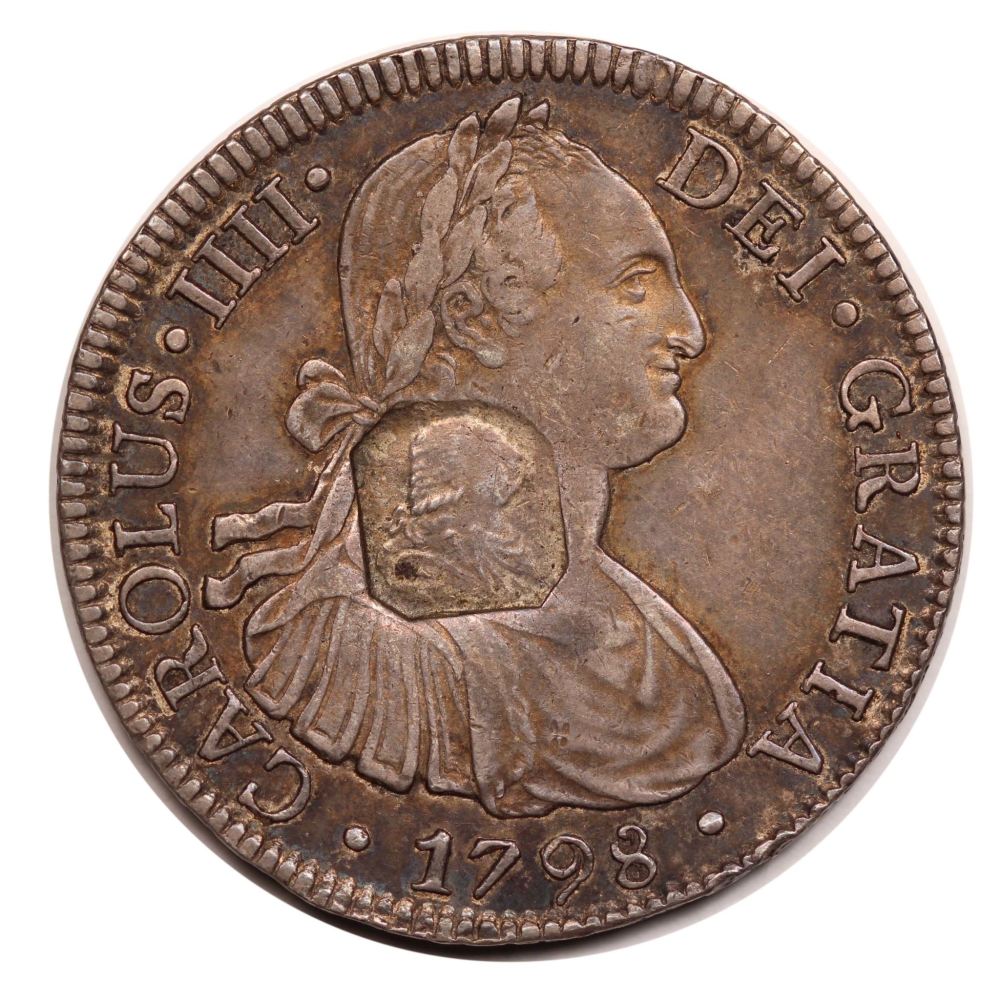
There are two major countermark types (oval and hexagon). Both of these marks had genuine variations, and counterfeit variations. In addition, you can find the marks over both genuine 8 reales and contemporary counterfeit 8 reales.

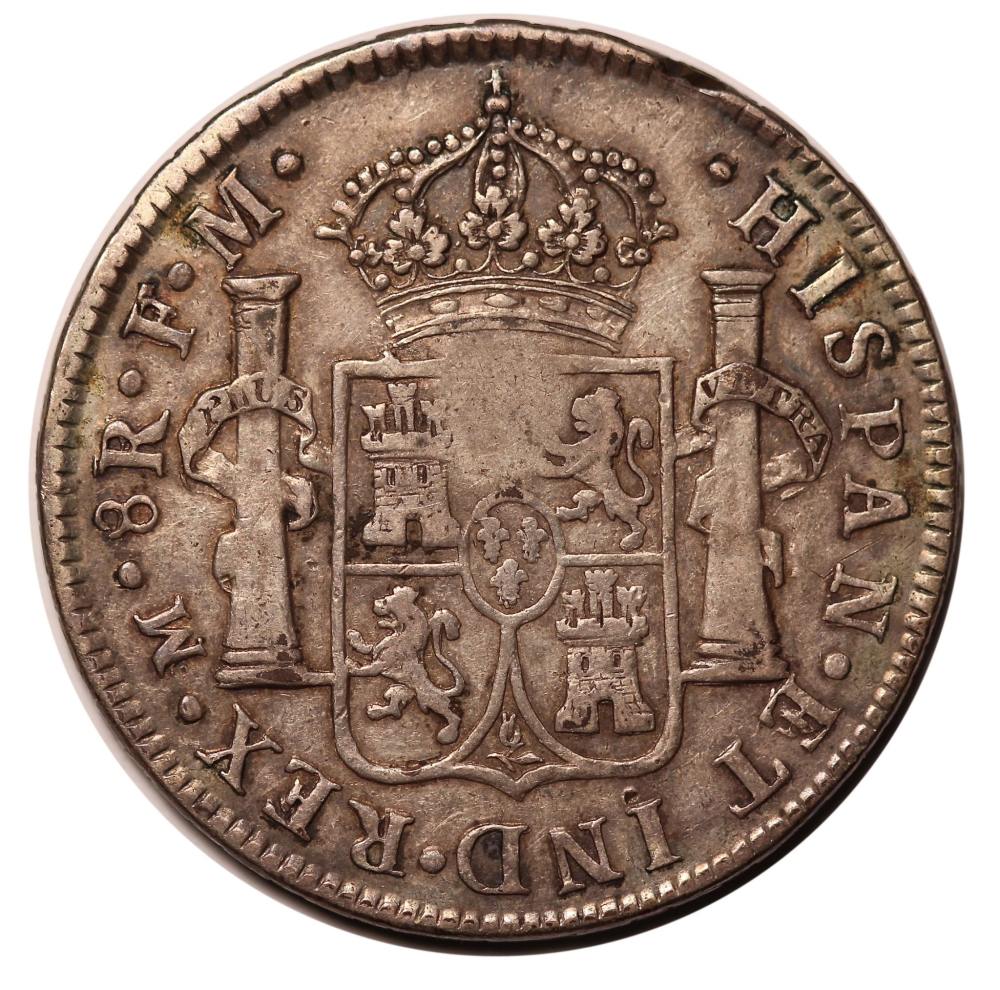
Here is a contemporary counterfeit 8 reale (I believe it is GNL# 1794-O: Ga/R: Mo FM-005) with a likely counterfeit oval mark:

Bank-Of-England-Countermarks

Bank-Of-England-Countermarks

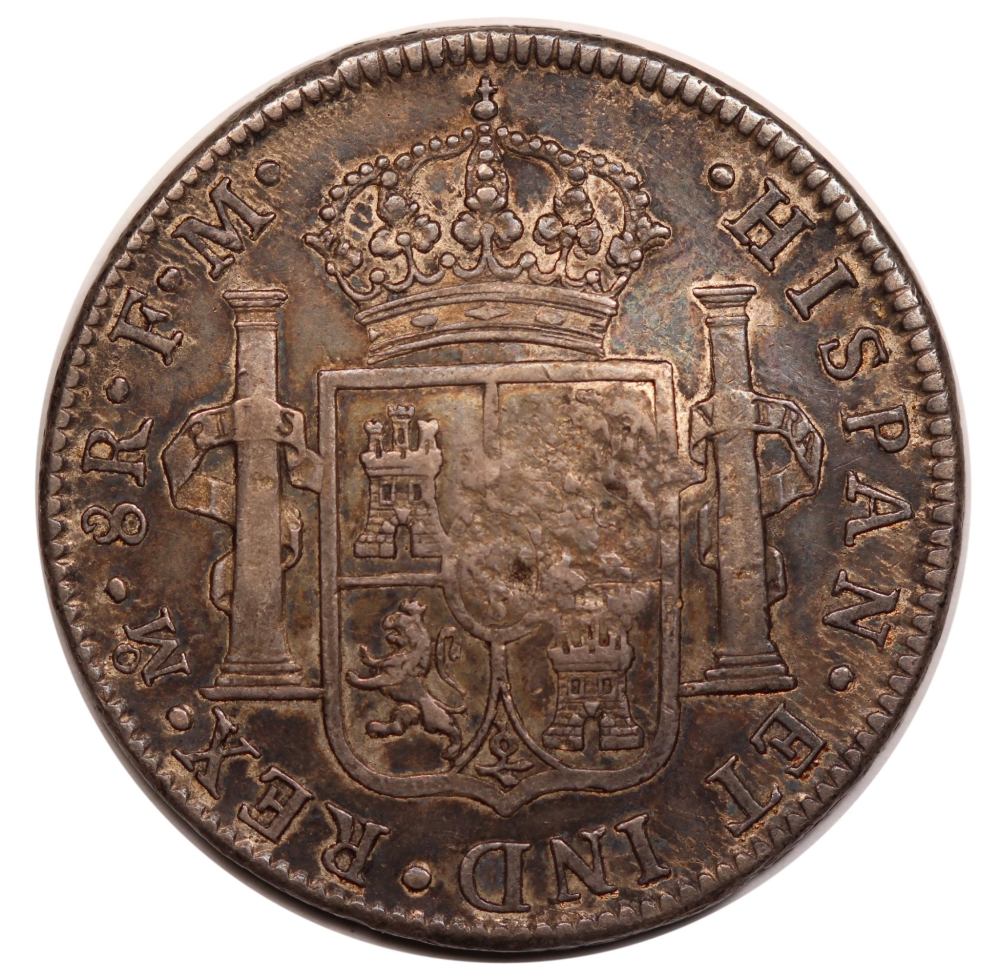
Here is one that I believe is a counterfeit hexagon mark over a genuine 1798 8 reale (or if the 8 reale is counterfeit, I can't match it to a GNL plate):

Bank-Of-England-Countermarks

Bank-Of-England-Countermarks

I am interested in any comments on these coins, or in hearing from anyone else who collects these countermarks. In particular, I would love to know if there is any definitive text for these issues. I have a 2003 article by Manville from the British Numismatic Journal that surveys older articles on these issues, but I don't know if there is any more recent resource.

Peter
Pillar of the Community
swamperbob's Avatar
United States
5362 Posts
 Posted 09/09/2015  8:12 pm  Show Profile   Bookmark this reply Add swamperbob to your friends list Get a Link to this Reply
Once again your assessment is correct - the 1794 is the Ga variety. The dies show some extremely slight variations which are typical of other examples and which I believe indicates that the coins were struck from full hub working dies. That was a technology available in Birmingham but few places elsewhere in the world at the time. The 1794 Ha is a very closely linked to these same hubbed dies.

The 1798 coin does appear to be a genuine strike and I love the forged stamp. Looks contemporary as well nice coin.
  Previous TopicReplies: 1 / Views: 1,705Next Topic  

To participate in the forum you must log in or register.


Disclaimer: While a tremendous amount of effort goes into ensuring the accuracy of the information contained in this site, Coin Community assumes no liability for errors. Copyright 2005 - 2026 Coin Community Family- all rights reserved worldwide. Use of any images or content on this website without prior written permission of Coin Community or the original lender is strictly prohibited.
Contact Us  |  Advertise Here  |  Privacy Policy / Terms of Use

Coin Community Forum © 2005 - 2026 Coin Community Forums
It took 0.19 seconds to rattle this change. Forums