| Author |
 Replies: 10 / Views: 1,665 Replies: 10 / Views: 1,665 |
|
|
Valued Member
United States
498 Posts |
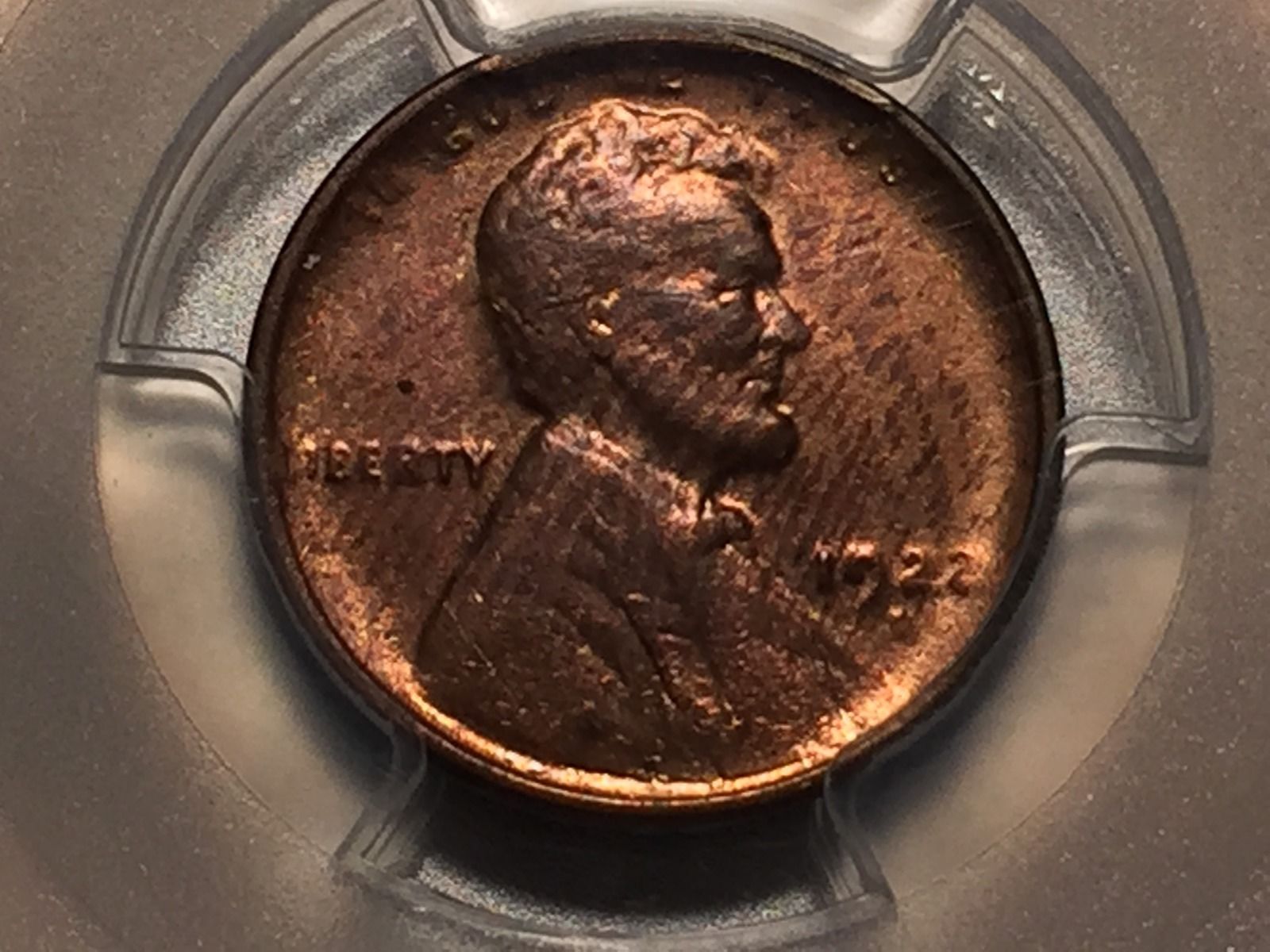
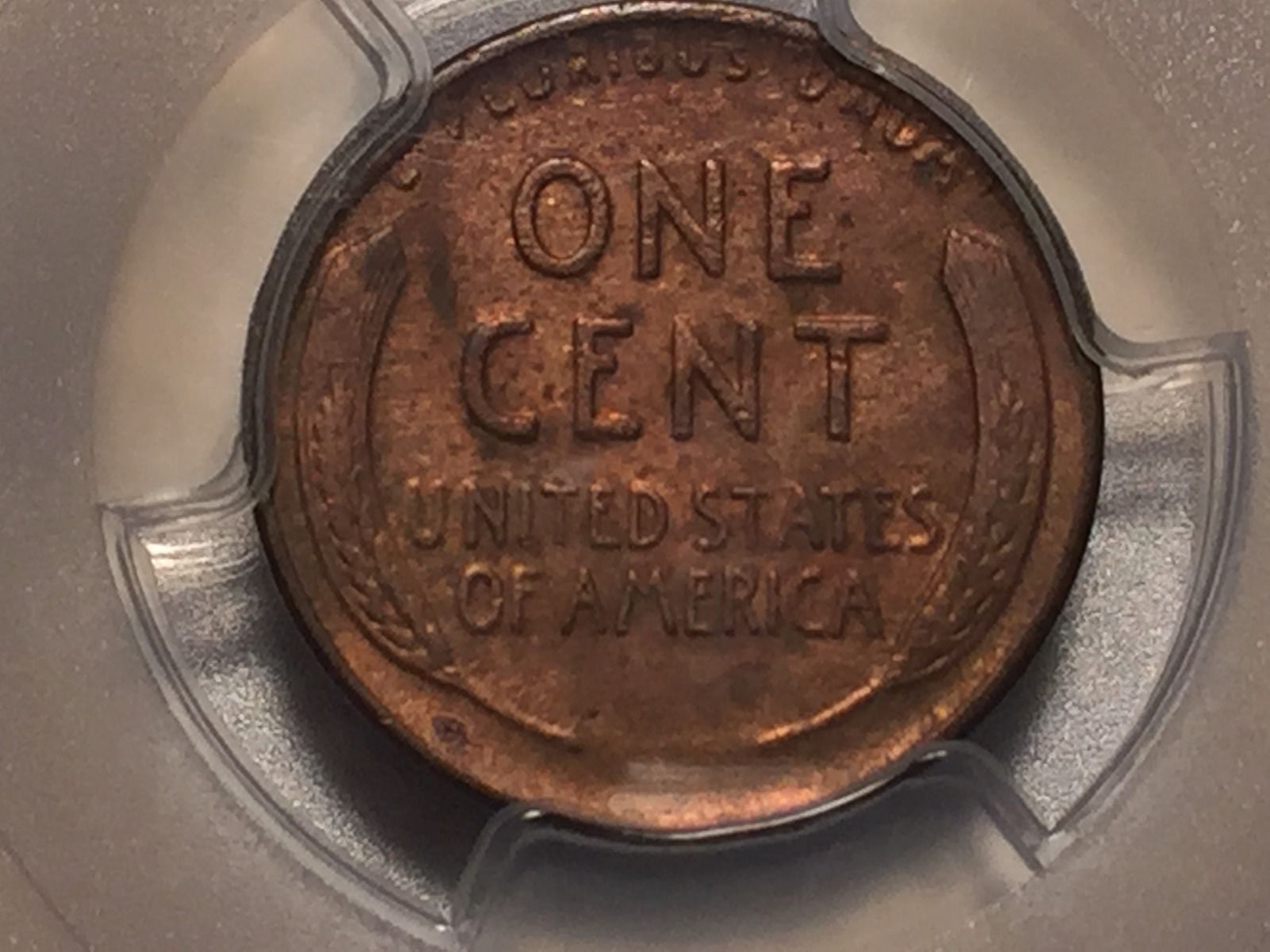
I posted under modern varieties ans errors but never get many opinions there this coin that I believe is a weak d is very hard to grade. I'm posting a slabbed one in the second box. paid $65.00 so if I'm wrong ill lose a $20.00 bill what do you think grade and is it a weak d. Thanks everyone 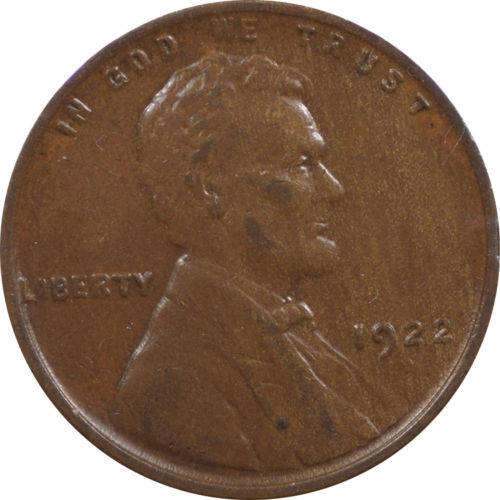 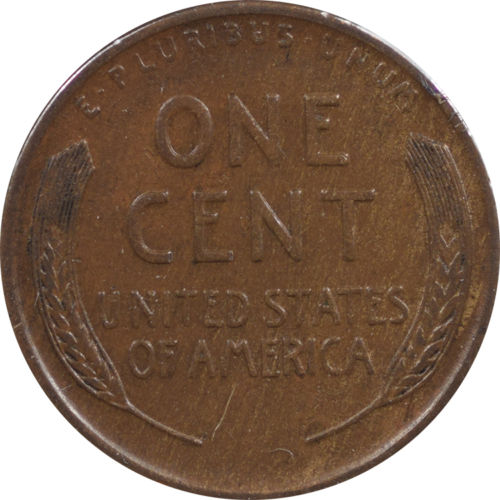 |
|
|
|
Valued Member
 United States
498 Posts |
|
|
Pillar of the Community
United States
7390 Posts |
Top one is a beautiful weak d woody imo
Second one I would pass by faster than a vegan at a BBQ joint
|
|
Pillar of the Community
United States
946 Posts |
Vf30ish range for me. I'd much rather have the first one you posted then the slabbed one. That is for sure.
|
|
Bedrock of the Community
United States
37102 Posts |
First one EF-45, second is a details coin that I would pass on.
|
|
Valued Member
United States
498 Posts |
sorry heres the slab for second coin 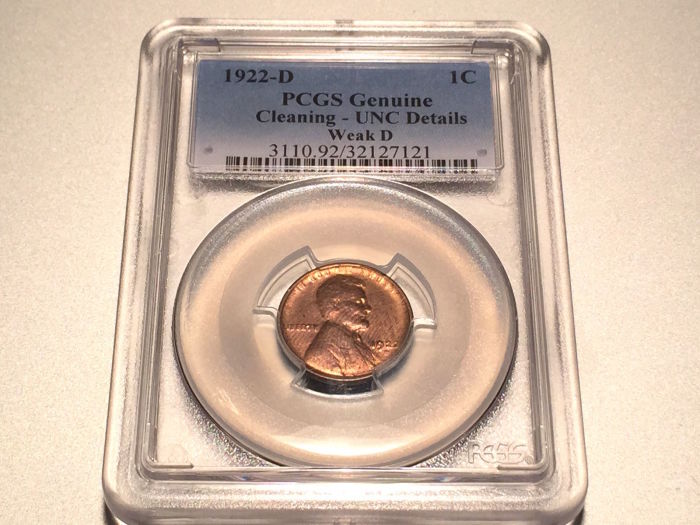 |
|
Pillar of the Community
United States
1789 Posts |
Whaaaat.... No way thats UNC?
|
|
Bedrock of the Community
United States
20043 Posts |
AU-53, not hard to grade, you just have to know how. Most of the grade must come from the obverse on 22D's since the reverse dies tended to be massively over-used, much more so than the obverse dies. Your coin shows just a trace of rub on the high points (cheek, jaw, lapel & above the ear). You can also see it has a strong reverse (somewhat rare for the issue), it has just a trace of wear too but you have to be careful judging wear using the reverse of 22D's since Denver tended to over-use their reverse dies due to a short supply from Philly. And, $60 is a fair price for an AU 22D, regardless of the weak D designation. I'm not a big fan of how the TPG's determine a weak D. I disagree with the PCGS example you posted, that is a pretty prominent D for the classification compared to others I've seen. Technically, according to the Lincoln Cent Resource page, all "weak D's" also exhibit a weak reverse: http://www.lincolncentresource.com/...rieties.htmlObviously, your coin has a strong reverse. However, logically, a weak D MUST exist for the strong reverse as it was gradually buffed off the working die. Personally, I wouldn't call a 22D a weak D unless you can BARELY make it out. I can clearly see the D on your coin. I've seen examples where you had to really strain and rotate the coin to see the D. Those I classify as a weak D. Edited by BadThad
09/08/2015 3:23 pm
|
|
Bedrock of the Community
United States
20043 Posts |
Quote:
Whaaaat.... No way thats UNC? Yes it is. Most 22D's were struck on very worn dies, you have to understand the die states they used to accurately determine wear. I don't see any wear on that coin but it's been harshly cleaned. Lincoln Cent Lover!VERDI-CARE™ INVENTOR https://verdi.care/
|
|
Bedrock of the Community
United States
94367 Posts |
I'll go with 45, weak D on the first one.
|
|
Moderator
 Canada
10476 Posts |
"Discovery follows discovery, each both raising and answering questions, each ending a long search, and each providing the new instruments for a new search." -- J. Robert OppenheimerContent of this post is licensed under a Creative Commons Attribution-NonCommercial 3.0 Unported License. See: http://creativecommons.org/licenses...0/deed.en_USMy eBay store
|
| |
Replies: 10 / Views: 1,665 |
|









 Posted 09/08/2015 09:56 am





