| Author |
 Replies: 10 / Views: 1,971 Replies: 10 / Views: 1,971 |
|
|
New Member
United States
2 Posts |
Edited by spp
09/29/2015 08:02 am
|
|
|
|
Moderator
 United States
195053 Posts |
 to the Community! I moved your welcome post to the appropriate forum for the proper attention.  |
|
Pillar of the Community
Canada
2187 Posts |
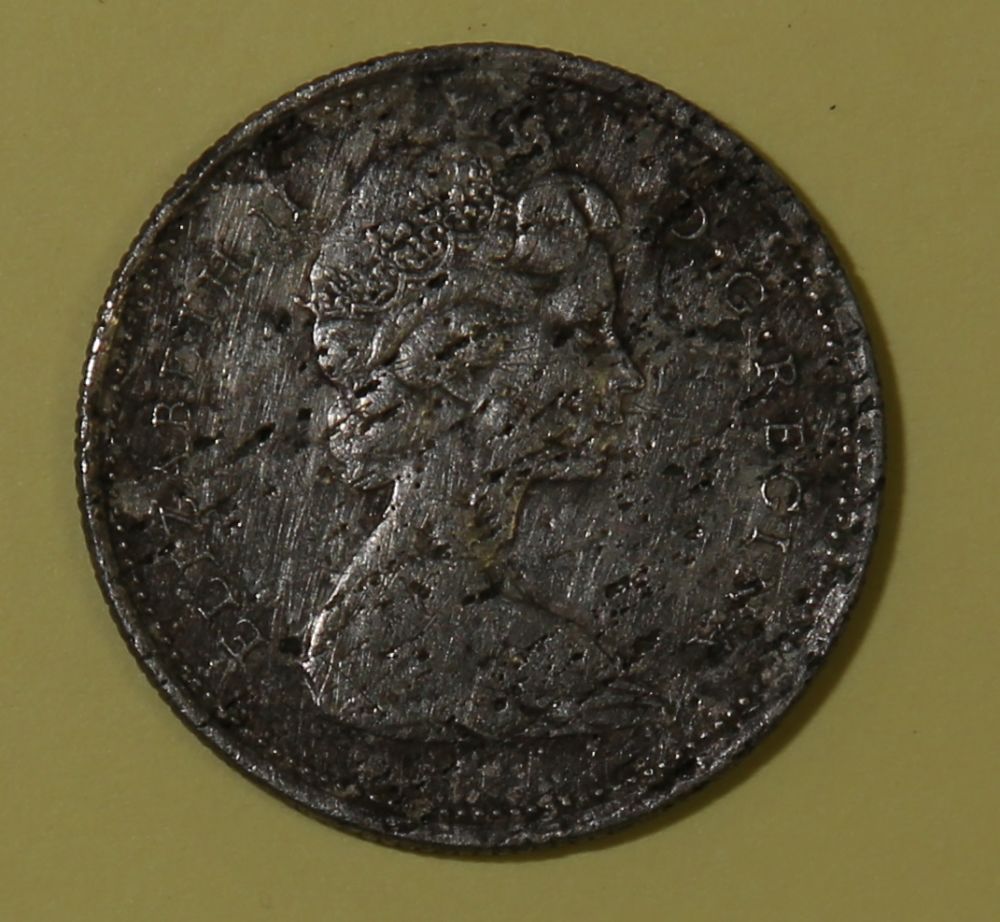
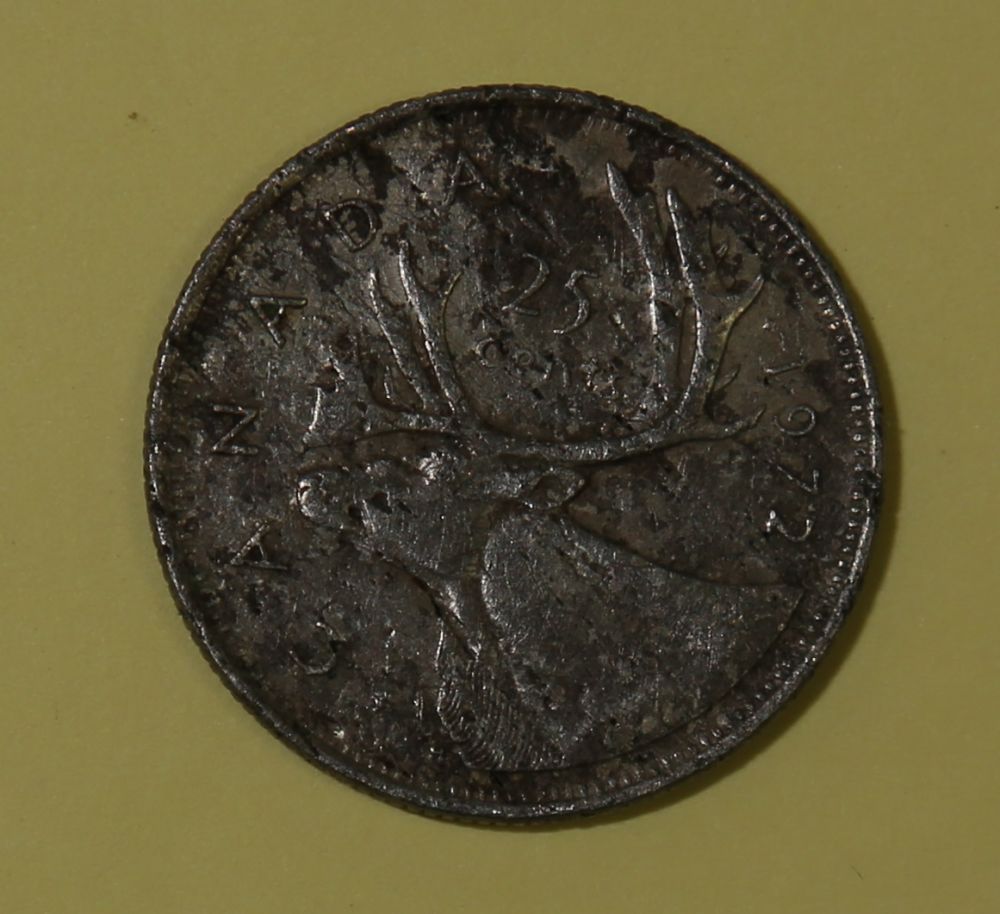
We would need some pictures but it seems interesting. What about the diameter for the coin? |
|
Pillar of the Community
Canada
1984 Posts |
2g seems very light for such a large coin. I am going to hazard a guess that it is a counterfeit cast from a porous light metal.
|
|
New Member
 United States
2 Posts |
It doesn't seem to be a casting. The light weight makes it very noticeable for a counterfeit. I am hoping it was a mistake when making a foreign coin. There are several mistakes for that year, but this doesn't seem to match any of them. I am going to take it to some local coin shops in the next few days.
|
|
Pillar of the Community
Canada
2632 Posts |
Welcome to CCF
I doubt that coin left the mint looking like that even if it was a wrong planchet error. Environmentally damaged for sure and no eye appeal.
Because of it light weight perhaps you need to send it to SPP-Ottawa (one of our experts) for analysis.
|
|
Pillar of the Community
Canada
5341 Posts |
Could be struck on aluminum, but a very ugly coin
|
|
Pillar of the Community
Canada
5419 Posts |
Another example of a coin found in the sewer system. Chemical reaction has reduced the weight is all.This crud used to come into our shop from the city guys working on the sewers. Not an error by any means .
|
|
Moderator
Canada
10473 Posts |
Quote:
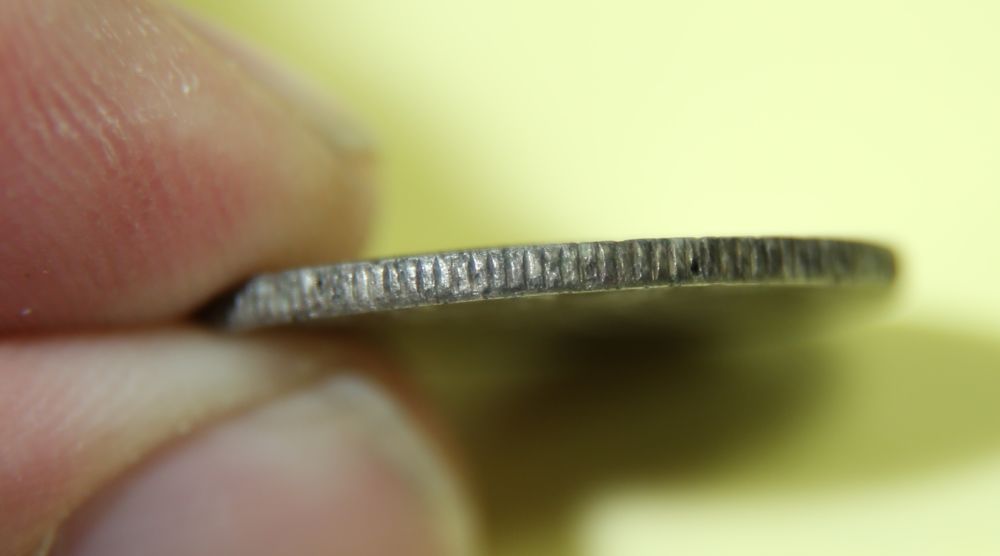
Could be struck on aluminum... Nope, not if it is moderately magnetic. It also has full collar and rim,meaning the planchet size matches the Canadian 25c specifications. In 1972, the RCM only made coins for Trinidad & Tobago, and none of those coins match the weight and diameter of your coin. I highly doubt this piece is a legit off-metal coin. I have handled 5c that have corroded down to half their original weight, but never a 25c... "Discovery follows discovery, each both raising and answering questions, each ending a long search, and each providing the new instruments for a new search." -- J. Robert OppenheimerContent of this post is licensed under a Creative Commons Attribution-NonCommercial 3.0 Unported License. See: http://creativecommons.org/licenses...0/deed.en_USMy eBay store
|
|
New Member
United States
2 Posts |
that is interesting about the planchet for 1972. I don't know what this is, but I think it started at this size and weight. I take a lot of coins off the beach and have seen the effects saltwater has on all kinds of metal. This surface pitting doesn't resemble anything I've found except for tokens from casinos and amusement parks. Maybe it is some kind of novelty.
|
|
Moderator
Canada
10473 Posts |
Quote:
I take a lot of coins off the beach and have seen the effects saltwater has on all kinds of metal. Since you are from the US, how many of those coins were Canadian? US coins are Cu-Ni alloy (5c) or clad coinage (10c and 25c), whereas Canadian coins from that era are pure nickel... food for thought. "Discovery follows discovery, each both raising and answering questions, each ending a long search, and each providing the new instruments for a new search." -- J. Robert OppenheimerContent of this post is licensed under a Creative Commons Attribution-NonCommercial 3.0 Unported License. See: http://creativecommons.org/licenses...0/deed.en_USMy eBay store
|
| |
Replies: 10 / Views: 1,971 |
|







 Posted 09/28/2015 11:34 pm





