I wrote to Ron Delnevo and asked him about his article, and his response followed.
One of the great problems everywhere is the secrecy surrounding all things ATMs and cash. The less the public is told the better, seems to be the the general view of the "authorities".The Swedish 1000SEK banknote designs
(1) 1894-1950 :"Mother Svea"/Gustav I/Vasa worth .9 lbs gold
(2) 1952-1973 :"Mother Svea"/Gustav V $192
(3) 1976-1988 : Karl XIV Johan $227
(4) 1989-1991 : Gustav Vasa $163
(4+) 2006 : Gustav Vasa (security strip added 2006)
(5) 2015-present :Dag Hammarskjöld
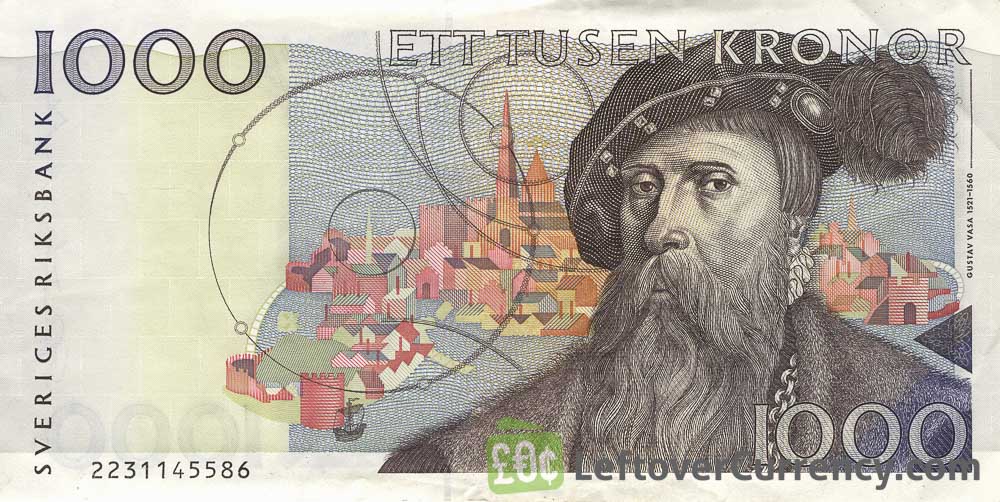
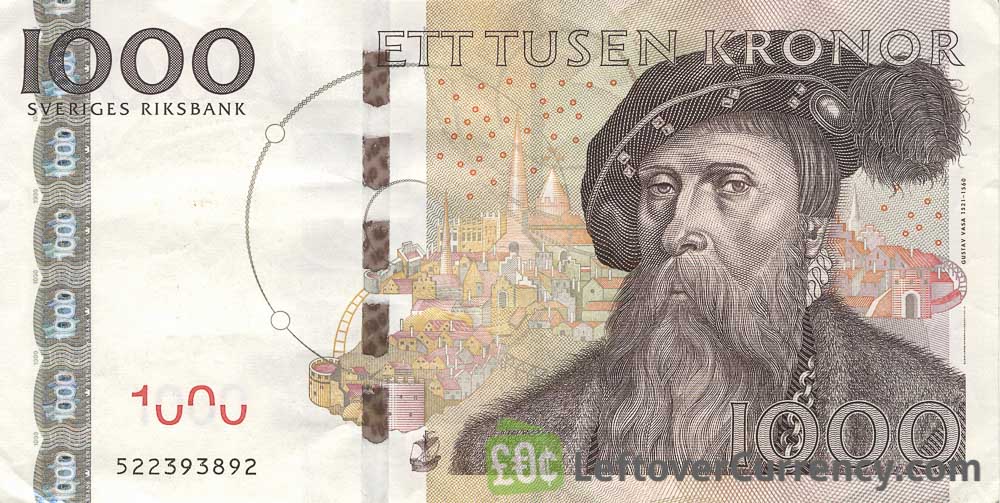
year millions of notes in circulation
1995 37.842
1996 38.637
1997 39.226
1998 40.999 31. Dec. 1998 Karl XIV Johan invalid $123
1999 46.791
2000 46.217
2001 48.358 peak circulation
2002 46.920
2003 45.652
2004 45.561
2005 45.292
2006 42.091 15. Mar. 2006 Vasa w/ strip intro $128
2007 38.648
2008 34.302
2009 31.367
2010 28.565
2011 25.090
2012 21.380
2013 9.709 31. Dec. 2013 Vasa w/o strip invalid
2014 6.160
2015 4.198 1. Oct. 2015 Dag Hammarskjöld valid $119
2016 3.299 30. Jun. 2016 Vasa with strip invalid
2017 3.494
2018 3.390
So the circulation of this note dropped from 40+ million to just under 10 million in 7 years. The Riksbank argues that the general public did not want the bills anymore.
But did the government produce 40 million bills with motion sensor strip and destroy them , or did they only produce 10 million bills with the strip?
If the former case is true it lends credence to the idea that the public rejected the higher denomination. However, if the latter is true, then the government was trying to phase out the 1000kr banknote.
By keeping production quantities a state secret nobody knows the answer.
Similarly the Hammarskjöld banknote is circulating in such small quantities as to be nearly invisible. Nobody know how many (if any) are in storage.






 First Page
 Previous Page


 Posted 07/18/2018 2:20 pm





