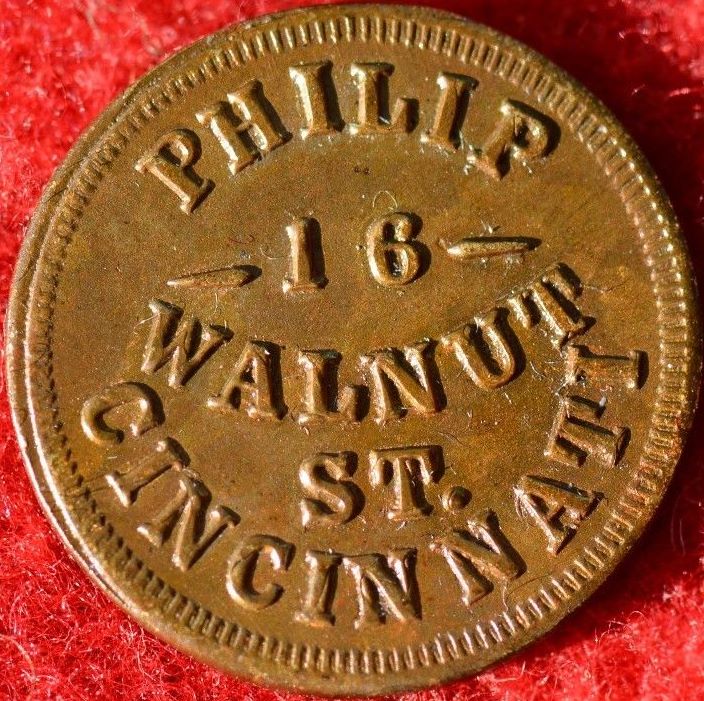
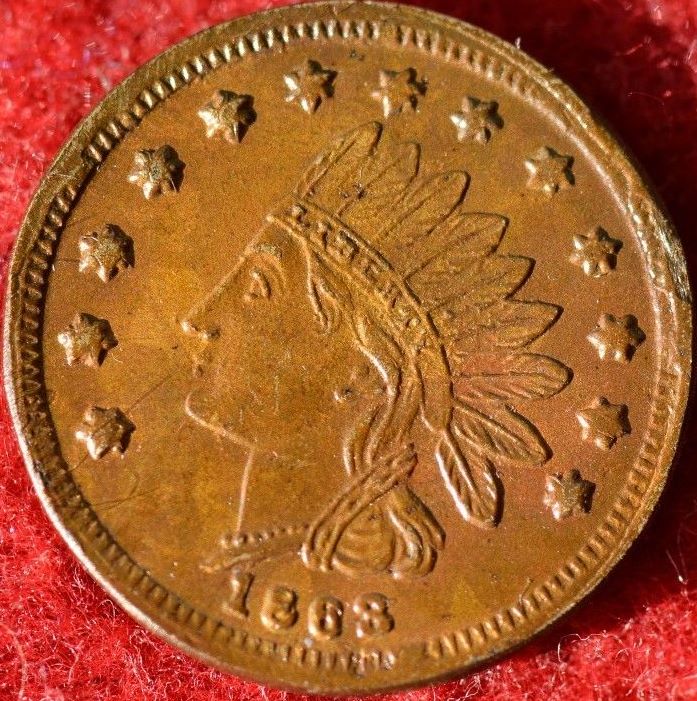
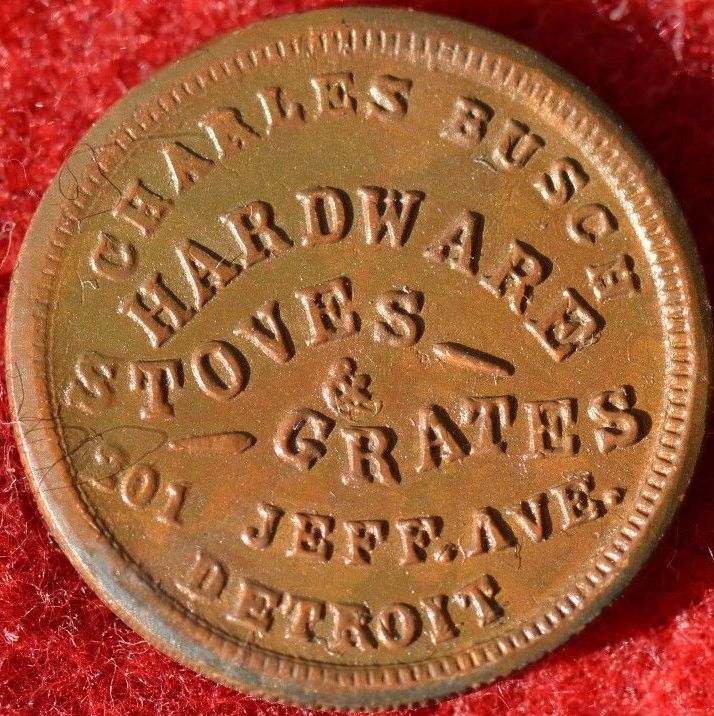
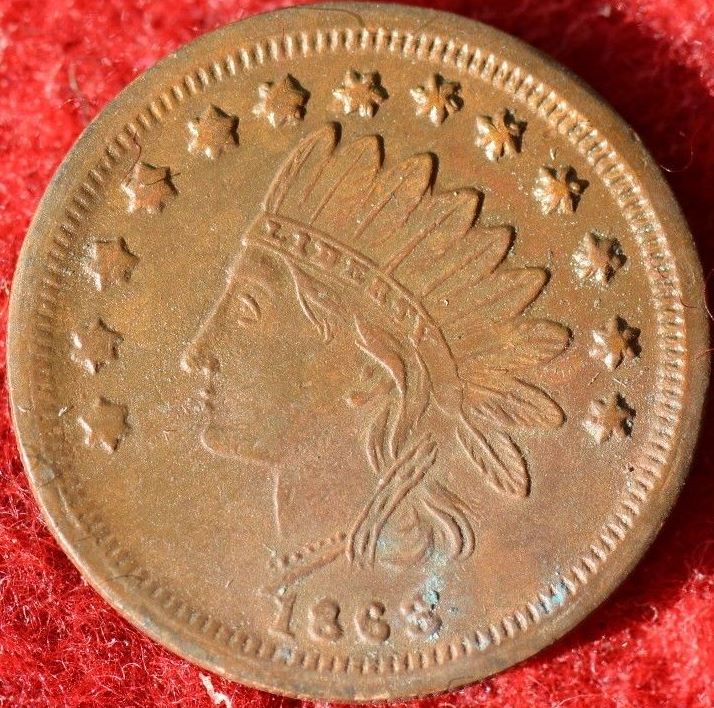
Here is a write-up of understanding counterfeit coins from
http://www.coinsarefun.comhttp://www.coinsarefun.com/2013-03-...erfeit-coinsIt states about transfer die counterfeits...
Transfer dies:These are the most common used and also the most deceptive.
The counterfeiters actually create a working die, but since they are using the same die all imperfections struck from those dies will go onto the coins. Sometimes there will be a blemish on the die, and the counterfeiter tries to remove it.
Since the counterfeiter is using the same die, there are things known as repeating depressions. The reason they are repeating is because any coin struck with that die will have the same imperfection. A genuine coin must be sacrificed as a host to make the transfer dies. Because the genuine coin used will have contact marks, the metal flows into the planchet creating what is known as depressions on the counterfeit coin. Some rules of thumb:
Because of the transfer die process. many gold coins use this.
Also, because a genuine host coin is used and a crude die is made, called an impact die, there is generally loss of detail on the counterfeit coin.A good thing to do is look at many genuine coins in a particular series. Once you know what a genuine coin looks like, in general, counterfeits become much easier.
Generally genuine coins have sharp, crisp letters and devices. numbers as well. Weak fatty letters and devices are a dead giveaway the coin is counterfeit. Please remember that generally you need many different attributes to determine a coin thought to be counterfeit, for example if you just find a depression or two on the coin, this is not enough to deem it counterfeit. Depressions can also be mint made, but often they do not have the luster that a counterfeit coin has.
Color is another thing to look for on counterfeit coins. Generally sometimes, the color is just "off' and it doesn't look right. 




 Posted 10/27/2015 11:18 pm