| Author |
 Replies: 11 / Views: 1,582 Replies: 11 / Views: 1,582 |
|
|
Pillar of the Community
United States
3360 Posts |
|
|
|
|
Moderator
 United States
56855 Posts |
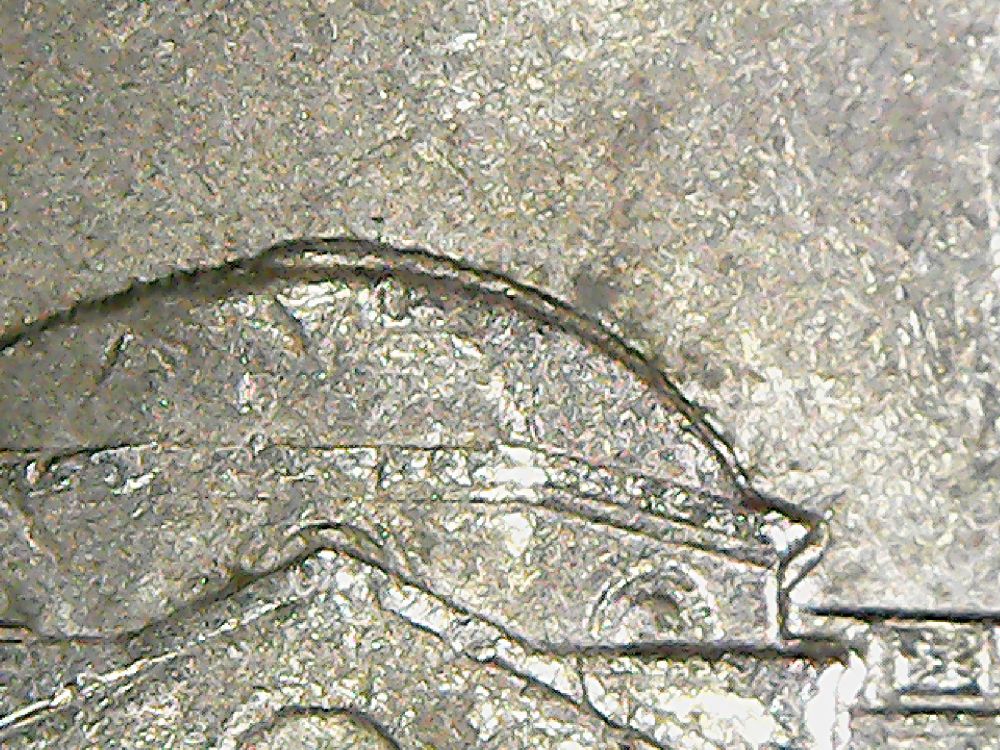
I would say VLDS. Worn die. John1  |
|
Pillar of the Community
United States
4963 Posts |
 I found a 1964-D the other day just like this. |
|
Pillar of the Community
 United States
3360 Posts |
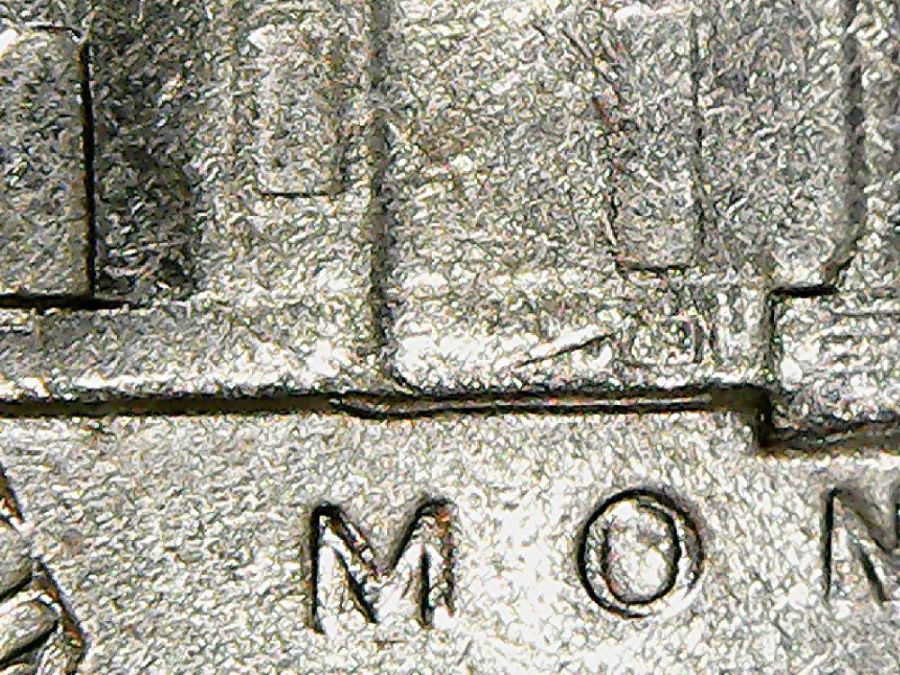
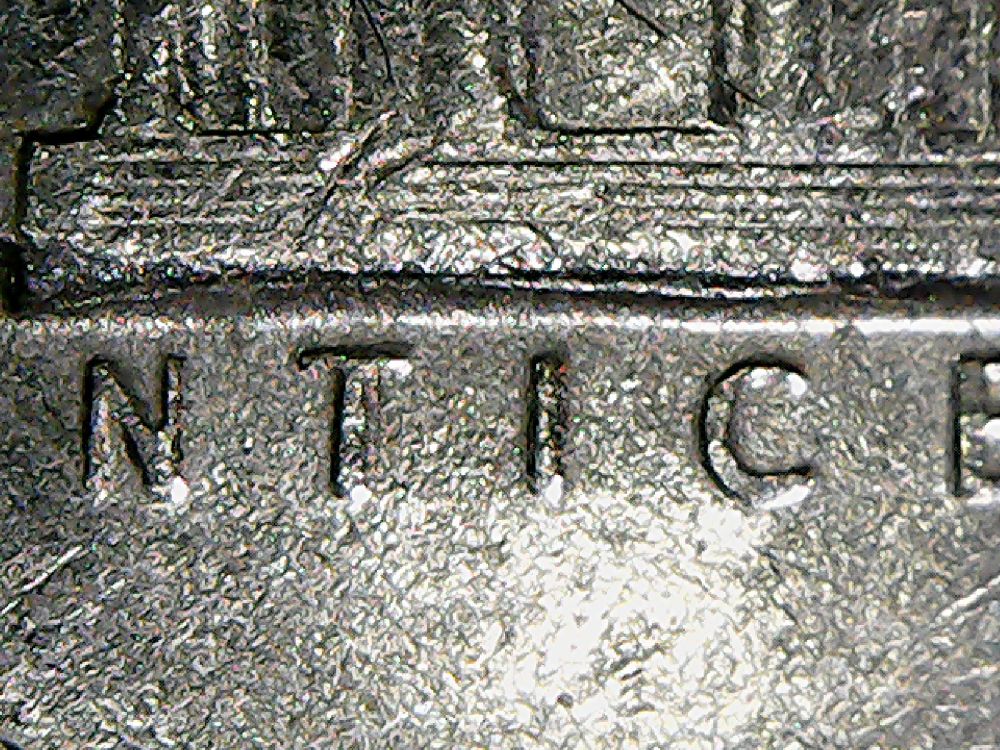
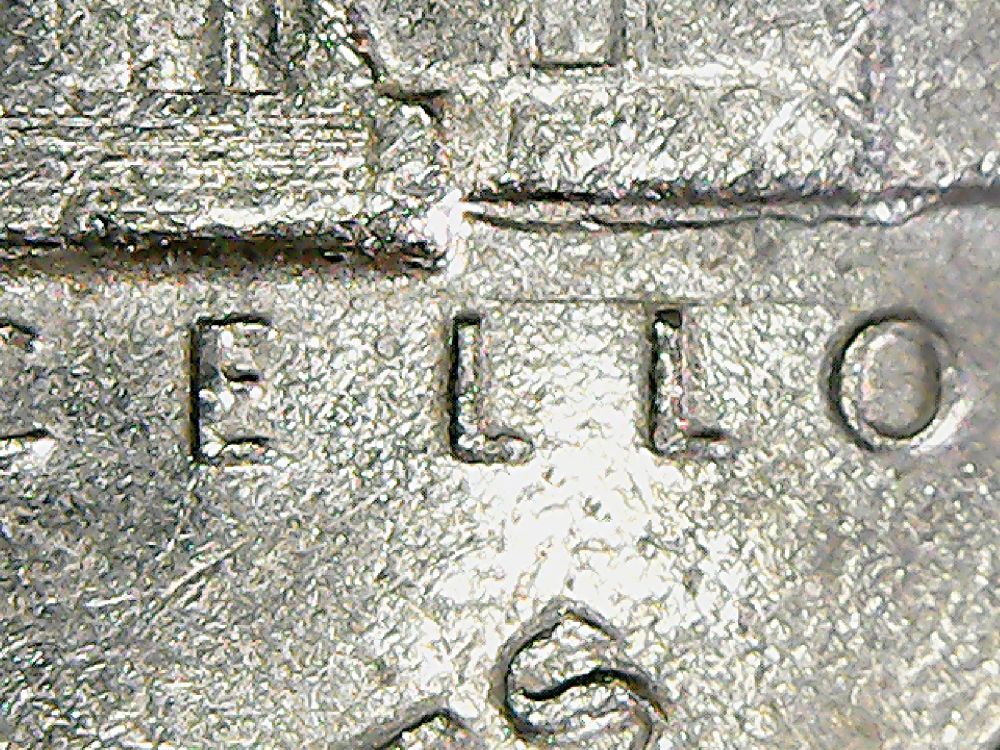
So if it is VLDS - we must be seeing actual die crumbling around the edge of the device. I am thinking that over polishing would not look like this?
|
|
Pillar of the Community
United States
5964 Posts |
|
|
Pillar of the Community
 United States
5828 Posts |
|
|
Bedrock of the Community
United States
62064 Posts |
I did see any Machine damage on the bottoms of the devices on MONTICELLO? But because the base is a higher relief on the coin, these MD may have occurred during the ejection of the coin. 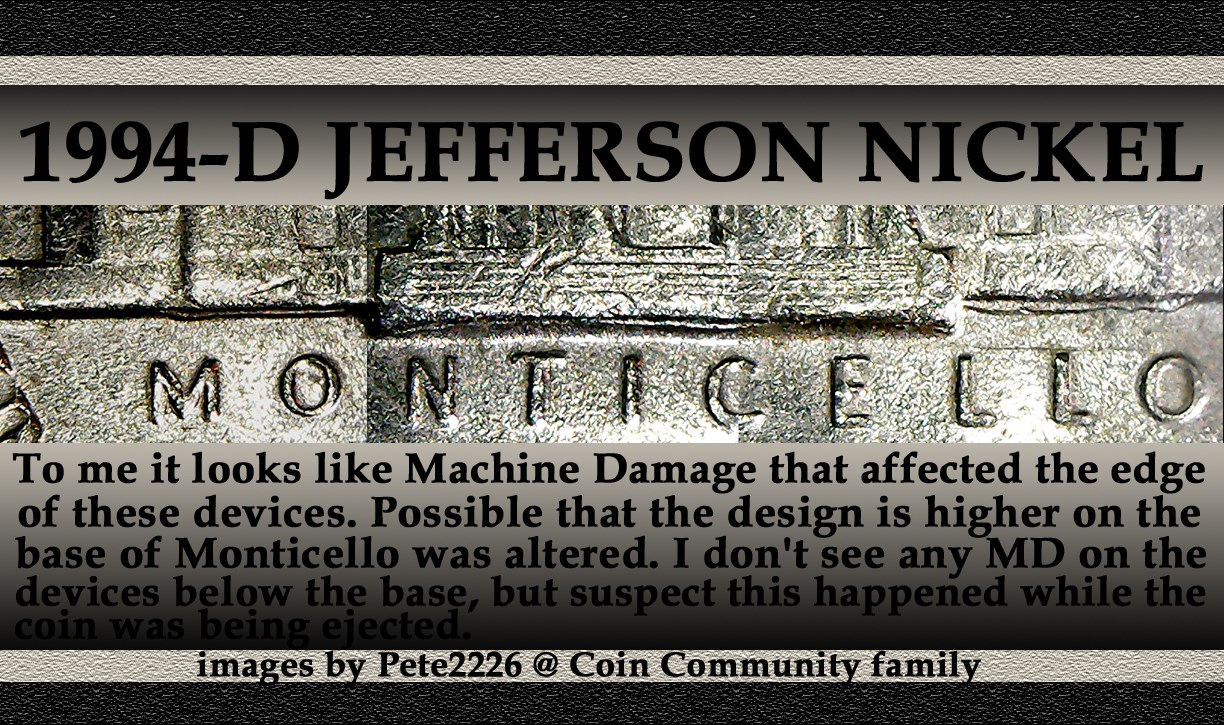 |
|
Pillar of the Community
United States
3360 Posts |
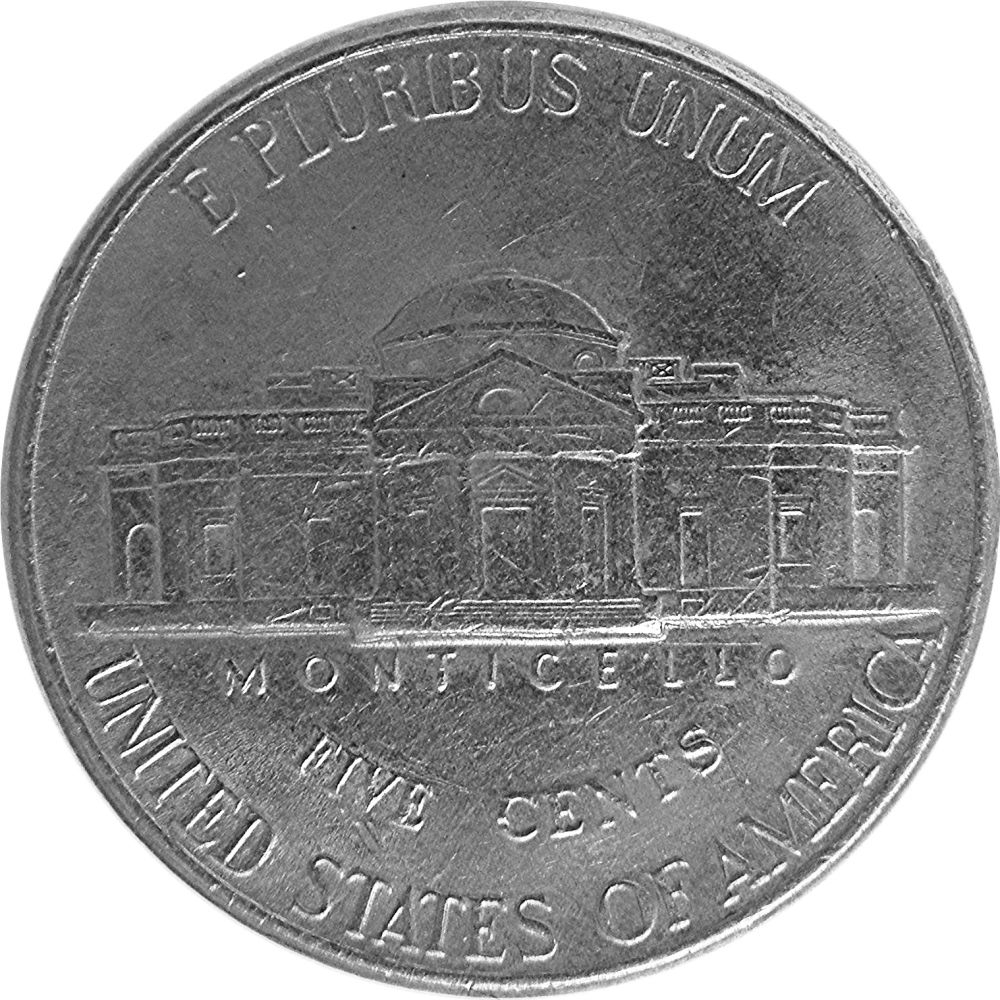
The main reason that I dismissed MD as a possible cause is that the area in question is highly irregular and thicker or heavier (especially above LLO) than MD usually shows. I have really not seen that in any cases of MD. I still am thinking this is caused by some type of die crumbling. Maybe not crumbling, but I can envision where a section of the die broke off right along the edge - thus causing an elongated, irregular, raised area. That would not be called a die crack and it is not what I usually think of as a die break. But it seems like it should have a name!
Edited by Pete2226
11/27/2015 08:30 am
|
|
Bedrock of the Community
United States
62064 Posts |
If they die was crumbling, then it would be looking more like a die chip on the base line. It is the opposite on the right side, it is pushed up to the base line and flat. Being irregular was what made me think it was ejection doubling. I've seen ejection doubling on one coin that affected the tops of the device in just one area: 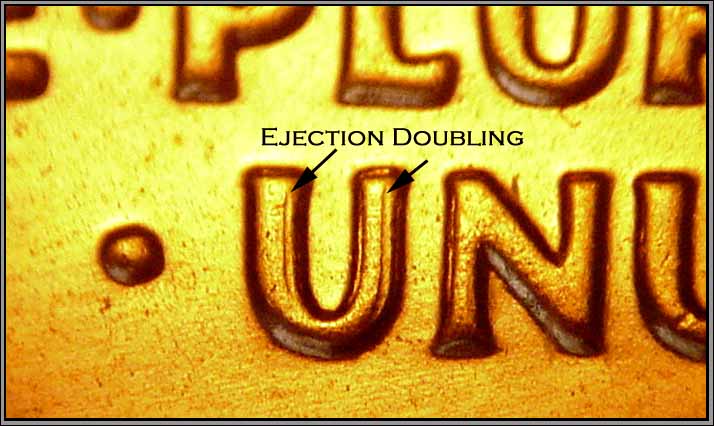 Other times on just a few devices down deeper, but leave the rest of the devices as normal: 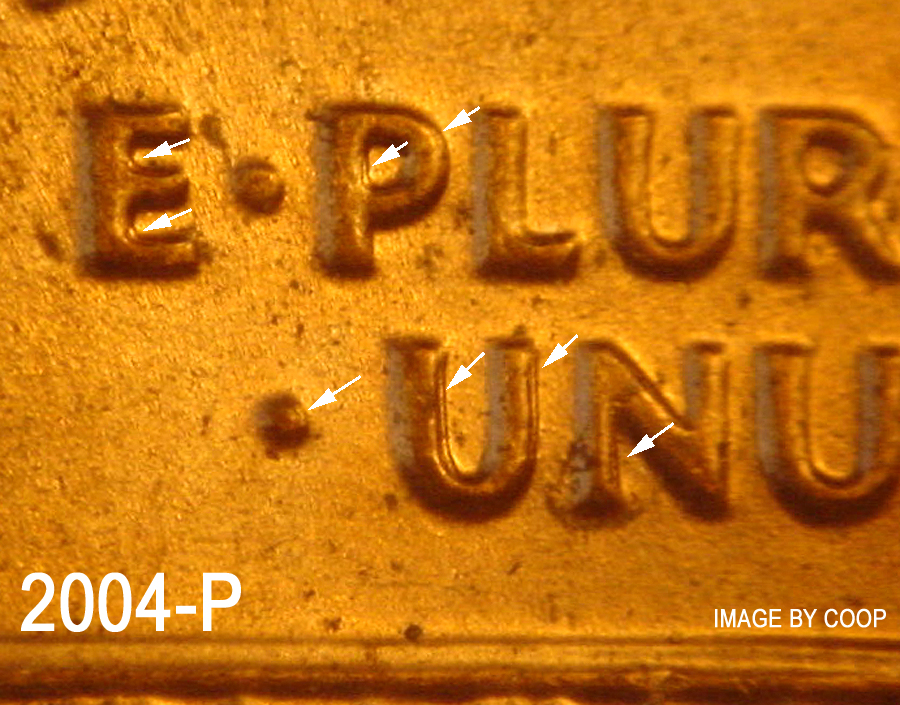 Other times affect the tops of several devices: 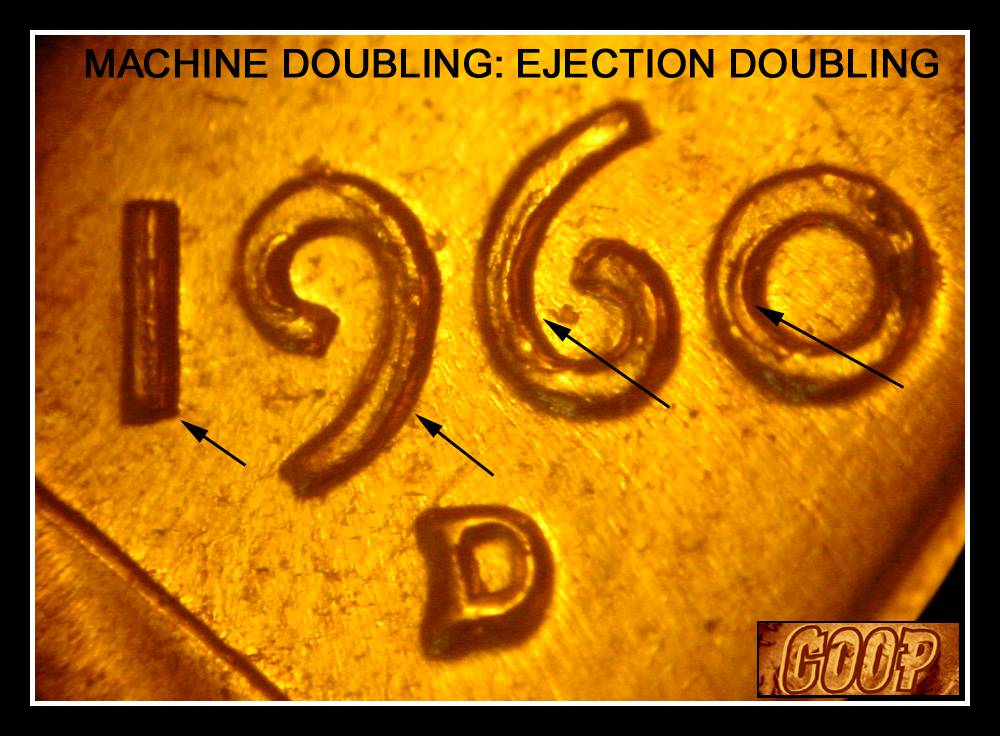 When I found this coin, there was several in the bag that looked like that. |
|
Pillar of the Community
United States
3360 Posts |
Those are nice images, but I do not see any resemblance to the feature on the coin in the OP. I observed, in a prior comment, that it was probably not crumbling. The reason I said that is exactly what you stated - that it looks more like die chips. I see this on Large Cents sometimes and it can, indeed, be an identifying feature of a variety. so I went on to say, and continue to think: Quote:
Maybe not crumbling, but I can envision where a section of the die broke off right along the edge - thus causing an elongated, irregular, raised area. That would not be called a die crack and it is not what I usually think of as a die break. But it seems like it should have a name! If I saw any resemblance to your photos, I might be persuaded otherwise. As I understand it, Ejection Doubling occurs when the strike is completed and the coin is being "spit out" of the press. There is a slight, abnormal, movement which causes the appearance of the doubling. I would like to see a more complete description of what actually happens in order to undersand and visualize it more completely! |
|
Pillar of the Community
United States
3360 Posts |
Okay - I just found this coin - a 1992-P with a really thick ridge along the entire bottom of Monticello. This may support coops theory that it is ejection doubling. It does not have the uneven edges that are on the OP in places. (I still don't understand how to explain that, however). The other thing I do not understand is the thickness of the feature. Any MD I have seen identified as such is nowhere near this thick. So I am still confused about calling this MD or Ejection Doubling! 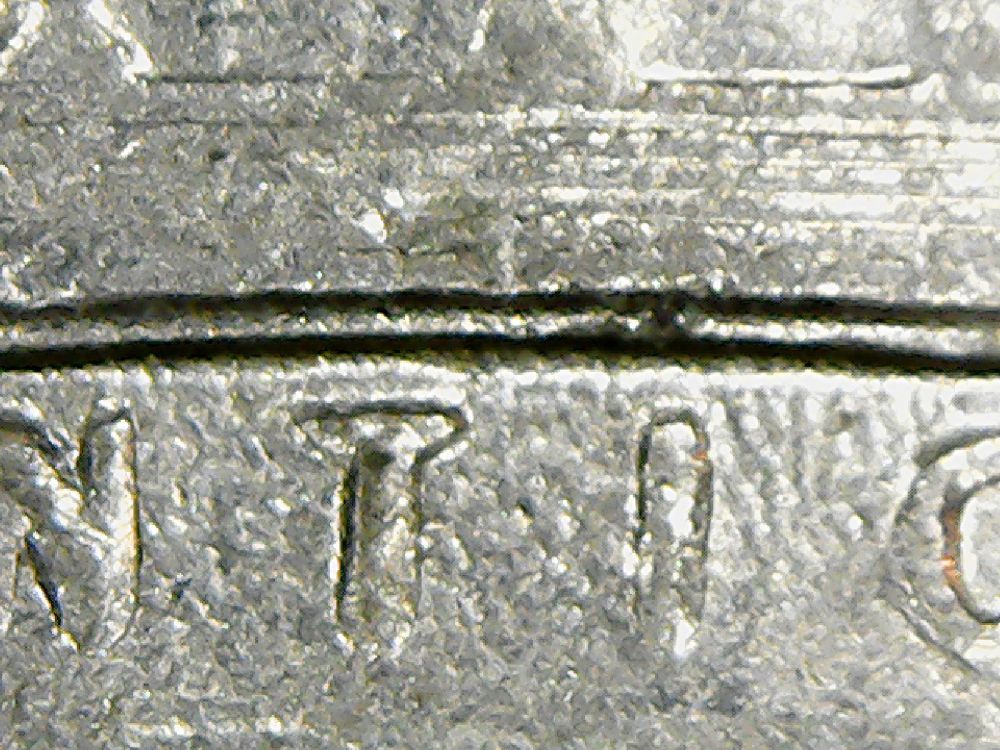 |
|
Bedrock of the Community
United States
62064 Posts |
Some parts of the design is higher than others. (the bust/buidlings/higher designs) So they are more common to show damage even in circulation.
The rim protect the devices on the edge until about the VG grade on coins. Then these devices start to wear down as the rim goes away.
|
| |
Replies: 11 / Views: 1,582 |
|









 Posted 11/25/2015 4:42 pm





