| Author |
 Replies: 8 / Views: 3,289 Replies: 8 / Views: 3,289 |
|
|
Pillar of the Community
United States
3656 Posts |
|
|
|
|
Pillar of the Community
United States
1915 Posts |
Please do not take this the wrong way, as lately folks have been getting their feelings hurt on here. I really think you are focusing way too much on markers. You really need to focus on the variety. The variety comes first. Positioning is the best for ID then come the markers, but depending on die state they may or may not be there.
|
|
Pillar of the Community
 United States
3656 Posts |
Thanks, I am pretty easy going and I need to learn so much. I eagerly take up any suggestions to help me lay the correct path for doing this. I just started in October and have probably been trying to get into too much at once. I did think by looking up the markers was the right thing to do though.
Can you please explain more on the Variety that you mention?
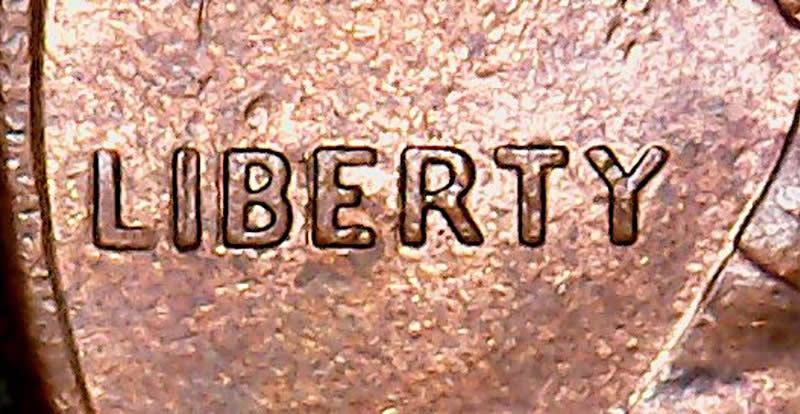
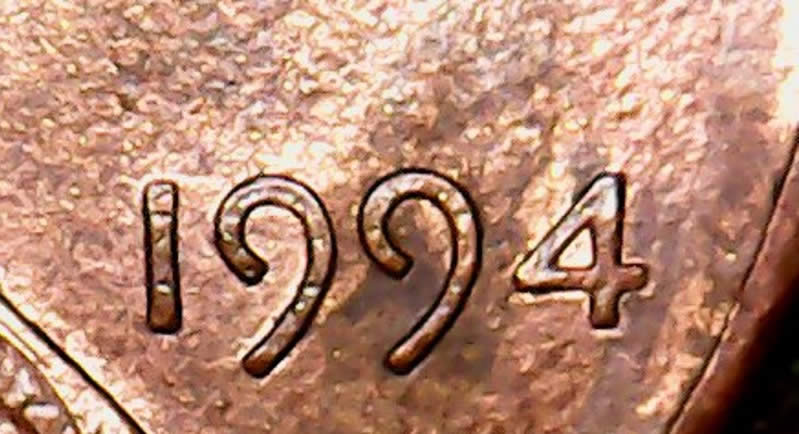
For this coin I frist saw the extra thickness as per what is laid out on Wexlers (I usually have 4 or 5 websites open to go by for design variety, mm, doubles clashes etc?) I feel I have wasted much of your (experts) time by not doing my own research to begin with.
So please feel free to set me straight on what my process should be. I spend sometimes 2 to 3 hours looking up and getting markers (or not) just for 1 coin, so I am sure I can save myself time and frustration as well.
Thank you, I do appreciate your honesty and any and all assistance from you and others to help me out.
|
|
Bedrock of the Community
United States
62064 Posts |
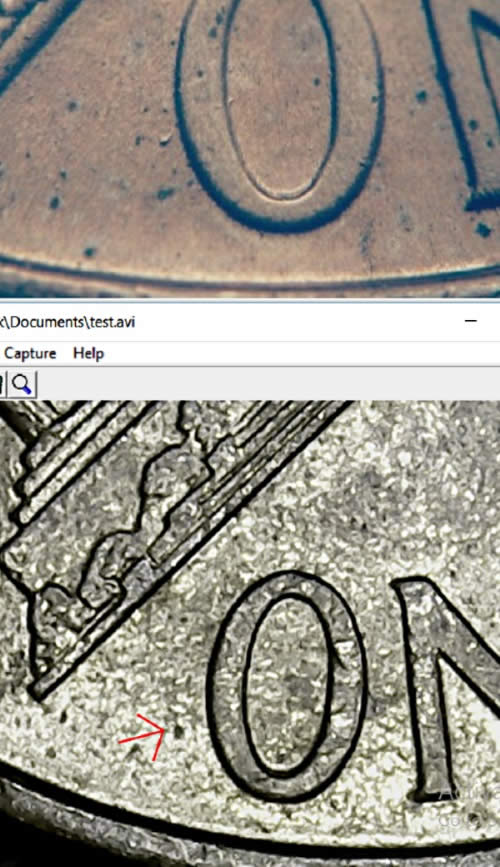
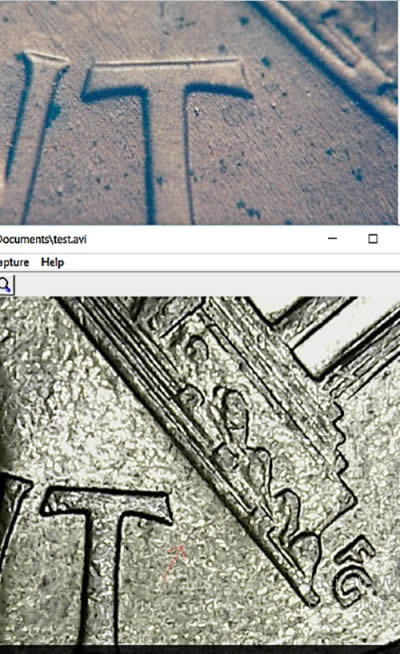
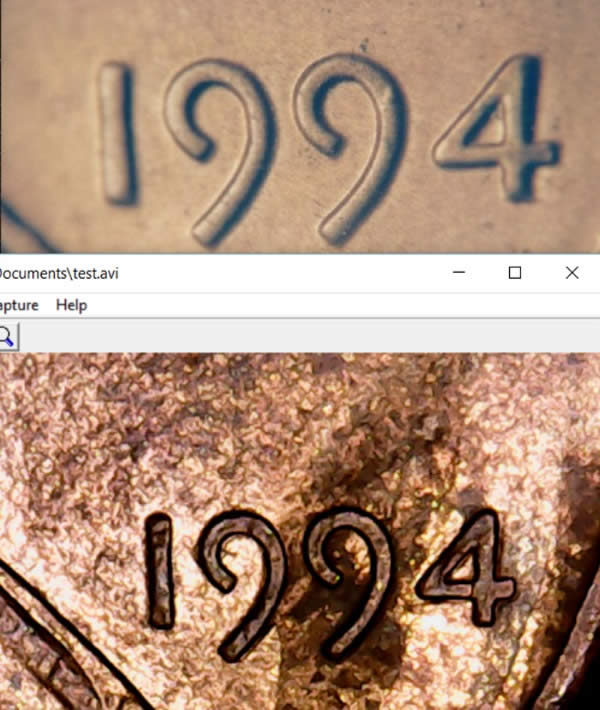
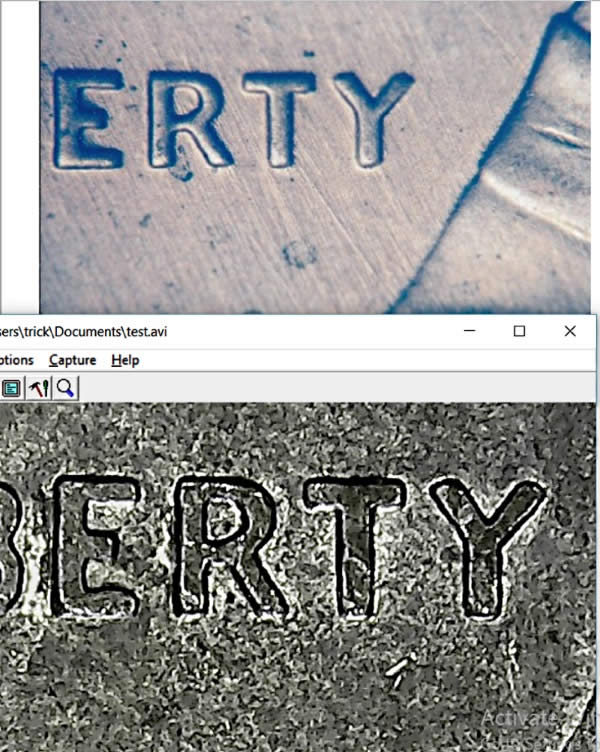
The same event is happening under the 4 as well.
|
|
Pillar of the Community
United States
1915 Posts |
I do not mind helping those that really want it, and appreciate what info they are given. For varieties it can get overwhelming very fast. It did for me as well. Then I decided to concentrate on RPMs. They were easier to find and there was all kinds of resources available in print and online. Now RPMs are my first and strongest love. For them and for doubled dies I really think taking a good clean photo straight on with as much of the coin surrounding the variety is best. Then find a good clean image online. Take both images and crop them at exactly the same spot, using the devices as a guide. For RPMs crop from the same point on the 1 all the way over to the same point of the last digit on both images and go South far enough to go just past the mint mark. Once both photos are cropped the same resize them both with the width being the same for both images. Now compare the two images. See if they line up. I use Photoshop. I copy one image and paste it over the other, and adjust the opacity so I can see through the image to the other one that I pasted over. I then move the overlaid image and see if I can get it to match up. If I can I have found a match. If not I repeat the process with other known and attributed images until I find a match. Coop is the champ of averlays, and like me, is always willing to help those that truly want it. I remember when guys like OcalaFlorida and Sudz were just starting out. Now look at the two of them teaching others. It is a fun process and heck of a ride, but well worth it.
I really encourage that you read how varieties come to be in the minting process. The more you understand that process the more you will be able to rule out things that just do not make sense. Never stop asking questions. NEVER. Take notes, create files, and commit to memory the things you learn. It will take a while but you will get there.
|
|
Pillar of the Community
United States
3656 Posts |
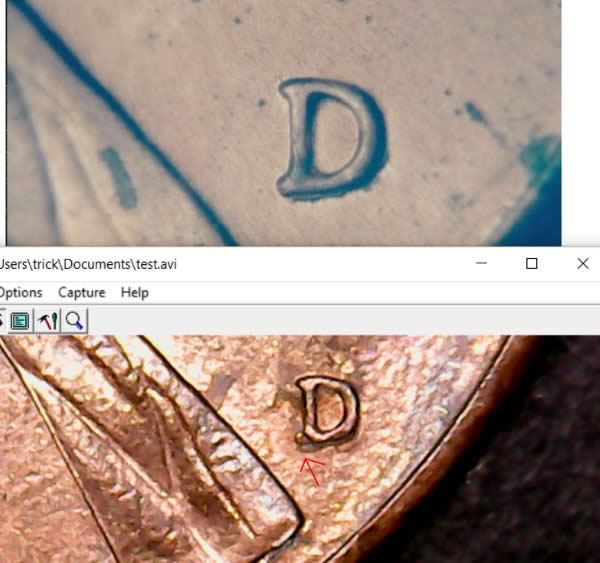
Yes, I certainly agree with the RPM's. (I really enjoy Ocala's finds-and hope to be as successful in my learning). My biggest problem is that all the MM's are crudded up, so I can't see any detail around/under it. I was reading a post a few days ago here on some of the cleaning processes that you all use, but I thought we were not supposed to touch (clean the coins). I have about 4K of the Wheat cents and would really like to invest my time there. But, where to begin on the RPM's?
I use paint.net right now just because I am used to it. I do have Photoshop as well though and I really like your suggestion on the overlays. So, I will need to learn how to use that tool. But, I have to get the crud out of the tiny areas first without damaging it.
When I first started out I did a ton of reading before even joining the forum, but because I hadn't worked with the coins enough it just didn't take. Now I know a little more and will revisit all those great websites. I also go through most of the posts here on the forum trying to take in all the info. There is so much and I don't want to miss any of it, but I know I will do better just concentrating on a couple of areas as you suggested.
Please have patience with me as I really want to learn the right way, and you can always be honest - I need it.
I am so grateful (and hopefully other members as well) for all of you experts here on the forum helping us. If I come across a special find that would be great, but right now I am trying just to learn.
Did you get a chance to check out the post with the member who has a whole box of Wheats? That would fun to dig into.
Thank you for all that you wrote above it really helps.
|
|
Pillar of the Community
United States
1915 Posts |
When you hear "cleaning" in the Coin World, it is usually referring to using some sort of chemical that will actual change the surface of the coin. Such as silver polish for silver coins. It actual removes some of the silver as it polishes, which is damaging the coin. Also stuff like copper cleaner or ketchup for cents. You are trying to enhance the coin. What most of us are talking about that is considered by most, notice I said most, not all, is clearing the debris, oil and dirt, gunk that builds up in the recessed areas of a coin. Most use 100% pure acetone. It is non abrassive, and drys completely away. It does not leave a film or layer on the surface. All the acetone is used for is to loosen up the debris so that you can remove it without damaging or scratching the coin. I only use it on coins that really need it. If a coin has a small amount of debris and it is not affecting any of the area that the variety is located in, I leave it be. There is a product called Verdi-care that is very good at stopping verdi-gris on cents. That is the green tarnishing of copper. It is often debated as to if this is acceptable or not. Me I love the stuff. It is up to the individual. I do not get my coins graded. I like to hold and examine my coins. I do not like looking at them as if it was a prison visitation room. But that is me. It is all up to you what you want out of the hobby. Many of the grading companies will not grade coins they can tell have been messed with in any shape or form. Edited by seal006
01/05/2016 12:59 pm
|
|
Pillar of the Community
United States
3656 Posts |
Thank you I have been organizing all of your comments from this post into my computer files that I started regarding the various areas in coin collecting, pictures etc. I did some reading today on the RPM's and OMM in Wexlers and also on Variety Vista, and coppercoins. But I still need to keep re-reading until I get a good understanding and eye for seeing the marks that do "Make-Sense".
I appreciate all your time.
|
|
Pillar of the Community
United States
1915 Posts |
It has been a pleasure for me too. I love passing on to others what I have learned.
|
| |
Replies: 8 / Views: 3,289 |
|











 Posted 01/04/2016 8:46 pm


