| Author |
 Replies: 24 / Views: 6,820 Replies: 24 / Views: 6,820 |
|
Valued Member
United States
165 Posts |
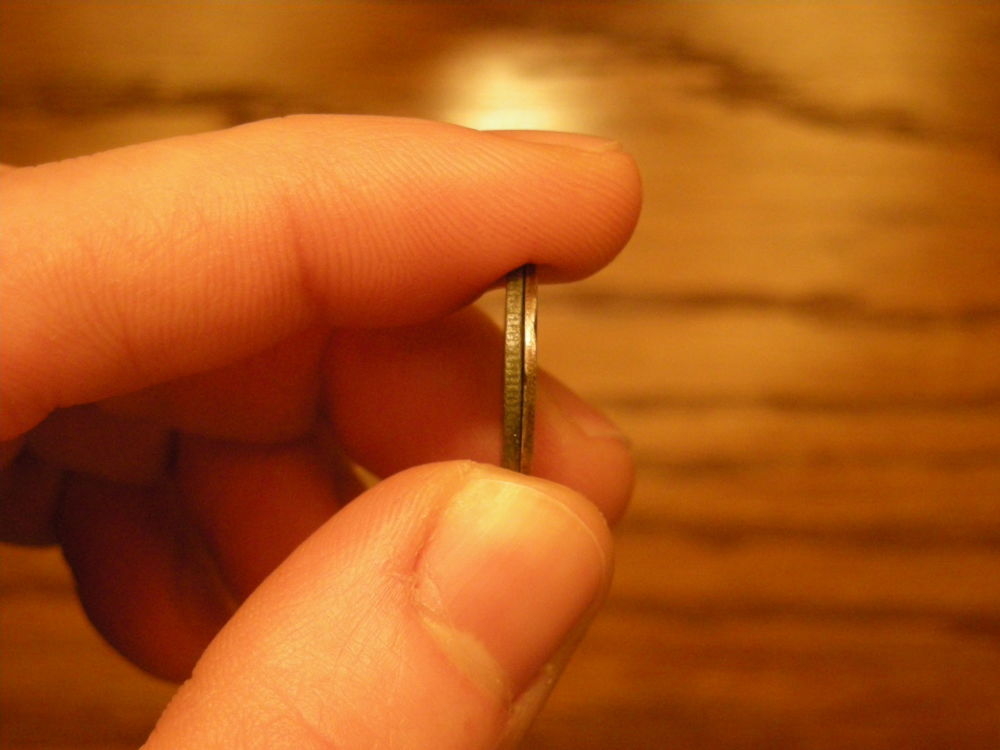
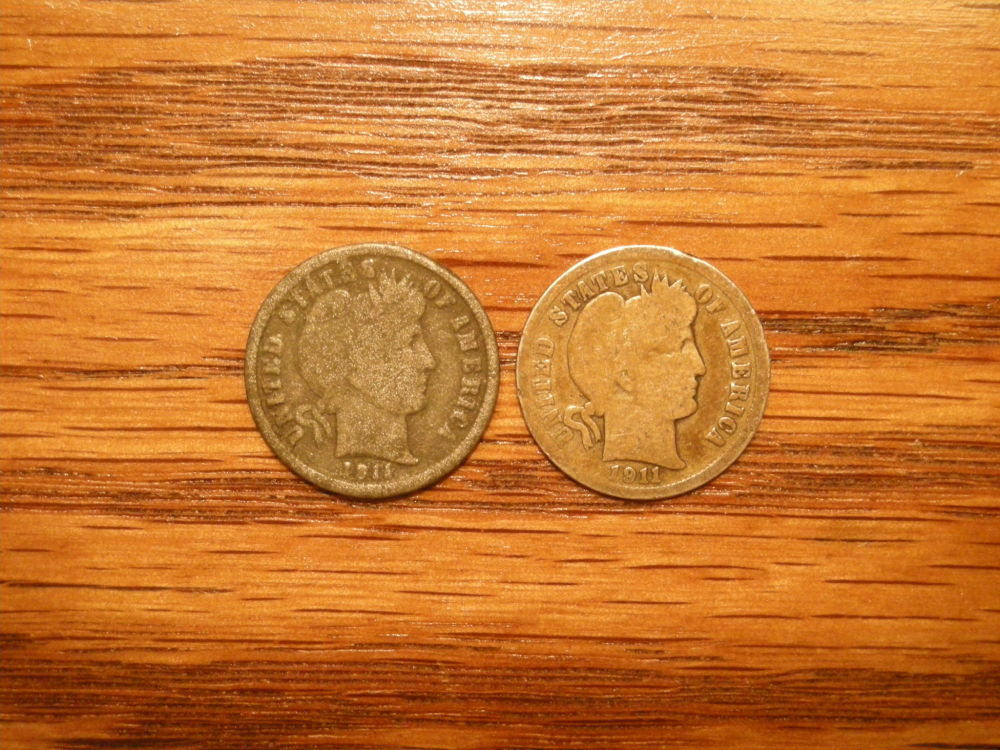
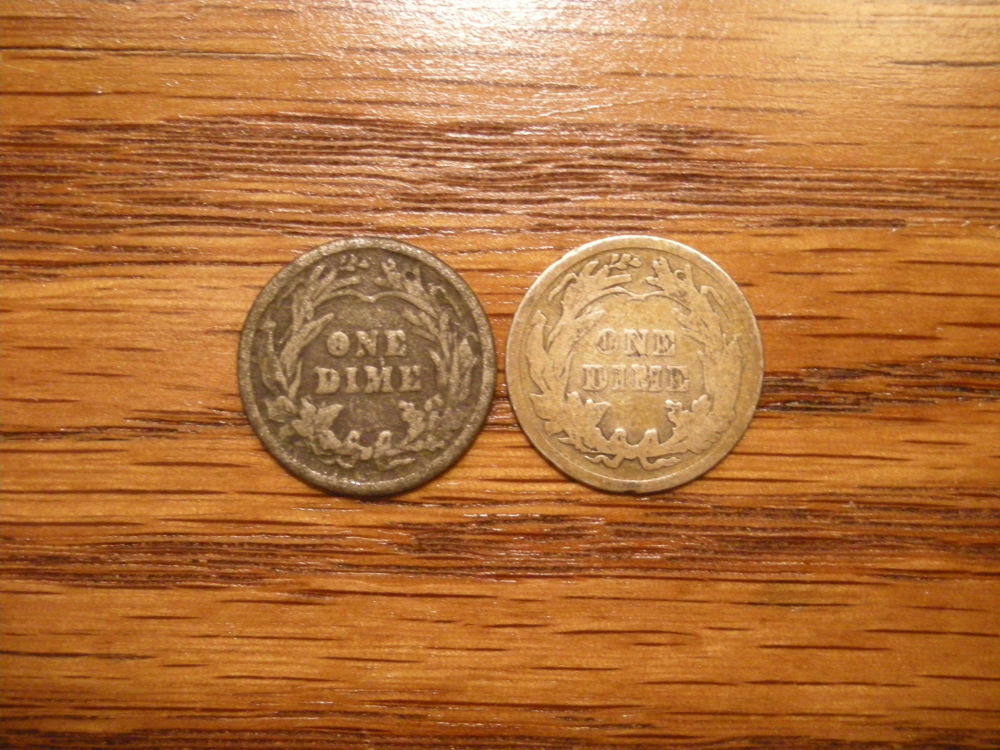
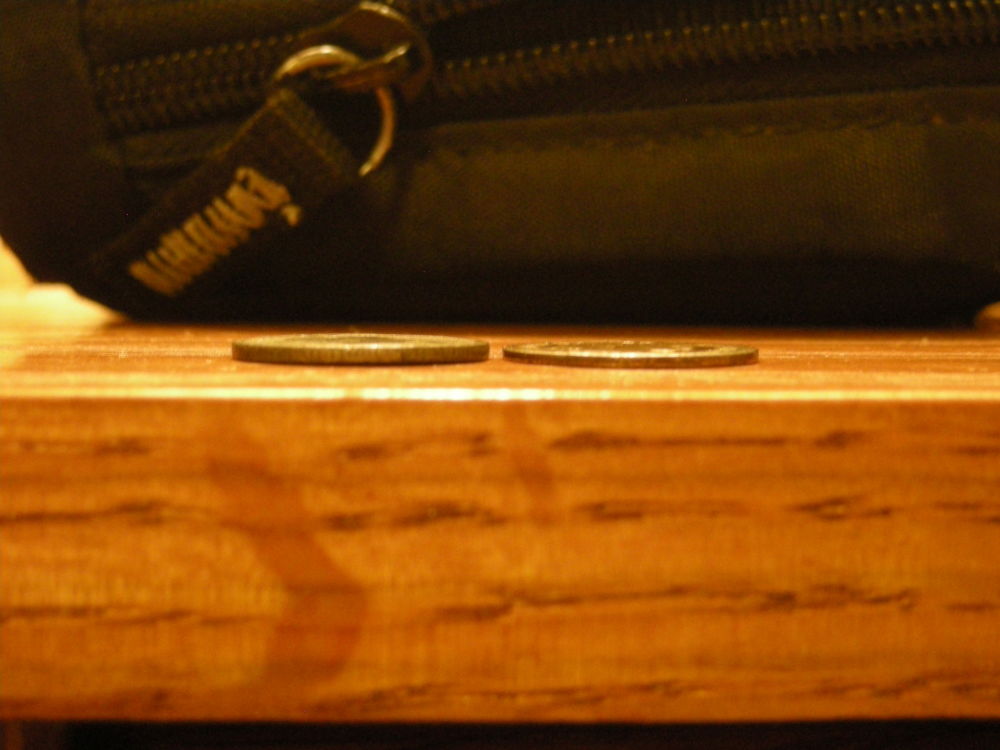
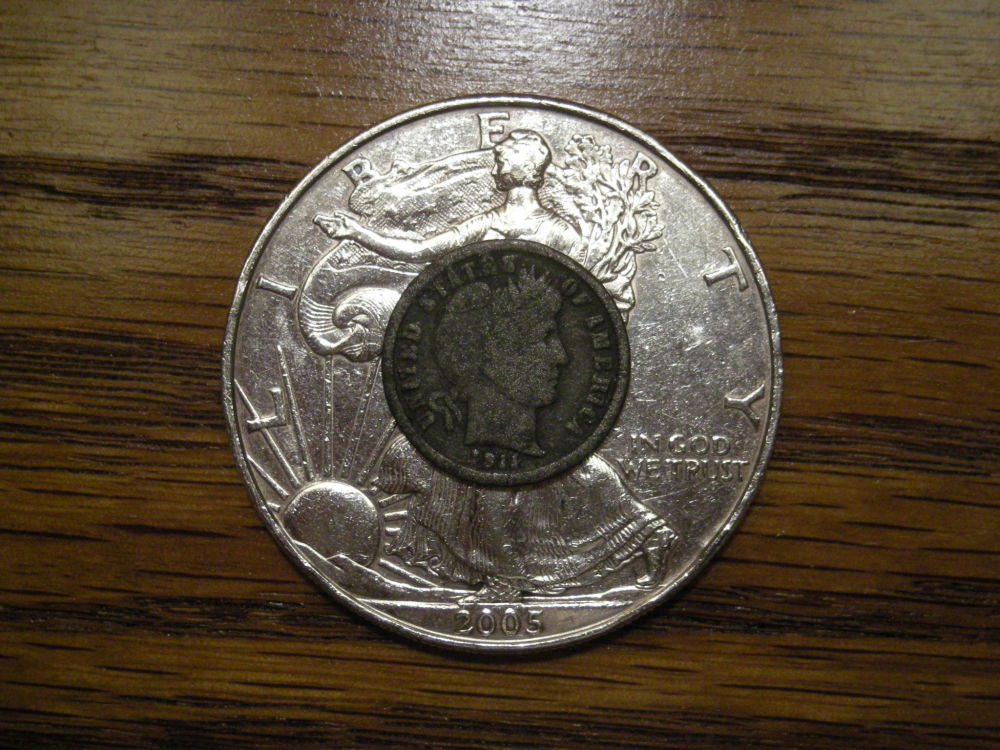
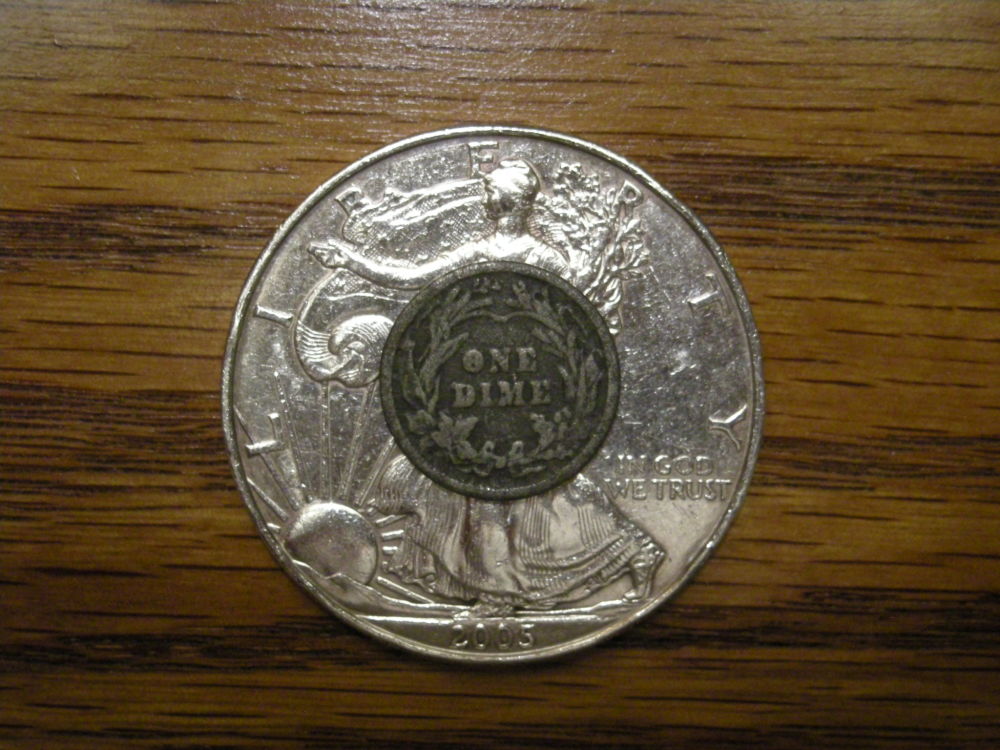
Would anyone happen to know if this counterfeit Barber dime is a modern fake, or a contemporary one? I picked it up out of a dealer's junk silver bin today for 10x face. I just thought it was interesting, since I've never seen a fake Barber coin before. The coin is heavily pitted, and has fairly poorly defined devices and legends overall. It is extremely underweight (2.00 grams versus the 2.50 gram standard), but its physical dimensions are identical to that of a real dime. It does have very faint reeding along most of its edge. As far as composition is concerned, the dime is definitely not silver. However, it does not appear to be lead either, since it is quite rigid, as well as completely non-bendable. In addition, it is non-magnetic. Thank you in advance for any assistance that anyone may be able to provide. I apologize in advance for the small pictures; this is as close as I can get to the coin with my camera's macro setting while still taking clear pictures. 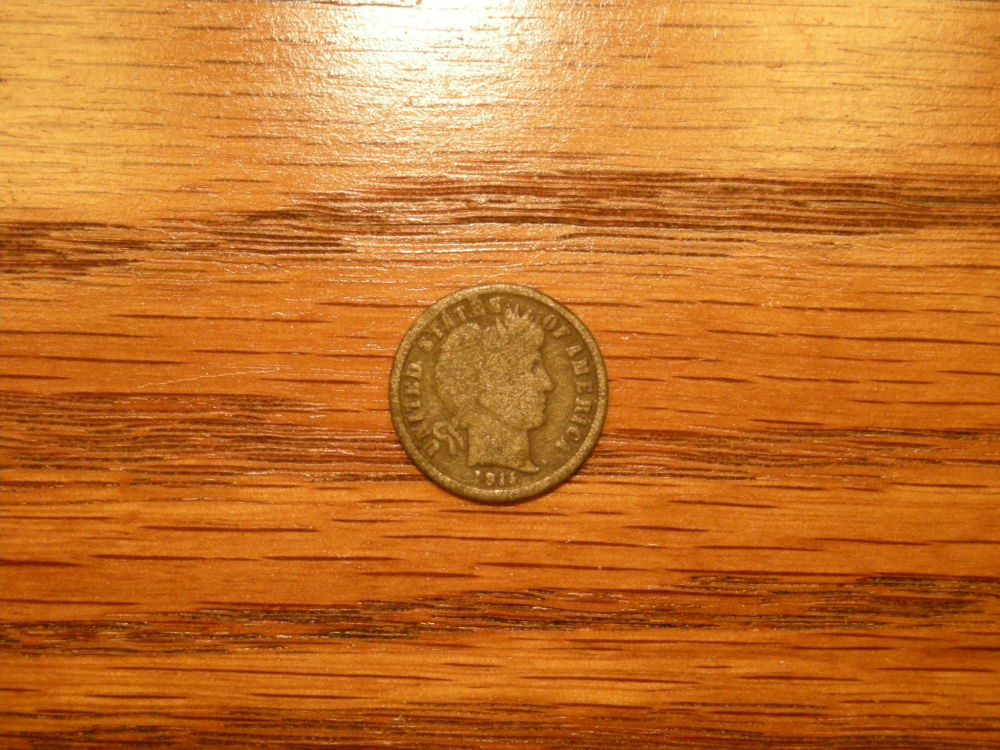 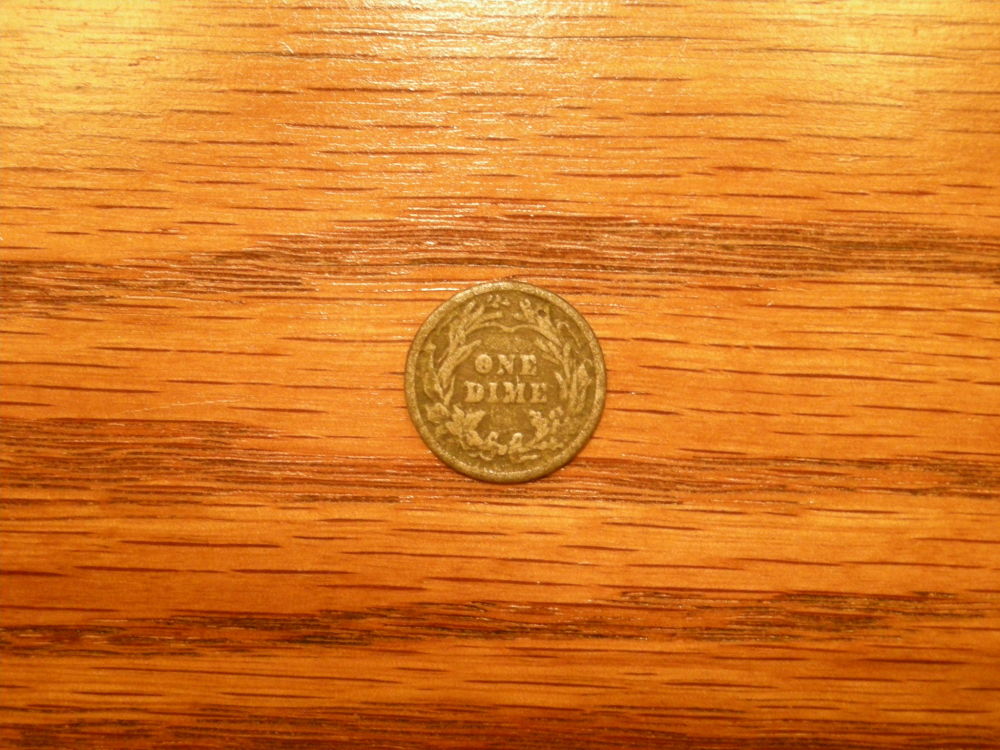 Edited by Earendil
01/28/2016 4:16 pm
|
|
|
|
Valued Member
59 Posts |
|
|
Valued Member
59 Posts |
Never mind. Is it brass or silver.
|
|
Pillar of the Community
United States
505 Posts |
I found a very simular looking Barber dime metal detecting in moist mineral-filled soil. |
|
Moderator
 United States
195350 Posts |
By the photos alone, I am not convinced it is fake. My first thought is environmental damage.
|
|
Pillar of the Community
United States
1192 Posts |
I would rule out a modern fake given that it's a cheap coin in that condition. Why make fakes of common dimes worth less then $2. I'm also not sure how popular counterfeiting 10 cent pieces back then was.
You know it's not magnetic so get another silver dime and stack them. Are they the same approximate diameter and thickness and the correct weight? If so its probally silver.
I tend to agree that it's just heavily environmentally damaged like if it was burried in a wet salty area. That's why it would be pitted instead of just toned heavily. Actual corrision has happened which is rarer to see but possible in silver.
Edited by Bertensgrad
01/28/2016 5:38 pm
|
|
Bedrock of the Community
United States
94367 Posts |
 Doesn't seem to be any indication of it being counterfeit. |
|
Moderator
United States
195350 Posts |
I will add that corrosion will affect the weight.
|
|
Pillar of the Community
 United States
5828 Posts |
It will... Legit coins, IMHO as far as I can tell from those pics, atleast.... |
|
Valued Member
 United States
165 Posts |
Thank you to everyone for looking at it; I truly appreciate the different opinions that have been presented thus far.
Initially, I, too, thought that its appearance was imparted by a decades-long period of burial, but its overall look and texture just seem a bit off to me. Corrosion would be one thing, but every area of the coin is uniformly gray and mottled, while it neither looks--nor feels--like silver. Would burial be capable of causing the coin's devices to become so "mushy"? Even the lettering seems thicker and more uneven than it is on the other dime.
Edited by Earendil
01/28/2016 6:50 pm
|
|
Valued Member
United States
165 Posts |
Edited by Earendil
01/28/2016 6:47 pm
|
|
Bedrock of the Community
United States
12057 Posts |
I think it's real, but dug/detector find; how did you establish that it's not silver? Specific gravity test, XRF, ring test.. ?
Member ANA - EAC - TNA - SSDC - CCT #890 "Most of the things worth doing in the world had been declared impossible before they were done." -- Louis D. Brandeis |
|
Valued Member
United States
165 Posts |
Thanks for looking at it. I was honestly going more by the look and feel of the coin than anything else; it just seemed to be a bit too uniformly worn/ damaged. In-hand, the "crudeness" of the coin seems to be resultant more from a poor alloy/ alloy mix, rather than from environmental effects. I could certainly be wrong, though!
Regrettably, I do not have access to any specialized equipment. However, with regard to the ring test, I have tried to get the coin to make silver's characteristic "ping," but all I've been able to get out of it is a dull "thud." If the coin is truly silver, it's as if it's inner structure is compromised, or riddled with holes. Or, the coin could be some other metal. I honestly don't know; I'll probably see what it looks like under magnification.
The other problem was the weight difference. Do you know if it's possible for a full 20% (0.50 grams) of the dime's weight to leach away underground?
Edited by Earendil
01/28/2016 9:13 pm
|
|
Bedrock of the Community
United States
12057 Posts |
I've seen coins lose 50% or more of their planchet weight in acidic soils and beach/marine recovery.
Member ANA - EAC - TNA - SSDC - CCT #890 "Most of the things worth doing in the world had been declared impossible before they were done." -- Louis D. Brandeis |
|
Pillar of the Community
United States
3360 Posts |
I'll go with it being a contemporary forgery. I have a similar mushy-detailed French 2 franc brass forgery. It was no doubt sharper looking before it lost its plating.   Forgery of small coins was common in France. I think that it was easier to get small coins to pass into circulation. Here's an American example, an 1861 plated dime with the silver partially worn off. https://southcarolina1670.wordpress...-the-effort/"Two minutes ago I would have sold my chances for a tired dime." Fred Astaire
Edited by thq
01/28/2016 11:58 pm
|
|
Rest in Peace
United States
17900 Posts |
Depending on the soil acidity and/or alkalinity a 90% silver coin can lay in the ground for centuries with virtually no corrosion.
I've pulled hundreds of single coins out of the soil with the silver surfaces still as shiny as the day it was dropped.
Assigning an age to a coin based on possible deterioration due to oxidation is a fool's game. It depends on what the soil content was like much more than time it was encased.
|
| |
Replies: 24 / Views: 6,820 |







 Posted 01/28/2016 4:30 pm