











 Posted 01/31/2016 10:42 am


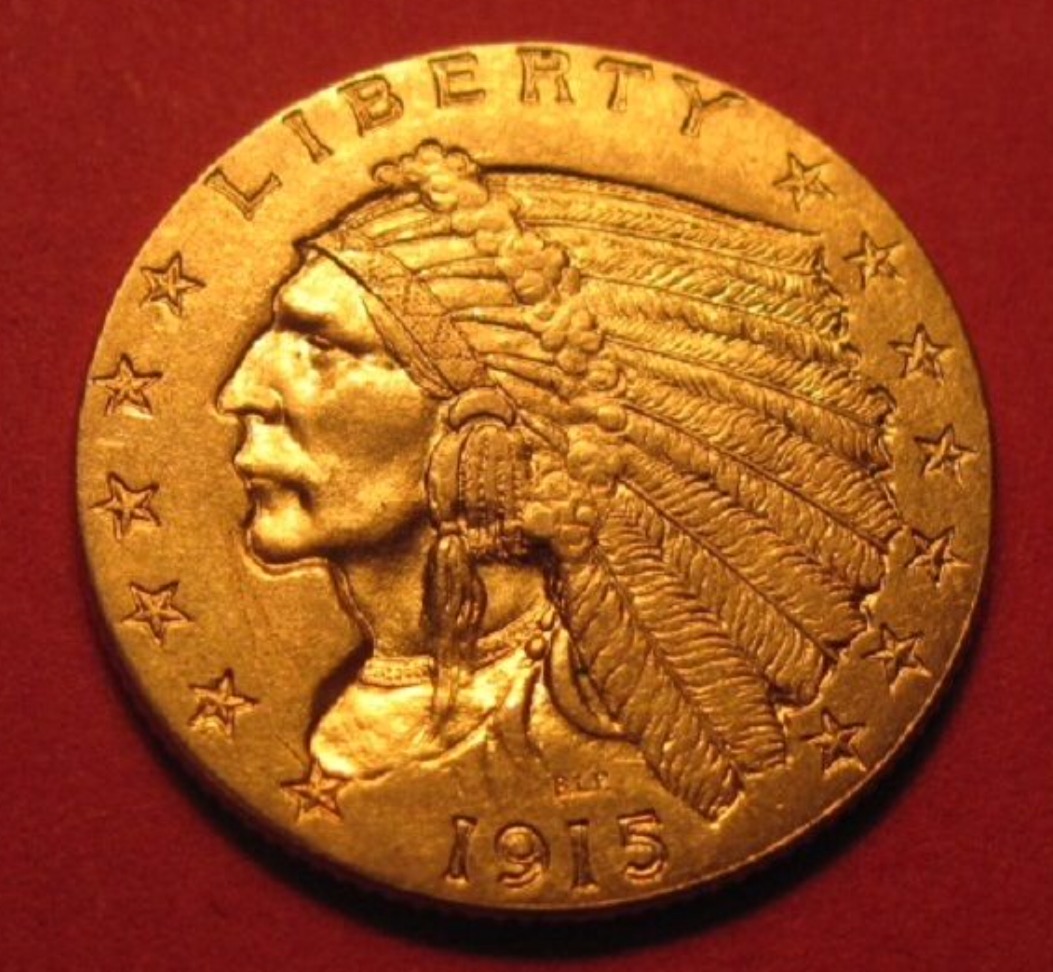
1915 obverse:
 If you look at the back of the Indian's neck, you will find toolmarks and a "lake effect." The lake effect is caused by a loss of relief during the die transfer process. As you can see, the gentle slope stops abruptly and does not continue to the edge of the headdress, unlike on a genuine coin.
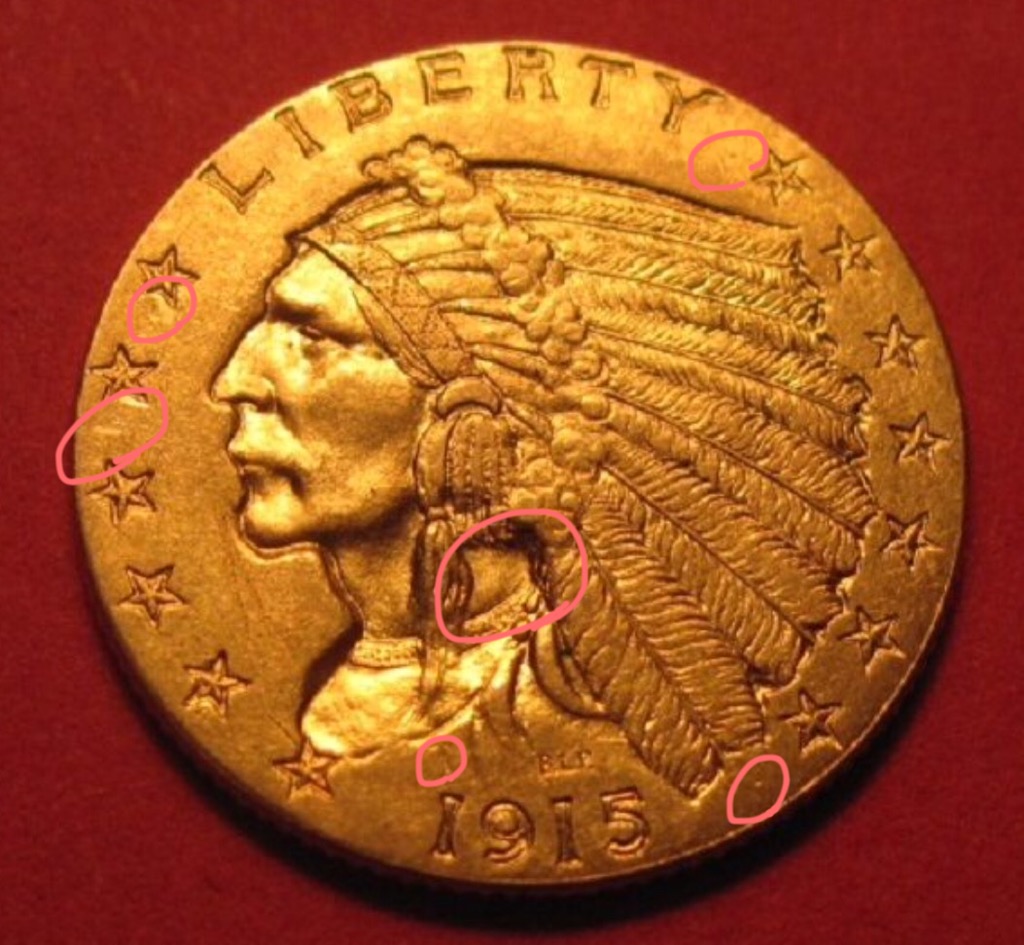
I have circled numerous "depressions," which are the artefacts of contact marks that were put into the die during the die transfer process. These are discernable by having the same luster as the surrounding fields as it was struck that way. There is also no raised metal around the edges of the mark, which would be there if the mark was genuine.
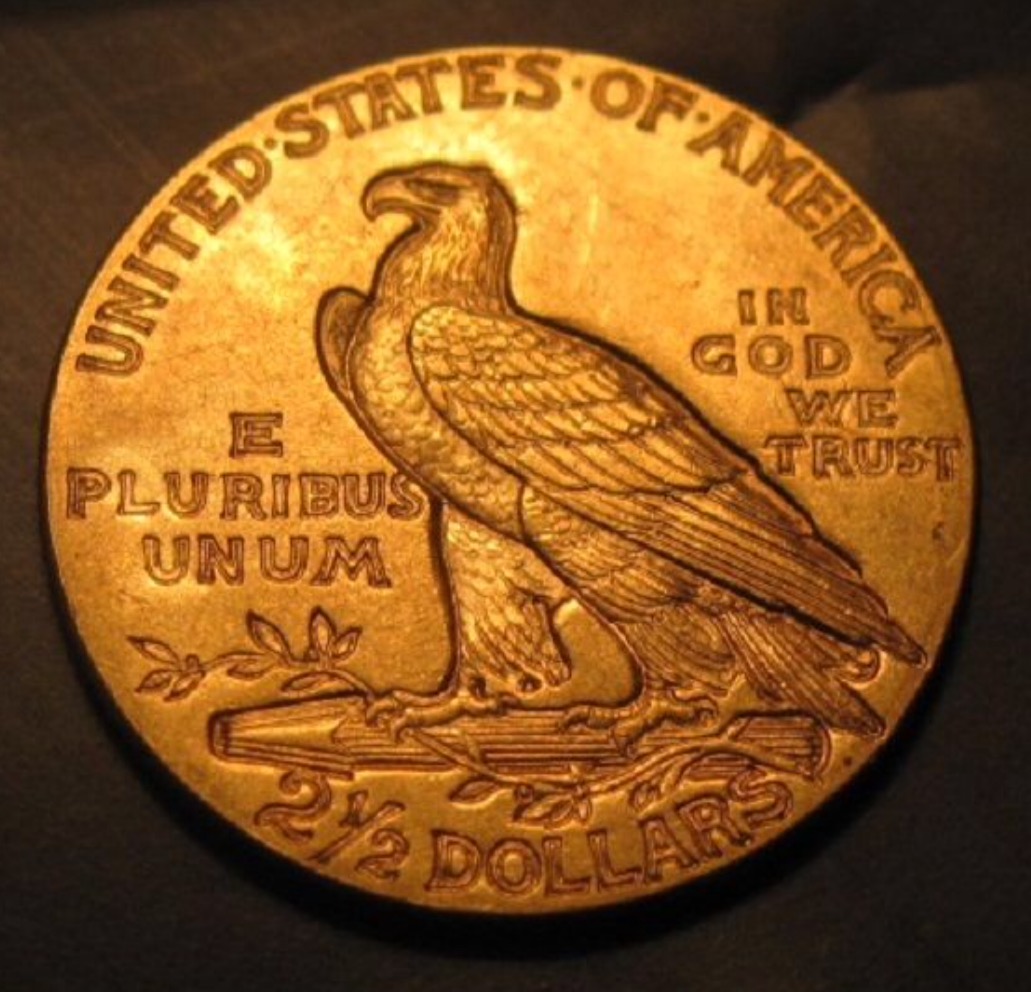
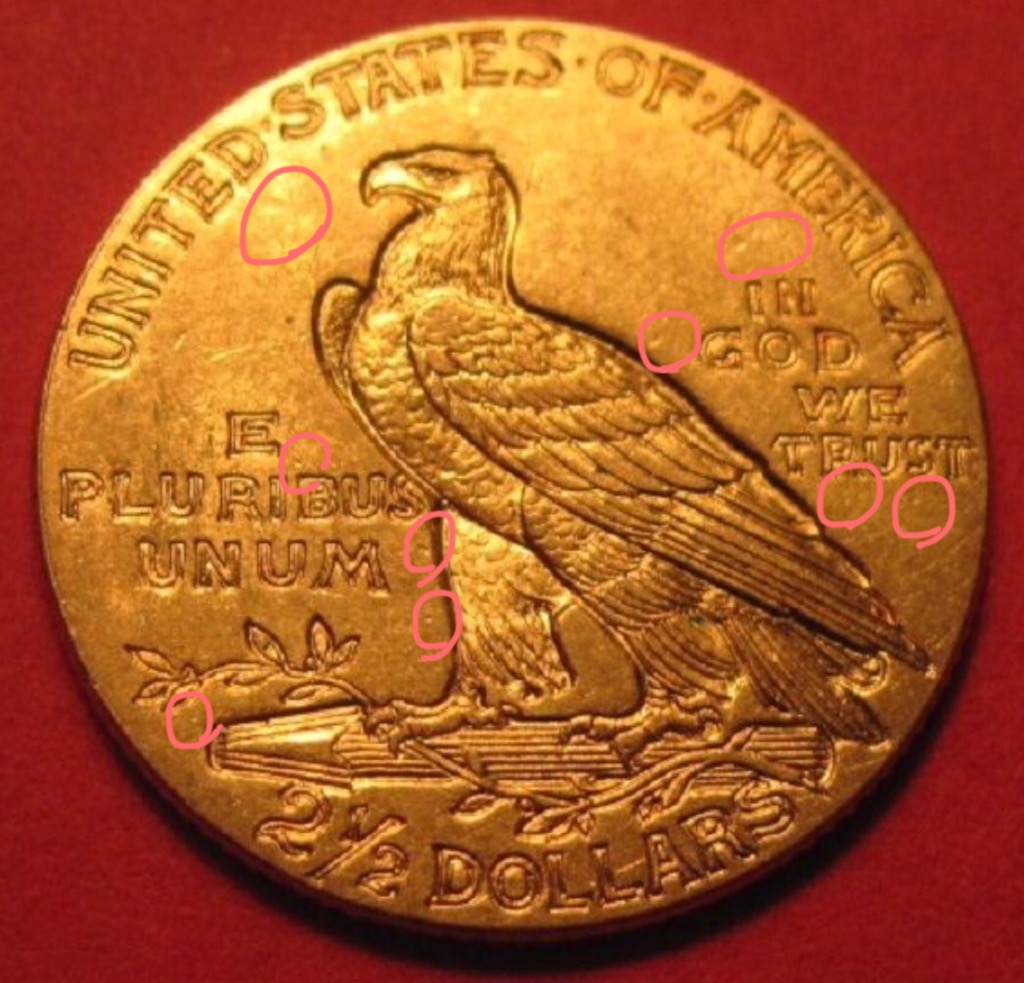
Reverse of the 1915:
I have circles more depressions.
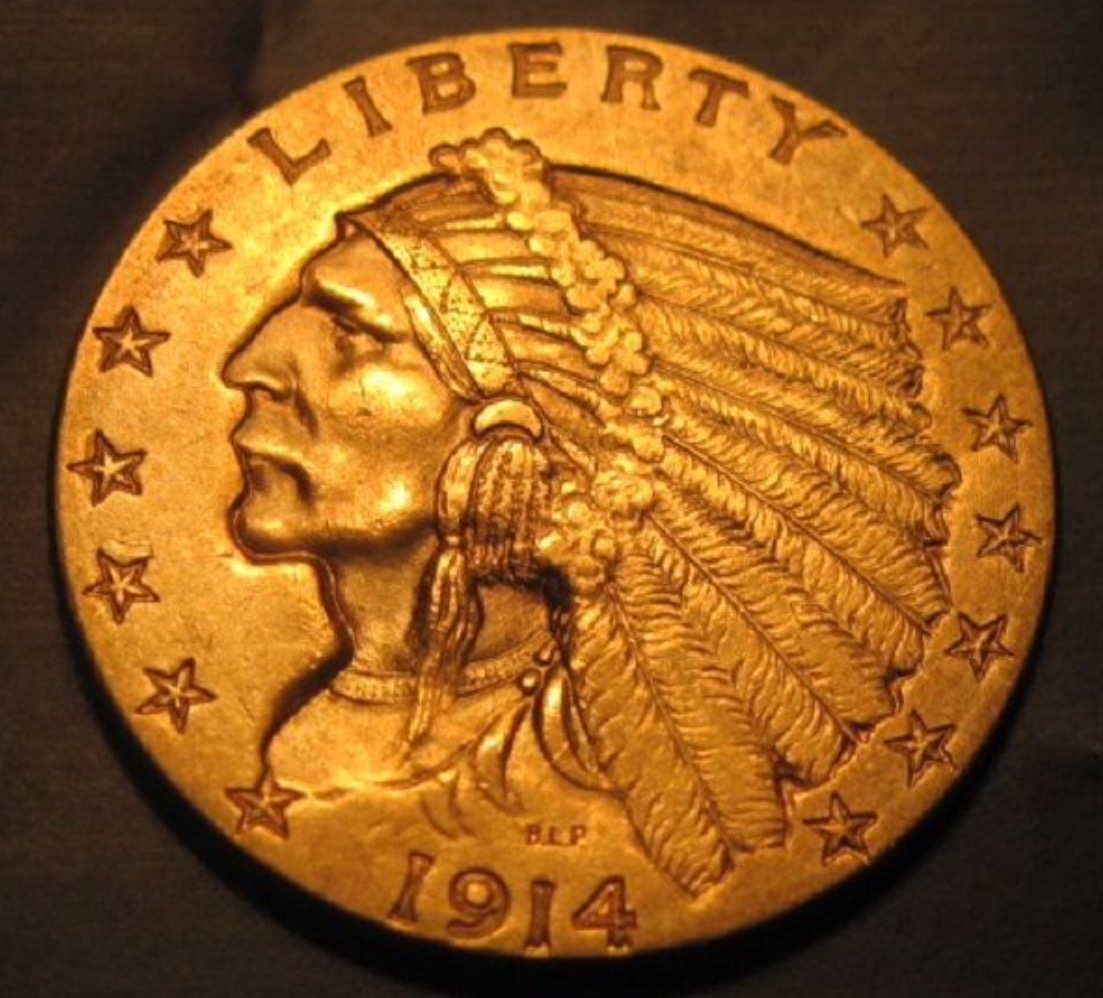
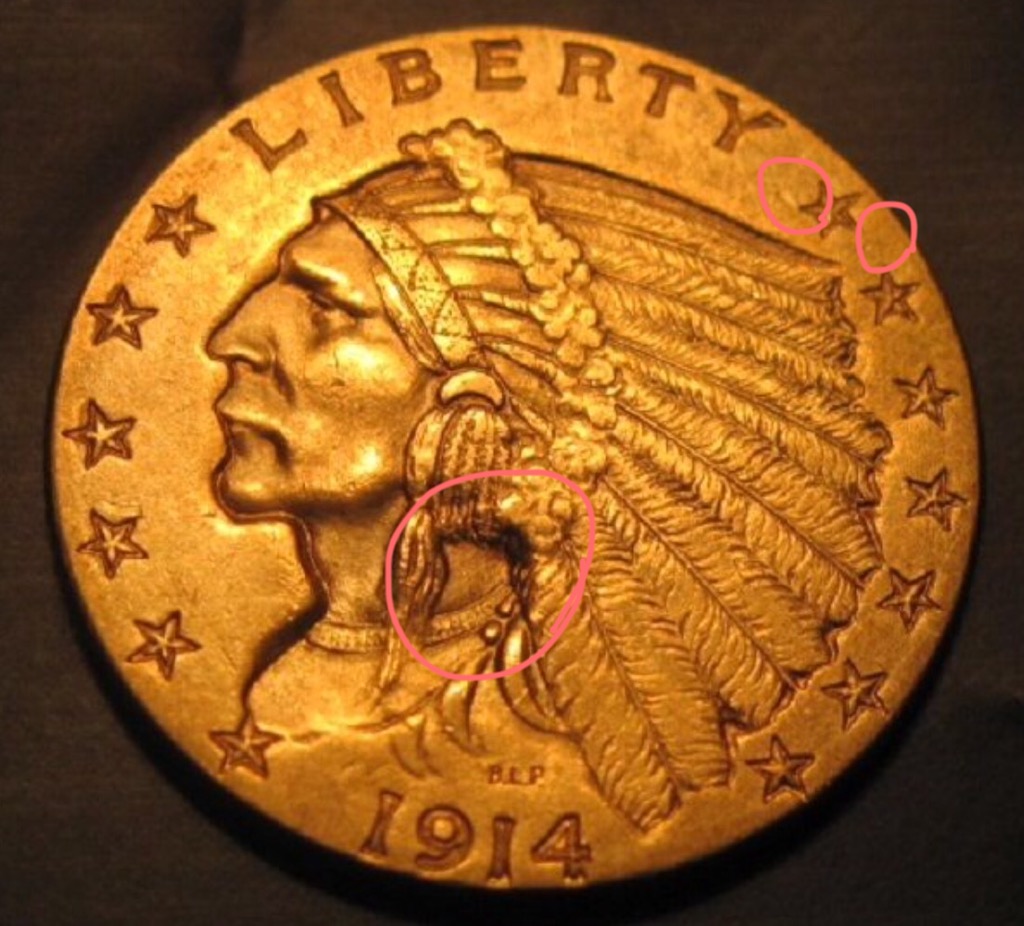
Obverse of 1914:
The toolmarks and the "lake effect" are present on this coin. The pictures are blurrier, so I can't make out the depressions as easily.
If you look at the back of the Indian's neck, you will find toolmarks and a "lake effect." The lake effect is caused by a loss of relief during the die transfer process. As you can see, the gentle slope stops abruptly and does not continue to the edge of the headdress, unlike on a genuine coin.I have circled numerous "depressions," which are the artefacts of contact marks that were put into the die during the die transfer process. These are discernable by having the same luster as the surrounding fields as it was struck that way. There is also no raised metal around the edges of the mark, which would be there if the mark was genuine.Reverse of the 1915:
I have circles more depressions.Obverse of 1914:
The toolmarks and the "lake effect" are present on this coin. The pictures are blurrier, so I can't make out the depressions as easily.Edited by TypeCoin971793
01/31/2016 10:44 am
01/31/2016 10:44 am


