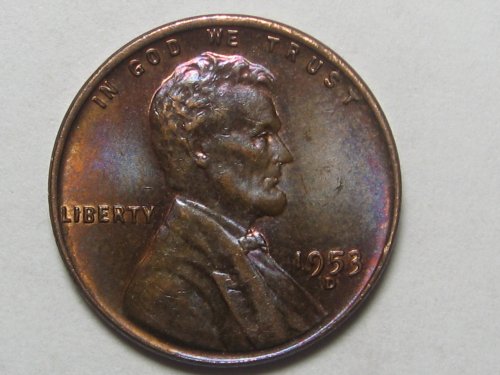
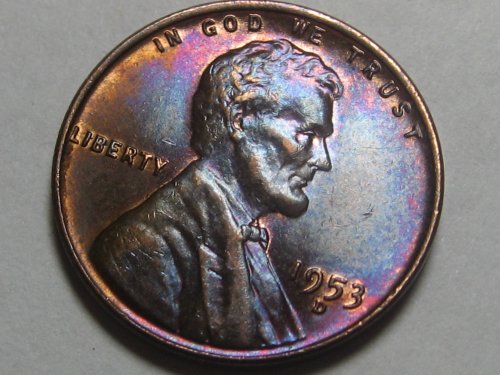
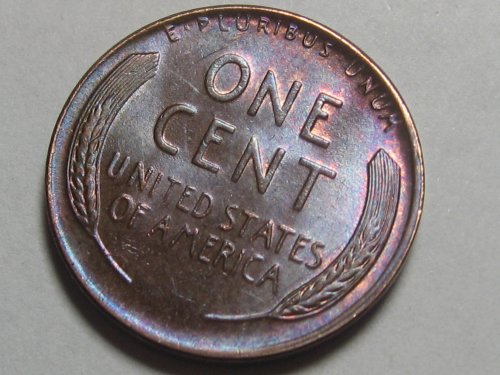
copy from gainesville coins
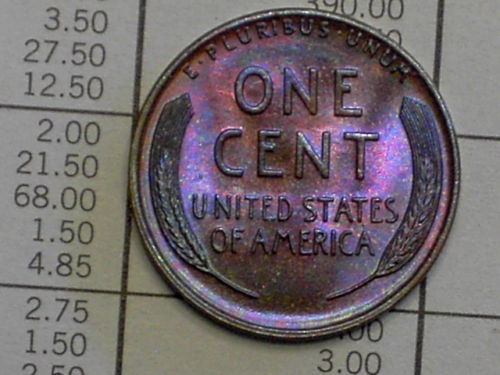
"Signs that a Coin Has Been Artificially Toned
Especially for new collectors, it can be difficult to spot the signs of artificial toning or cleaning. The PCGS refuses to grade coins whose surfaces have been altered by physical methods or by adding substances to the surface.
Hairline scratches on the coin's surface indicate cleaning with an abrasive chemical or brush.
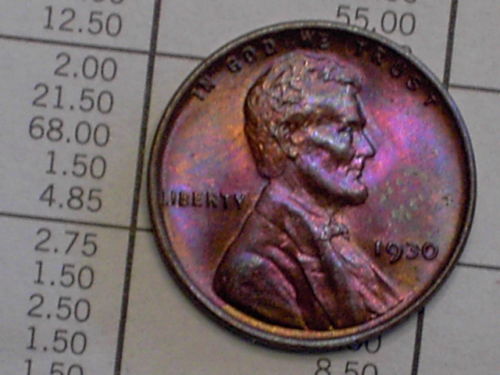
A dark brown or bluish hue often comes from chemical toning.
Spots often appear on an artificially toned coin's surface if the chemical reacts unevenly.
Toning achieved by application of heat or chemicals usually lacks depth and gains more pastel hues.
Sulfur compounds grant more natural hues, but the colors tend not to blend well.
Splotchy or uneven coloring usually results from a poorly executed artificial toning.
Tab toning, a particular kind of discoloration due to a vintage coin holder, most often occurred on commemorative half dollars from the 1930's to the 1950's. Other coins with tab toning are unlikely.
On Proof and Mint State coins, dealers may add artificial toning where the natural toning appears to have rubbed off, usually on the coin's high points.
A process known as "hazing" or "smoking" involves exposing the coin's surface to cigarette or cigar smoke, which cover defects with an opaque film.
Application of "nose grease" (skin oils) temporarily masks hairline scratches, but later causes the surface to turn brown and splotchy.
Auto-body putty is often applied to
Morgan silver dollars to cover blemishes, but leaves an easily detected film or frost on the coin's surface. Used for the same purpose, dental wax is more difficult to detect.
Known as "whizzing," the process of mechanically moving surface metal adds an unnatural luster.
Torches may be applied to melt a coin's surface and obliterate defects like hairline scratches. On gold coins, this treatment can cause an "orange-peel" effect.
Often artificial toning can lead to discoloration that worsens over time. Chemicals may continue to react with the coin's surface long after the chemical appears to have been wiped away. With practice, any coin collector can learn to identify the effects of artificial toning and protect themselves against unscrupulous coin dealers."









 Posted 02/13/2016 11:05 pm