Hi I'd like to share the story of one of my coins with you.
According to Levinson's "The Early Dated Coins of Europe: 1234-1500", the German city of Aachen minted dated coins between 1372 and 1498 and these represent the "earliest collectable dated coins" of Europe. There were two mints for this region in eastern Germany on its border with Belgium: Jungheit for the years 1372 to 1375 and Aachen for the years 1402 to 1498.
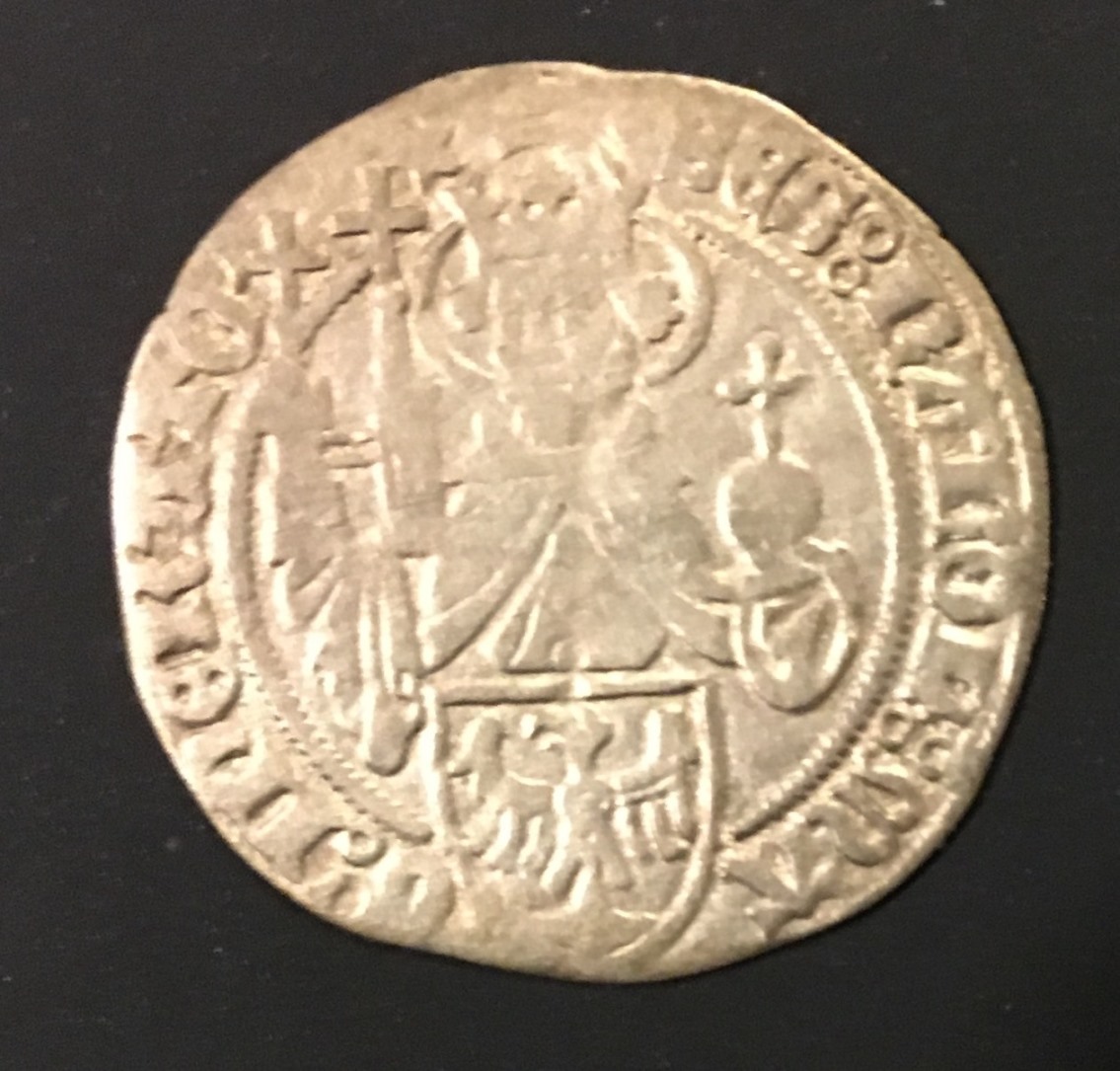
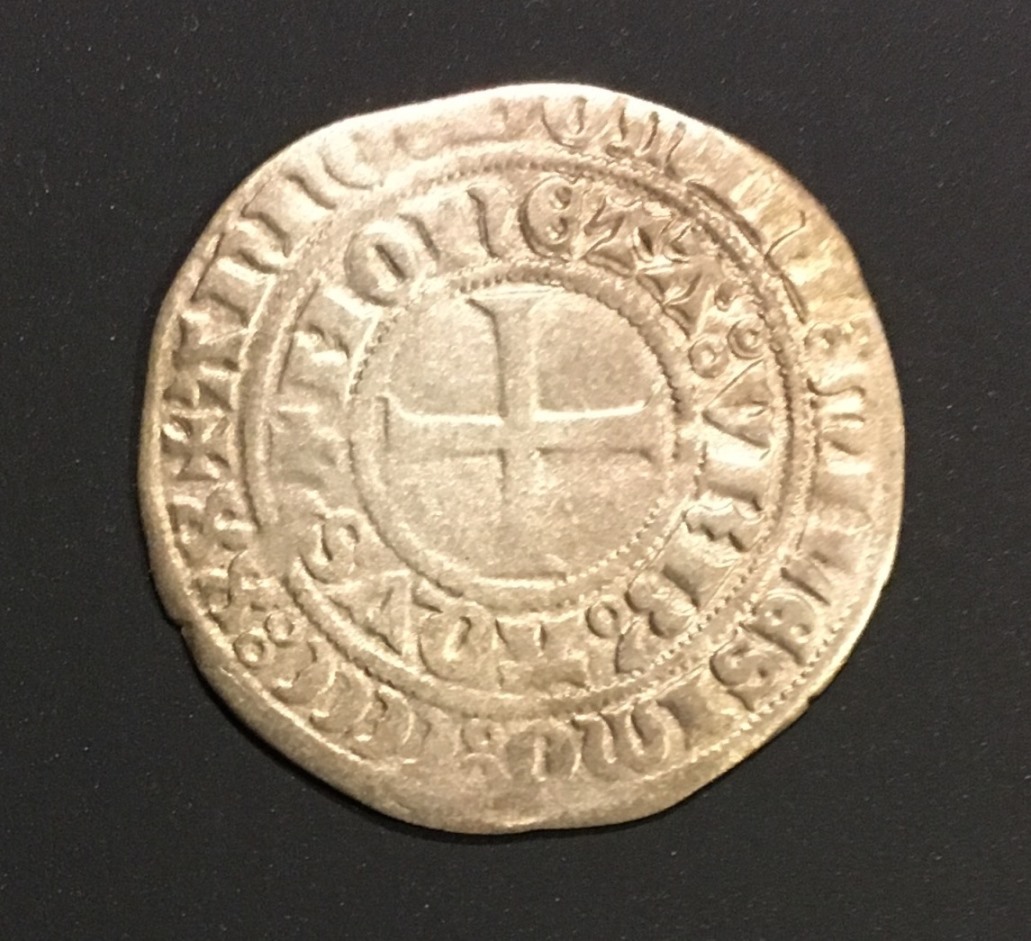
See below for a picture of my 1420 groschen of Aachen (Lev. I-15; Saurma 2810). The diameter of this silver coin is 25 mm and the mass is 1.5 g. Levinson describes this coin as "scarce", meaning there are between 101 and 250 collectable coins extant. However, along with the 1419 and the 1421, it is among the most available of the Aachen issues. The Saurma Muenzsammulung of 1892 includes mention of 11 dates of Aachen groschens, including the 1420. In fact, the plate coin for this series (#1488) is a 1420 of exceedingly light wear. I don't see any 1420s for sale currently on vcoins, but there are a couple on ma-shops.
The obverse includes the top half of a crowned Saint Charlemagne, holding a cathedral in his right hand and the imperial orb in his left hand. The text reads SCS: KAROL: MA-G:IPERATO'. This translates roughly as "Saint Charlemagne the great emperor". There is also a small shield with a single-headed recursant (left-facing) heraldic eagle. On the reverse of this coin is a short cross in the center with two concentric rows of text that read ANNO:DOMINI:MILESIMO:CCCC:XX and MONETA:VRB':AQVS.
According to Wikipedia, Charlemagne lived in Aachen for part of his life (although it is unclear whether he was born there) and was buried there upon his death in 814 AD. As King of the Franks and the first Holy Roman Emperor, he clearly made a big impact considering they were putting his face on coins some 600+ years later.






 Posted 02/15/2016 9:13 pm





