| Author |
 Replies: 12 / Views: 2,849 Replies: 12 / Views: 2,849 |
|
|
Pillar of the Community
Singapore
631 Posts |
|
|
|
|
Valued Member
Poland
59 Posts |
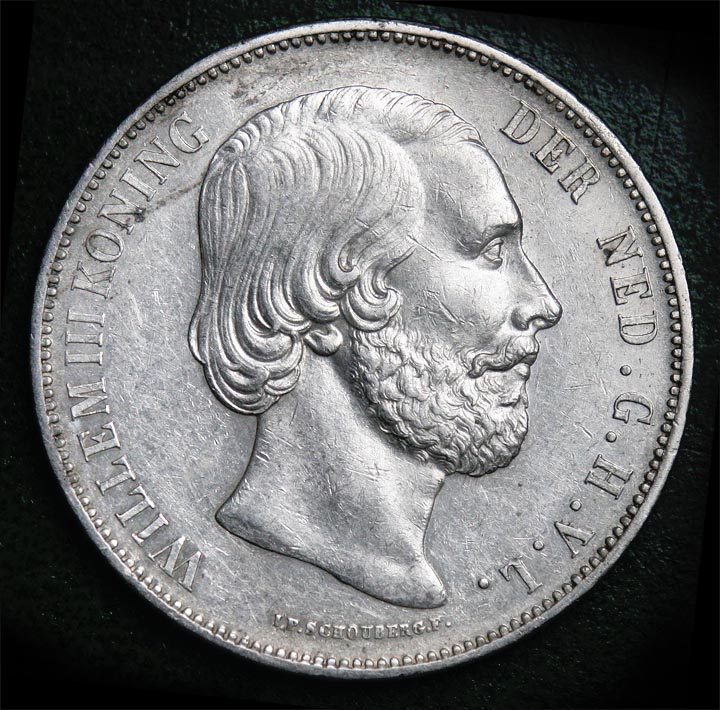
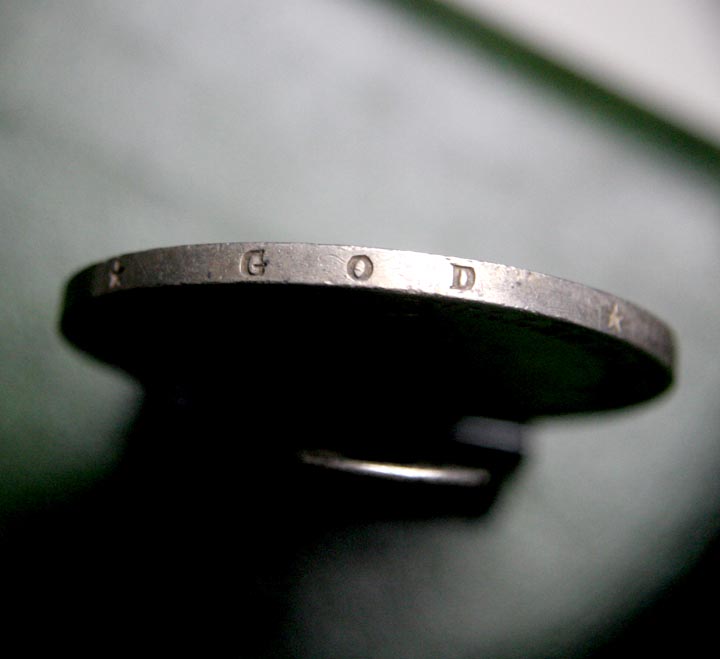
It's a Dutch word. God. Means the same thing, you just pronounce it 'hod'. There are some words that are the same in Dutch and English like "water", "baby", "sorry". It probably says God zij met ons - "God is with us". To not be completely useless I'll just say this looks pretty genuine to me.
|
|
Moderator
 United States
34562 Posts |
 IMO real. Design elements seem crisp with just a little honest wear. That said, there are others on this forum who are much better at identifying fakes. "If you climb a good tree, you get a push."
-----Ghanaian proverb
"The danger we all now face is distinguishing between what is authentic and what is performed."
-----King Adz
|
|
Pillar of the Community
Canada
4227 Posts |
I don't see any red flags. |
|
Pillar of the Community
 Singapore
631 Posts |
Thanks guys, would a EF grade be too generous ?
|
|
Valued Member
Netherlands
74 Posts |
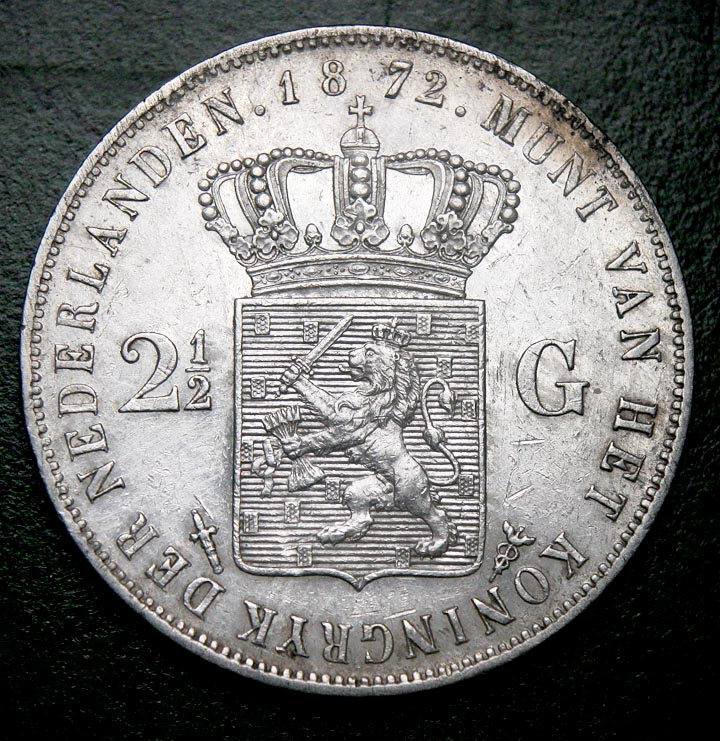
Looks genuine to me. Weight should be 25.0 grams. This is a pretty common year, so value in this quality (EF seems allright to me) is about 25 euros.
It's by the way not a 'gulden', that's the name for the coins of 1 guilder. This is a 'rijksdaalder', or 2.5 guilders. :)
|
|
Pillar of the Community
United States
865 Posts |
It's definitely authentic. I don't see any red flags.
This is also, in fact, referred to as a 2 1/2 gulden. I believe netherlands stopped the rijksdaalder term in 1809, and also used the rijksdaalder coinage during the Dutch Republic and in Netherlands colonies.
|
|
Valued Member
Netherlands
74 Posts |
The Netherlands didn't stop using the rijksdaalder term in 1809. It was only stopped in 2002 with the introduction of the euro (when the 2 1/2 denomination disappeared). It's true that for some decades in between no rijksdaalders were issued (they started again in 1840), but as far as I know the term has always been used for 2 1/2 guilder coins. In the decades before the euro I have often paid with rijksdaalders myself. :)
|
|
Pillar of the Community
United States
865 Posts |
qxy, you are right.
"Unification of the Dutch monetary system in the beginning of the 18th century introduced guilder and set rijksdaalders and silver ducats at 2 1/2 guilders. Following decimalization (in 1816), 2 1/2-guilder coins were no longer produced because a 3-guilder coin was thought to better fit in the series of denominations. This turned out to be a mistake (due to the high silver price) and from 1840 onward 2 1/2-guilder coins were produced again. Production stopped in 2002 due to the introduction of the euro. 2 1/2-guilder coins continued to be called by their nicknames rijksdaalder, riks, and knaak until the introduction of the euro."
I never knew 2 1/2 gulden was called by rijksdaalder as well. Always thought it was its own denomination used by the dutch republic and early netherlands coins. You learn something new everyday in this hobby.
Edited by keepcalmandcoinon
03/01/2016 11:37 am
|
|
Pillar of the Community
Singapore
631 Posts |
Qxy is Dutch so no argument there, how does one even pronounce rijksdaalder?
|
|
Valued Member
Netherlands
74 Posts |
|
|
Pillar of the Community
United States
5362 Posts |
Definitely has the characteristics I would expect for the period. I would see no problem with accepting it as genuine.
|
|
Pillar of the Community
Singapore
631 Posts |
Thanks for the help all.
Qxy if I used the term correct as it is, I doubt my LCS owner or any casual collector would know what it is, they'd just give me a blank look but it's still interesting to learn, thanks.
Edited by Numister
03/03/2016 01:32 am
|
| |
Replies: 12 / Views: 2,849 |
|











 Posted 02/20/2016 06:51 am


