










 Posted 02/25/2016 10:45 pm


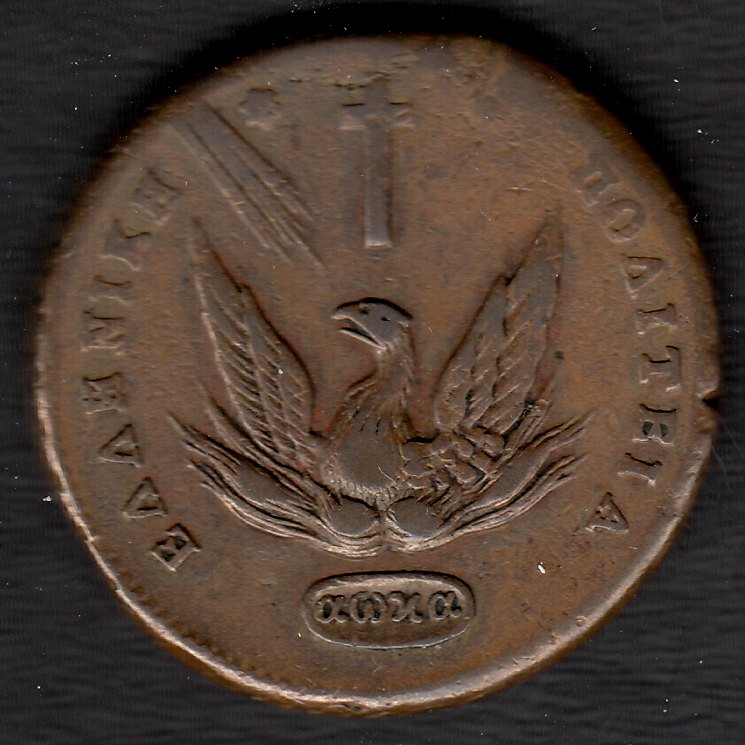
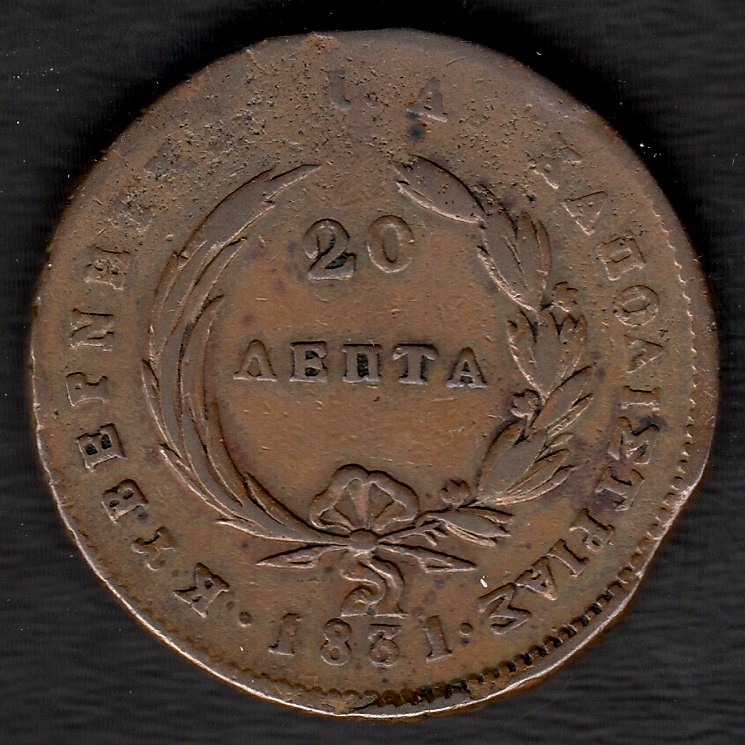
The 1831 Greek 20 Lepta appears to have been made with no fewer than 5 different die pairs (based on a very quick search). From the mintage of 2,700,000 ish coins there are likely many more expected - perhaps 20 pairs. The dies were NOT hubbed they appear to have been individually engraved. Few punches were used in die creation.
Porosity and poor planchets are rather common.
The wear indicates the dies were not perfectly aligned. Compare the strike depth top and bottom of the coin. The dies were further apart at the top of the coin than the bottom resulting in a weak strike on part of the coin.
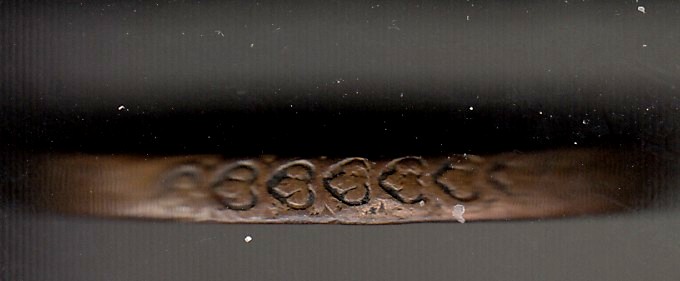
Based on color the coin was cleaned and is re-toning. The planchet exhibits a small possible clip. The edge in the center of the clip should be compared to the position 180 degrees opposite to see if the edge detail at that point is weak.
I see nothing incorrect with the design at all given normal variation of handmade dies.
Condition would likely not be estimated by the TPGs because of the cleaning issue. Based on other graded examples I could see a grade above Fine 12 but below VF 20 as reasonable.
Porosity and poor planchets are rather common.
The wear indicates the dies were not perfectly aligned. Compare the strike depth top and bottom of the coin. The dies were further apart at the top of the coin than the bottom resulting in a weak strike on part of the coin.
Based on color the coin was cleaned and is re-toning. The planchet exhibits a small possible clip. The edge in the center of the clip should be compared to the position 180 degrees opposite to see if the edge detail at that point is weak.
I see nothing incorrect with the design at all given normal variation of handmade dies.
Condition would likely not be estimated by the TPGs because of the cleaning issue. Based on other graded examples I could see a grade above Fine 12 but below VF 20 as reasonable.


