| Author |
 Replies: 12 / Views: 2,628 Replies: 12 / Views: 2,628 |
|
|
Valued Member
Bulgaria
474 Posts |
Hi all, purchased these two coin from genuine ebay seller together with another old coins, I think they are genuine, but there are a lot of replica coins from this period, so what do you think - are they both original? Weight is 6.45-6.47 gram. Thank you 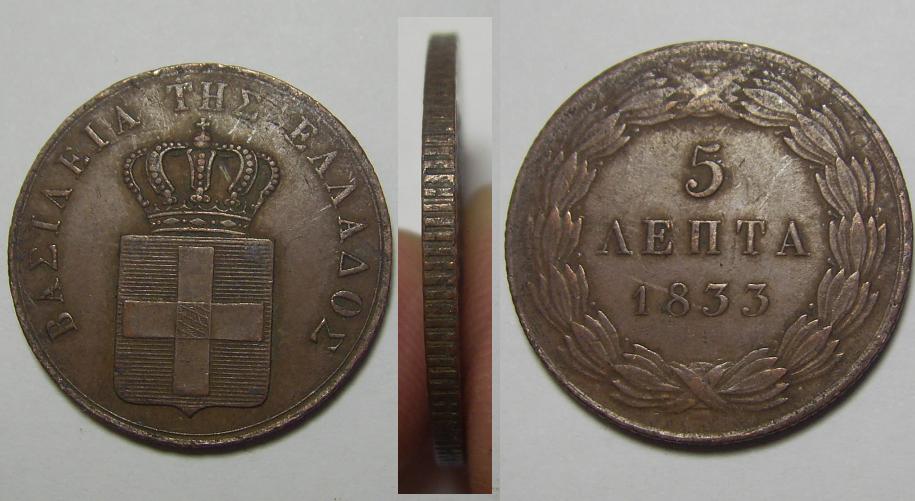 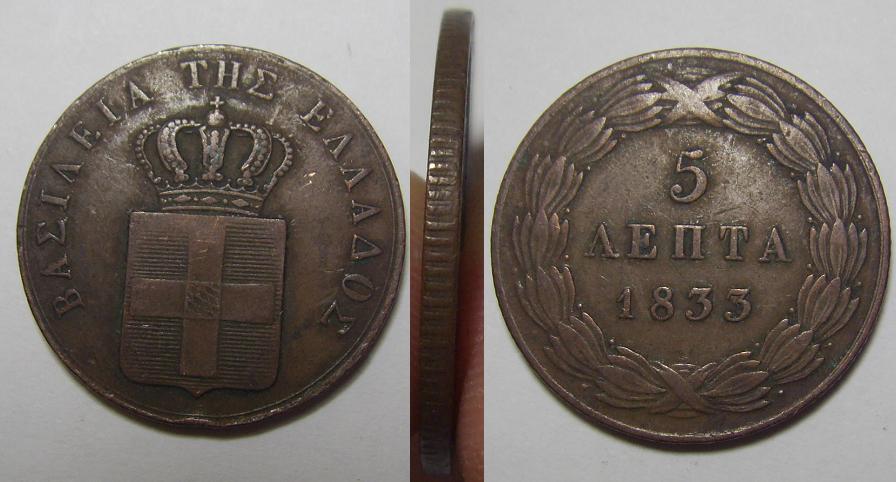 |
|
|
|
Bedrock of the Community
Australia
21792 Posts |
They obviously have the appearance of being pressure cast fakes.
|
|
Valued Member
 Bulgaria
474 Posts |
|
|
Pillar of the Community
United States
5362 Posts |
The top coin has some appearance of being a cast copy. On the lower section of the raised rim outside the die face itself is a texture often seen on injection molded coins which are edged after the coin is cast.
The second coin has far fewer issues. It does appear to have been made from the same die pair after a cursory review.
So while I am leaning toward the coins being genuine I would do some serious checking. First I would go to an authoritative source to see what the weight parameters were. Second a detailed side by side review of the coins looking for any die or mold variations. The chance of one die in both cases is iffy so I would next check to see if the mint which produced these coins had hub capability or not. Notes I have read indicate that some Greek coins were made in Paris so they may have been hubbed - but I would want to be SURE. There is no A on the coins which I would expect to see on a Paris product.
Regarding the edge reeding - I see some irregularitles but I would need much clearer, larger photos before condemning them.
I would also check the alloy used. Genuine coins should be copper - here a hand held XRF could tell if the coins are copper - brass or bronze. They look like bronze to me but color is deceptive.
|
|
Valued Member
Bulgaria
474 Posts |
They have perfect weight, this coin is 6.44 grams in catalog. Also I notice that the coin from the third post from ebay certified by PCGS, has the same weaknesses as the first coin in the topic. I think there are certainly authentic. |
|
Bedrock of the Community
Australia
21792 Posts |
The ebay example looks far more reassuring to me, especially in the fields. |
|
New Member
Greece
45 Posts |
After 45 years collecting Greek coins, I can guarantee that the coins are 100% genuine.
|
|
Pillar of the Community
United States
5362 Posts |
Welcome Nikos you are the first person I have run into who is an expert on Greek coinage. Perhaps you can answer the questions I raised in this thread.
1. Were the 5 Lepta coins made in 1833 struck from hubbed dies?
2. Were coins struck in Paris for use in Greece marked with the mint mark A?
3. Were the 5 Lepta coins made with pure copper?
4. How were the coins struck? In a collared press or open sided screw press?
|
|
New Member
Greece
45 Posts |
I am sorry, I did not reply earlier. I should check to subscribe to the topic.
1. The 5 Lepta were minted in Munich from hubbed dies.
2. Yes, the coins minted in Paris, carry the letter A next to the date. i.e for the 5 Drachma 1833 we have three different coins.
a. Without mintmark minted in Munich
b. With A next to date minted in Paris
c. With an owl next to date minted in Athens. For this one I believe there are about 12 pieces known.
3.Pure copper? No, I do not think so.
4. For 5 lepta I believe they used collared press
|
|
Pillar of the Community
United States
5362 Posts |
Nickos Great information regarding the minting of the 5 Lepta coins in 1833. Hubs used to make working dies means that there is little or no permissible variation coin to coin. Since there were three mints producing the coin, can we presume all three hub sets were made in Munich (the mint with no mark). That would be common usage. The branches would add mint marks to the hubs or to individual working dies to identify their work.
The edge reeds would vary only if the collars on the various presses varied. The rarer the issue the more likely one press was used and all reeds would match.
Everyone with an interest in Greek coins should file this away.
One final question for Nikos - when did Greece start using the Munich facility for coining? In other words when did they cease using local dies made one at a time?
|
|
New Member
Greece
20 Posts |
at 1832 before that and for the years 1828-1831 there was a mint in the island of aegina in greece , governor kapodistrias died in 1831 and the next coins minted was at 1832 in munich by King Otto. later king Otto had some of the Greek coins made in wienna ,paris and athens.
|
|
Pillar of the Community
United States
5362 Posts |
vasilisfla From your answer, I understand that before 1832 all Greek coins were struck from dies made by hand one at a time?
|
|
New Member
Greece
20 Posts |
well, from 1828 that is considered the beginning of modern greece, yes..
except for coins from the ionian islands that was under foreign government rule -occupation. .
totaly crude coins made out of melted cannons and copper housewares with a press that was a couple hundred year old and made by previously counterfiters and others with no great knowledge in minting coins!
that's why the coins from those 3 years (1828,1830,1831 )are marvelous and there is way to many varieties!
|
| |
Replies: 12 / Views: 2,628 |
|







 Posted 12/16/2015 5:44 pm





