| Author |
 Replies: 9 / Views: 4,338 Replies: 9 / Views: 4,338 |
|
|
Pillar of the Community
United States
3656 Posts |
This one sure does have a different look to it for my knowledge base. I am wondering if it is Finning? It has a raised rim all around the entire obverse and showing to be a bit stronger on the right side of the dime with separation of the rim and then on the reverse you see some of the double rim as well. Do know what this is exacting - help needed please Thank you 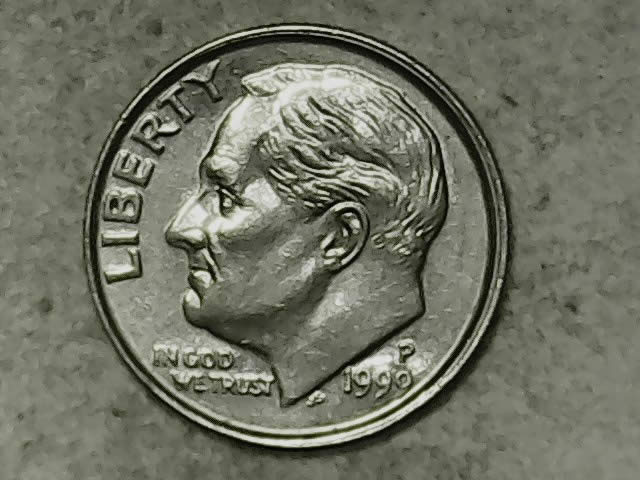 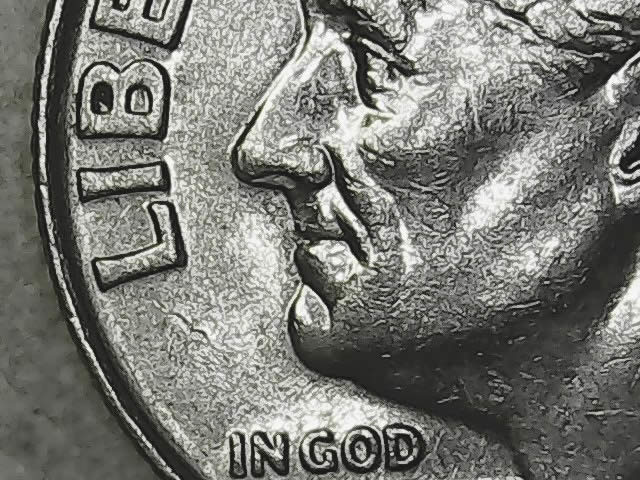 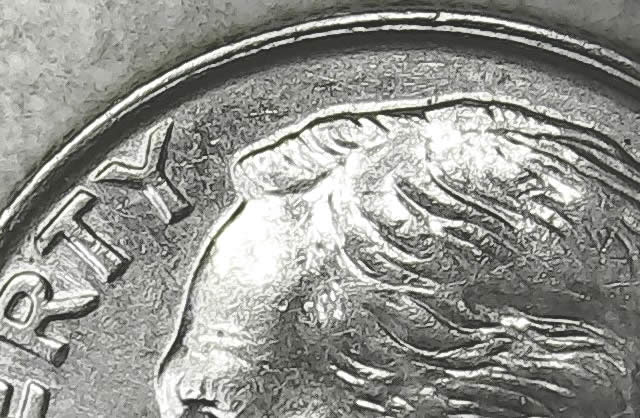 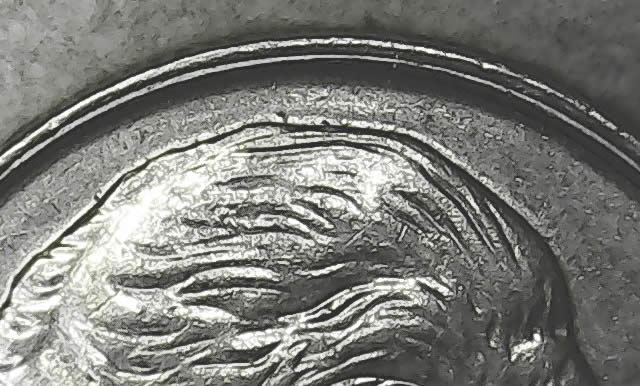 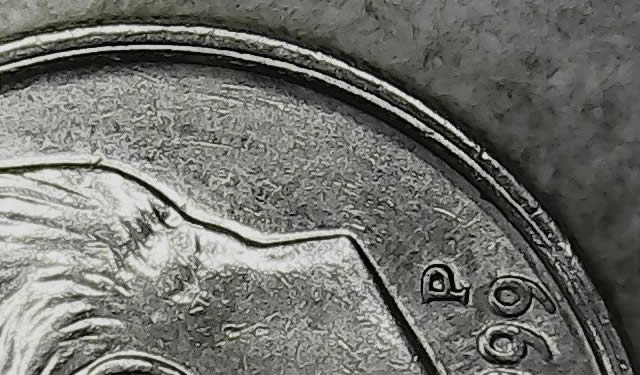 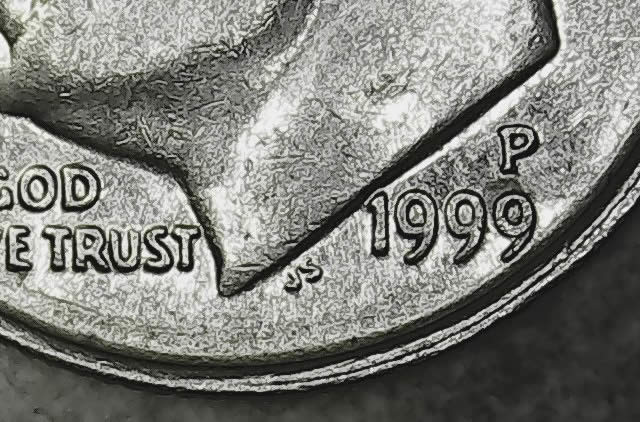 |
|
|
|
Valued Member
United States
311 Posts |
 I'm just here for the info on this one... If I found this, my luck would be that it is PMD... |
|
Bedrock of the Community
United States
62064 Posts |
It is a flattened fin. Circulation/coin counting machines round over that edge on the rim.
|
|
Pillar of the Community
 United States
3656 Posts |
Can you give me more help on understanding the Fin erros? I can't find much on-line and have already read through the error-ref website on this error. Does the fin account for the additional thickness (height)of the dime? Because of the raised rim on this dime it is 1.45mm my other dimes in particular a 1999D is at 1.26mm in thickness and it has a smooth rounded rim around the whole coin, where as the one in question here shows a double rim on 3/4 of coin (the thought the double rim represented the extra fin?) What part is considered the Flattened fin (the smooth part?) 1999D 2.26g 1999P 2.28g Here are some more pictures., Thank You 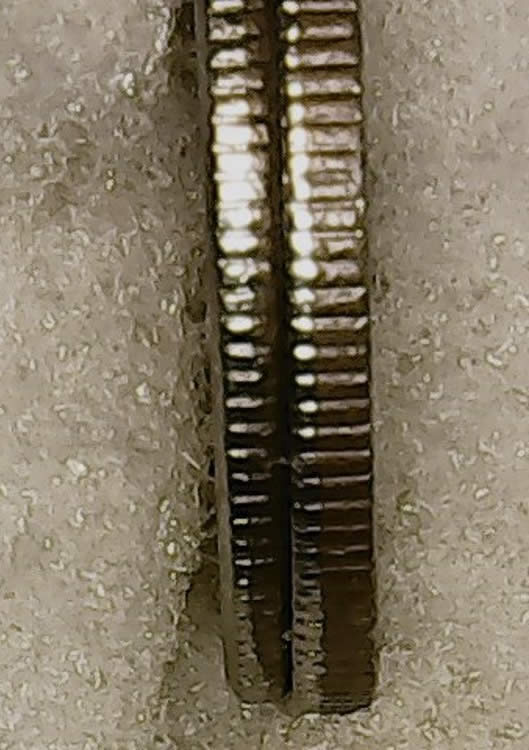 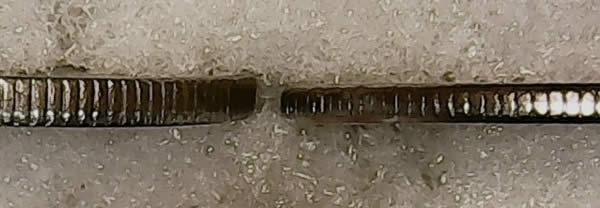 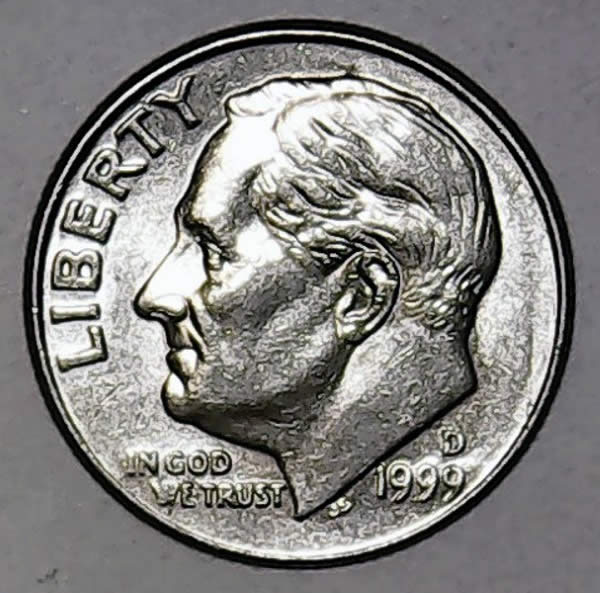 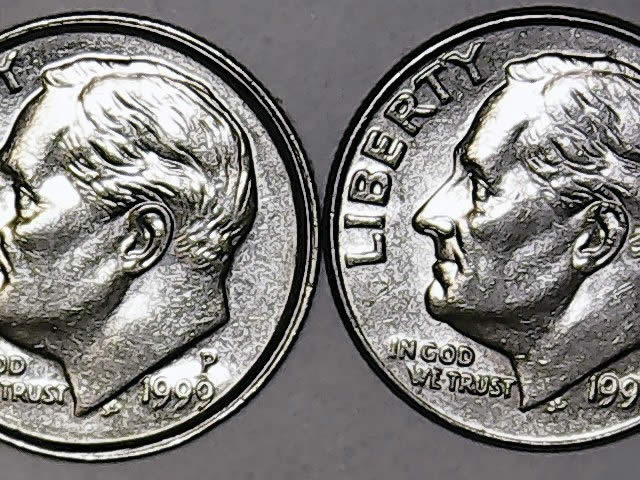 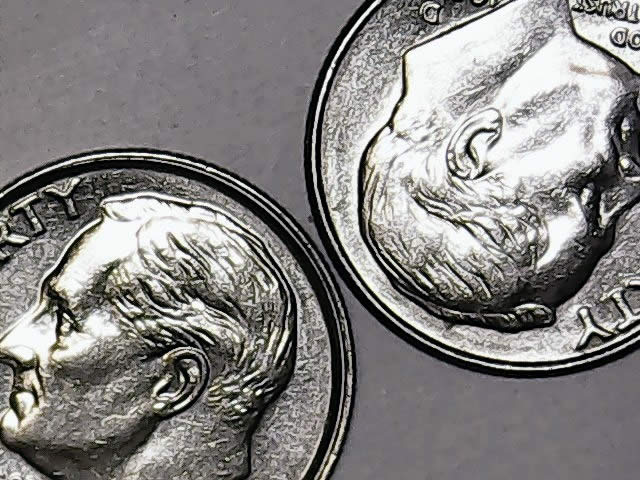 |
|
Pillar of the Community
United States
5964 Posts |
When the coin is struck sometimes the outer rim is excessively high, because of too much pressure on the strike, a tilted die, and/or other causes. In circulation it gets folded over and smoothed with wear, giving the appearance of two rims. I think.
Edited by CoinMasters
03/16/2016 8:24 pm
|
|
Pillar of the Community
United States
5964 Posts |
Finning, flattened fin, rolled fin - all the same. Nice pics, might be hope for you yet.
Edited by CoinMasters
03/16/2016 8:30 pm
|
|
Pillar of the Community
United States
3656 Posts |
Thanks CM - Yes, I know it is taking Forrrrreeeevvveeerrr. :)
|
|
Bedrock of the Community
United States
62064 Posts |
|
|
Pillar of the Community
United States
5964 Posts |
I read it Coop. thanks, I guess I was pretty close. It comes out Finning (higher than normal), and circulation folds it - Rolling Fold. Sometimes I've seen them jagged.
|
|
Rest in Peace
United States
1943 Posts |
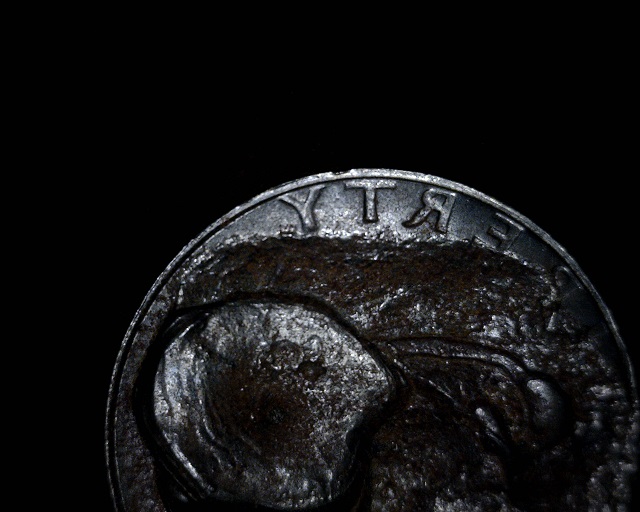 A rolling fold and finning are two different things. Finning is when the striking pressure pushes metal up between the die and the collar. There is a gutter around the dies that form the design rim which is the second process to form a rim. I have attached a photo of a late 1960's area quarter die that was not defaced completely. You can see the gutter around the outside edge of the die. When the high pressure causes a fin you get what some people call a double rim. But this is actually the design rim with finning. If this gutter gets chipped away but the chipped area doesn't go into the field of the die then you get a rim Cud. A rolling fold happens when a blanking die is worn and/or has a chip in it. This causes the blank to not shear off cleanly and have metal (or a tail) attached to the blank. Then when the proto rim (which is the first rim)is formed at the upset mill creating the planchet the extra metal gets pushed up perpendicular to the planchet. Then when the planchet is struck this extra metal is smashed into the rim and field of the coin giving the error called the rolling fold. I see a dime above with finning around the design rim. I don't see any of the finning rolled over. |
| |
Replies: 9 / Views: 4,338 |
|






 Posted 03/16/2016 5:03 pm





