| Author |
 Replies: 13 / Views: 2,046 Replies: 13 / Views: 2,046 |
|
|
Valued Member
United States
264 Posts |
|
|
|
|
Pillar of the Community
United Kingdom
2624 Posts |
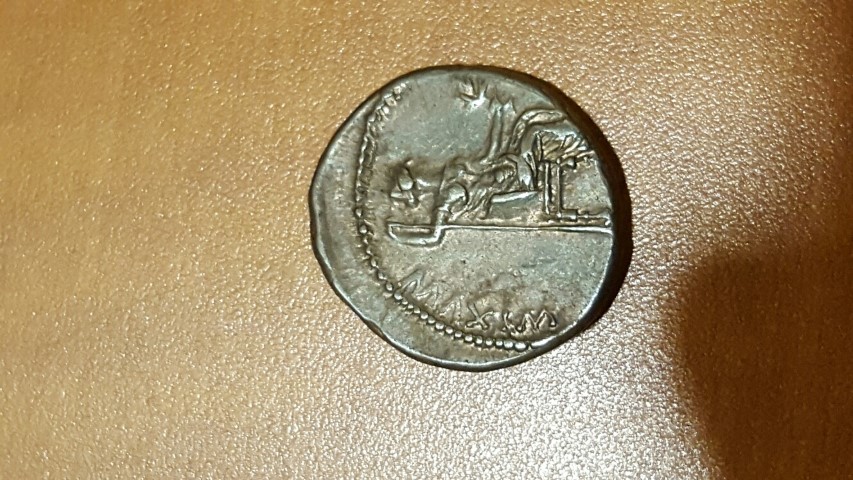
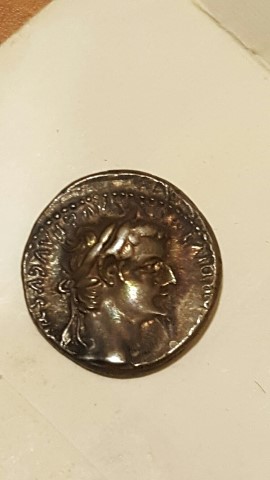
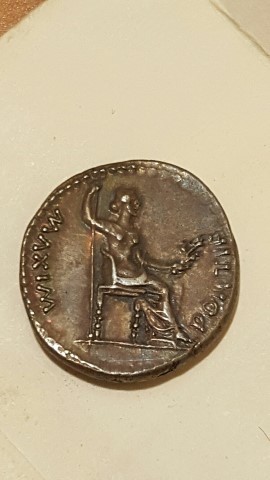
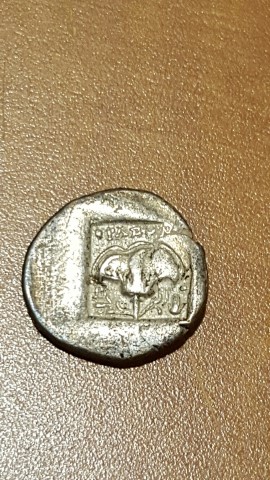
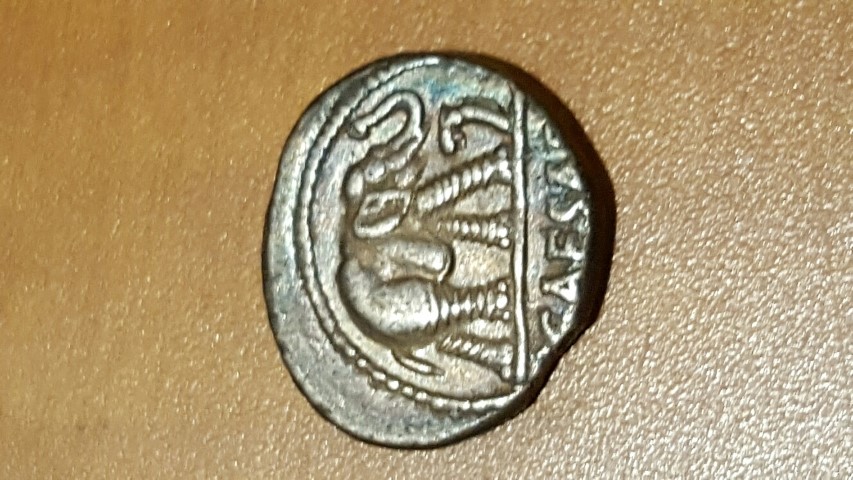
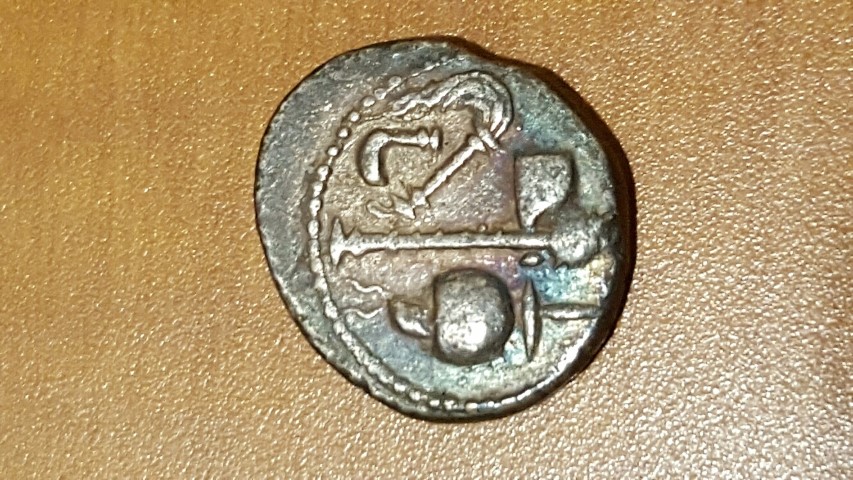
The sixth coin down (with the rose in square reverse) is from Caria, Rhodes and the one below is meant to be a coin of Julius Caesar.
Given the prevelance of fakes I hope these turn out to be legitimate.
Sizes and weights are useful tools to identify the denominations and authenticity...
|
|
Pillar of the Community
Belgium
1194 Posts |
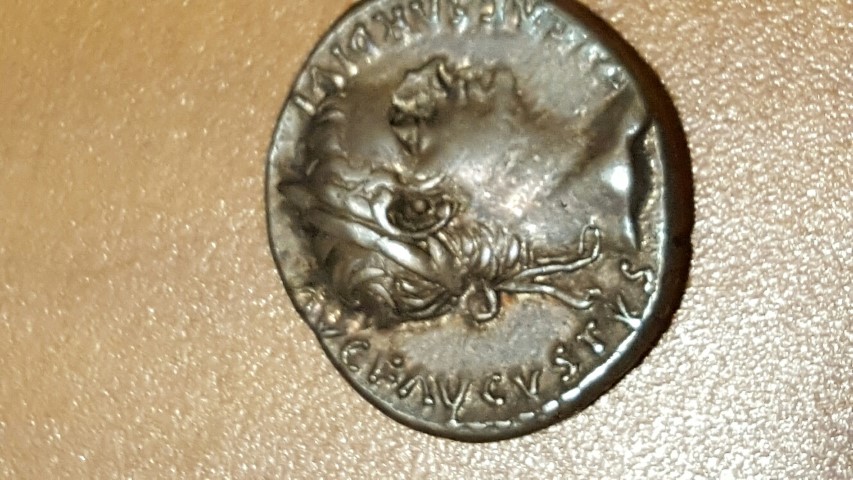
The fourth and fifth coins are of Tiberius , the so called tribute penny . Need more information to be sure of the authenticity .albert
|
|
Valued Member
United States
309 Posts |
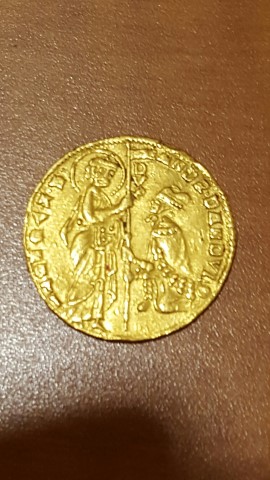
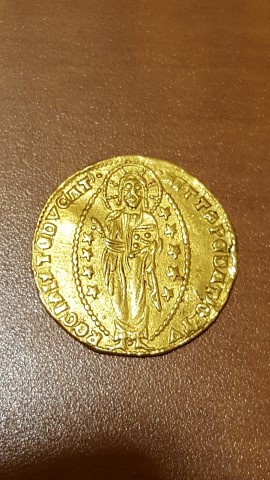
The gold coin is a Zecchino or ducat of Venice showing the Doge of Venice kneeling. They circulated in colonial America as well as throughout the Mediterranean. See the word "DVCAT" in the legend. This example has a slight fold. I would have to go to the library to say which Doge this shows and so date it. Easily 17th or 18th century as this design changed little for several hundred years. It's worth several hundreds of dollars.
|
|
Valued Member
 United States
264 Posts |
My relative appears to have been very careful in his purchases and I have not had any fakes yet. I had a few Athena/Owl coins certified with no problem, but it is so expensive. But, as you say, fakes are prevelant so maybe I should send them anyway to make them more desirable to buyers. I will have to weigh them all this evening. Forgot to bring my scale with me today.
|
|
Pillar of the Community
United Kingdom
2624 Posts |
I am not a big fan of third party grading, but given the types of coin you have here and the potential values they seem fair candidates for it. Both to safeguard the buyer and get you the best prices...
|
|
Pillar of the Community
Canada
5293 Posts |
I am not convinced that TPG have the appropriate expertise to grade ancient/medieval coins. I have seen photograding guides for US coins. Where is the literature which describes the grading standards for each of thousands of types of handstruck coins? |
|
Moderator
 United States
23731 Posts |
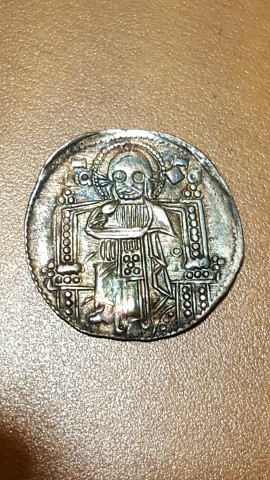
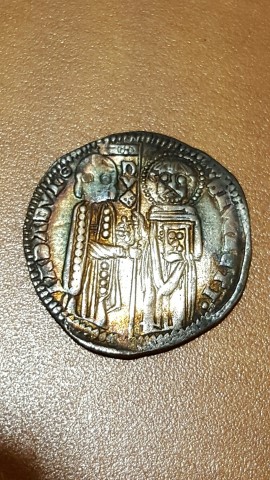
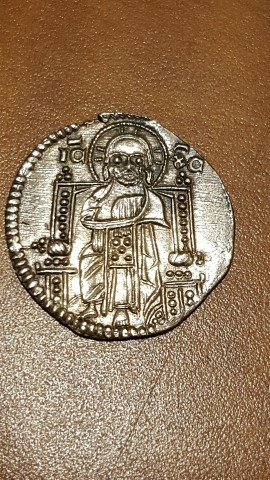
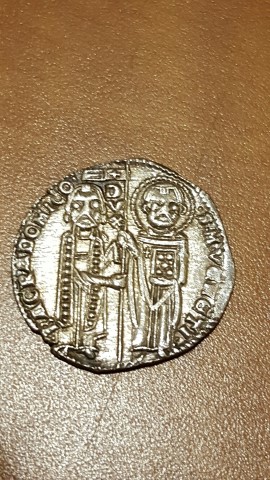
The coin from Venice all appear to be real, along with the Rhodian and last coin. I am not sure about the Tribute pennies and the Caesar denarius. There are a lot of excellent copies out there and I'm not sure about them. On the whole an excellent group of coins.
|
|
Valued Member
United States
264 Posts |
The gold venetian coin weighs 3.5 g
The silver venetian with the dark toning weighs 2.03 g
The brighter silver venetian weighs 2.18 g
The Rhodes coin weighs 1.98
the Ceasar coin weighs 3.75
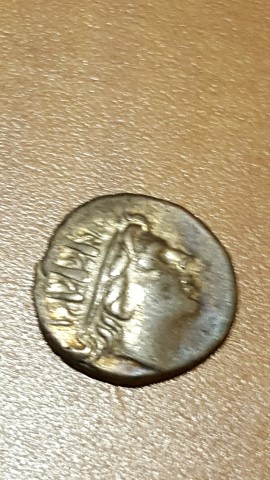
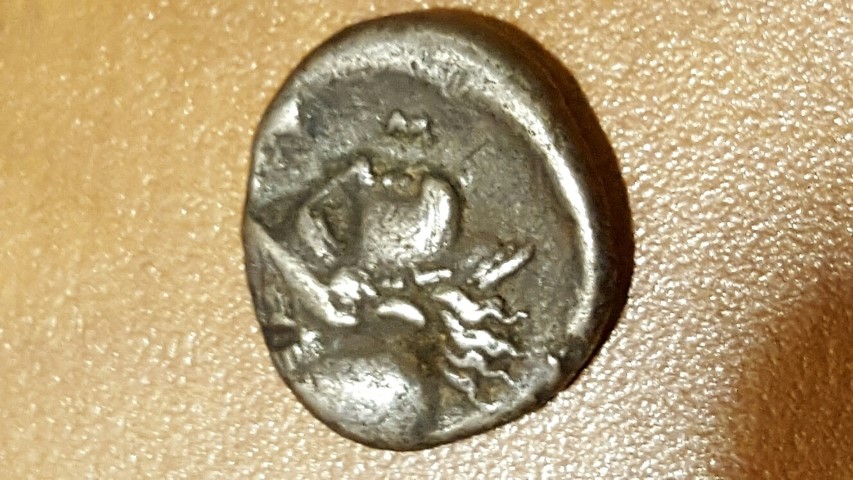
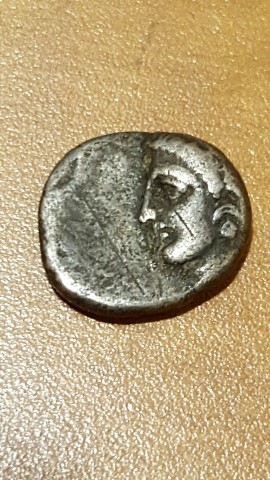
the very small coin with a face on either side I had to weigh in grains. it was 18.2 grains. there was a note with that one that said mysia-lampacus 394-330 trihemiobol? AR . his penmanship was terrible and I a not sure on the spelling of any of that.
|
|
Valued Member
United States
264 Posts |
Forgot the tribute penny weights. Both 3.82g
|
|
Pillar of the Community
United Kingdom
2624 Posts |
From what you have learnt so far it is possible to go on https://www.vcoins.com/en/Default.aspx and search for similar coins... Comparable Rhodes coins seem to be in the $100-200 range... but the drachms weight 2.5g approx. and the Hemi-drachms 1.4g approx... leaving yours betwixt and between. I wonder what others think regarding attribution? The weight of the Caesar coin seems about right and I would estimate it at $500-$700 retail judging by others for sale. (assuming there is nothing remarkable about yours in terms of mintage) There is no set price for ancients, by looking at the market for coins of comparable quality (how centred the strike is, how much detail is showing and general attractiveness of the coin) an close idea can be gained... The last coin is Mysia Lampsakos I think... it seems quite a rare little coin I looked on wildwinds and nothing quite matches it but the general theme is clear. The face in the top photo is the Head of Athena with Corinthian Helmet (largely cut off in yours) the reverse features a head with a face on each side, only one face being visible on your coin. AR refers to the metal (shorthand for Silver from the French Argent) Trihemiobol is the denomination... most of the ones I can see are larger denominations, I guess such small coins are easily lost to the ravages of time so maybe there aren't too many around. |
|
Valued Member
United States
264 Posts |
I think I have matched the one brighter (less dark) venetian silver to Doge Bartolomeo Gradenigo (1339 - 1342). Does that seem right?
|
|
Valued Member
United States
264 Posts |
I think the darker venetian could be Giovanni Dandolo. 1280-1289 AD?
|
|
Valued Member
United States
264 Posts |
Just an update. Great News!! According to NGC, all the ancients are legitimate (did not send the Doge coins) I also included an Athena Owl which they graded as 440-404BC Attica Athens CH XF. The two tribute pennies were graded CH XF and XF. The Caesar coin was XF. The 2 Rhodes coins are CH XF and CH VF. And the Mysia, Lampscus (c. 4th to 3rd century) is VF. Can't believe how accurate everyone's IDs were. Now just to find accurate values to go with the slabbed coins. Thanks for all the help.
|
| |
Replies: 13 / Views: 2,046 |
|









 Posted 03/23/2016 3:57 pm





