| Author |
 Replies: 15 / Views: 1,786 Replies: 15 / Views: 1,786 |
|
|
Valued Member
299 Posts |
I spent my working career in manufacturing and have often thought of coins as just another industrial product. Certainly the minting process is similar to any number of other products that do no happen to be negotiable coinage.
I can't help but think that many of the coins considered "errors" by some collectors are simply poorly manufactured industrial products lacking strict quality control standards usually with high volume production as the primary excuse.
Obviously some coins qualify as errors but I think the actual criteria should be more narrow than the general vernacular usage indicates.
Anybody have any thoughts about this ?
|
|
|
|
Pillar of the Community
United States
1699 Posts |
This is a good perspective to have when thinking about errors - certainly that's how they think about it on the Mint floor. Errors, in most cases, are simply defects due to variability in the minting process. Wonder if they do six sigma? lol
|
|
Bedrock of the Community
United States
62064 Posts |
Have an idea we might be on the same page. I made up an image of my definition of Error-Variety-other die events:  To me an error should usually be a one of a kind rather than a die event. A variety should start off with coin 1 to the last one with the same issue that caused the coin to be a variety. (RPM RPD, doubled dies, OM, OD, year variety) A lot of things that are saved are just common die events. When they get extreme, I see the interest in these. But just common things to me just pock change. A new collector will find interest in these at first, but after searching you first thousands of coins, then you start to see how common they area. But that is my though. |
|
Rest in Peace
United States
1943 Posts |
Coop, I like the definitions you posted. I have always looked at varieties as occurring in the die making process (RPM's, OMM's, Doubled Dies, ect). Errors are all other events that happen right up until the moment the coin is struck that produces a coin that is an unacceptable strike by mint standards. I agree with you small die cracks, small die chips, minor die polishing, minor MAD's and other similar events are still acceptable strikes and are not errors. The problem is we know the mint standards for weight and diameter but we don't know what is acceptable with the many other visual defects on a coin so we are quick to assume they are errors.
|
|
Pillar of the Community
United States
740 Posts |
Something I brought up yesterday in another thread: The mint may be aware of minor chips, minor cracks, etc. However it may not cause them alarm because the dies are still within mint specifications. The time required to replace a die on the machine, then attempt to correct an issue like a minor chip through polishing is not worth it. The coins produced from the die would look worse after the polishing as well with a loss of detail. It's the more major misalignment, rotation, breaks, Cuds, etc. that bring a response or action. The coins that require action on the die to be taken before furthering production are the errors in my opinion. (As well as wrong stock, off center, double struck etc. which are 1-off errors that doesn't have to do with correcting the machine) Where the line is drawn of when to fix a die issue - I don't know, but sometimes you have a pretty good idea when you see major cracks, breaks, Cuds, misalignment and other die/machine issues. Which is probably how it works at the mint too, depending on severity in their eyes do they make a change instead of busting out a ruler and measuring each chip to see if it is spec. Edited by BlueSolo
03/27/2016 6:58 pm
|
|
Pillar of the Community
 United States
4616 Posts |
In the 1st box of your chart, "on the" is repeated... end of 1st line AND beginning of the second.
What kind of 'error' is that?
-----Burton 50+ year / Life / Emeritus ANA member (joined 12/1/1973) Life member: Numismatics International, CONECA Member: TNA, FtWCC, NETCC, EveryCountry (online) coin club Owned by three cats and a wife of 40+ years (joined 1983) Author: 3rd Edition of the Sample Slabs book, https://www.sampleslabs.info/ |
|
Pillar of the Community
United States
740 Posts |
BStrauss3: Legitimate Doubling, not MD
|
|
Pillar of the Community
United States
1812 Posts |
I also worked the first half of my employment in high speed manufacturing, both Glass & Paper Mills.. From 1969 - 1972 I was employed as a Machine Operator at Glenshaw Glass operating a Glass Bottle Machine.. Enclosed are some photos of errors when a Coining Press is malfunctioning, followed with some Glass mementoes from my stint at Glenshaw Glass (Orangeburgh, NY plant).. The 2 (12 ounce) bottles shaped into swans are from the glass entering the Blanks normally, then when transferred to the Molds for final blowing, Fails and must be removed before next cycle.. The small glass bubble that was to be a 7 ounce soda bottle, was caught before entering the Blanks as this section of the machine was shutting down for quick repairs, same with the large bubble from what should have been a 32 ounce bottle.. 1979-D Triple Strike, 3rd Strike is unistrike. 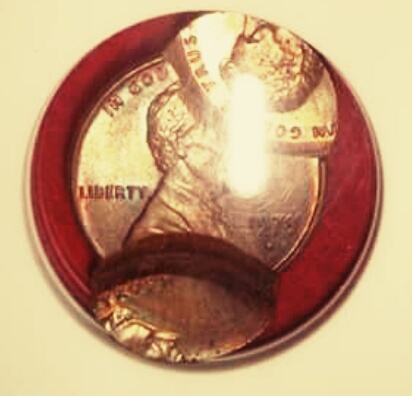 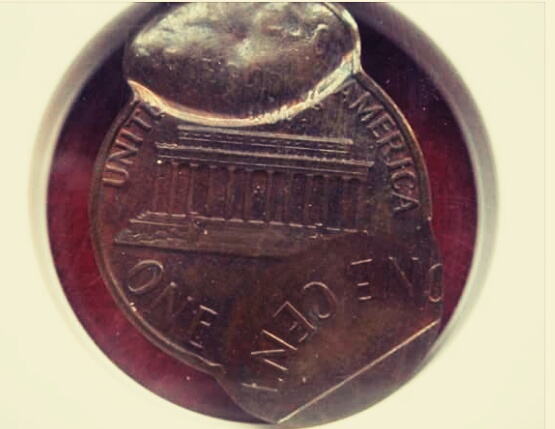 1998 Quadstrike. 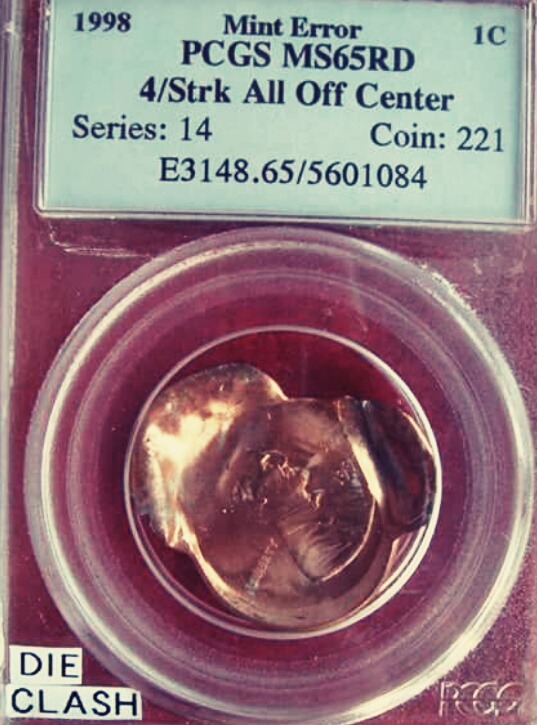 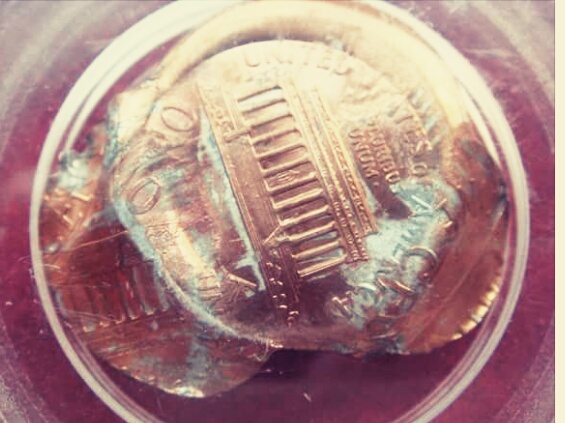 In 2002 The Mint made changes to restrict as many errors as possible from entering Circulation.. This 2003-D Quad Strike (all die struck, no 2nd planchet involved) should never have found its way to the Counting House.. This was the most I ever spent for a multistruck coin in late 2003.. 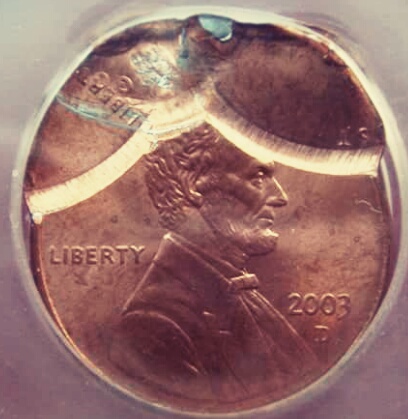 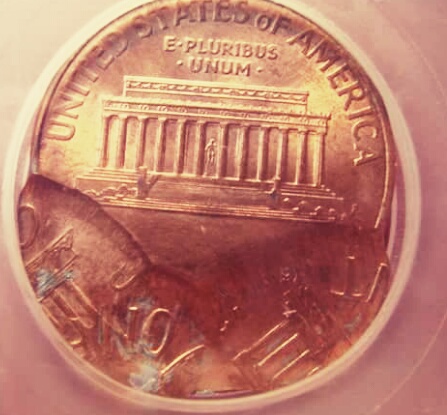 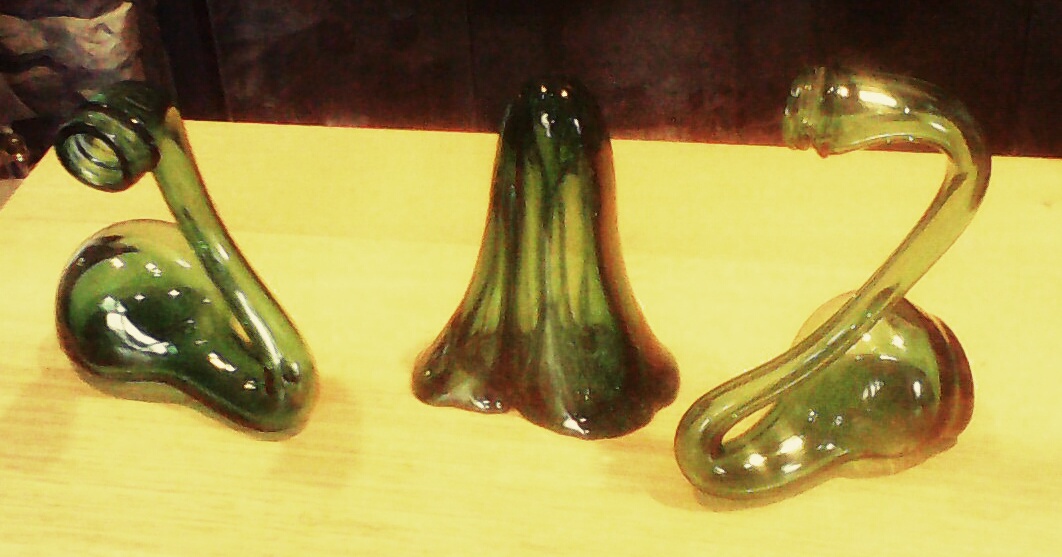 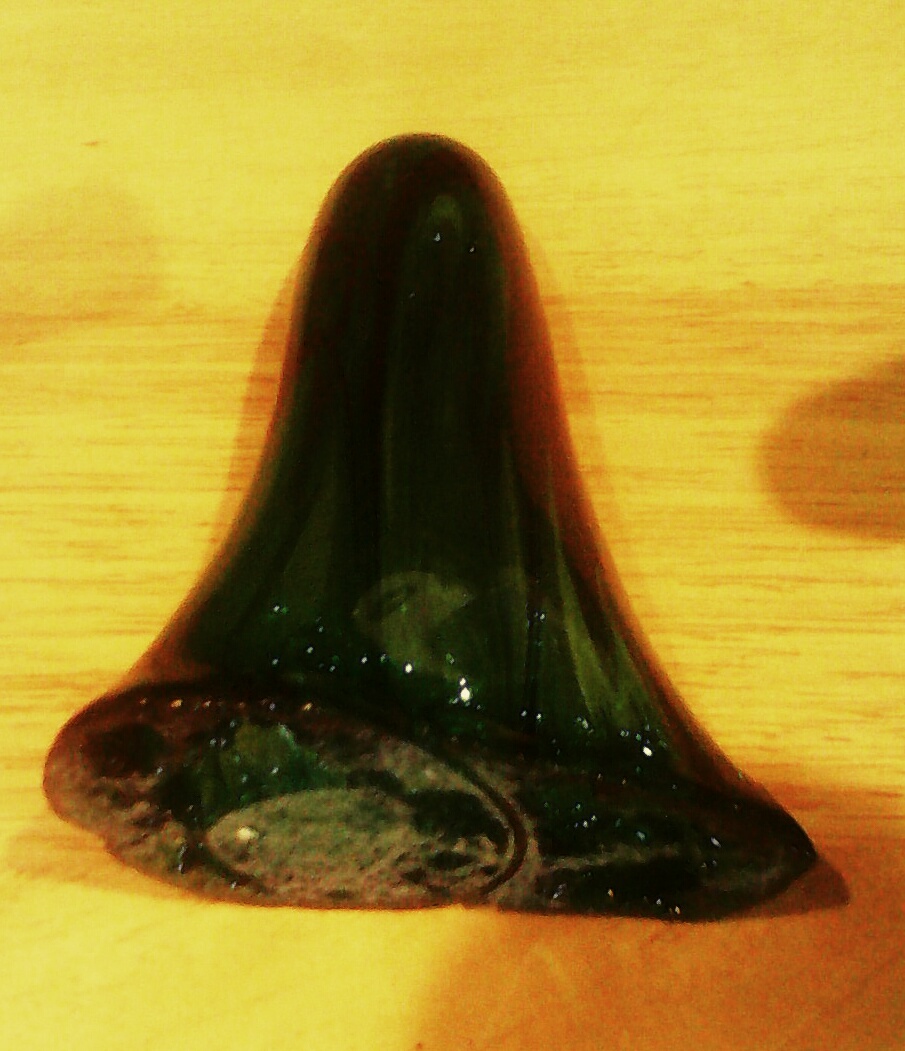 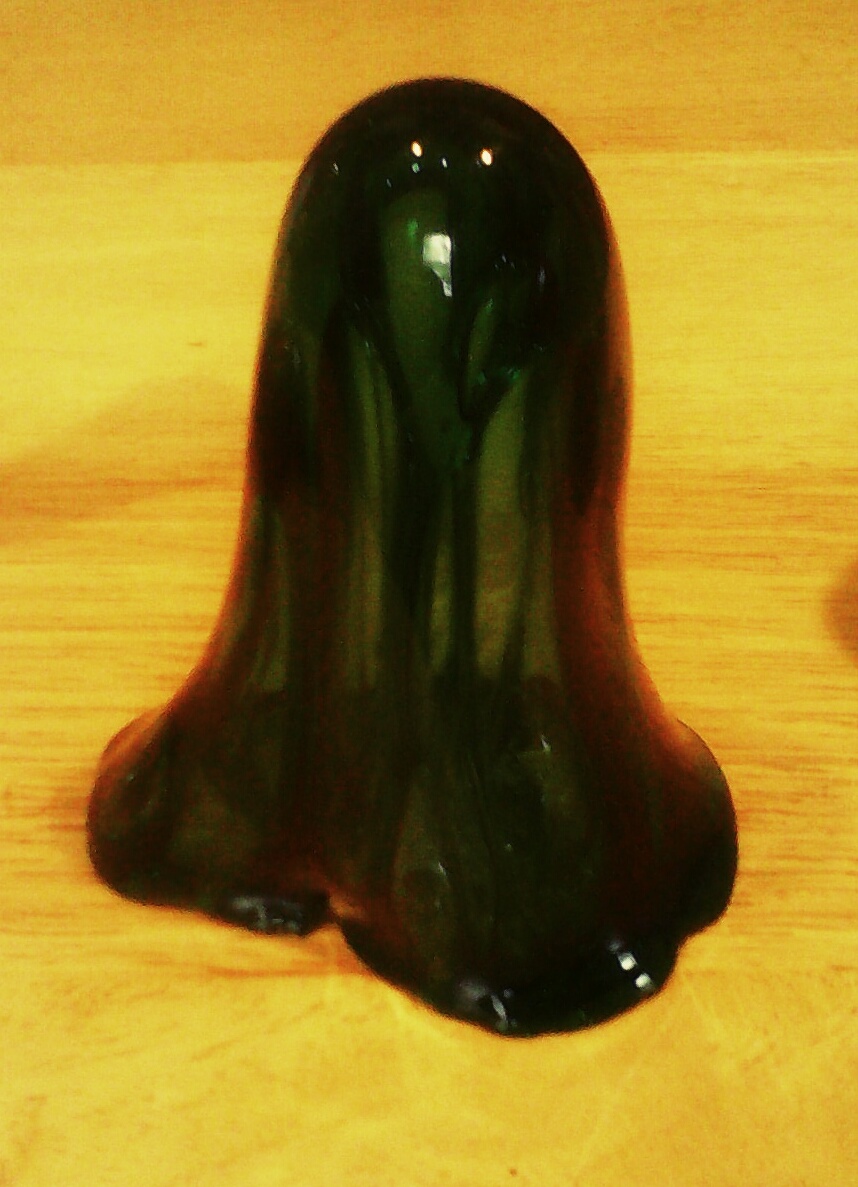  |
|
Moderator
 United States
54297 Posts |
Hmmm, glass bottle errors. A new collecting field.
Show your financial support of the Coin Community Family (click here)See my topic on Mexican Numismatic Medals (click here) |
|
Pillar of the Community
United States
1812 Posts |
Back then, I smoked a pack of cigarettes per 8 hour shift..
To light the cigarette, I would grab a bottle entering the conveyor from the mold with my Tongs and hold the bottle about half a inch from the cigarette, then toss the bottle in the recycle chute..
What memories..
|
|
Pillar of the Community
Canada
5341 Posts |
|
|
Bedrock of the Community
United States
62064 Posts |
Well I fixed the description, but couldn't change the location on the thread because if was longer than 24 hours. But here is the edited version: 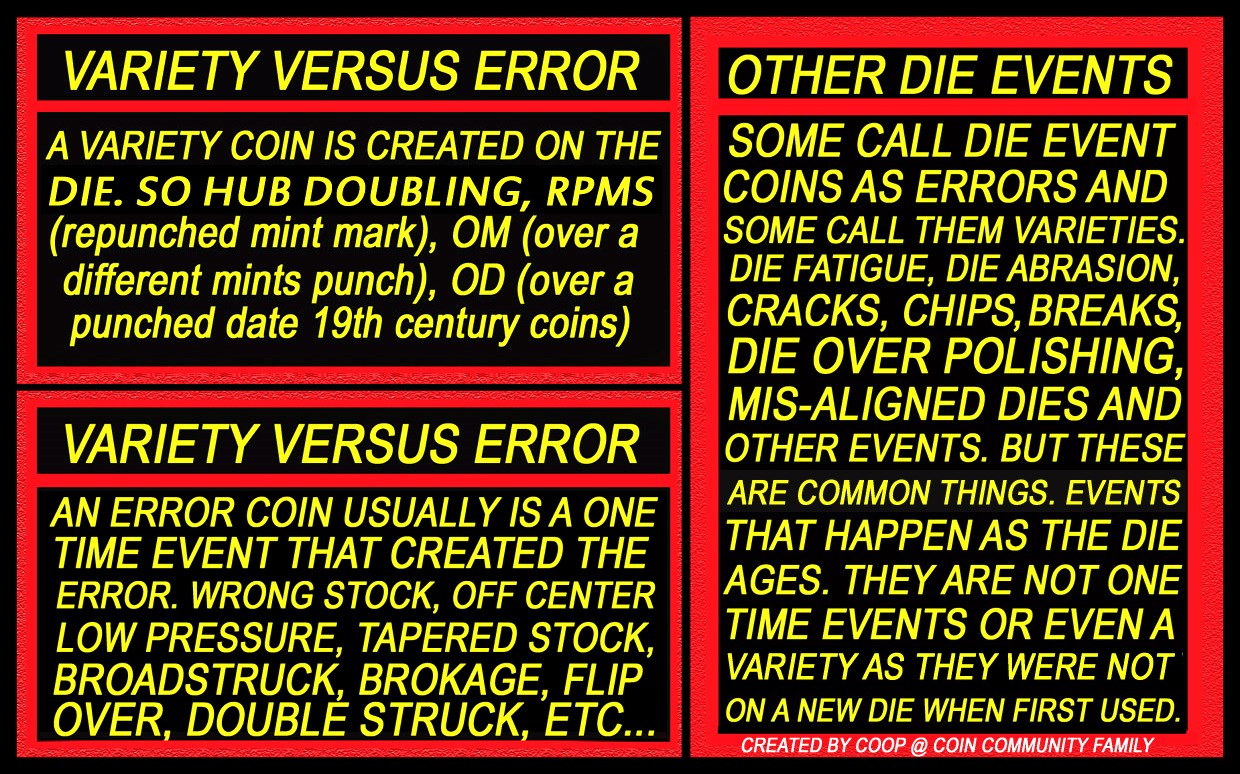 |
|
Pillar of the Community
United States
6370 Posts |
Errors are unique, imperfect products produced erroneously by the mint. That is pretty much the gist of it. Could you provide examples where there is a divide between "errors" and "poorly manufactured idustrial products" when it comes to coins? I would think that they are one and the same.
|
|
Bedrock of the Community
United States
62064 Posts |
He may be referring to other die events coins. The dies are breaking down and the quality seems to go down as well. But they will still work find in machines and work as coinage, the job that they were created for. It is us that views them as imperfect products. Also factor in is the coins that are intentionally mutilated or just damaged during circulation. Just view them as such and send them back into circulation.
|
|
Valued Member
Canada
192 Posts |
An interesting discussion. I've spent some years of my work life in various aspects of the print trades, so I know that there are tons of "errors" created; most are destroyed, many are smuggled out of the production facility and sometimes they get sent out as tender by mistake. (You know those die-clash coins didn't get packed into a roll and sent to a bank or merchant). Will the real error category please stand up? Is a smuggled coin a cheat-error, then? To some, sure, but to others they're still quite valuable. And what of errors in the BU and Proof coins? Are there different standards? Of course these days we have not only minting/die errors, but so many NCLT (in particular) have secondary processing such as a variety of colourizing methods, etc. For example, while this image wasn't taken to highlight the mis-registration of the colourization, it is rather clearly visible, nonetheless:  notes: the colour layer is shifted left ~.2mm and up ~.05mm (guestimating distance) as the entire circle can be seen to be off-centre at the perimeter, but also in the tree lines to the left and right, and also around the observatory... notes: the colour layer is shifted left ~.2mm and up ~.05mm (guestimating distance) as the entire circle can be seen to be off-centre at the perimeter, but also in the tree lines to the left and right, and also around the observatory...So this was clearly a QA/QC error. That, or they have a rotten acceptable variation window. If this were a circulation coin, nobody would likely care or notice, I suspect, but at $150/ounce I expected more rigid standards. Can I find someone to whom said error makes the coin worth more to them than I've paid for it myself? I suppose if I tried hard enough it's possible, but that's not my shtick. I'm strongly considering returning it instead... now that I've seen the issue, it's likely to nag me every time I look at it, lol. Edited by NeoSpec
08/08/2016 02:20 am
|
|
Bedrock of the Community
United States
62064 Posts |
Looks interesting, but I know nothing about it. I like the color.
|
| |
Replies: 15 / Views: 1,786 |
|










 Posted 03/27/2016 2:04 pm


