| Author |
 Replies: 22 / Views: 7,413 Replies: 22 / Views: 7,413 |
|
Bedrock of the Community
United States
62064 Posts |
How to find doubled dies on the Memorial designDid you realize they struck 445,291,093,531 Memorial cents. The largest group so far with that design. So looking for doubled dies can be harder because of the design change from the Wheat design to this new design. The 1909 cents started off with 100 years after Lincoln's Birth year. The 1959 year was 100 years after Lincoln became President. The series ran from 1959-2008. Starting with two mint operating and then in 1965 the San Francisco Mint went back into production and struck business strike cents (220030000 without the 'S' mint mark) and also the SMS (1965= 2,360,000 - 1966= 2,261,583 - 1967= 1,863,344) . In 1968 they added the mint marks to the coinage again. So the Business strike coins continued from 1968-1974. (4,000,521,526 Proof and Business Strike cents) So there are many coins to search. The Memorial reverses had some big years for the DDRs. So lets see what area to look for on the Memorial DDR reverses. U.S.A: 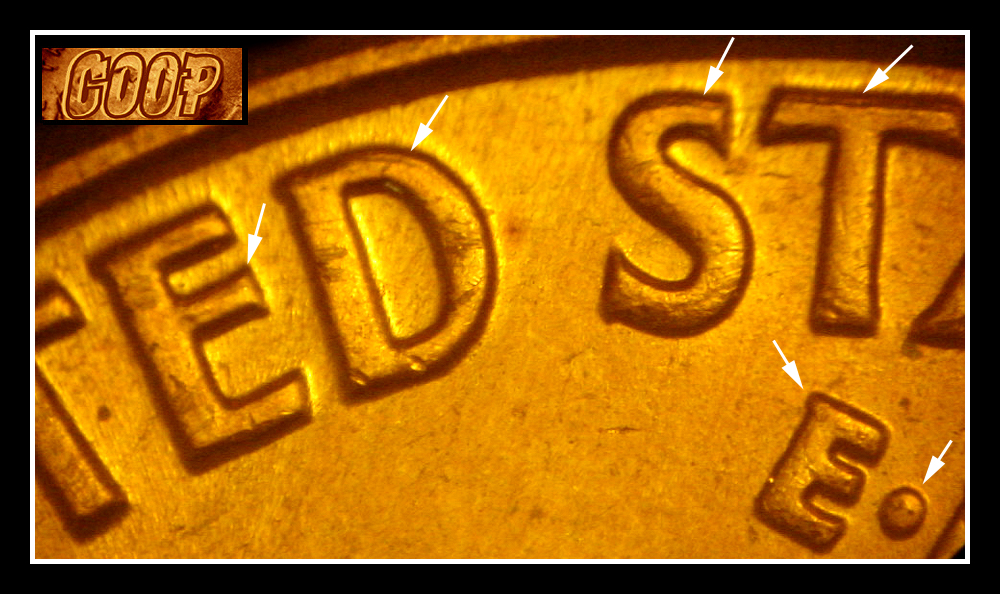 Minor: Minor: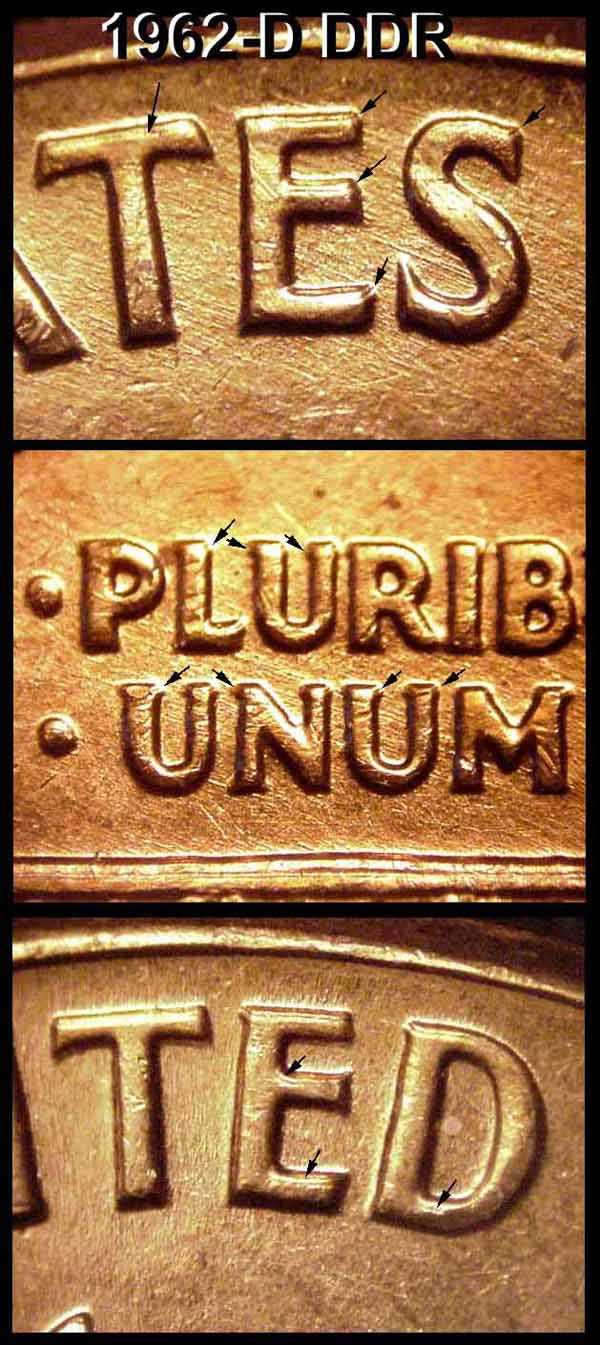 Probably the strongest DDR for the series: Probably the strongest DDR for the series: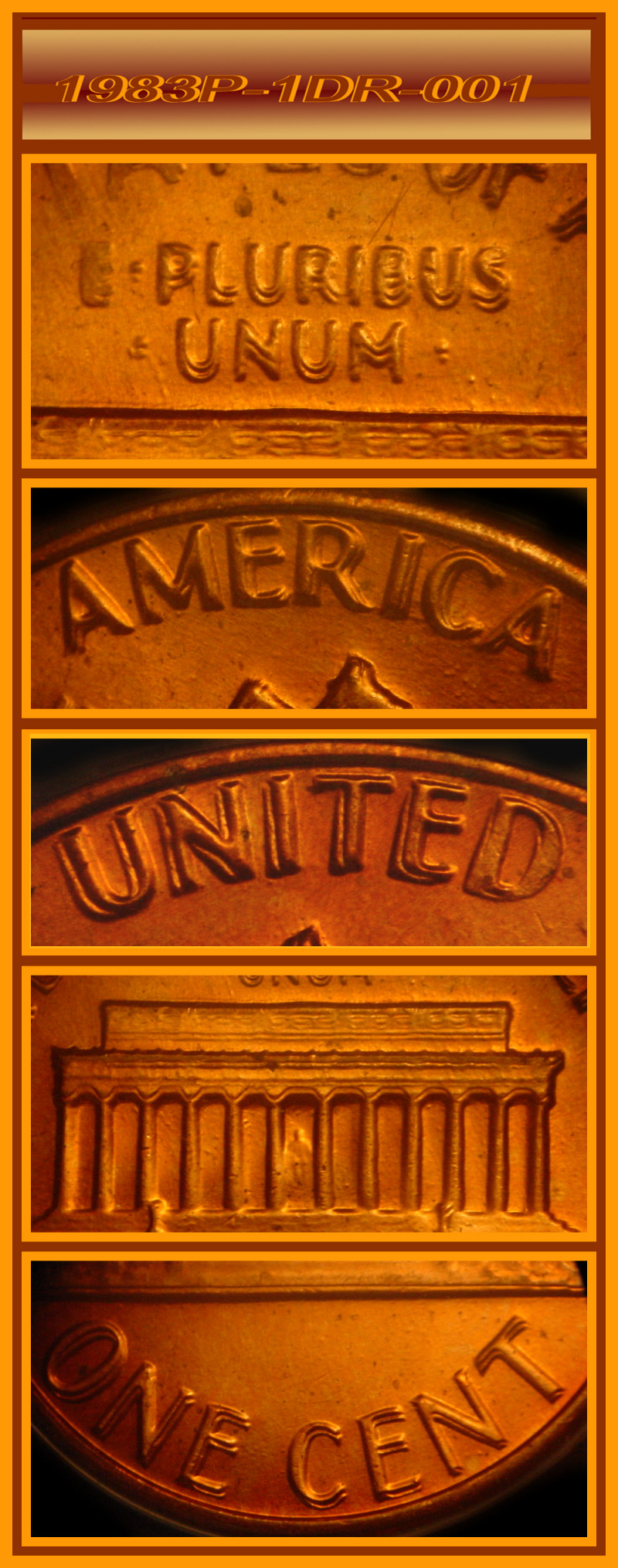 UNITED: 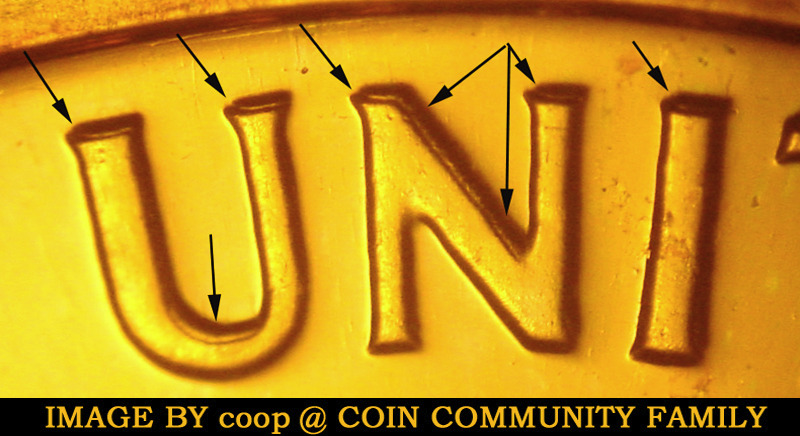 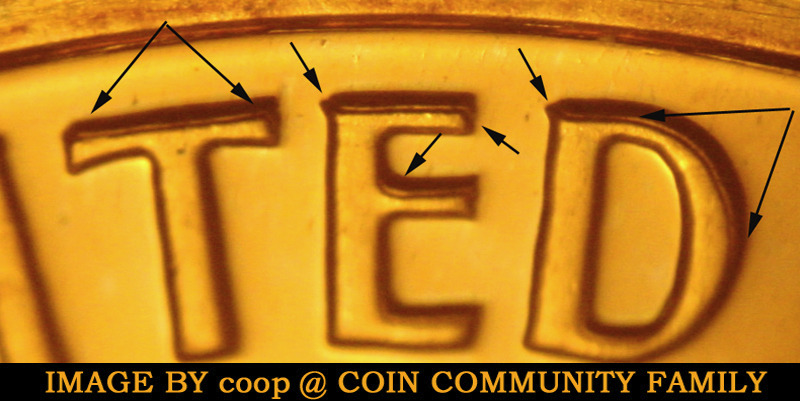 Minor: Minor: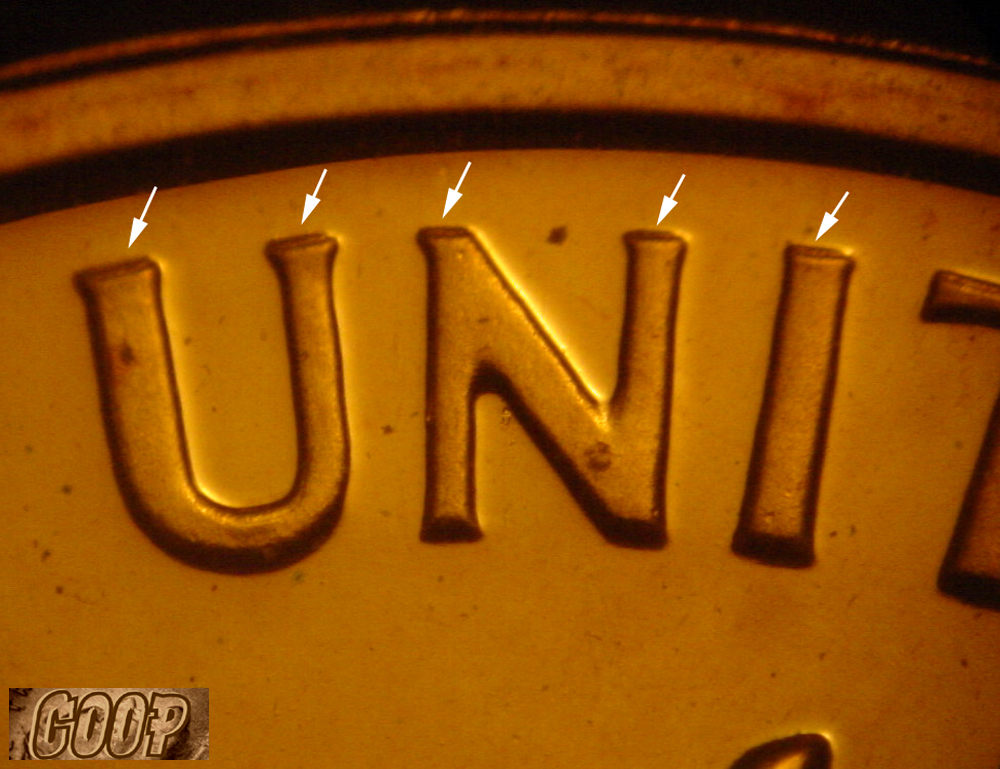 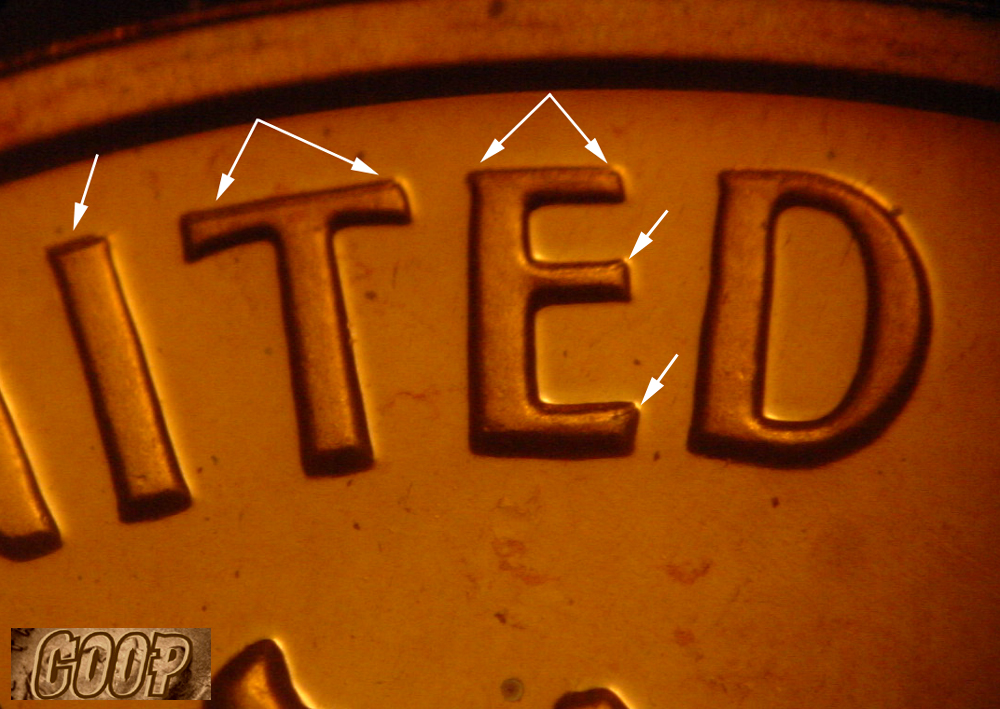 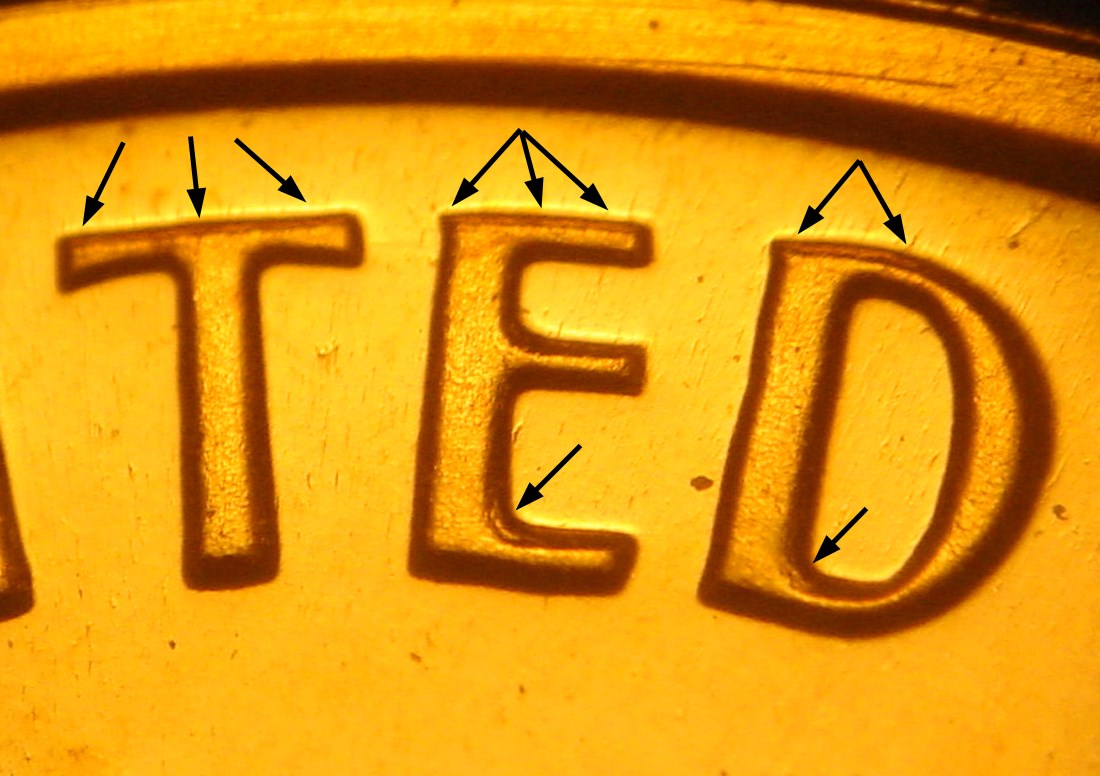   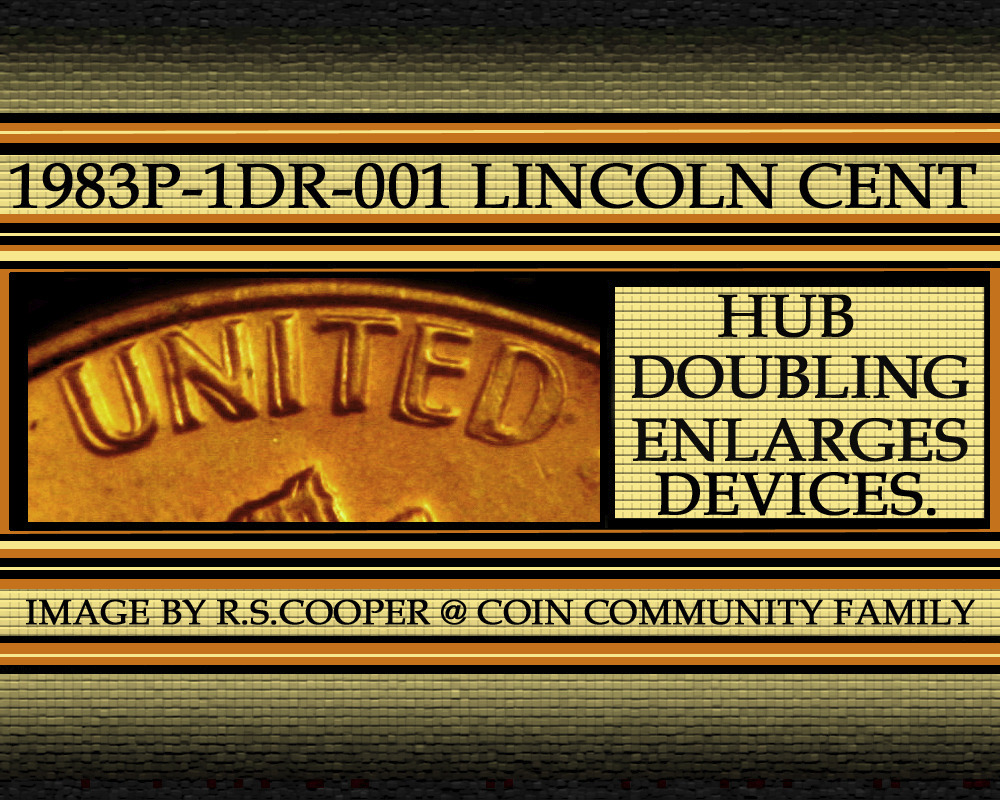 STATES: 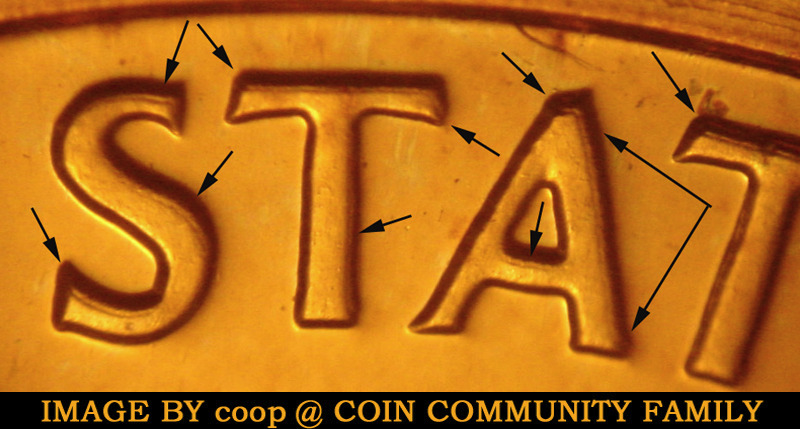 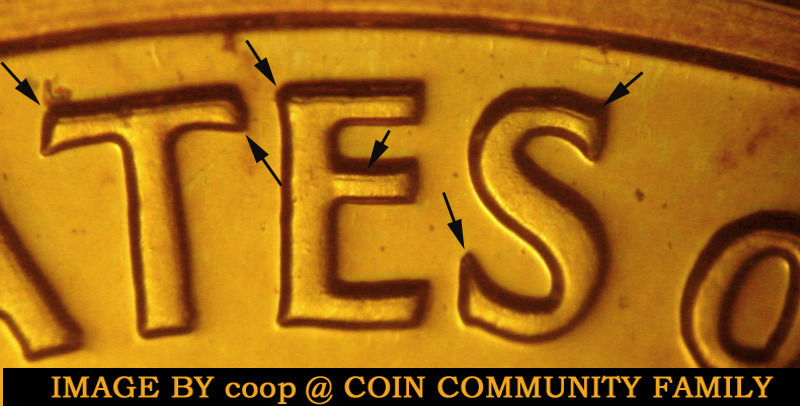 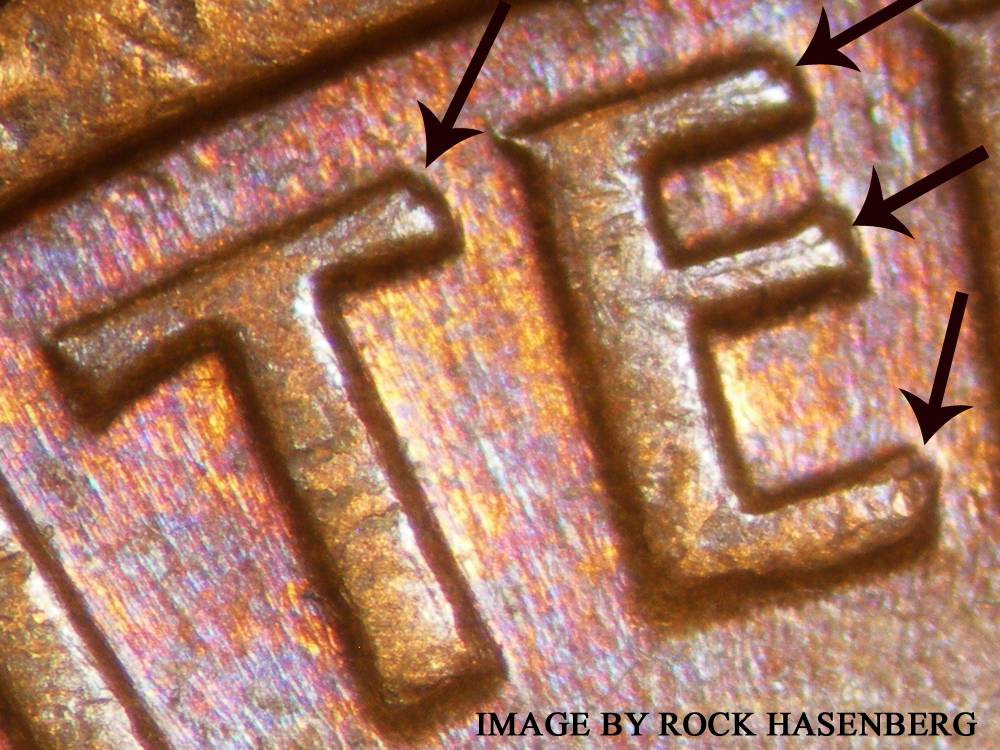 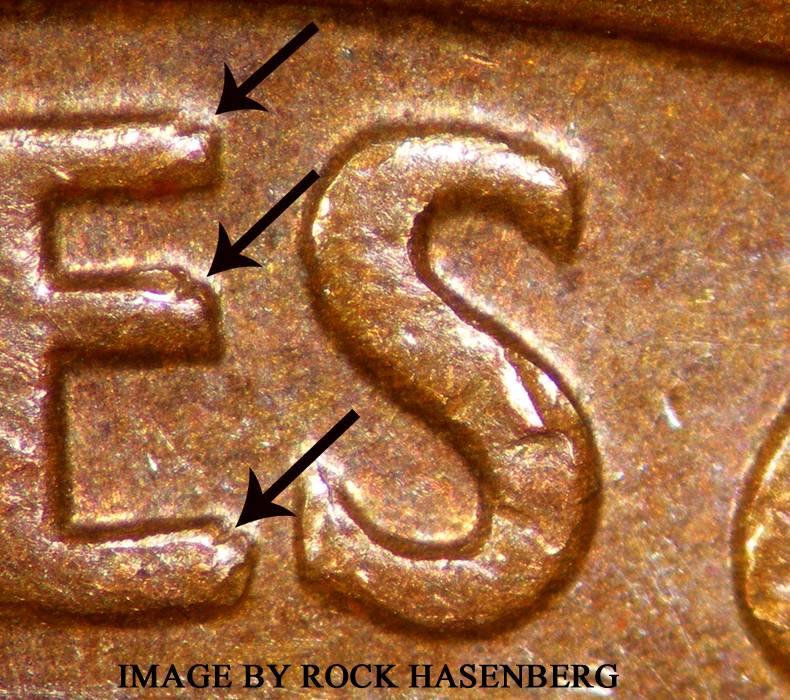 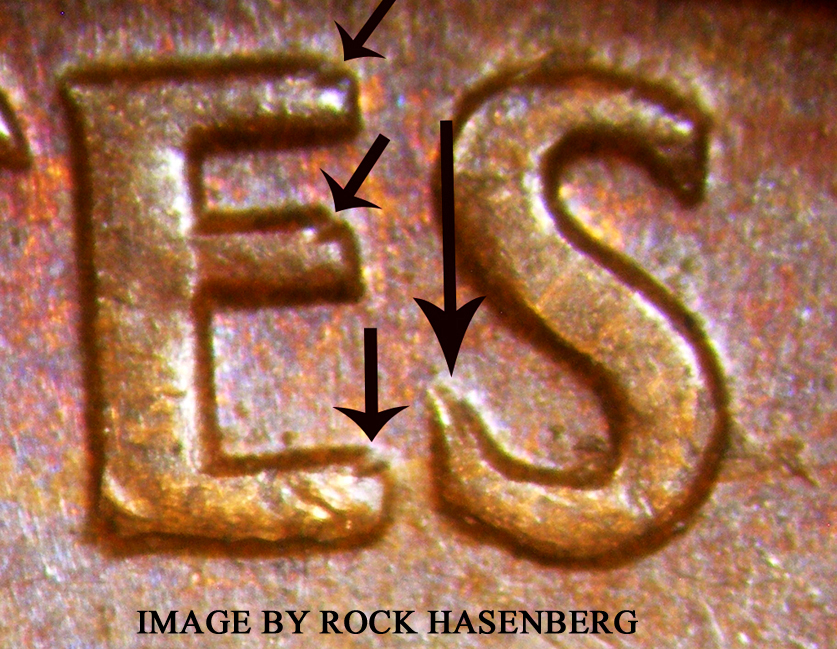 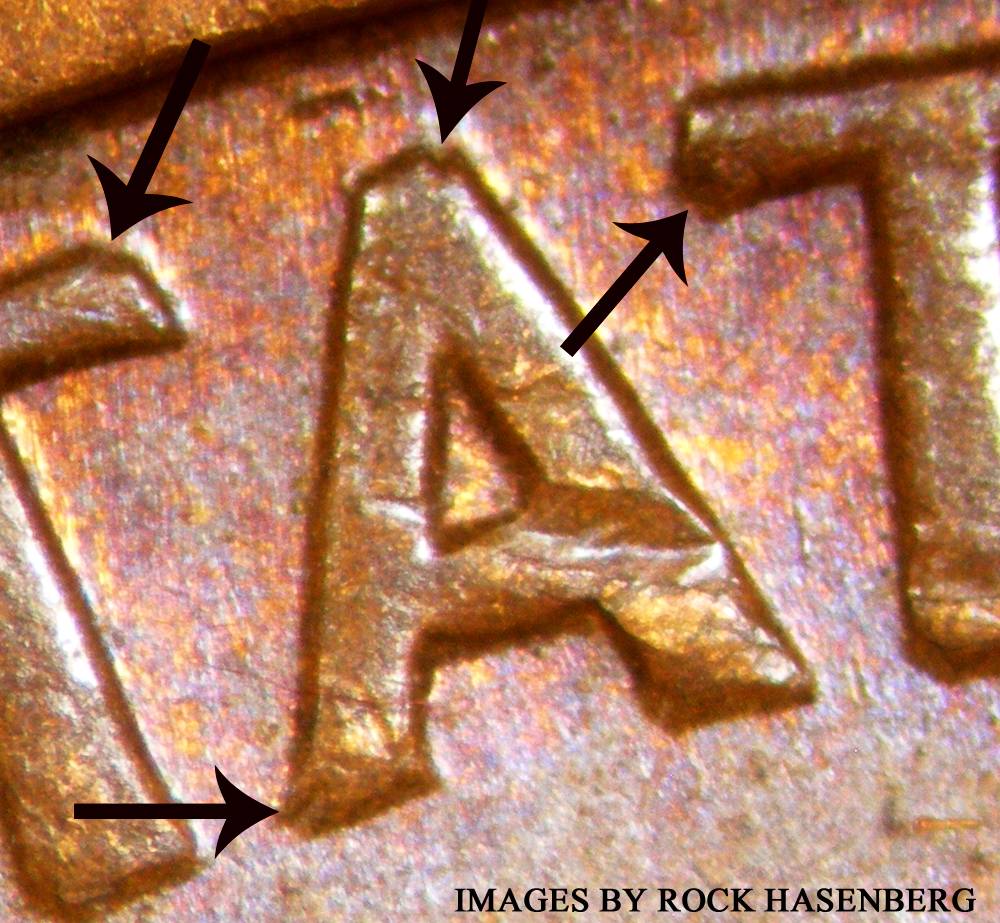 OF: 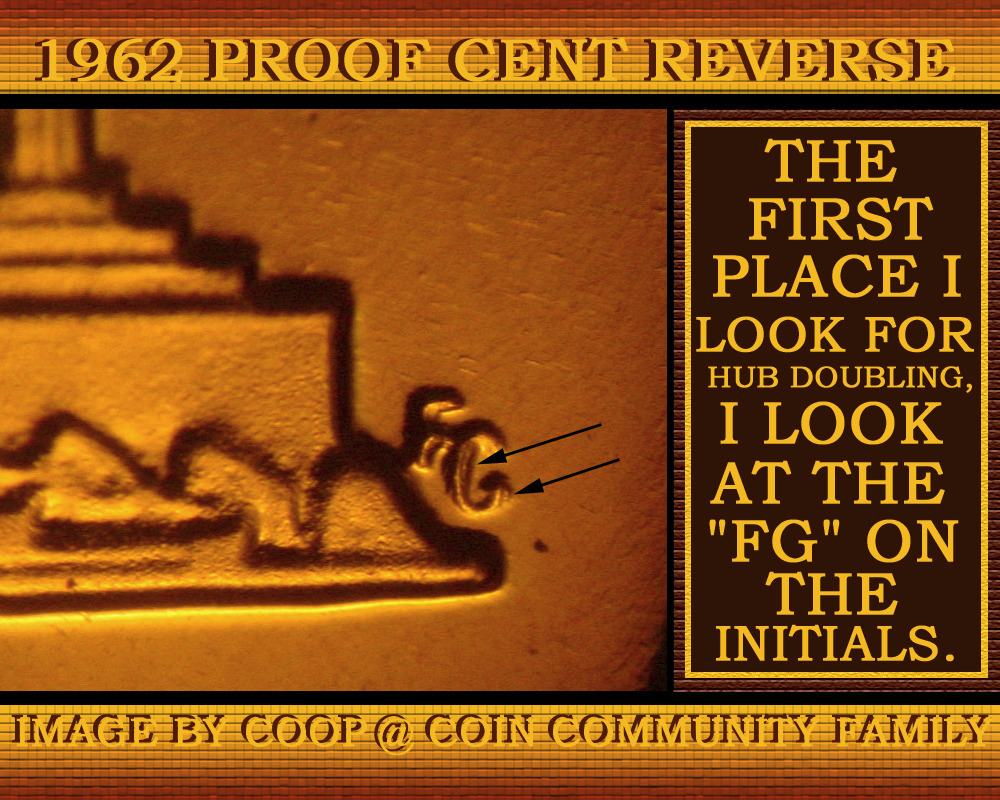 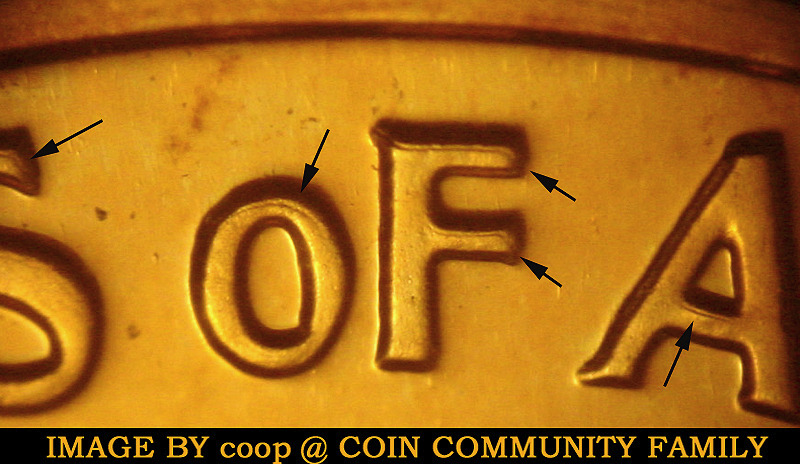 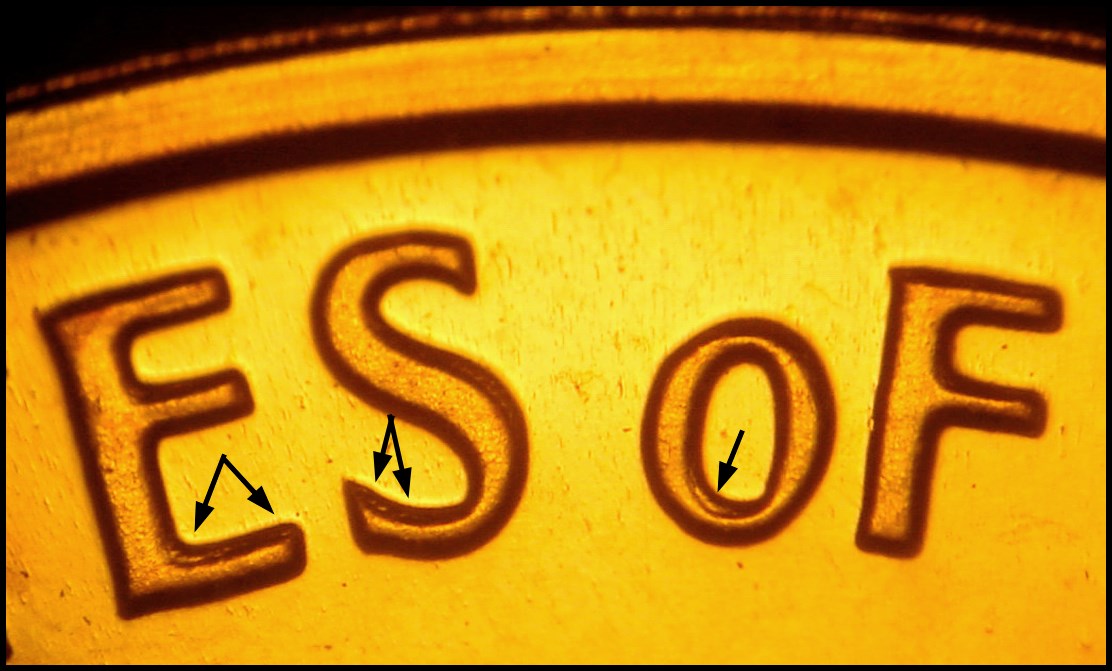 Minor DDR: Minor DDR: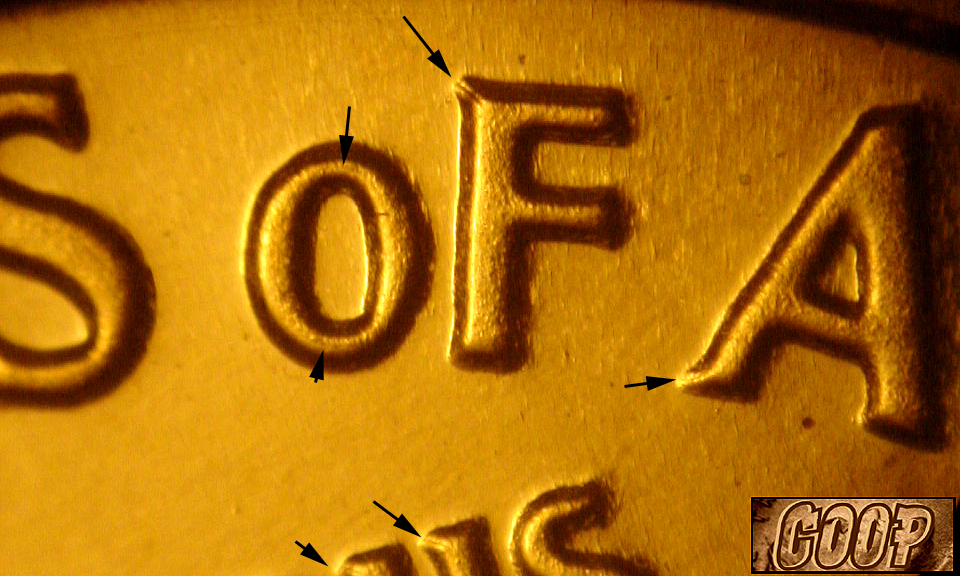 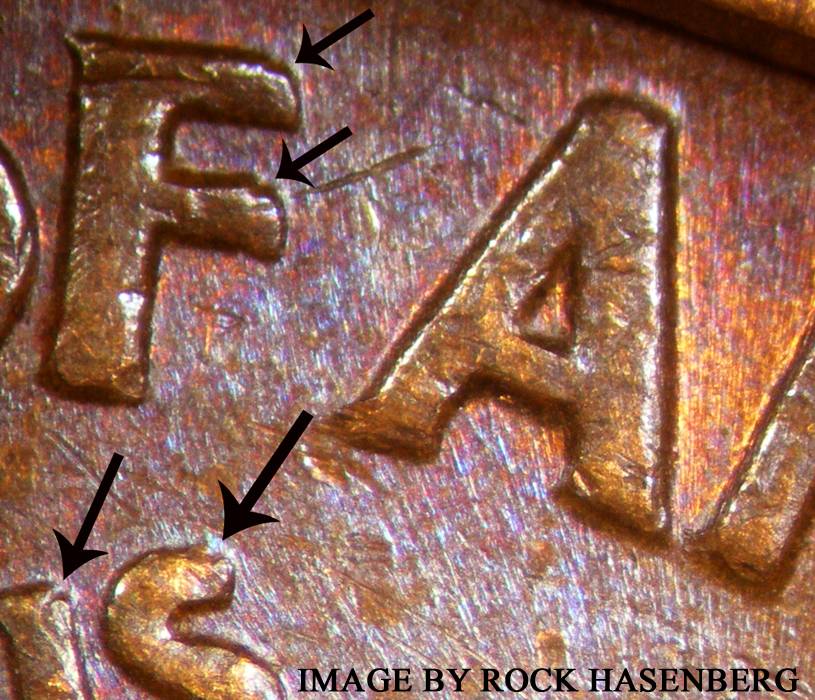 AMERICA: 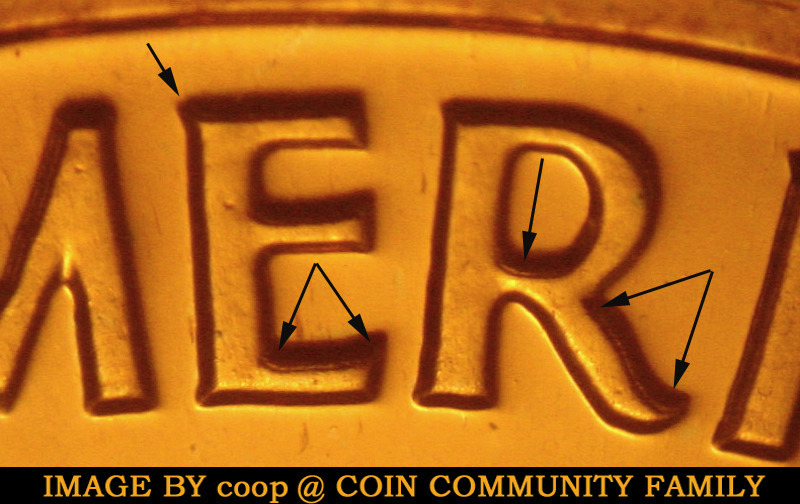 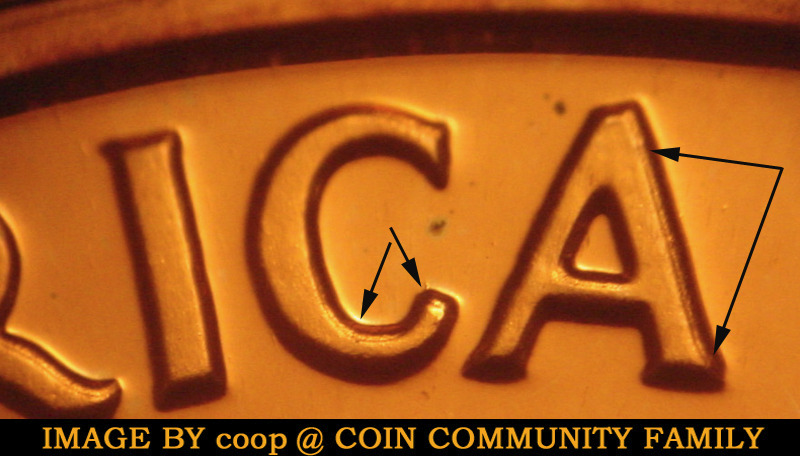 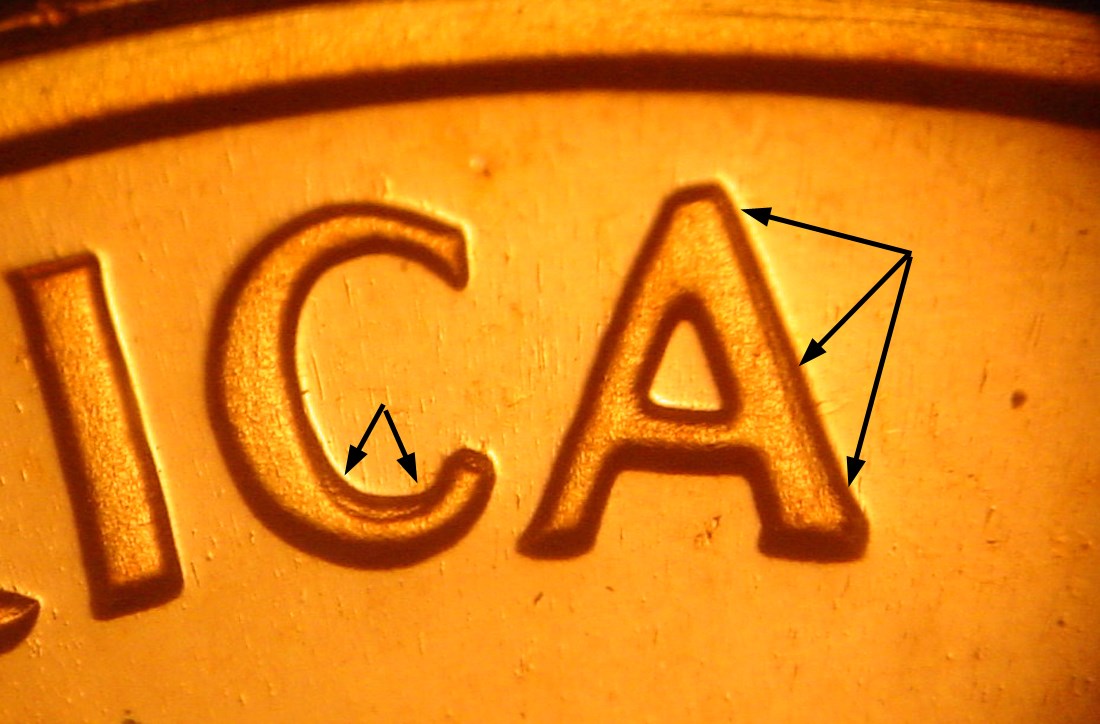 Minor DDR: Minor DDR: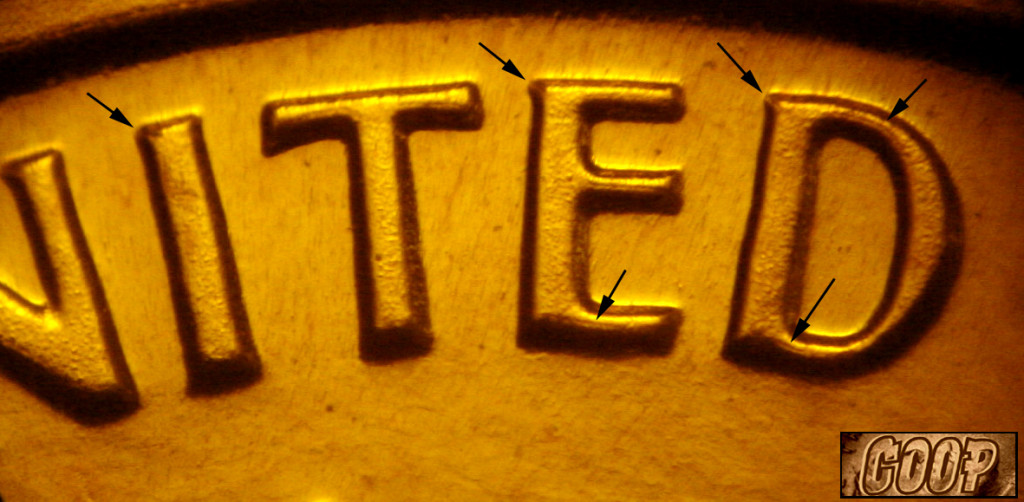 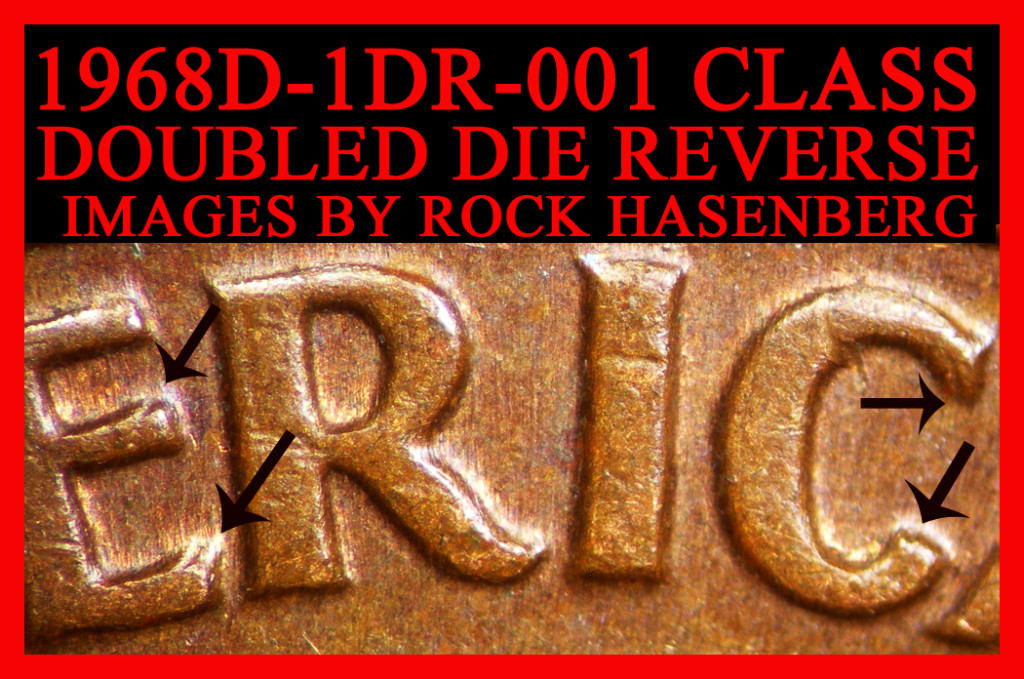 EPU: 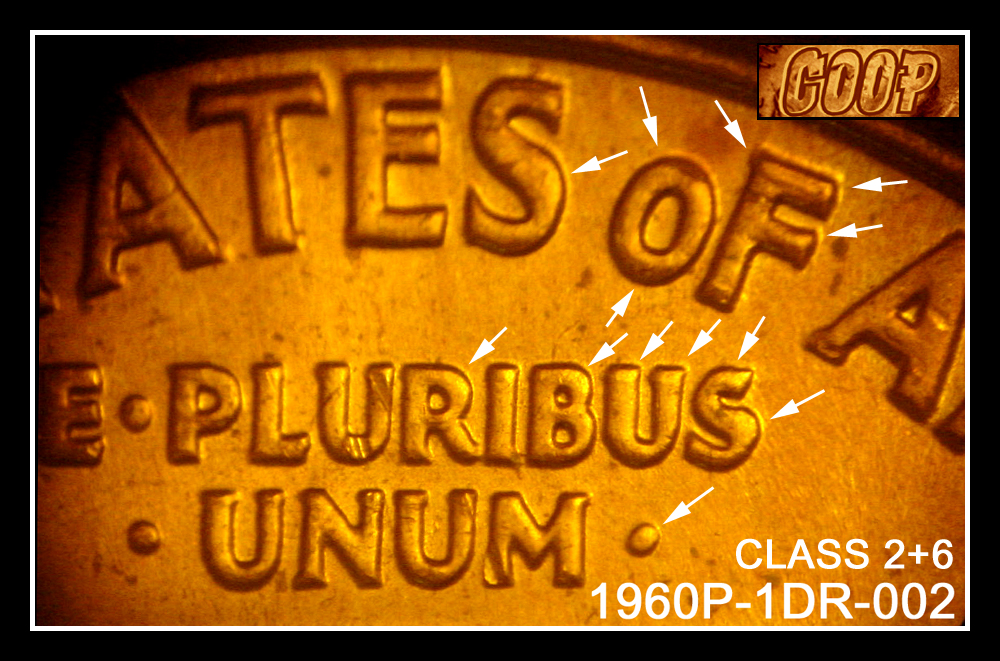 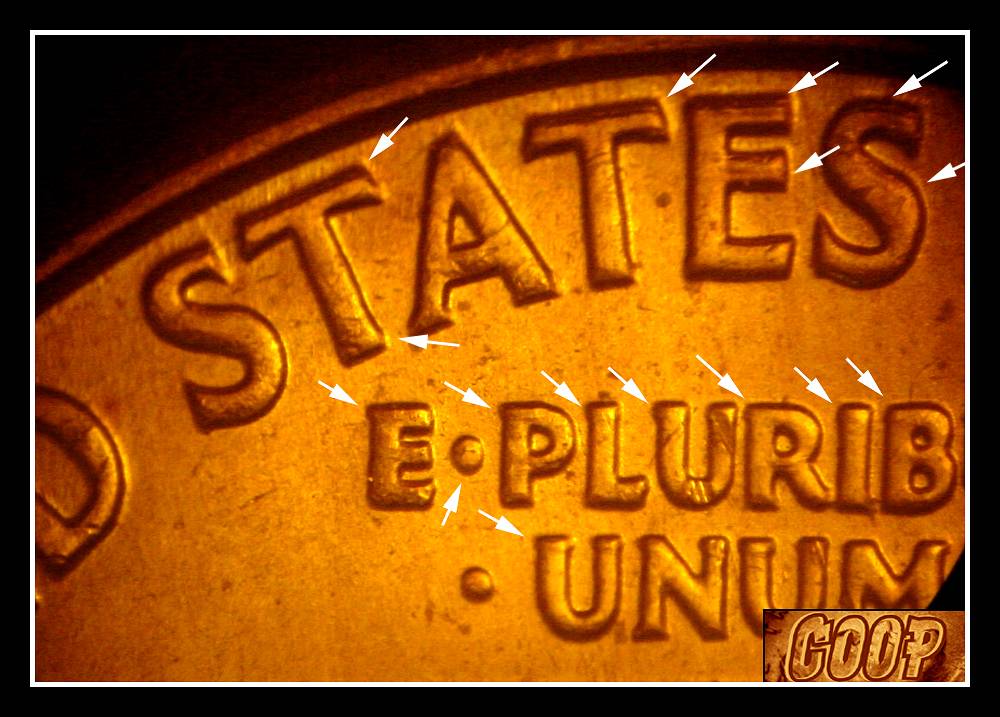  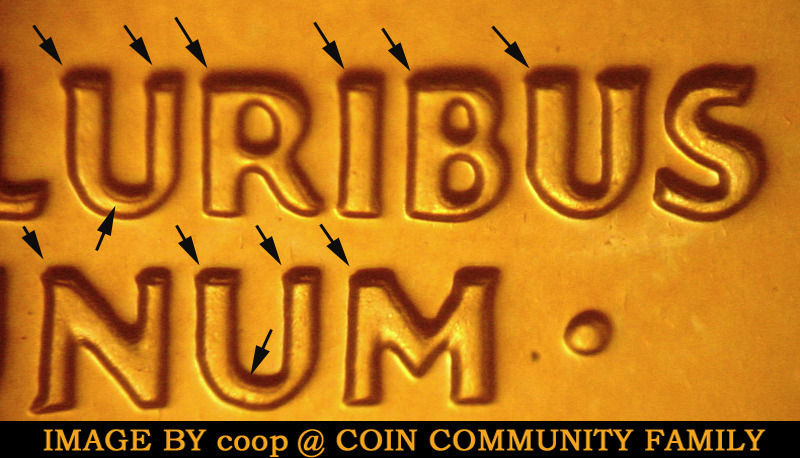 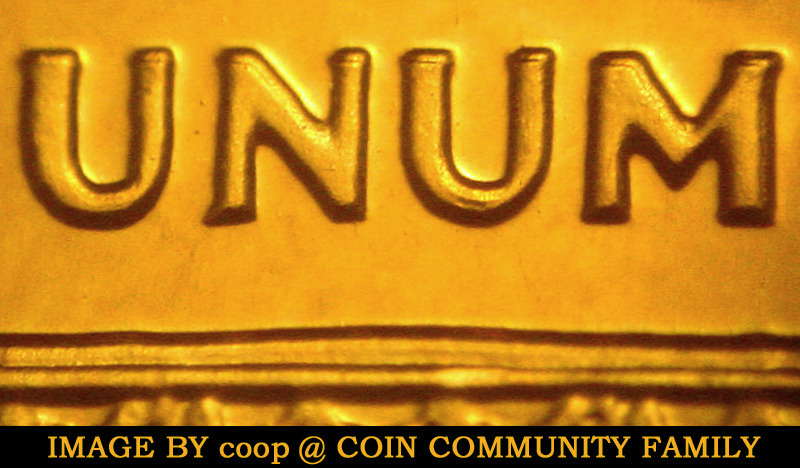  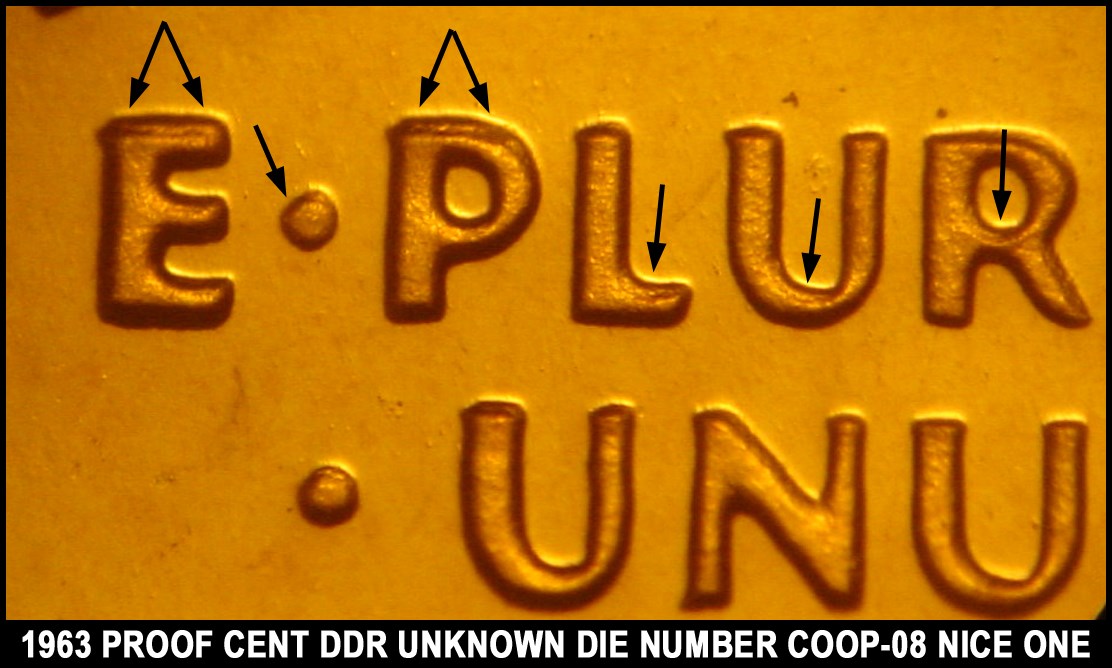 Minor DDR: Minor DDR: 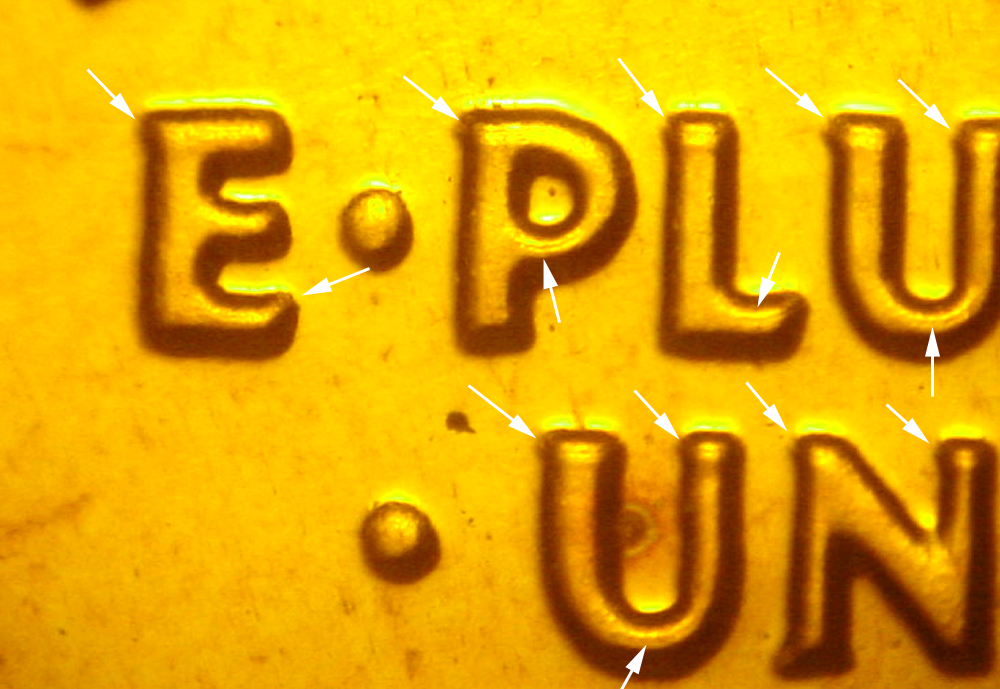 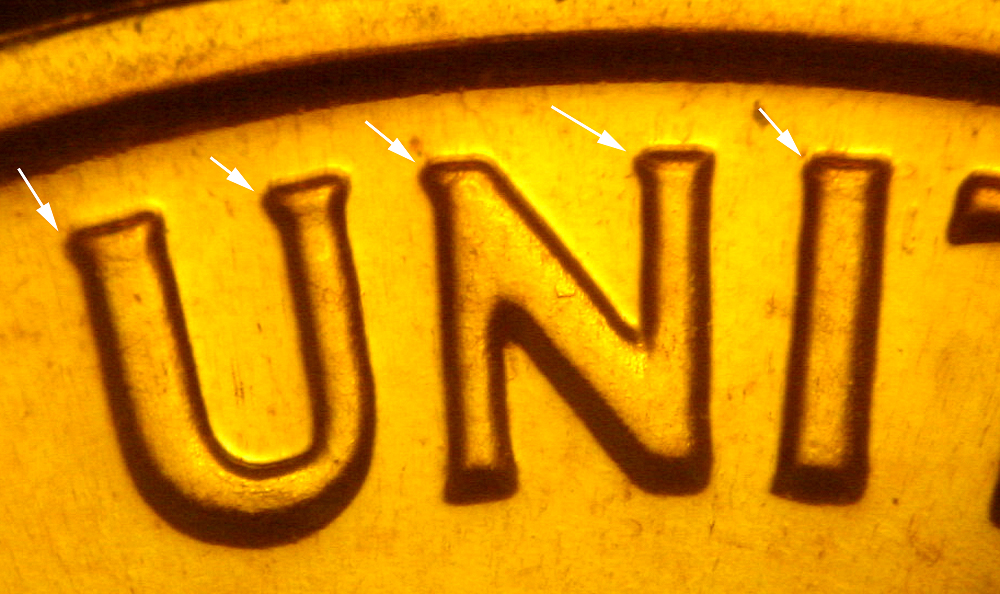 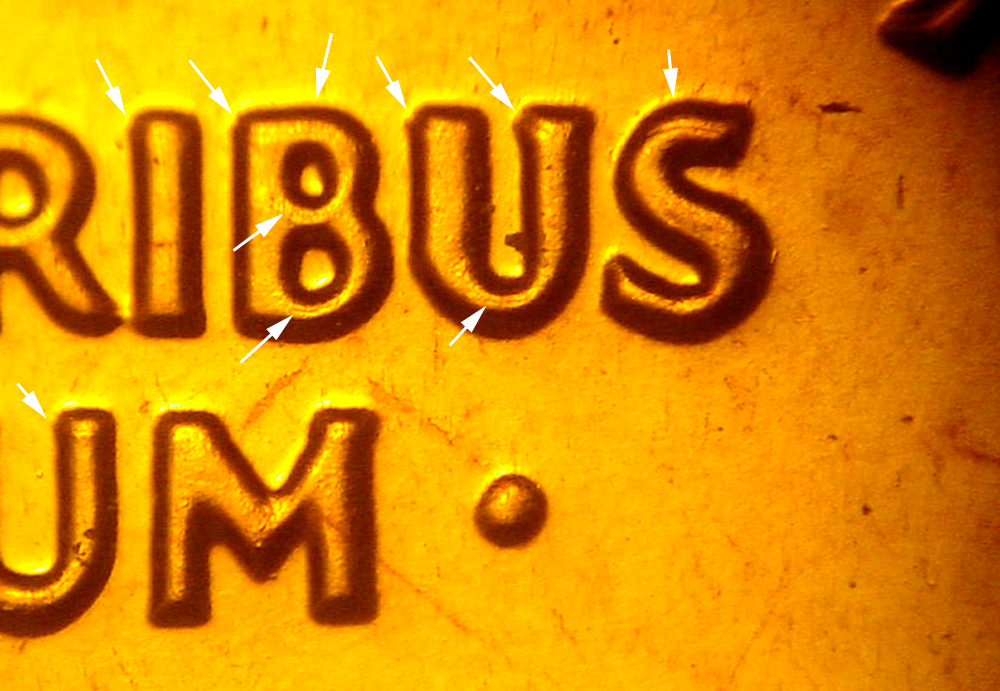 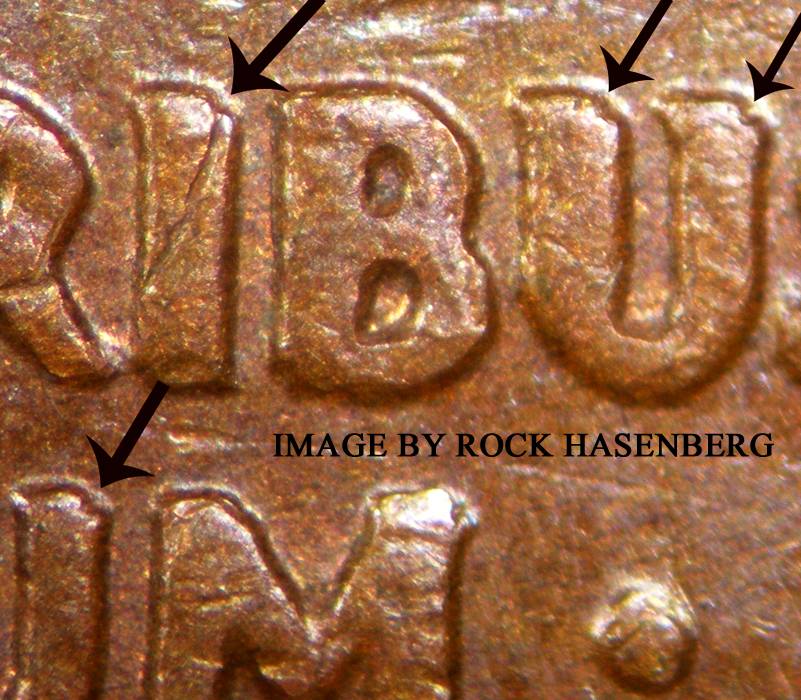 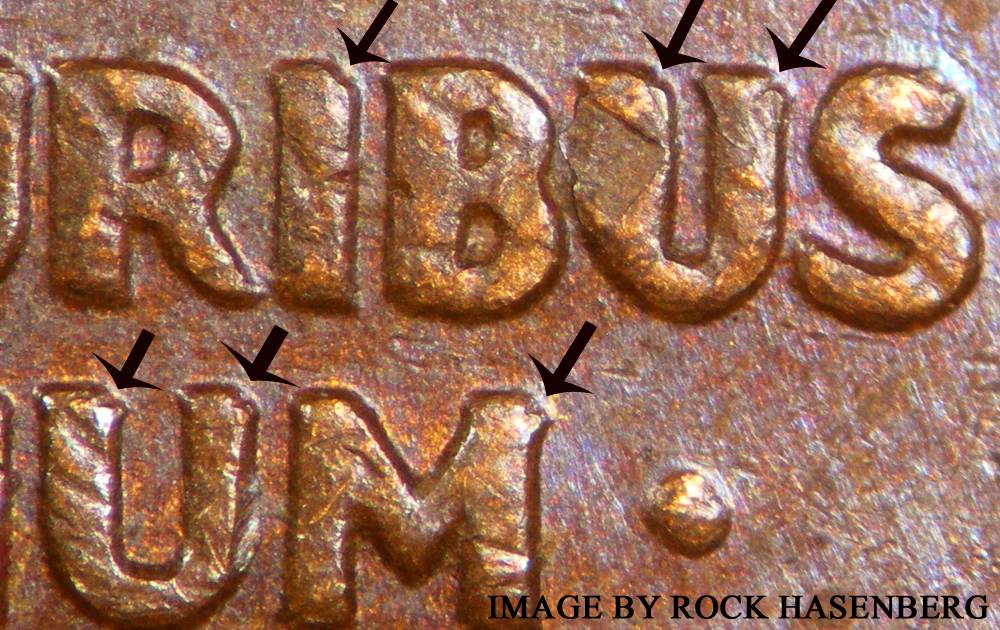 Note the vertical spread on the next two images. One is stronger than the other one: Note the vertical spread on the next two images. One is stronger than the other one: 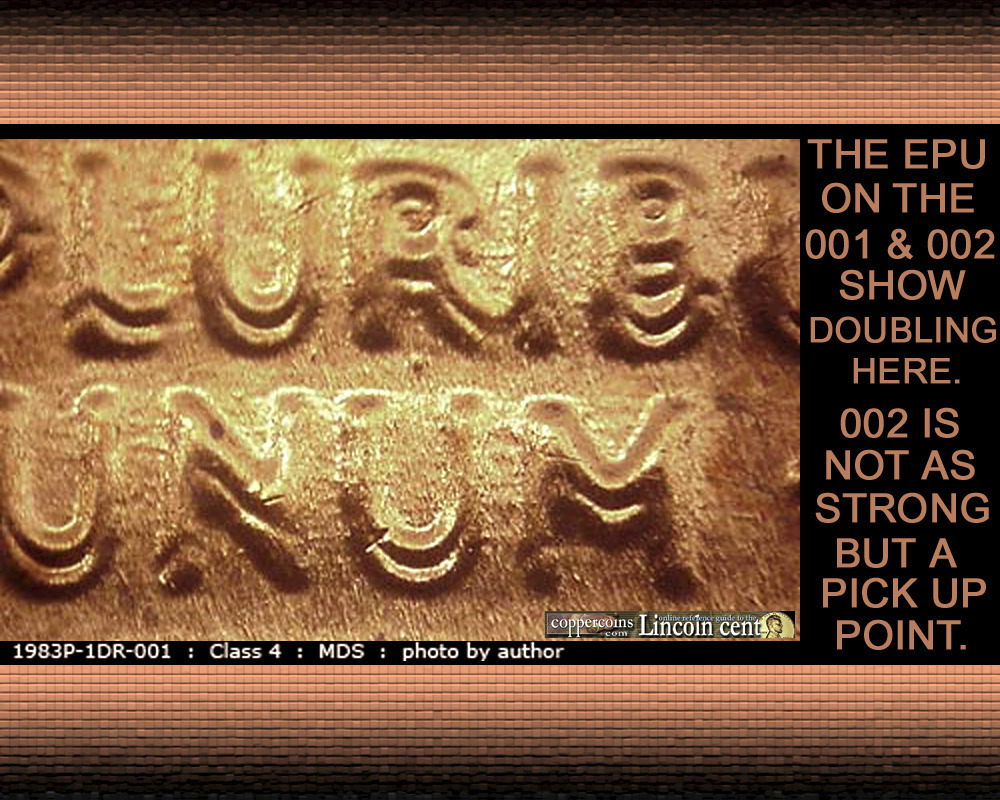 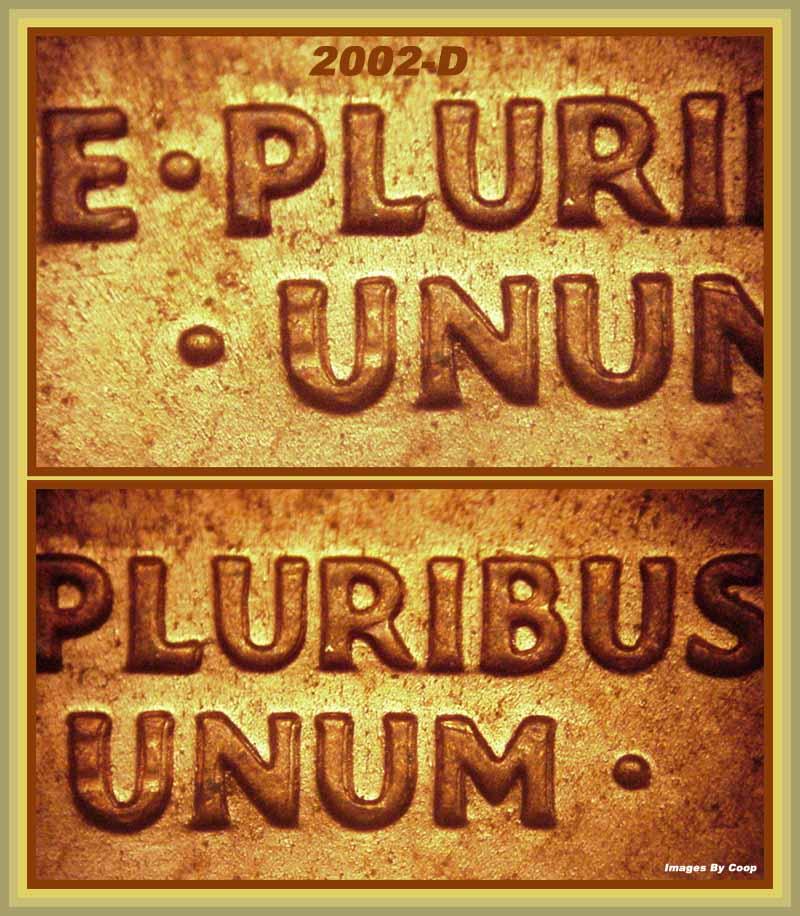 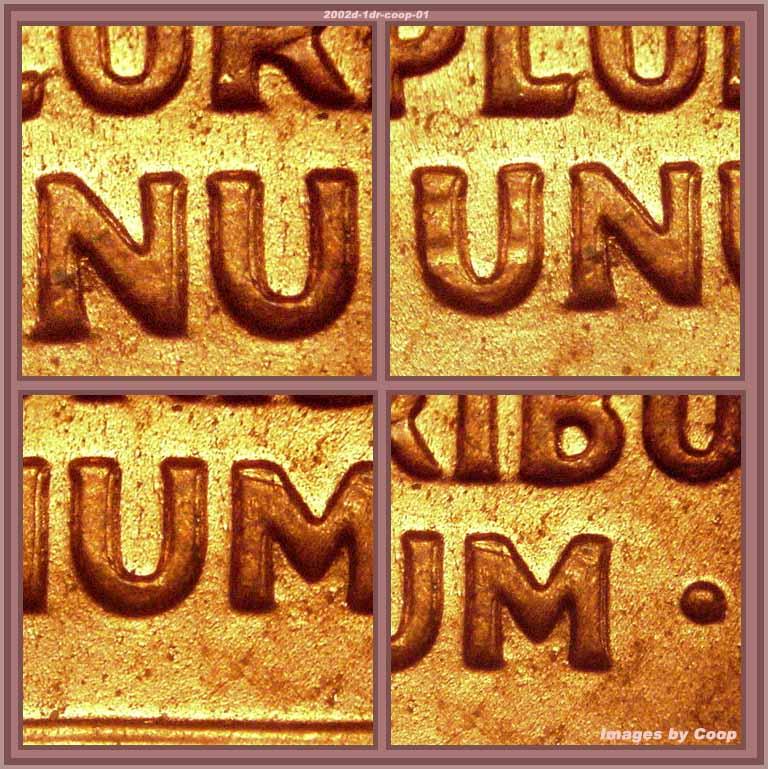 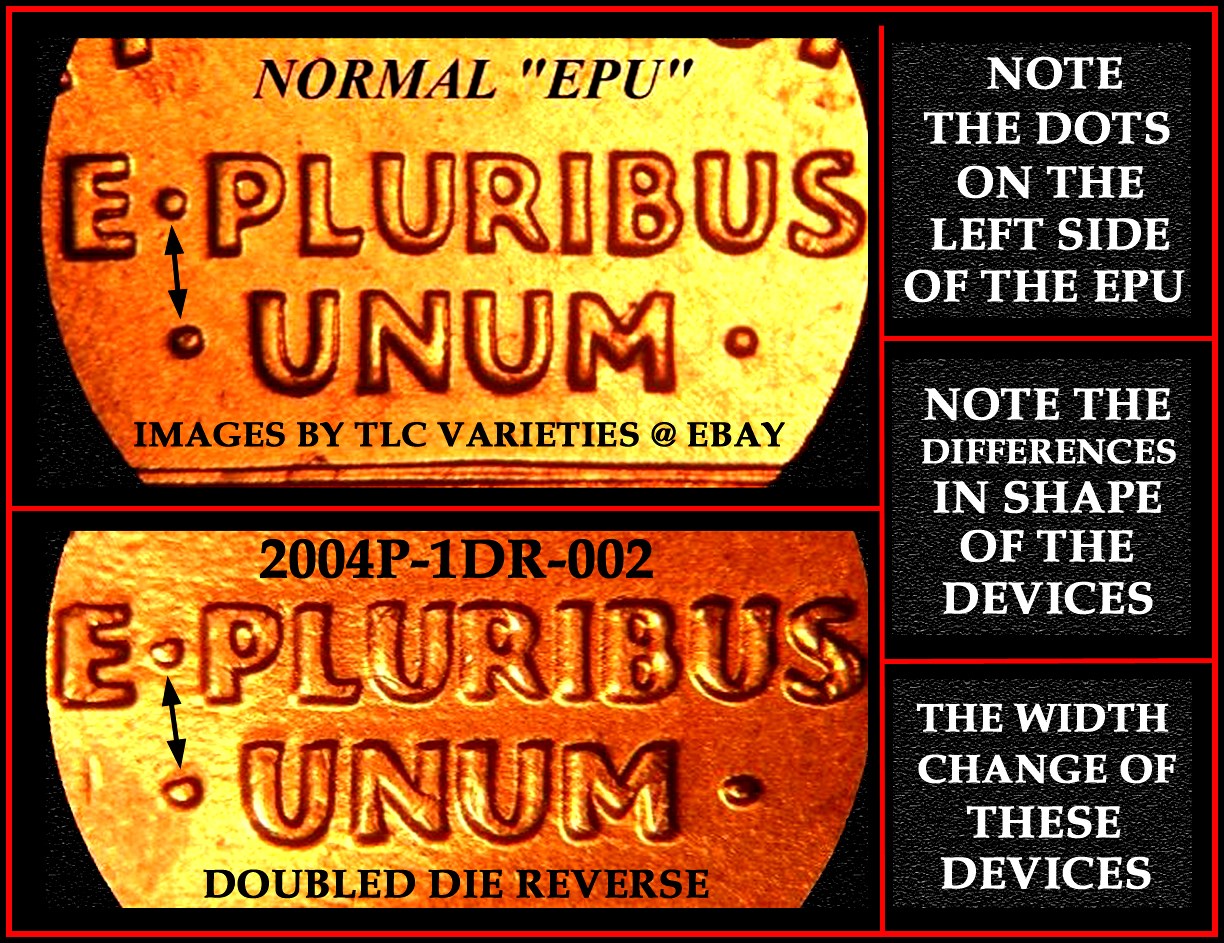 FG: 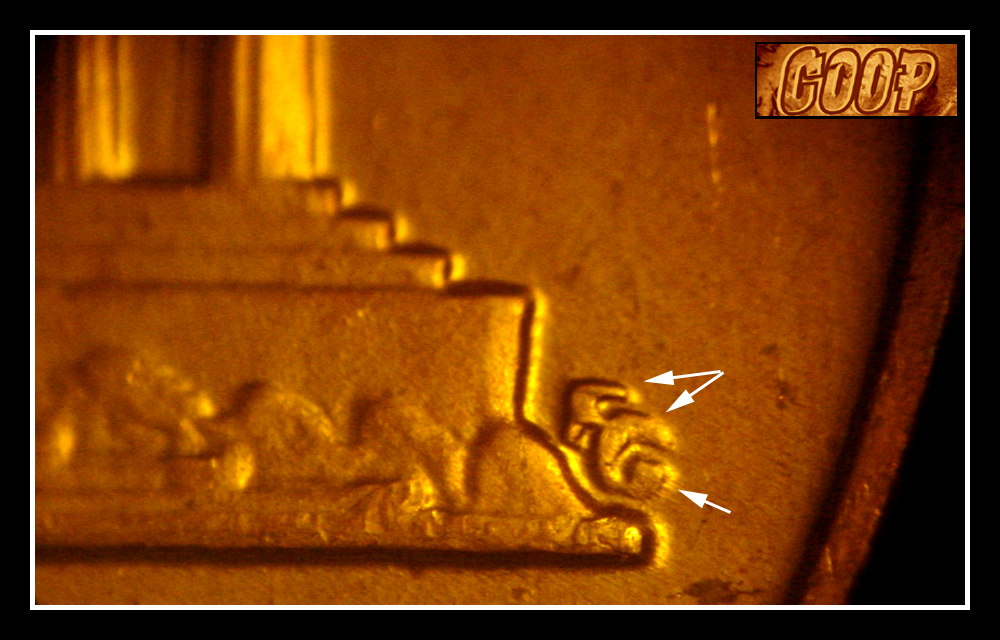 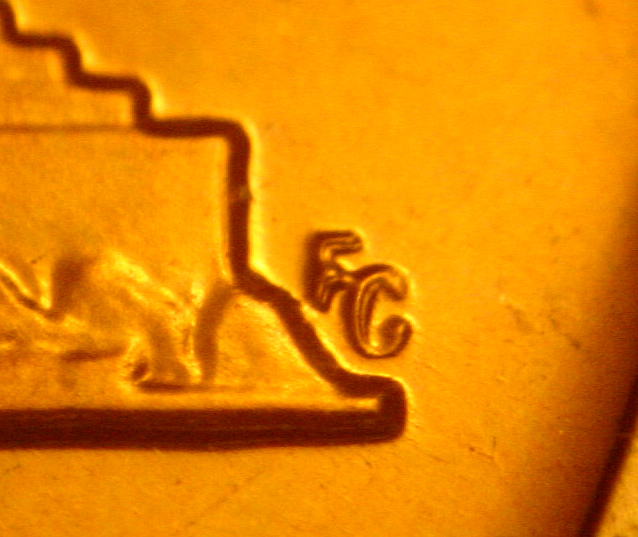 ONE CENT: 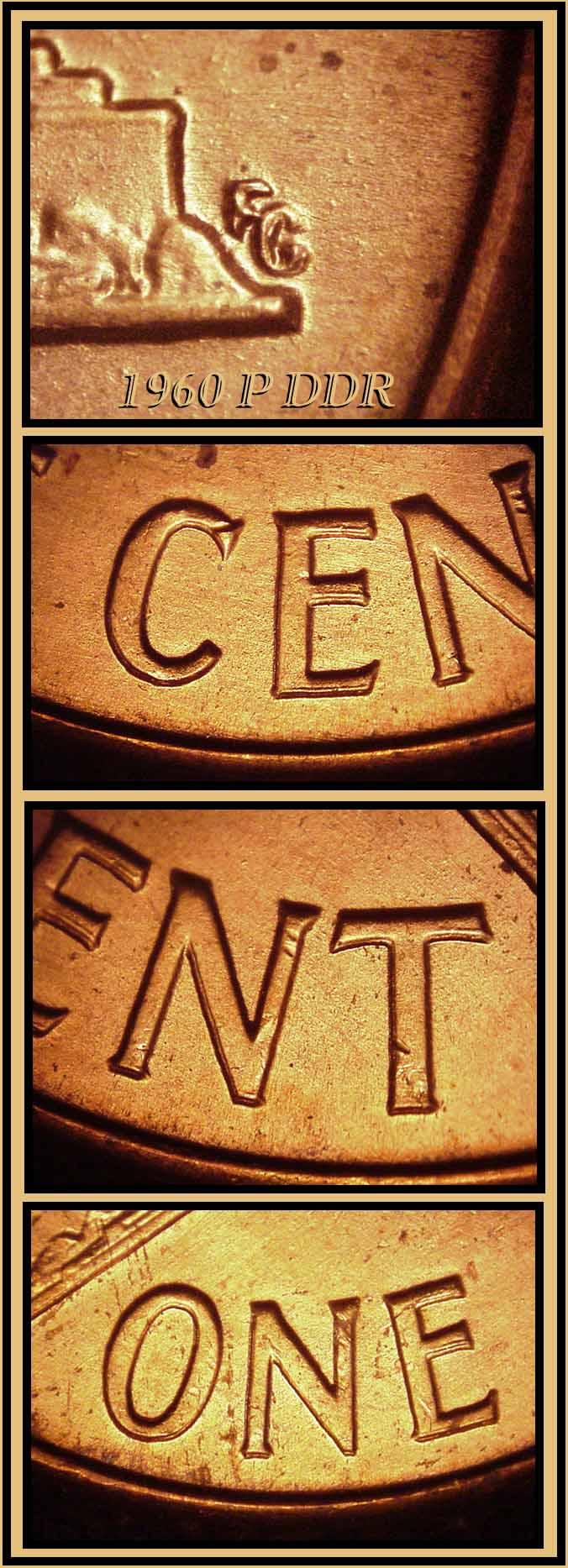 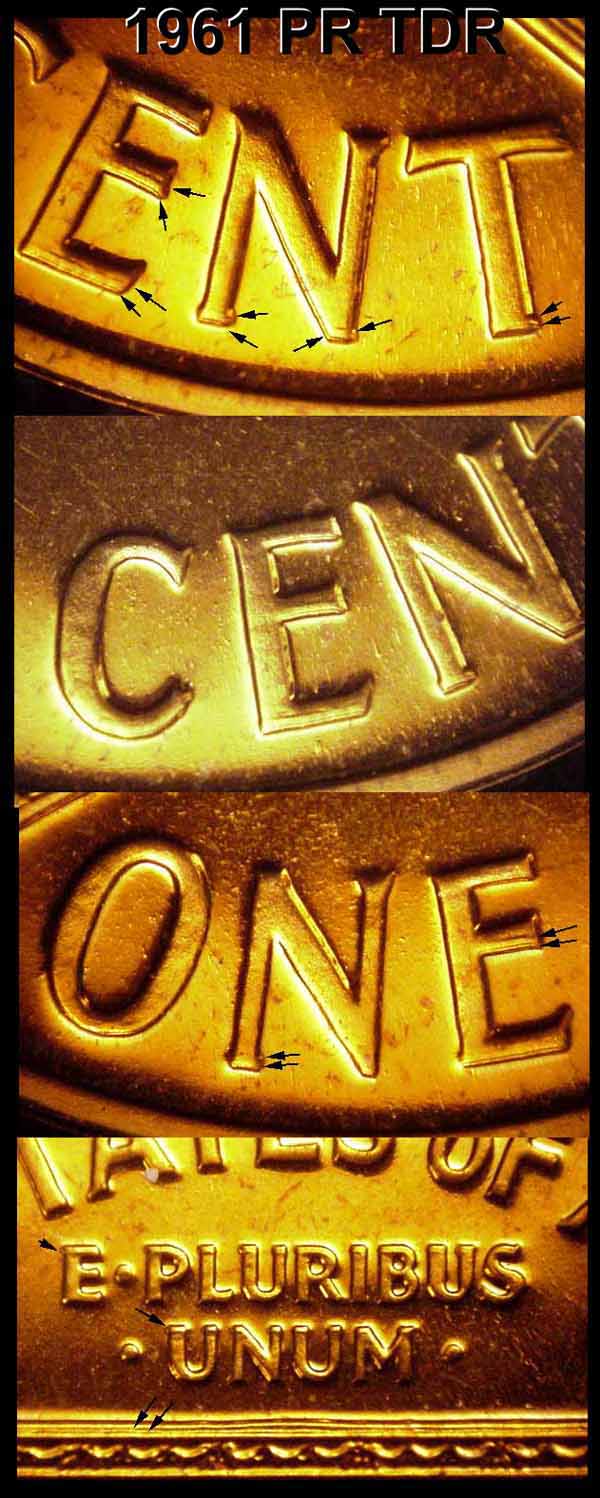 Minor: Minor: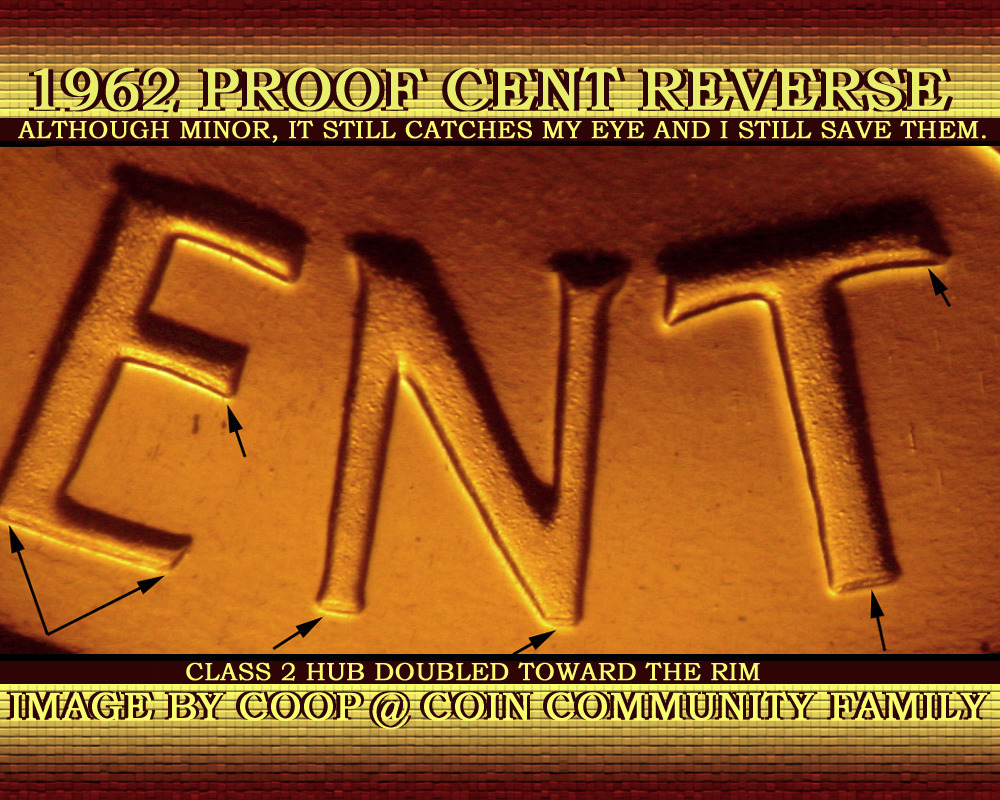 ONE: 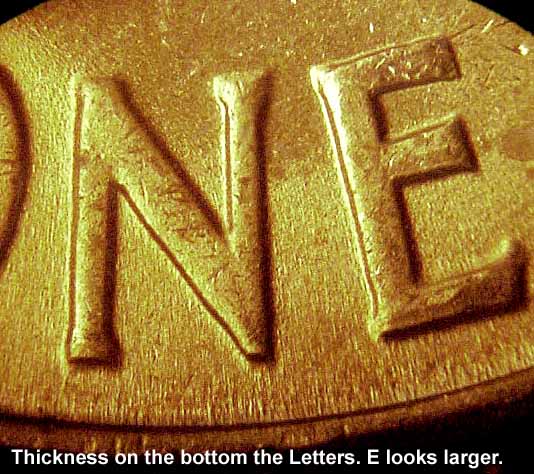 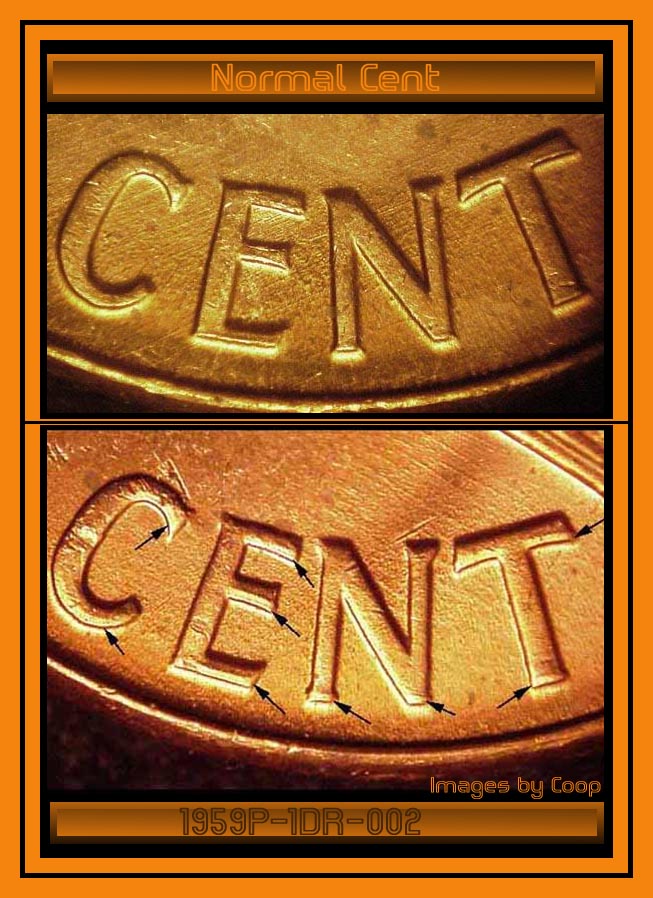 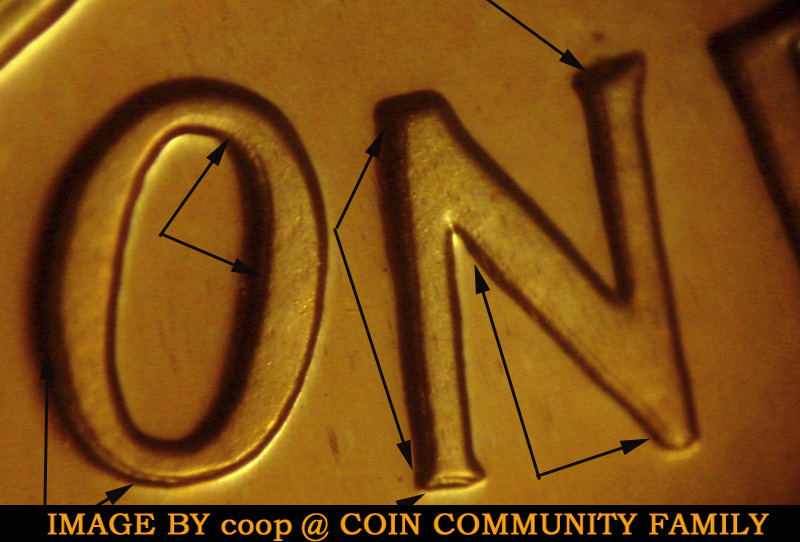  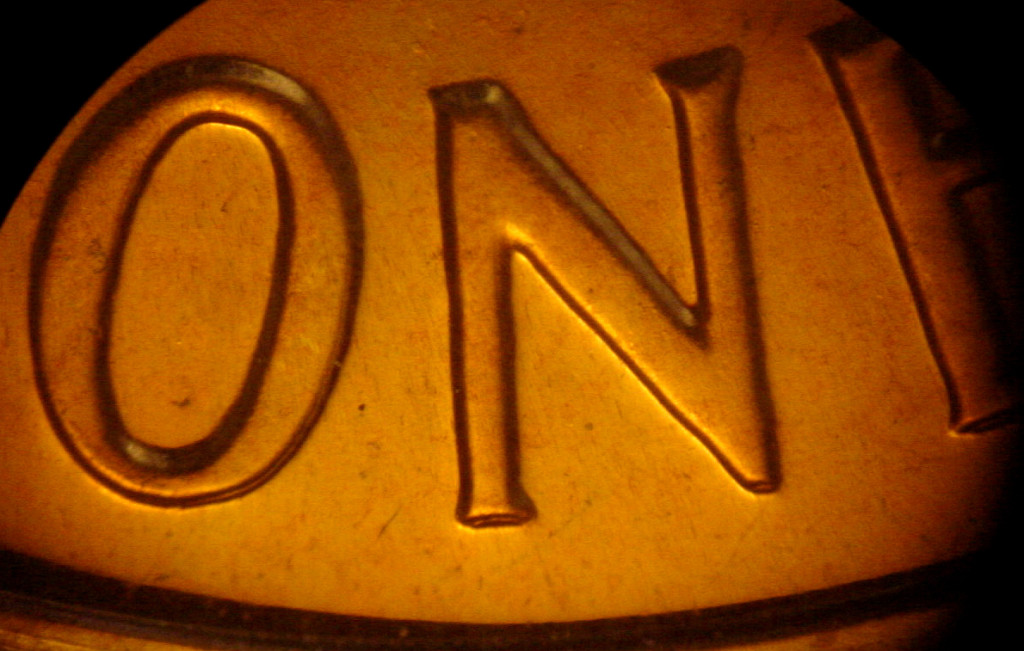  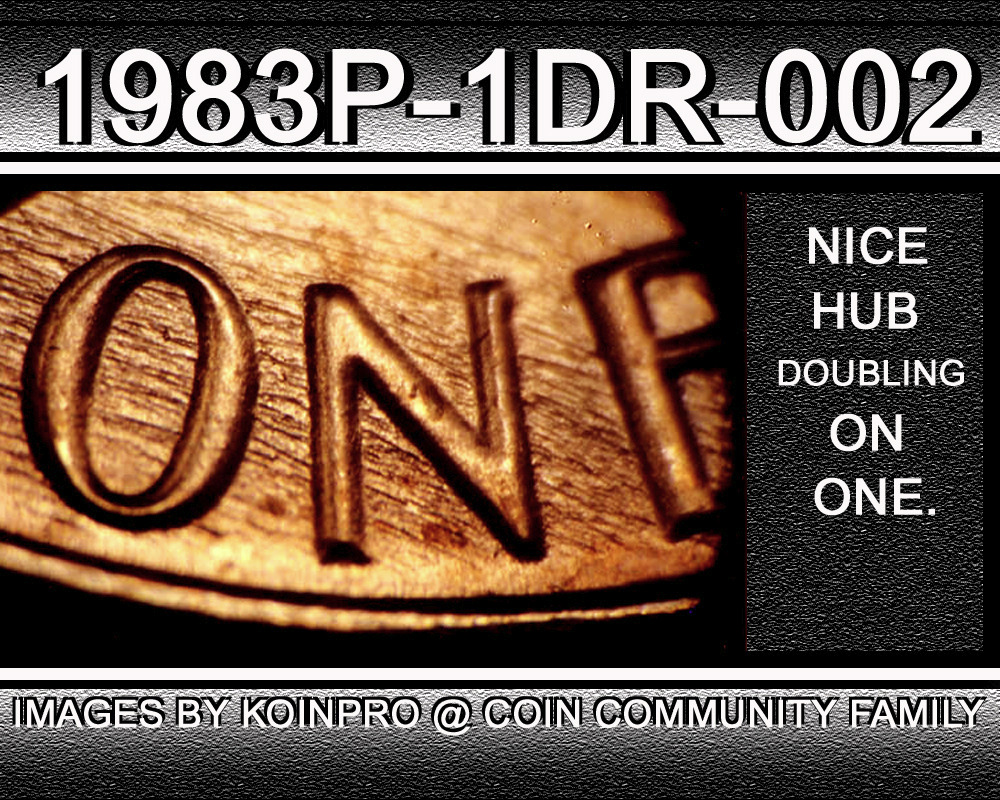 CENT: Varies from extremely minor (probably never to be listed) to very strong examples we love: 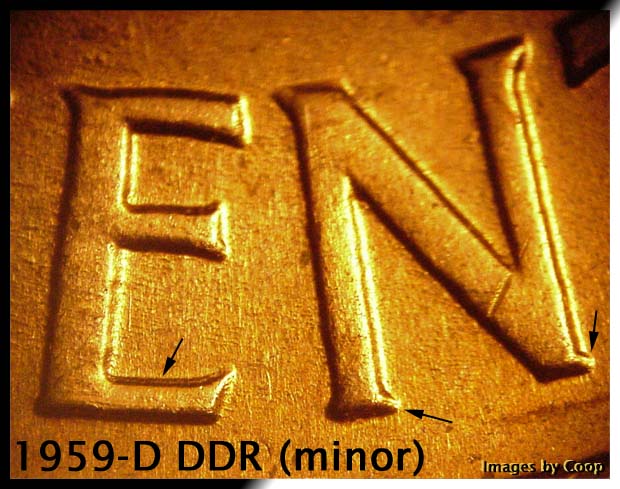 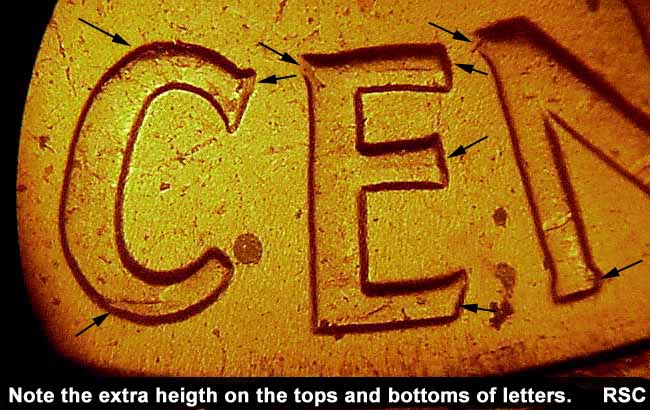 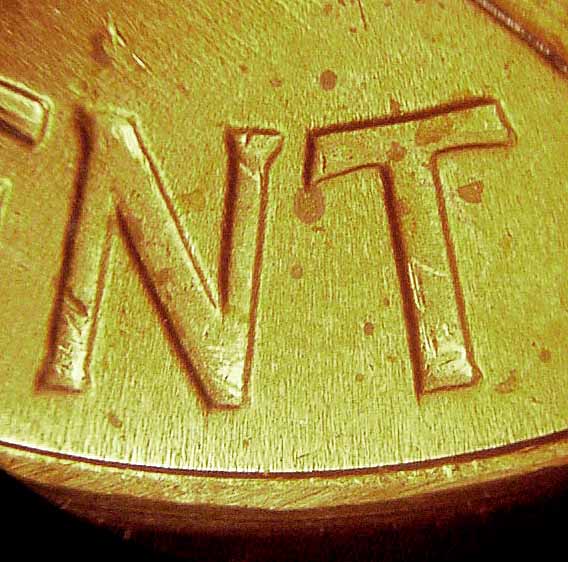 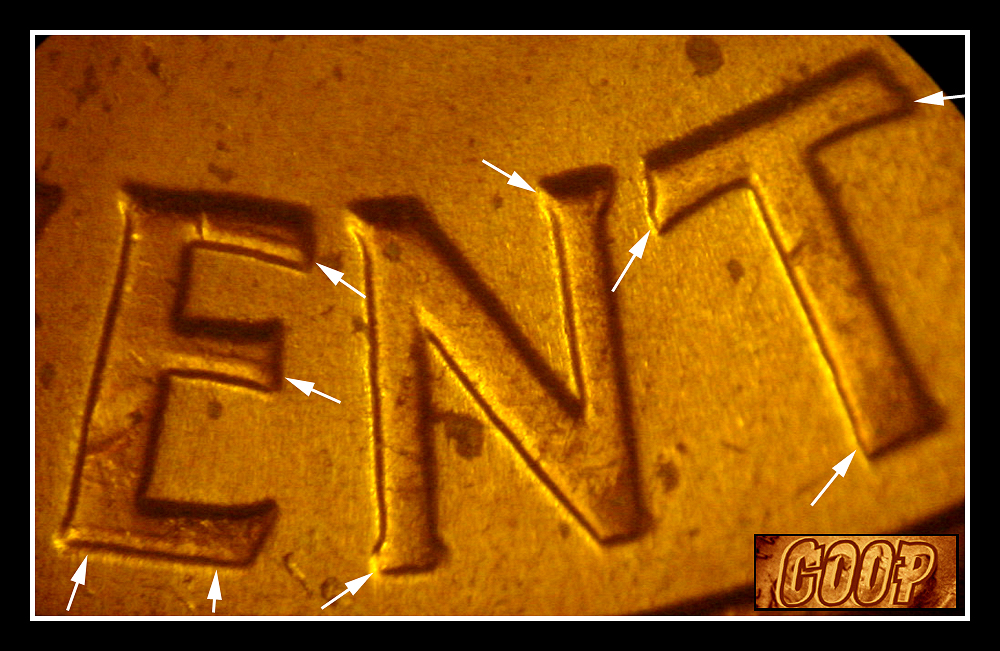 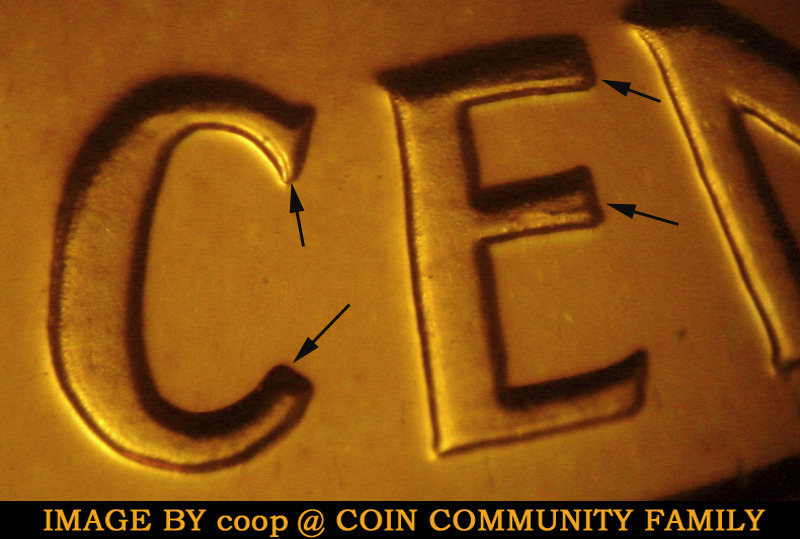 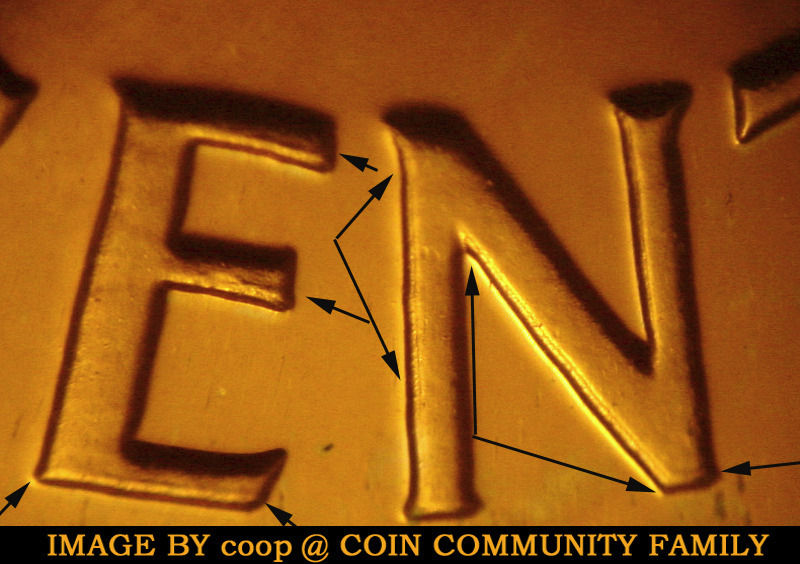 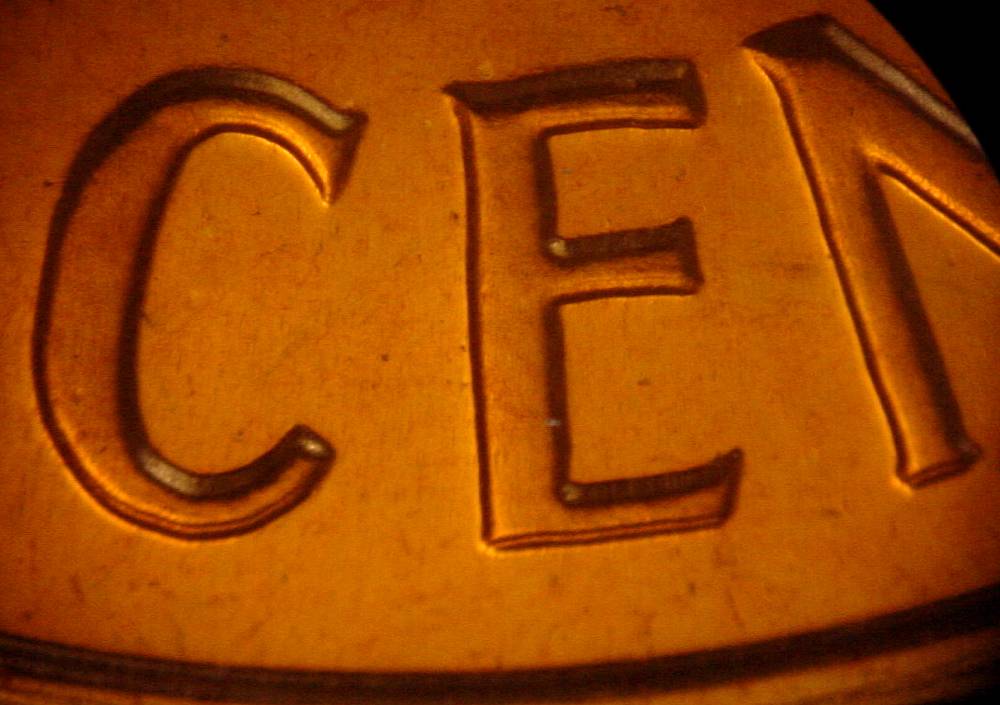   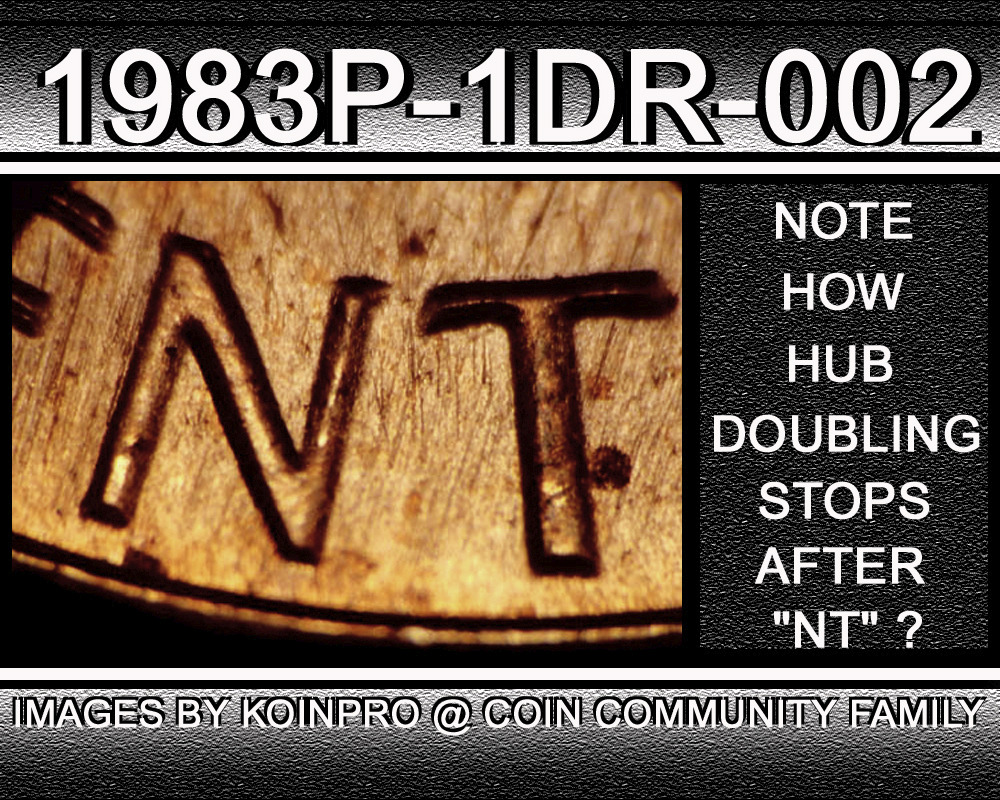 BASELINE: 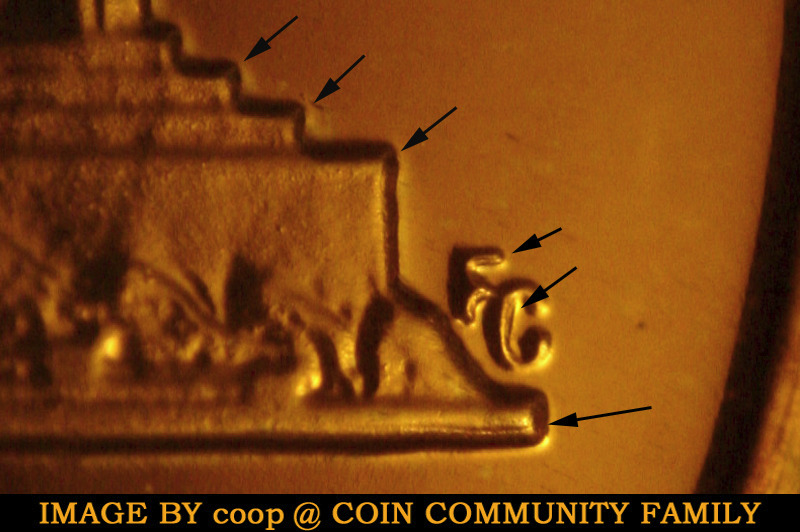 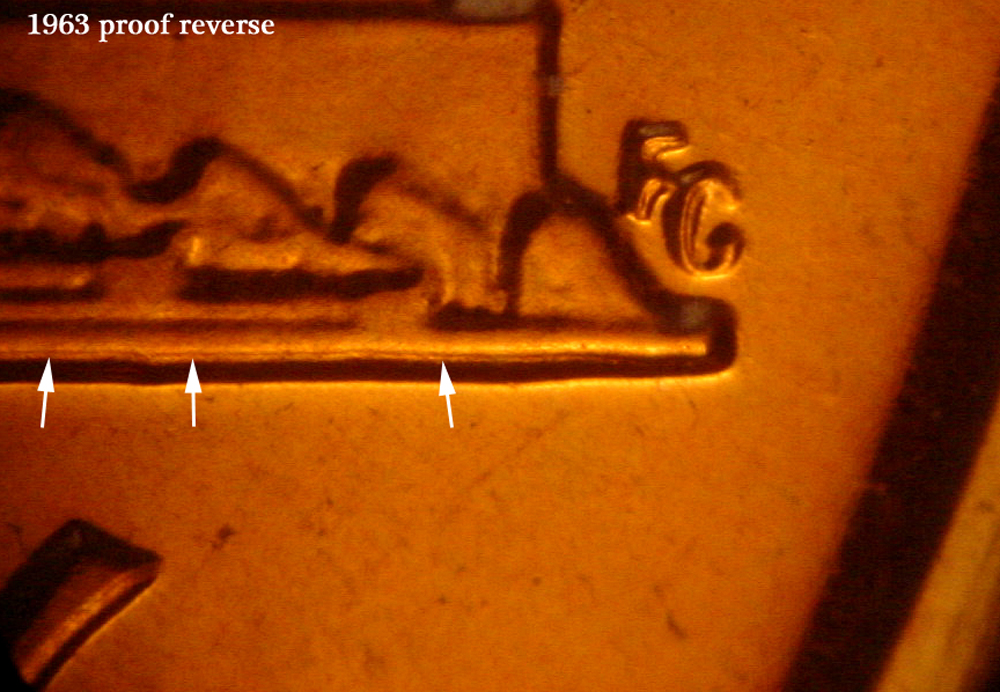 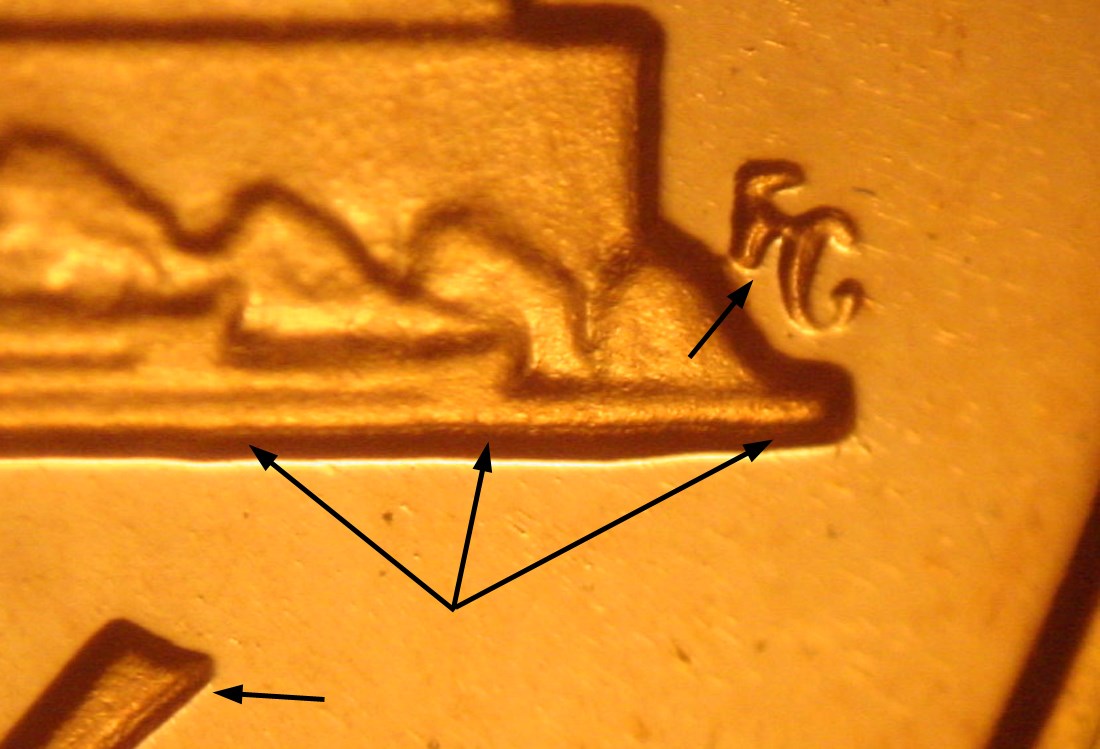 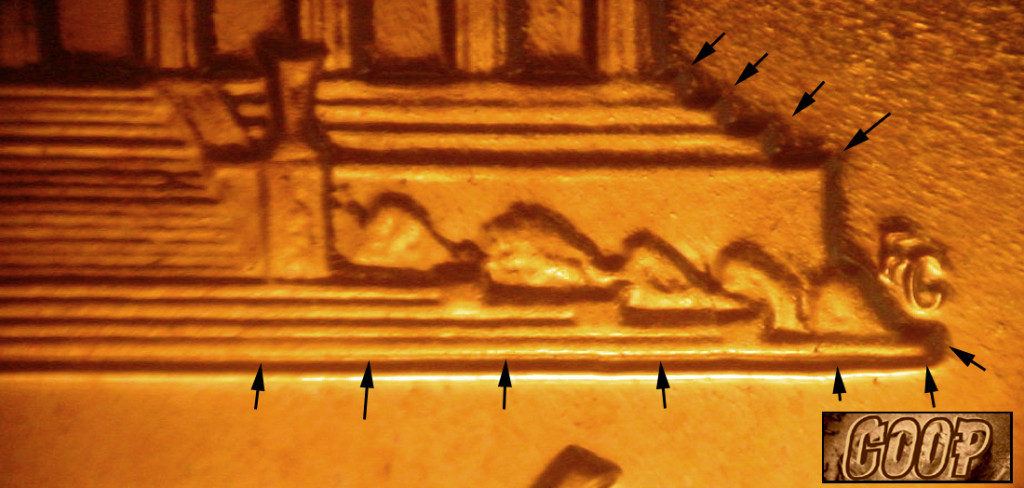 CORNICE DOUBLING: 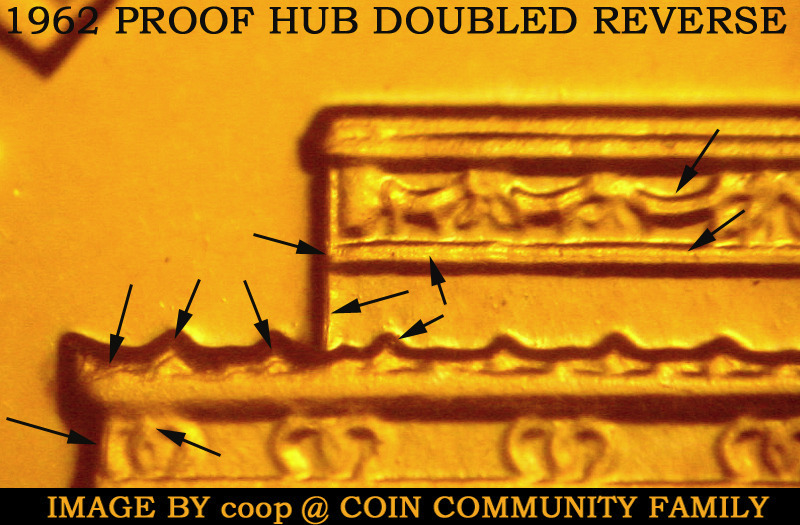 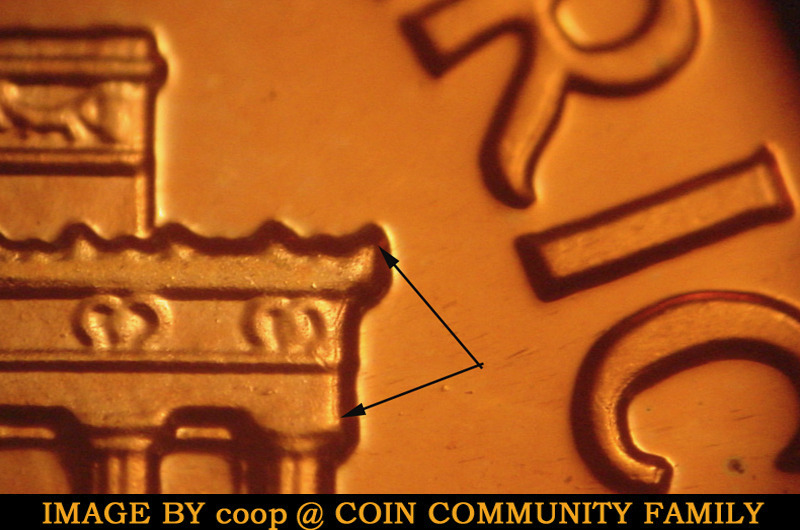 STEPS: 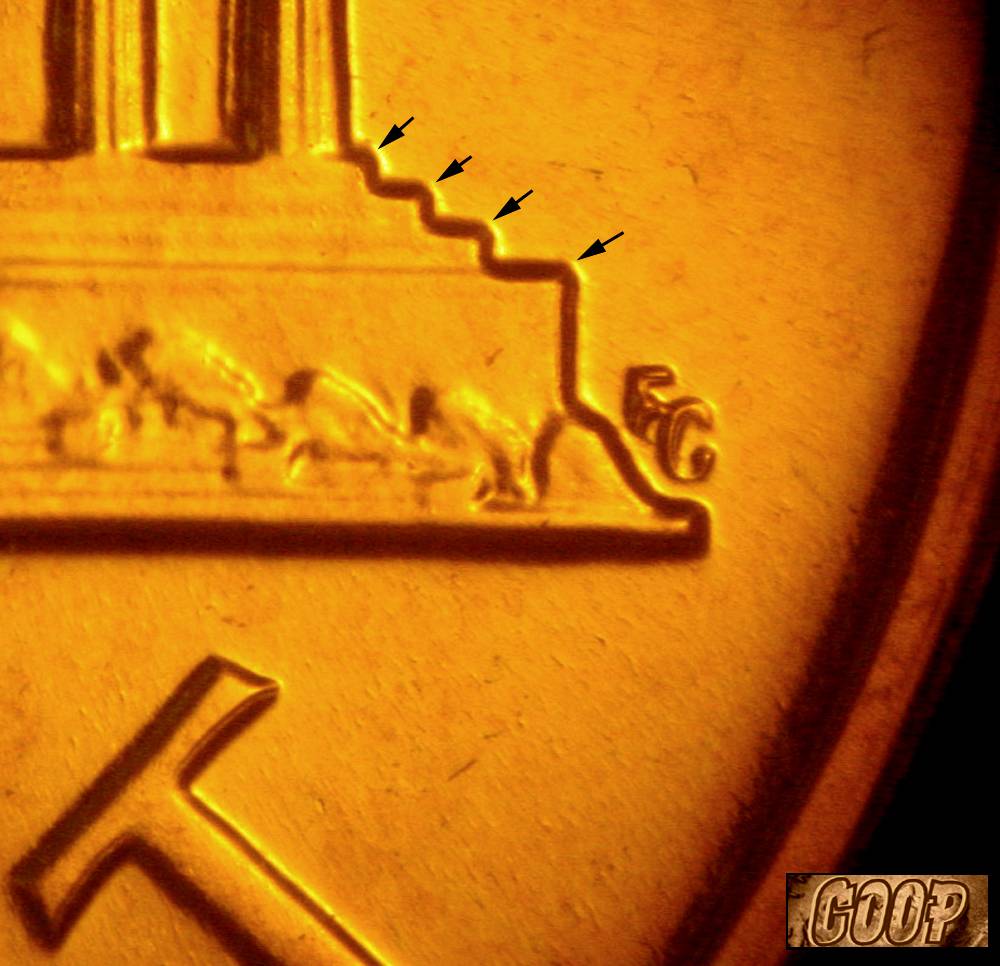 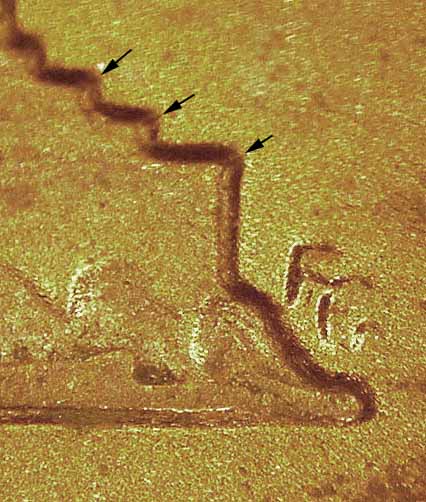  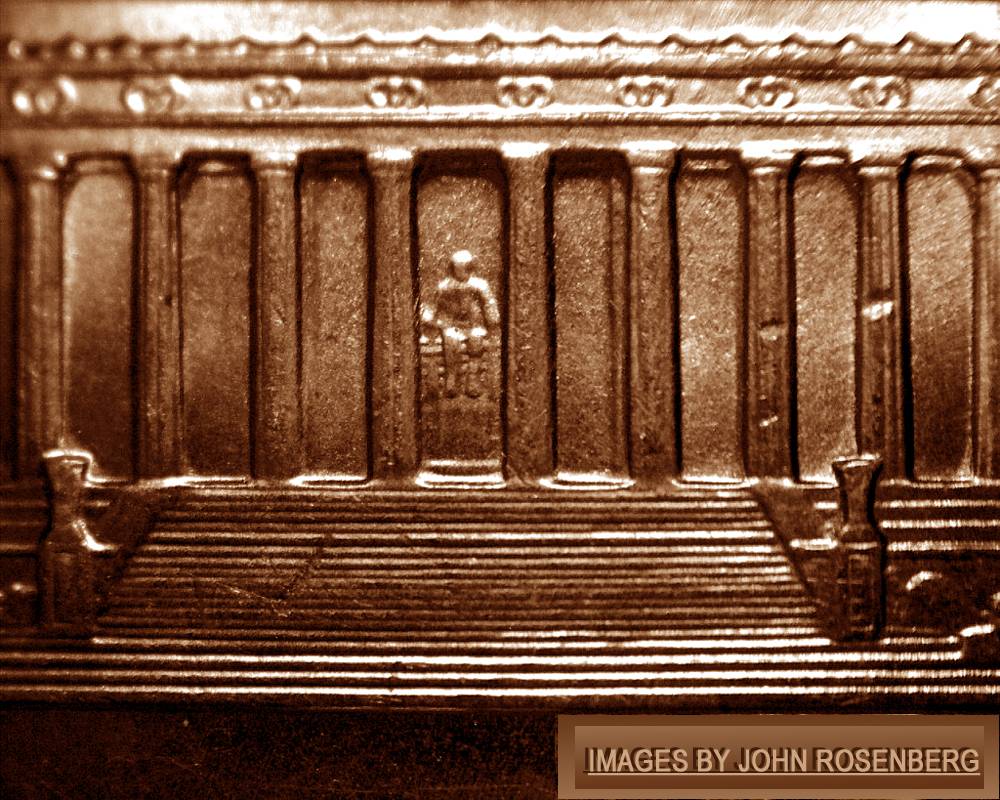 WAVY STEPS: 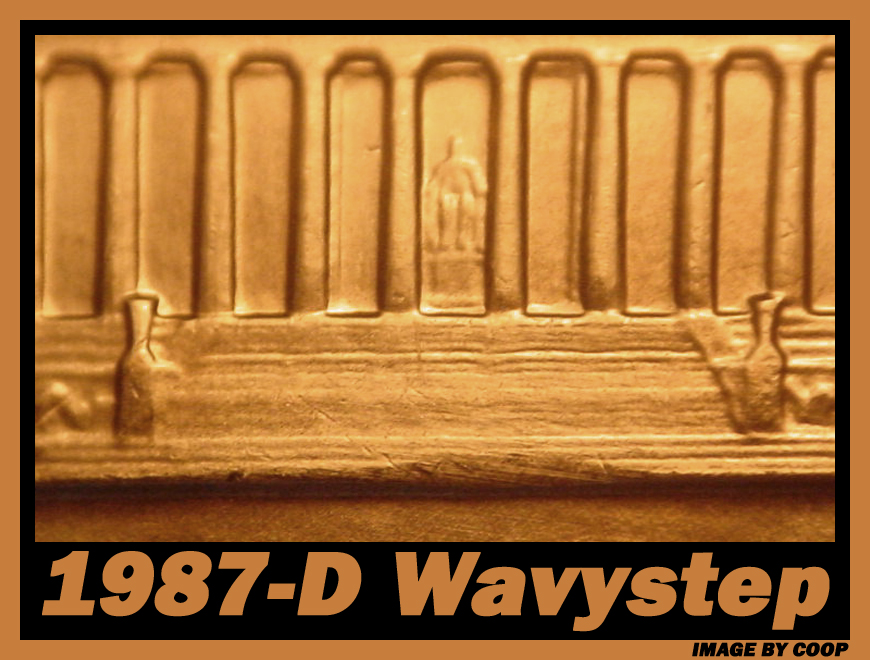 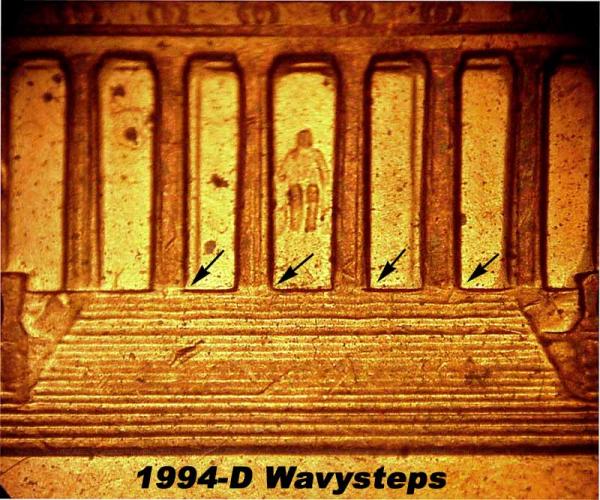 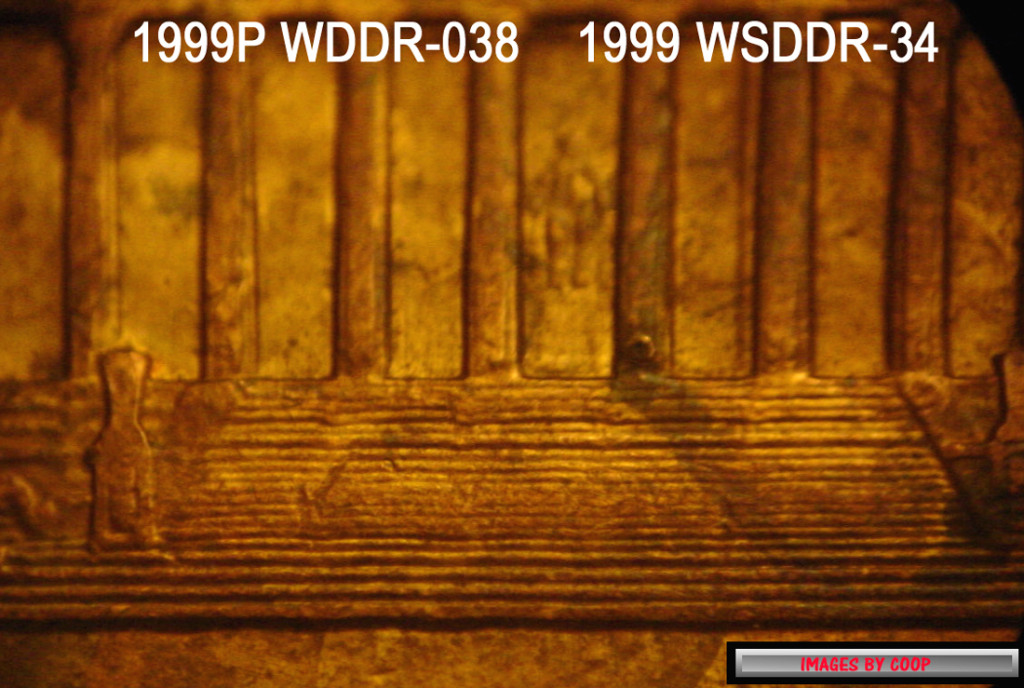 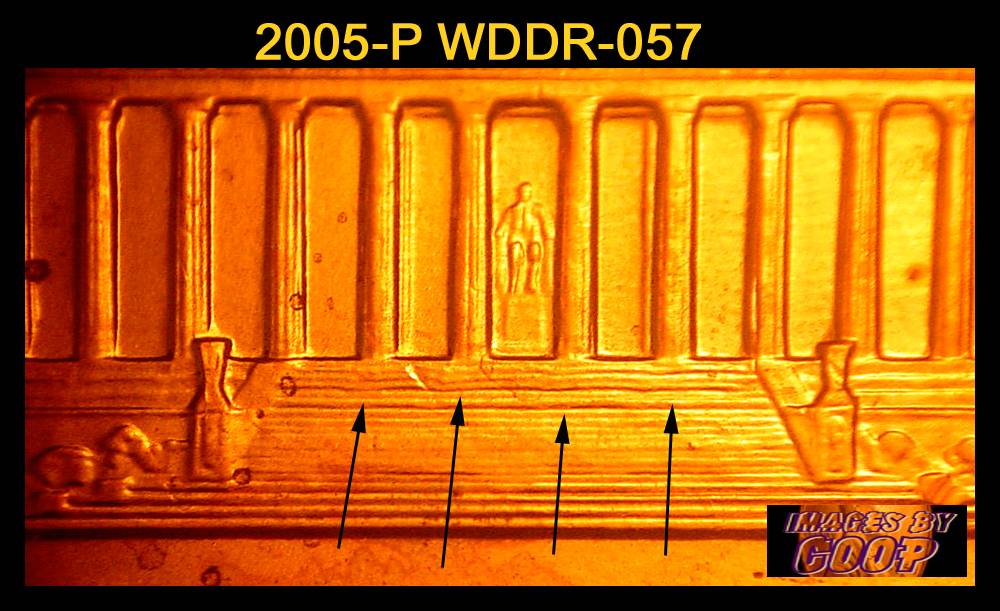 TRAIL DIES: 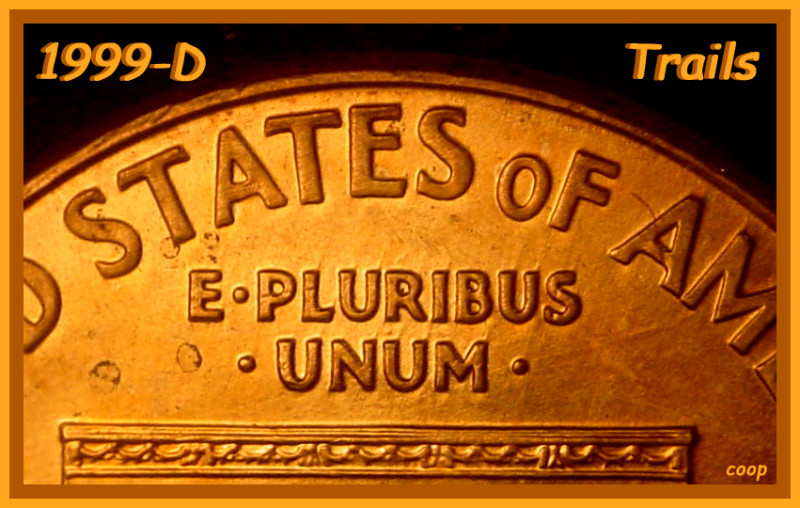 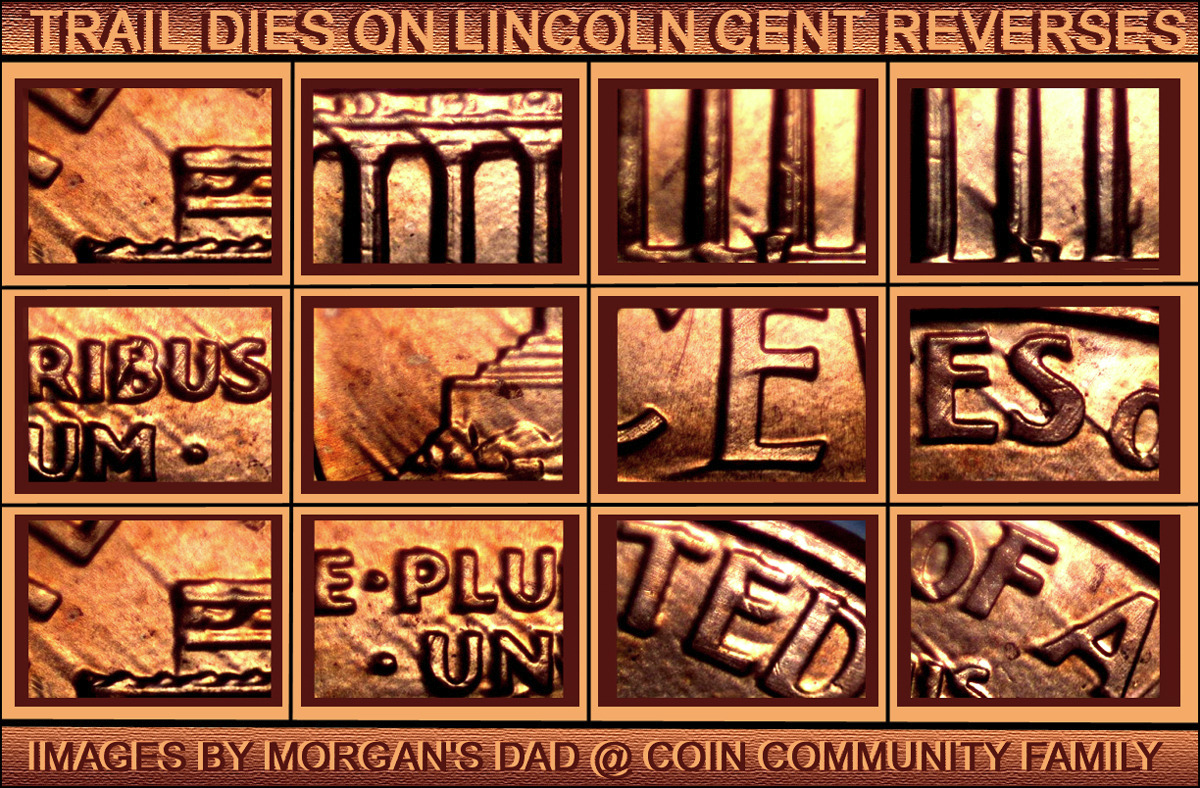 YEAR VARIETY: RDV-005 and 006 for 1988. 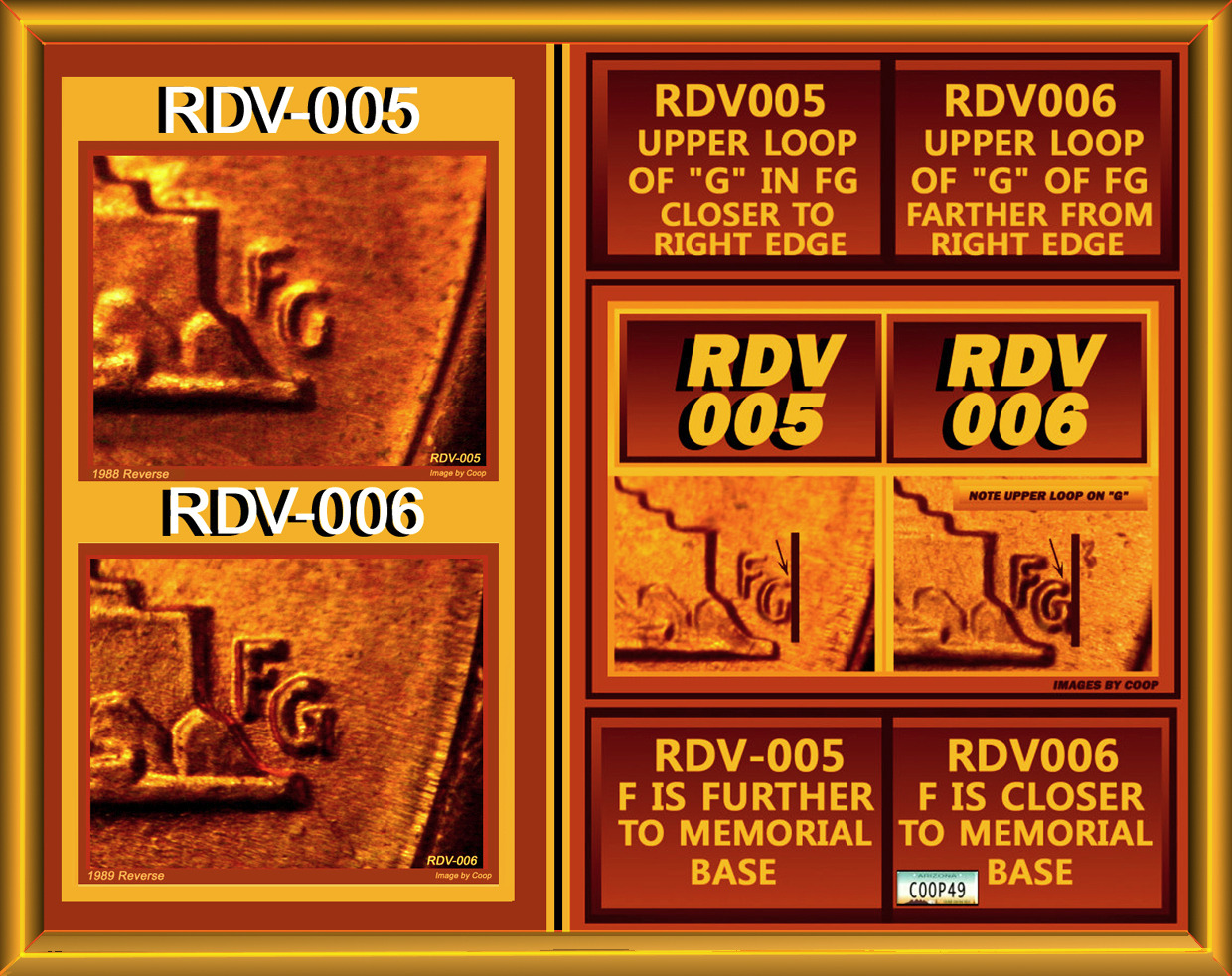 BAR CENTS DDR: 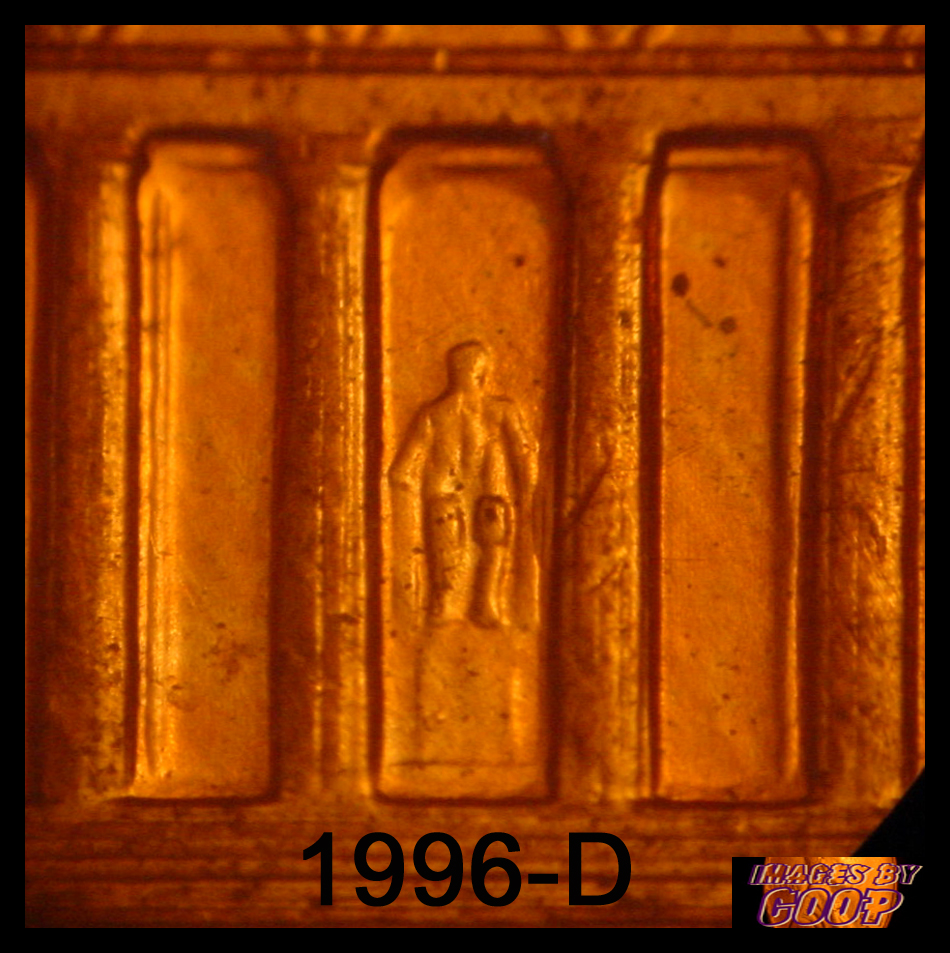 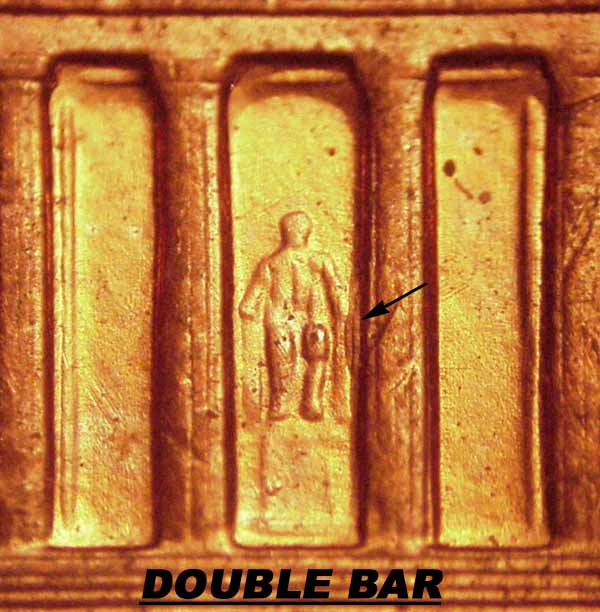 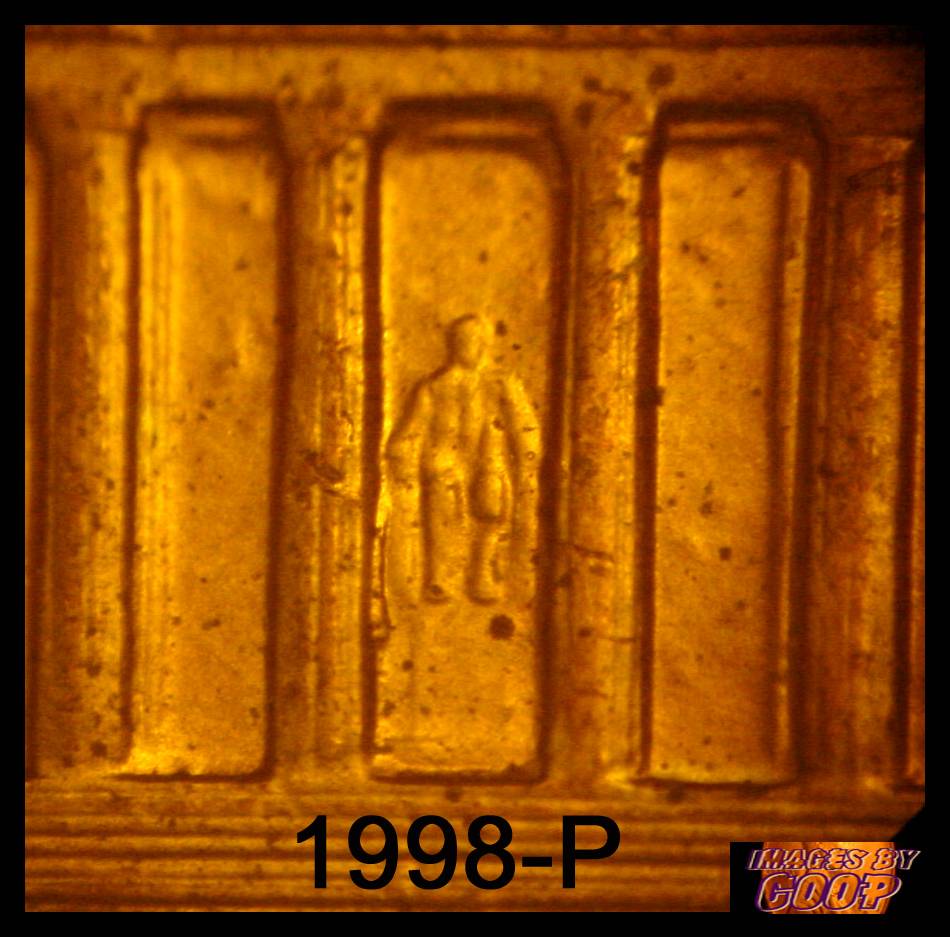 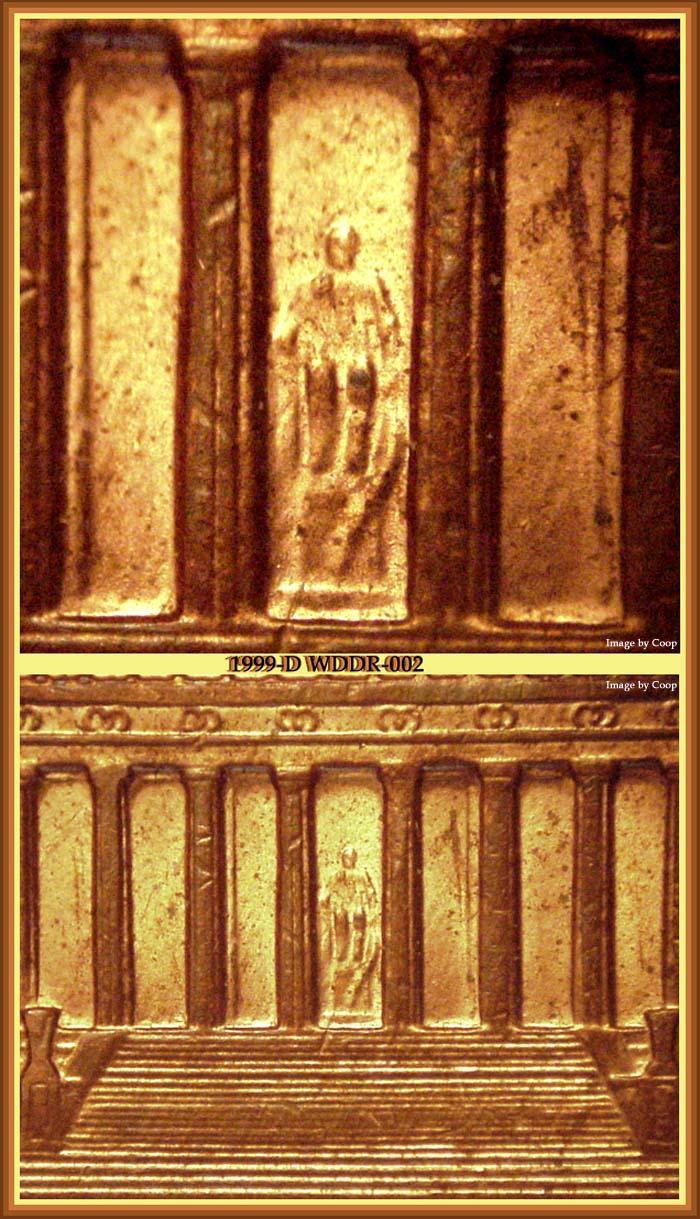 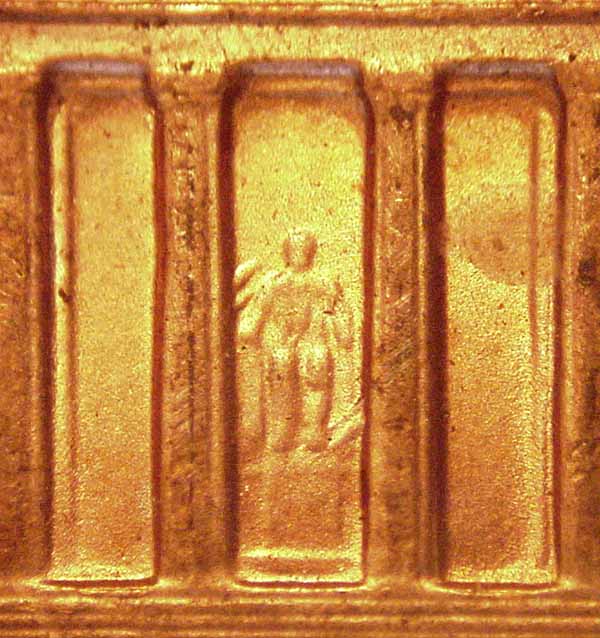 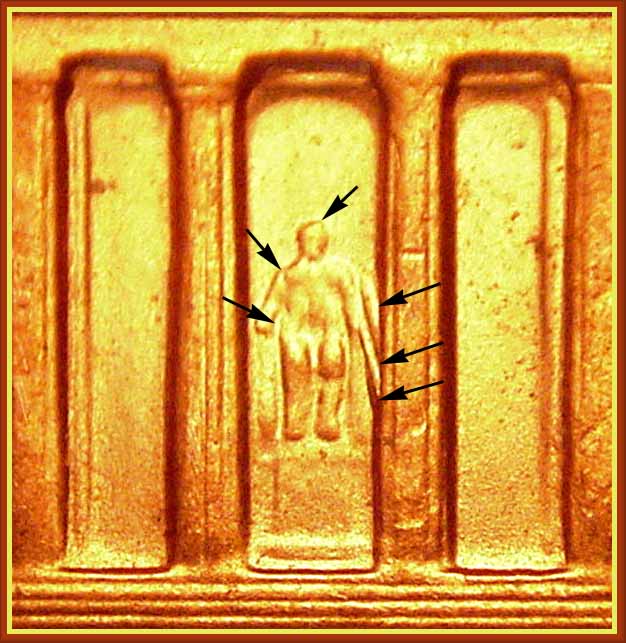 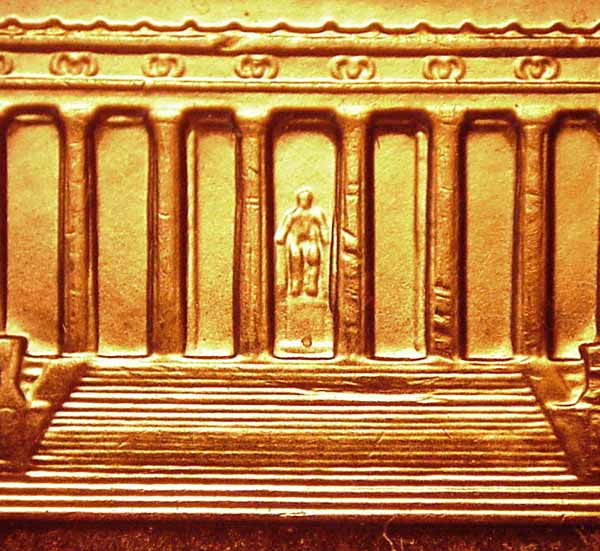 1998-2000 have the Years Varieties of Wide AM and Close AM wrong reverses. 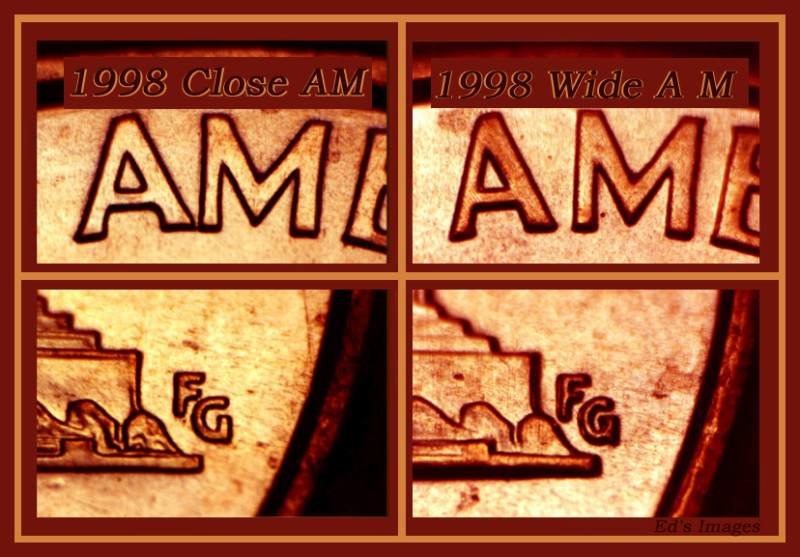 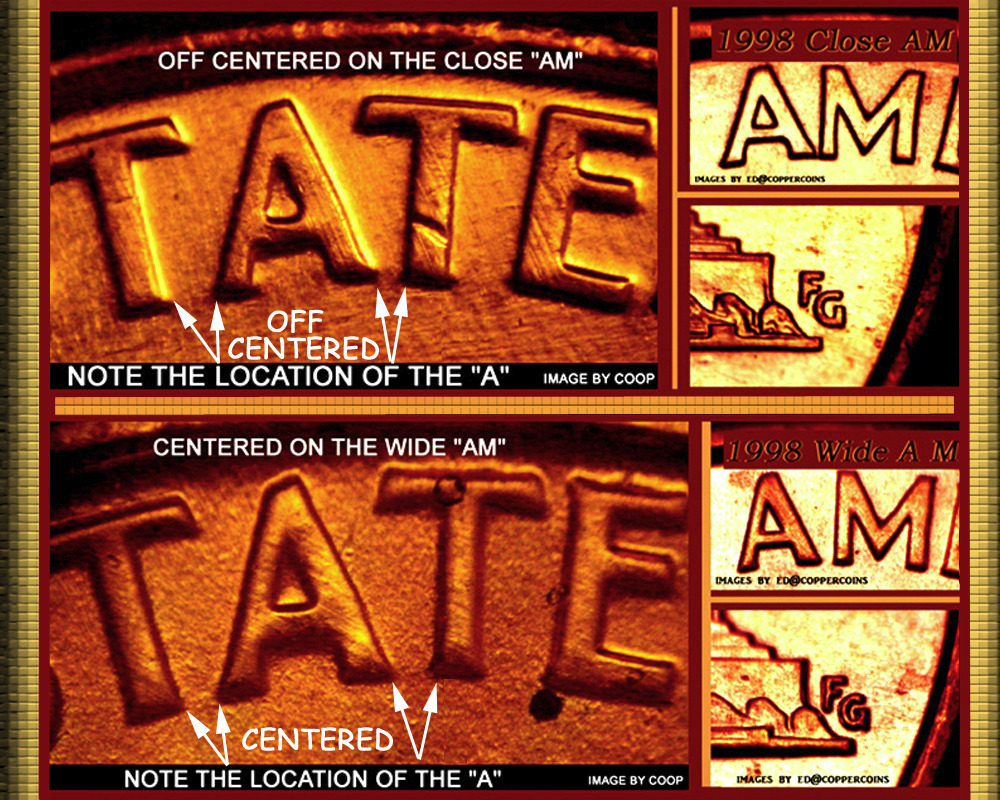 Some proof reverses were also incorrect on the 1998 & 1999 proof cents.  Keep in mind the multi hubbed dies and the single squeeze dies do have doubled dies in different areas. The multi-hubbed dies tend to affect the outside edge devices more. The single squeeze dies tend to affect the center of the die more and rarely affect the outside edge devices. Hope this helps.
|
|
|
|
Pillar of the Community
United States
538 Posts |
|
|
Pillar of the Community
Canada
4227 Posts |
Very educational  |
|
Pillar of the Community
United States
4809 Posts |
Yes. Good tutorial. |
|
Pillar of the Community
United States
2257 Posts |
Another fine post. Thank you Coop.
|
|
Pillar of the Community
Canada
9593 Posts |
Another interesting read, thanks Coop.
|
|
Bedrock of the Community
 United States
62064 Posts |
I have the "trails and wavy steps" mentioned on this thread. But they are not a doubled die, they are a different type of variety. A doubled die is caused by hub device transfer. On these they are a bit different than a transfer. More of a cause of slide movement by the hub altering certain parts during this process of die creation. BJ could explain this better. I put them on this thread as they are collectable dies coins, just not the same as a doubled die. https://en.wikipedia.org/wiki/Wavy_...s_and_trailsEdited by coop
04/02/2016 10:23 pm
|
|
Pillar of the Community
United States
4809 Posts |
As are the WAMs and CAMs; all part of the LMC family. |
|
Bedrock of the Community
United States
62064 Posts |
I added them as well, but they also are not hub doubled examples. They are year varieties. As well as the RDVs. But I wanted to keep the thought going about being collectables.
|
|
Pillar of the Community
United States
3656 Posts |
Hi coop earlier in this post you mentioned about the WAM/CAM variety. You said the the 1998-S should be WAM - How about the 1999-S, should it be a WAM or CAM? "Some proof reverses were also incorrect on the 1998 & 1999 proof cents" Thanks |
|
Bedrock of the Community
United States
62064 Posts |
Both should be Wide AM, but a few were hubbed with the Close AM for both years. 1998-S and 1999-S. The 1999-S is more known, but the 98-S are the sleepers. (not many know of this yet) |
|
Pillar of the Community
United States
3656 Posts |
Thanks coop and thanks for sharing the great tip on the proof CAMs.
|
|
Bedrock of the Community
United States
62064 Posts |
Coop thread RSC
Added this to make searching easier.
|
|
Valued Member
United States
173 Posts |
Hello everyone, Joined the forum today and just looking for some advice on coin variety errors. I took a picture of this 1975 D penny because I felt like it showed a lot of errors, but I could be wrong, maybe the coin is just damaged, right? The green lines represent what I believe to be double dies and the red line what I believe it was a weak struck. Any advice is greatly appreciated. Thanks in advance 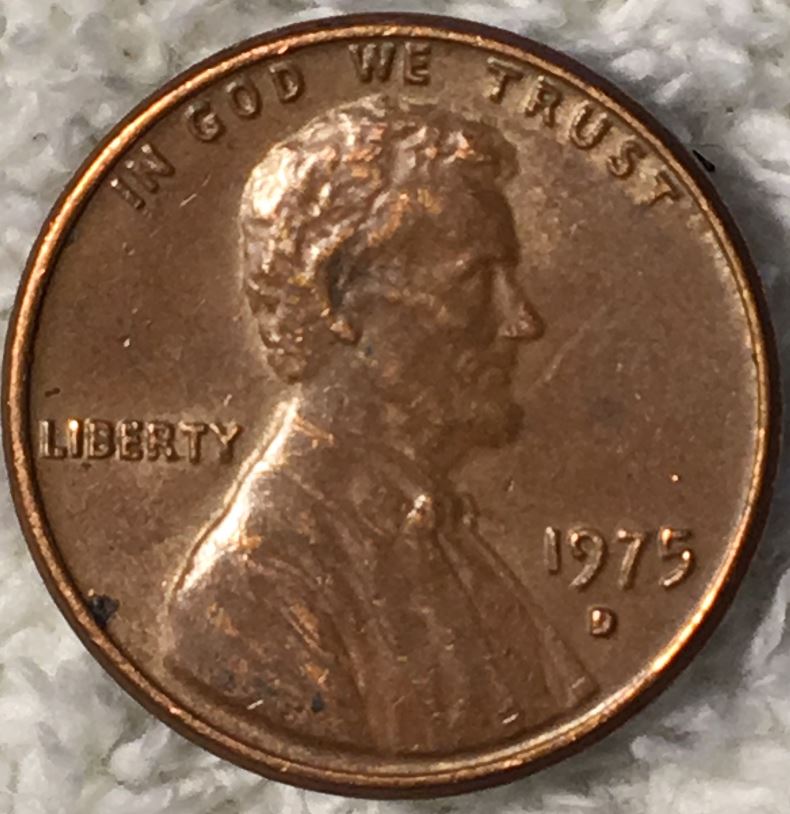 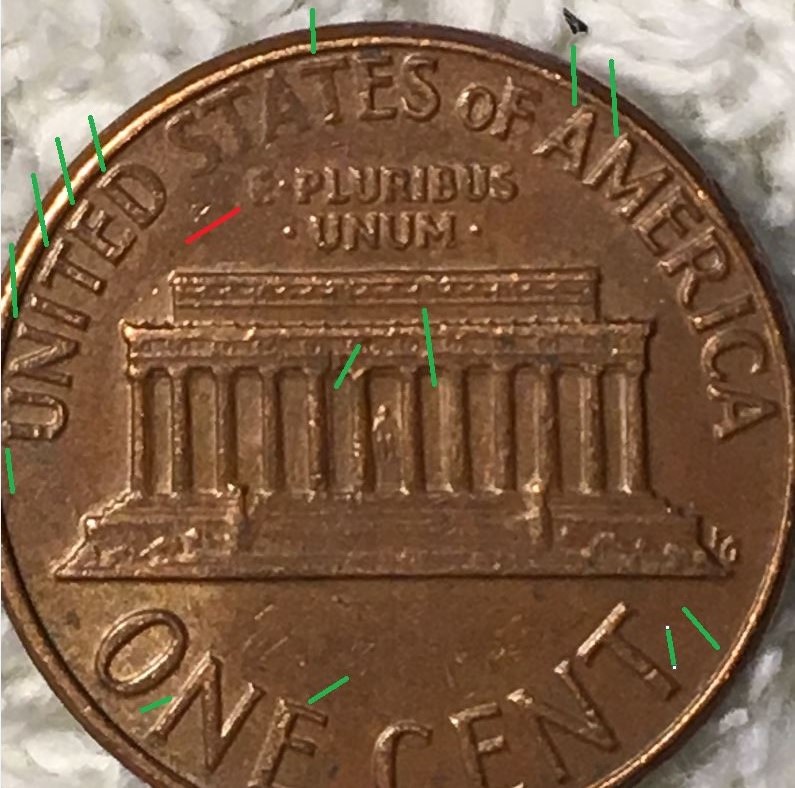 |
|
Bedrock of the Community
United States
62064 Posts |
 Looks like contact marks on the outside devices from circulation. The extra columns bay 5 & 7 are part of the design of the Memorial reverses. 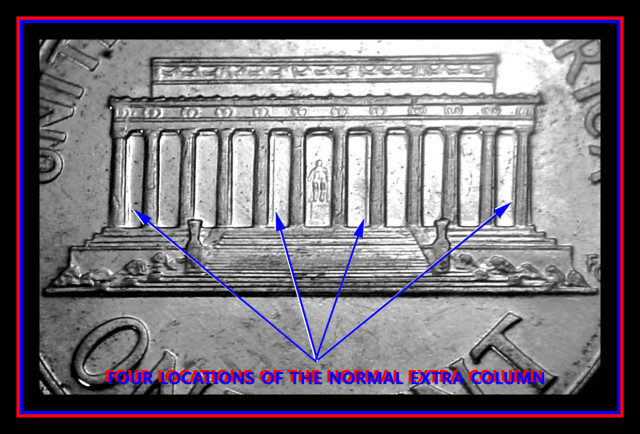 When the dies are polished, this area can be affected by removing parts or all of the extra columns that make the image look 3-D. |
|
Valued Member
United States
173 Posts |
Thank you Mr Coop! I appreciate your assistance and the quick reply. The information contained here is extremely useful, which got me to do more research and came across this website. http://doubleddie.com/1801.htmlIn there I found out about other forms of doubling under "Worthless Doubling", that are considered worthless, and I think it can easily lead someone to think that they have a valuable case of DDO or DDR in their hands, when in fact, it is not. Please see some examples below. Could you please provide more information to help differentiate genuine errors against mechanical, deteriorating dies and abrasion? I can't differentiate most of the pictures shown in the website, especially the mechanical ones. 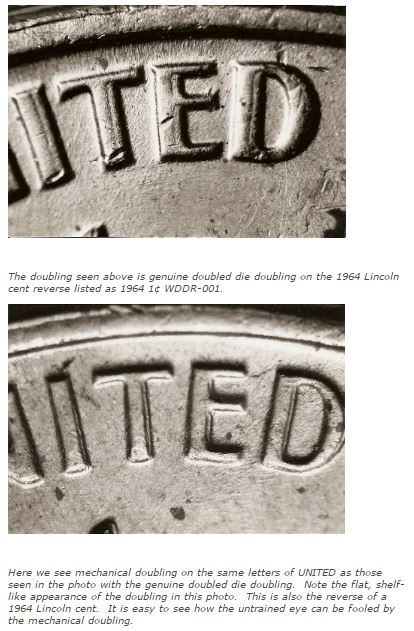 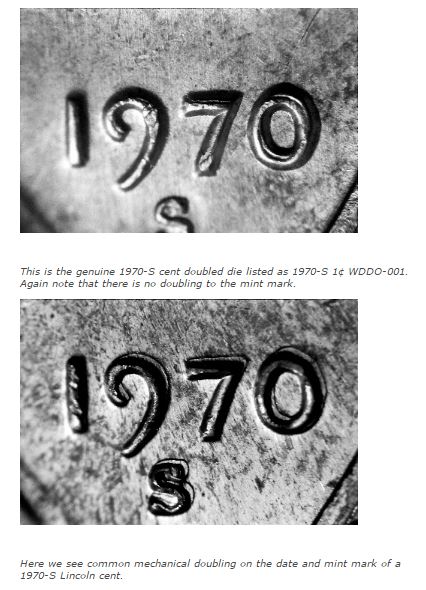 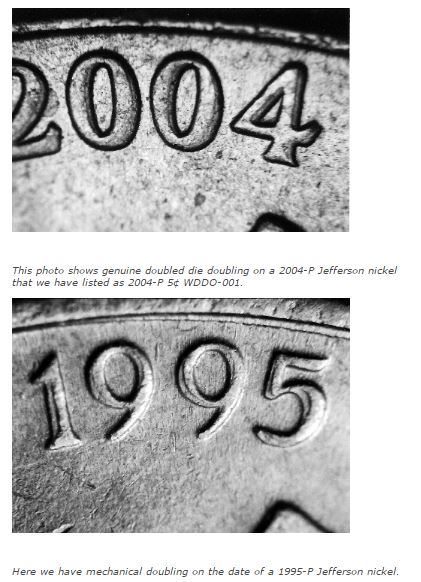 |
| |
Replies: 22 / Views: 7,413 |







 Posted 04/02/2016 11:29 am





