

 Posted 05/20/2016 11:54 pm


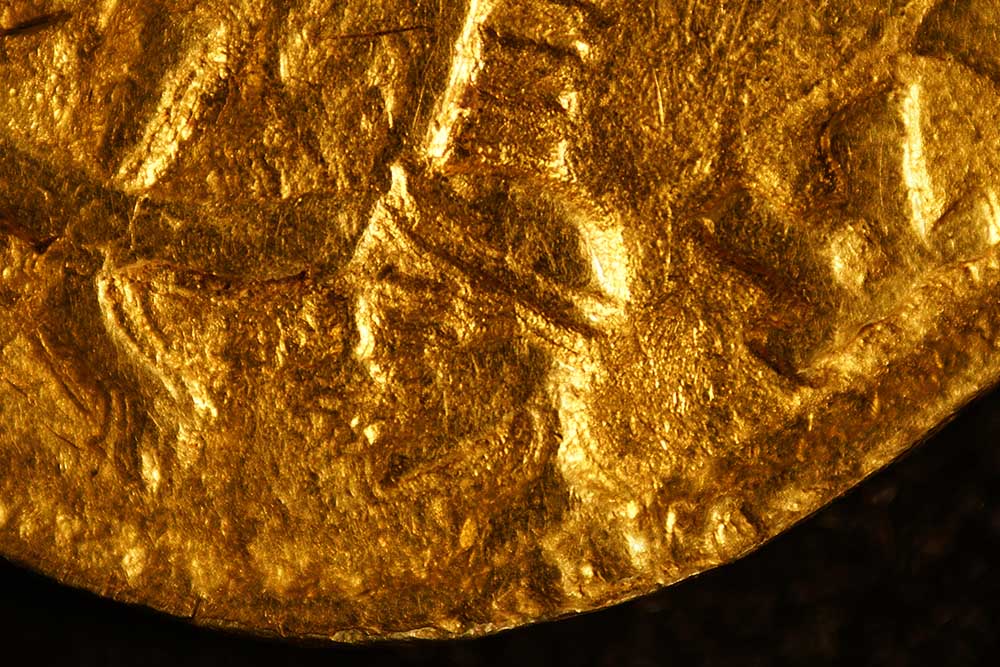
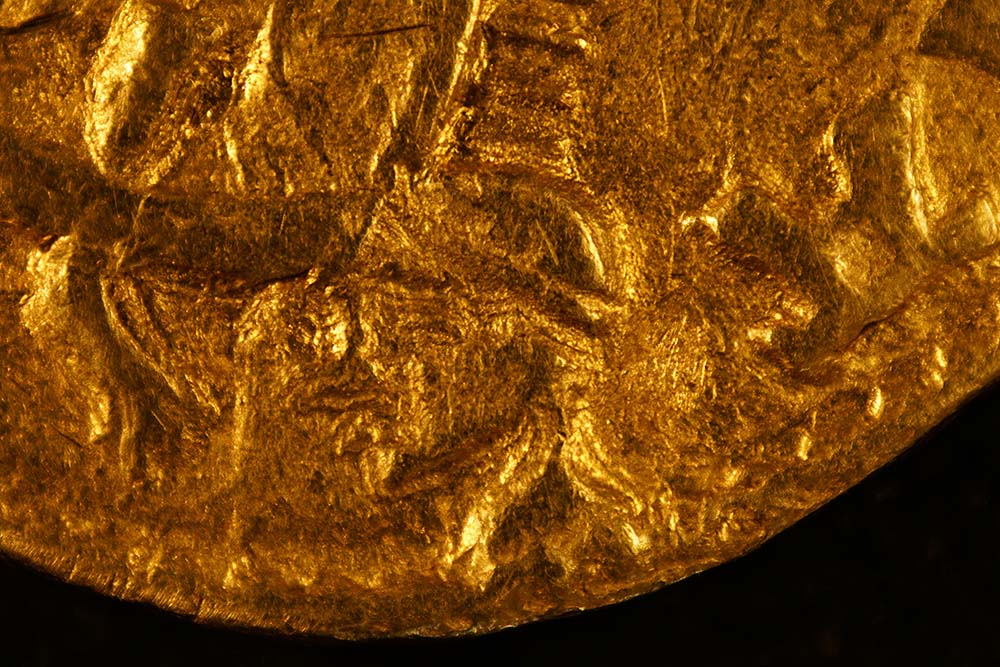
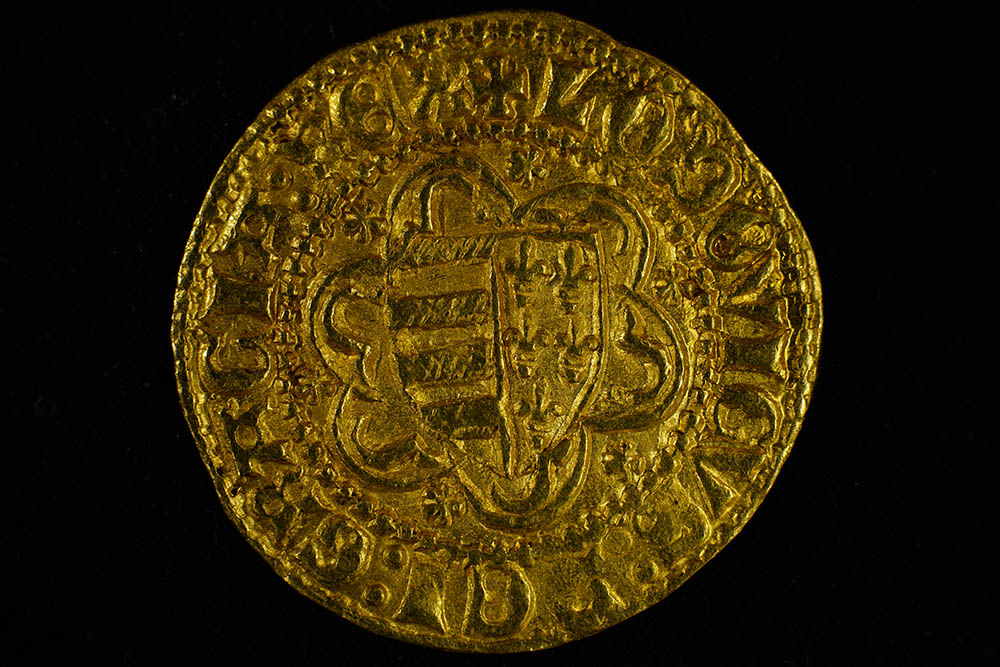
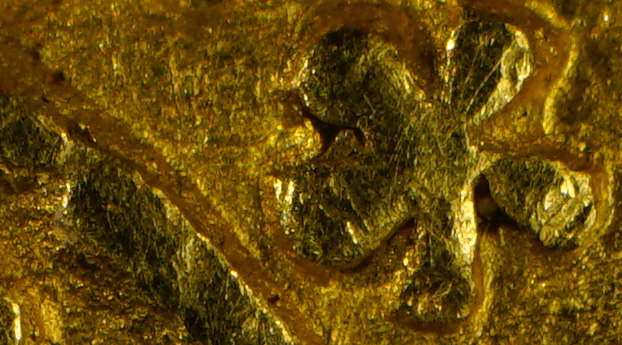
All lenses are compromises. At 50mm on the full frame camera this lens is challenging as far as lighting goes( have a look at the left side of the coin, its darker). However there are some advantages that can be leveraged. One being resolution, which can be better than longer lenses due to simpler optics.
the advantage I was looking for is, when reversed it can give you almost up to 5 times magnification. For reversing shorter focus lengths( 50mm and under) are better.
This lens is not an enlarger lens. Many machine vision lenses are just repackaged enlarger lenses, not this particular one. It is a new generation designed specifically for the purpose.
It is designed to be fast so that it can be used in a line scan set up.
As I understand it a line scan camera has a sensor that consists of 1-3 lines of pixels( so a long very narrow sensor). In a factory environment this makes lighting the object much easier.
As the object being imaged passes, often at high speed, the picture is formed by scanning the object line by line and in the camera the image lines are "stitched" ( not a very accurate description of the process) together.
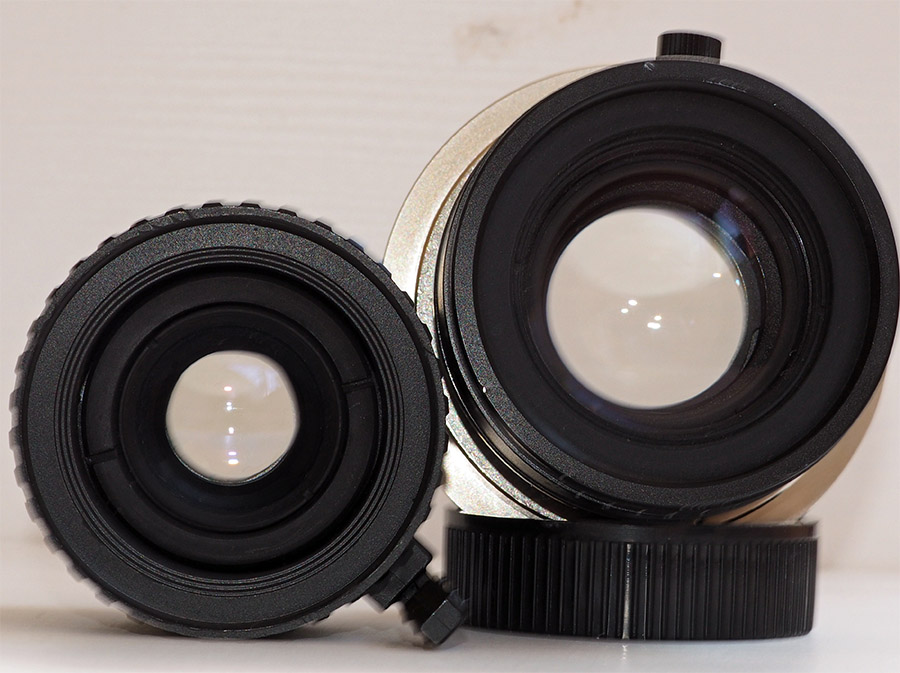
So this lens has been optimized to perform macro work in a assembly line environment. It is built like a tank( but is not overly heavy), and the diameter of the glass in it is much greater than that in an enlarger lens or normal 50mm macro lens(hence the F2.2)
The aperture ring is click-less and very smooth to operate. It has finger screw for locking the aperture in place. The idea being you find the ideal aperture for the particular set up and then tighten the screw and forget about it. Like many enlarger lenses it is flat field. Line scan machine vision is very demanding and needs a flat field with as near to zero distortion as possible. I should add here it is ideal for mounting on a bellows or extension rings.
Most modern dedicated machine vision lenses are not usable in coin photography. This is because they are designed for very small sensors. This lens is one of a small range that has been designed for a full frame sensor which makes it a workable option for coins.
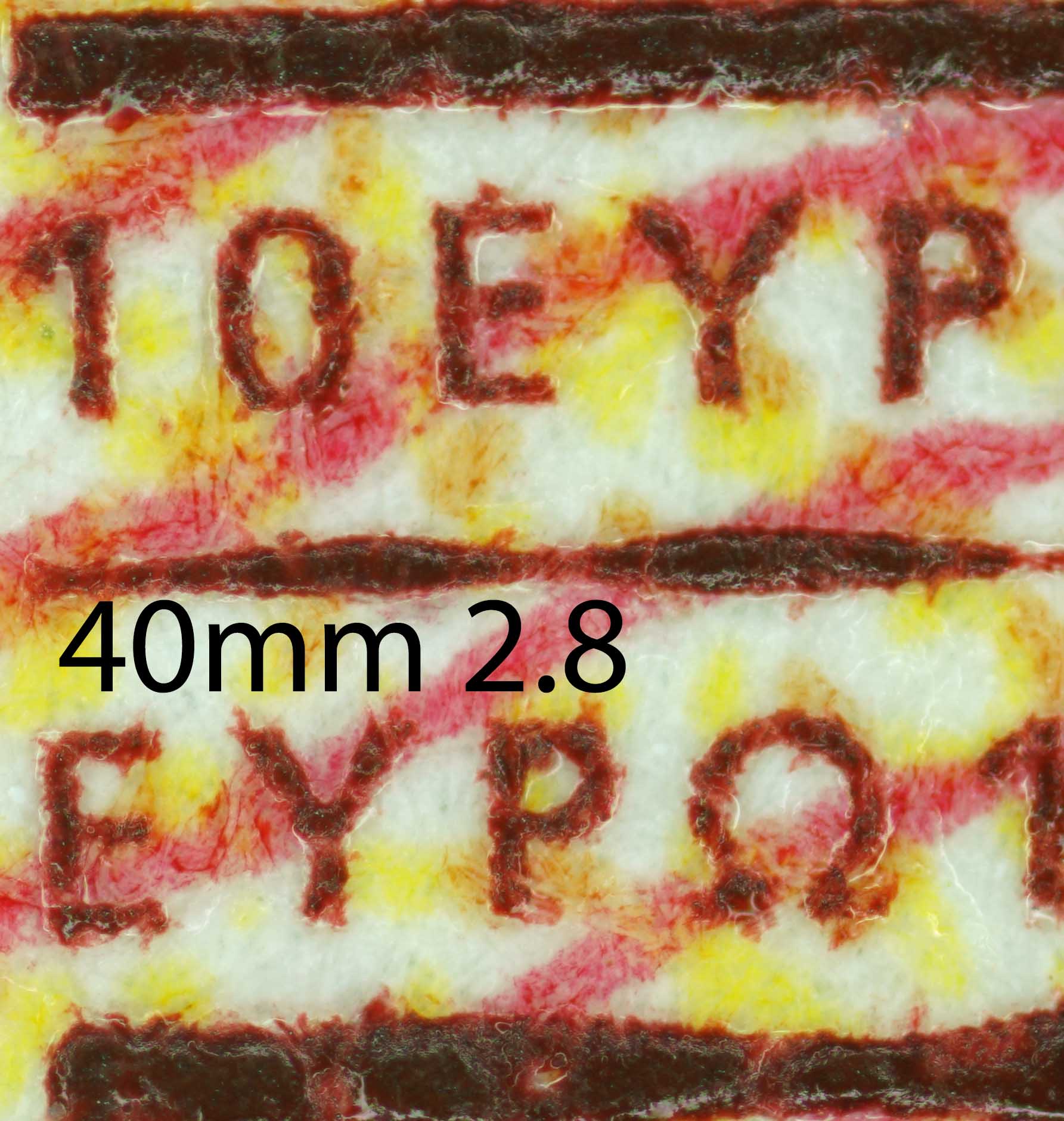
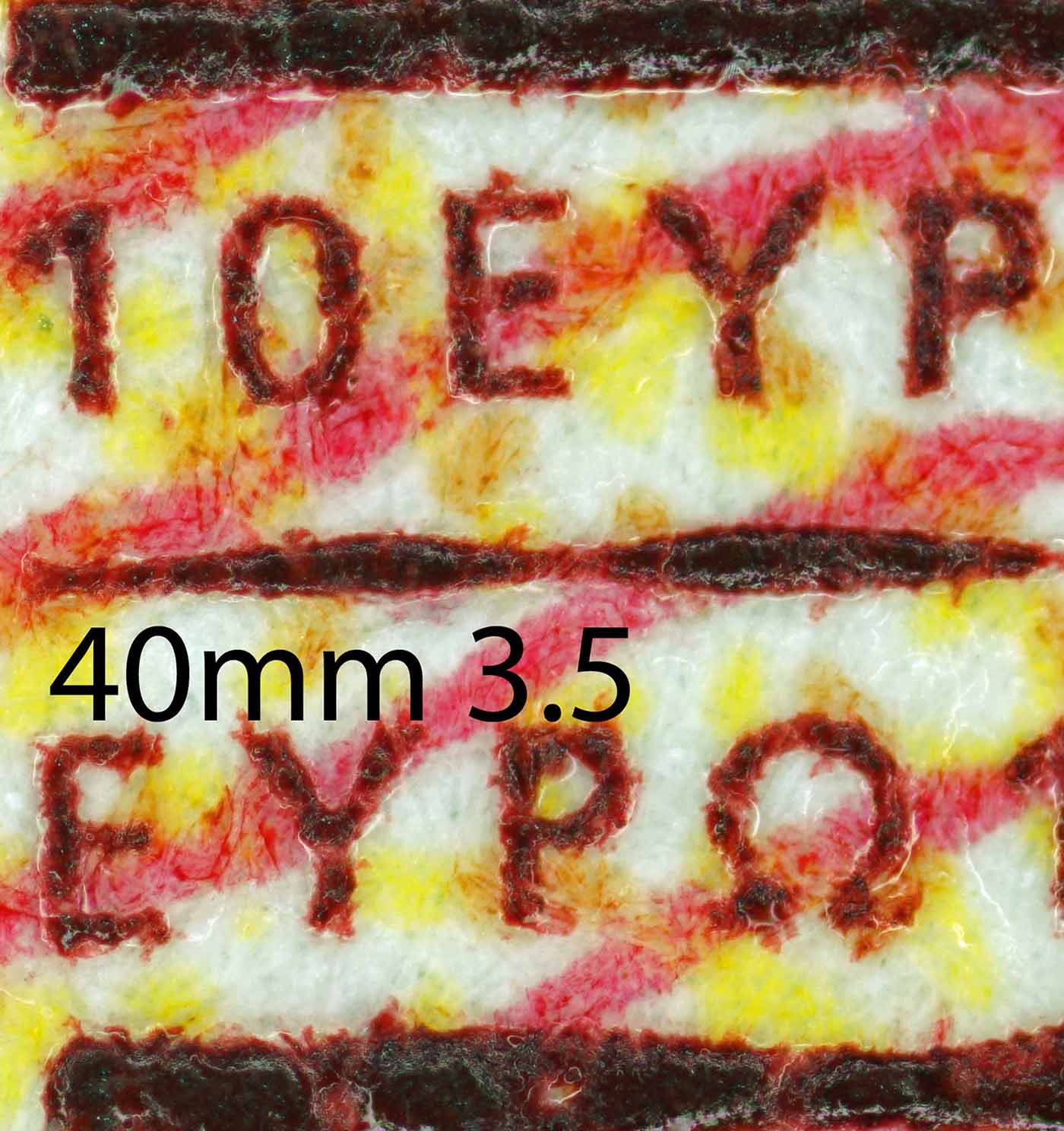
Noting the above; some machine vision lenses, particularly the converted APO enlarger lenses from Schneider Kreuznach, are ideal for Micro four thirds cameras. They are optimized for very low magnifications. Those low magnifications (0.02-0.4X is typical) with an APSc or full frame camera would not be usable for coins. When used on a micro four thirds camera they can be brilliant. I have an APO 40mm F2.8 that has almost the same working distance as an 80mm (on a full frame camera) when mounted on my micro four thirds camera. The difference is the image size that is projected on to the sensor.
Over the last few months I have realized many requirements for a good macro lens have been handed down from film camera days. For example most people say a 100mm 1-1 lens is best, and that's correct for a full frame camera. On an APSc camera the 80mm range seems to be perfectly adequate. On Micro four thirds I have found 40mm-50mm (using magnifications less than half sized) work very well and produce pictures comparable( not equivalent) to a 100mm 1-1 lens on a full frame camera
the advantage I was looking for is, when reversed it can give you almost up to 5 times magnification. For reversing shorter focus lengths( 50mm and under) are better.
This lens is not an enlarger lens. Many machine vision lenses are just repackaged enlarger lenses, not this particular one. It is a new generation designed specifically for the purpose.
It is designed to be fast so that it can be used in a line scan set up.
As I understand it a line scan camera has a sensor that consists of 1-3 lines of pixels( so a long very narrow sensor). In a factory environment this makes lighting the object much easier.
As the object being imaged passes, often at high speed, the picture is formed by scanning the object line by line and in the camera the image lines are "stitched" ( not a very accurate description of the process) together.
So this lens has been optimized to perform macro work in a assembly line environment. It is built like a tank( but is not overly heavy), and the diameter of the glass in it is much greater than that in an enlarger lens or normal 50mm macro lens(hence the F2.2)
The aperture ring is click-less and very smooth to operate. It has finger screw for locking the aperture in place. The idea being you find the ideal aperture for the particular set up and then tighten the screw and forget about it. Like many enlarger lenses it is flat field. Line scan machine vision is very demanding and needs a flat field with as near to zero distortion as possible. I should add here it is ideal for mounting on a bellows or extension rings.
Most modern dedicated machine vision lenses are not usable in coin photography. This is because they are designed for very small sensors. This lens is one of a small range that has been designed for a full frame sensor which makes it a workable option for coins.
Noting the above; some machine vision lenses, particularly the converted APO enlarger lenses from Schneider Kreuznach, are ideal for Micro four thirds cameras. They are optimized for very low magnifications. Those low magnifications (0.02-0.4X is typical) with an APSc or full frame camera would not be usable for coins. When used on a micro four thirds camera they can be brilliant. I have an APO 40mm F2.8 that has almost the same working distance as an 80mm (on a full frame camera) when mounted on my micro four thirds camera. The difference is the image size that is projected on to the sensor.
Over the last few months I have realized many requirements for a good macro lens have been handed down from film camera days. For example most people say a 100mm 1-1 lens is best, and that's correct for a full frame camera. On an APSc camera the 80mm range seems to be perfectly adequate. On Micro four thirds I have found 40mm-50mm (using magnifications less than half sized) work very well and produce pictures comparable( not equivalent) to a 100mm 1-1 lens on a full frame camera
Edited by austrokiwi
05/21/2016 01:02 am
05/21/2016 01:02 am