| Author |
 Replies: 17 / Views: 3,747 Replies: 17 / Views: 3,747 |
|
Valued Member
Italy
81 Posts |
Ciao everybody, what do you think of the reverse of this 1830 Capped Bust dime? I've never seen something like that happening on the surface of a coin. Ok that in these early types it was quite common to use rusted dies, but for the reverse of this dime it looks like they used an almost destroyed die. I've read somewhere that similar damage to the dies could happen not just in case of unpolished rust but also in case of mistake in tempering the iron, when oxygen for accident gets inside the oven and produces problems on the surface of the metal. but here the problem was quite big! Do you know other coins similar to this? 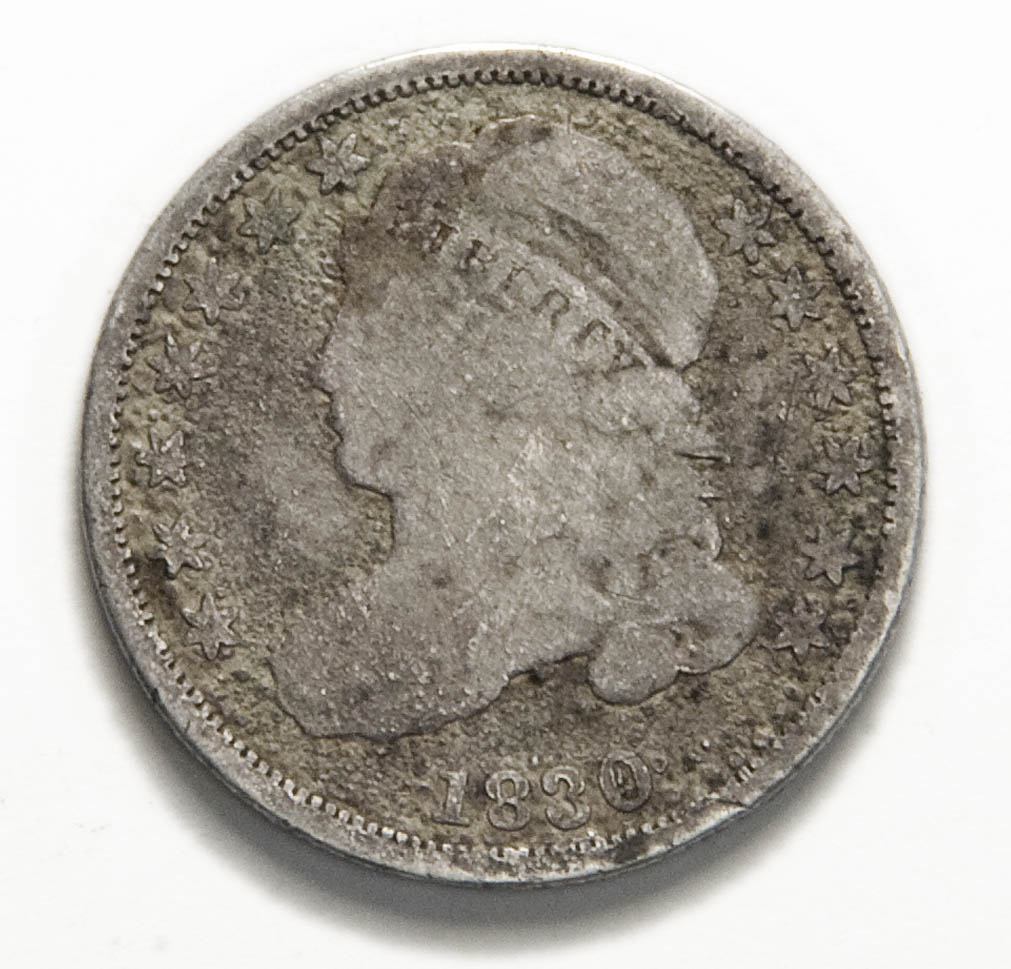 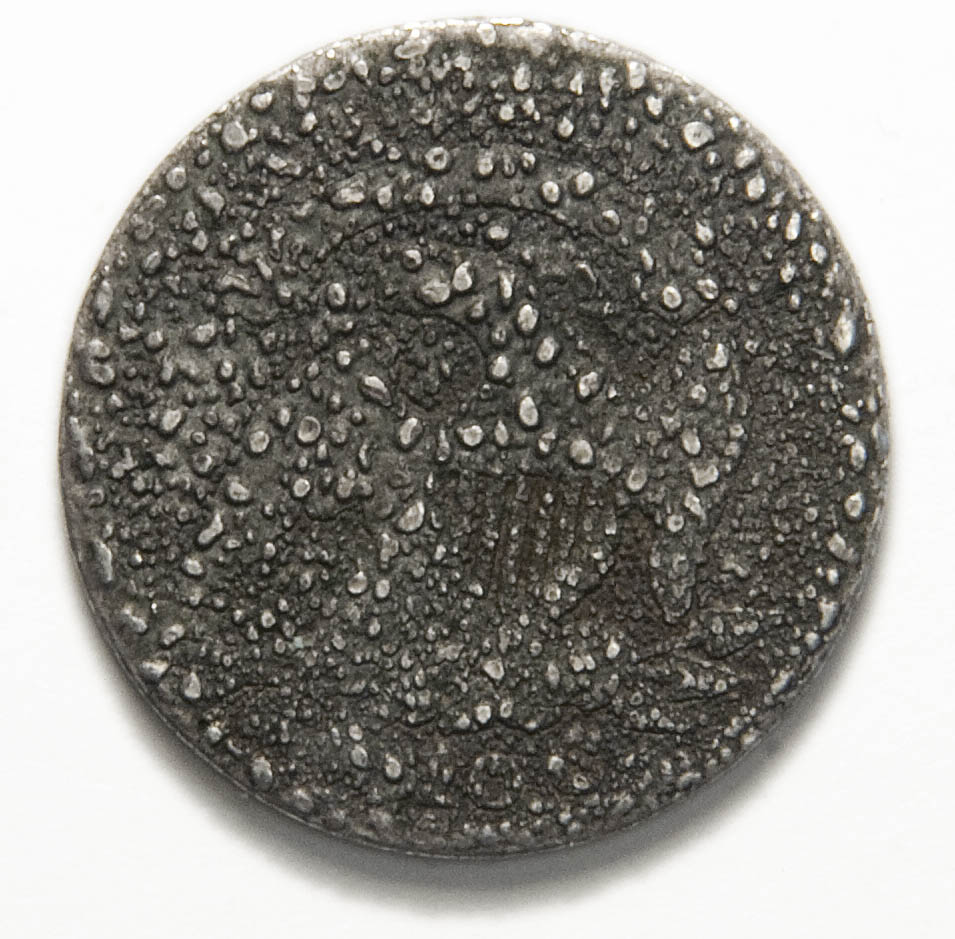 *** Moved by Staff to a more appropriate forum. *** *** Moved by Staff to a more appropriate forum. *** |
|
|
|
Pillar of the Community
United States
3516 Posts |
Coll find. This should be on the classic error and variety forum though.
|
|
Valued Member
 Italy
81 Posts |
Sorry, I've posted it in the wrong category, how can I move it to the classic error and variety section?
|
|
Pillar of the Community
United States
3516 Posts |
One of the staff members will do it for you. But if you have any modern coins you have questions about that might be errors or varieties, this is the place. Don't be afraid to ask even if you think the question is stupid. There are many people here who love to help.
|
|
Pillar of the Community
United States
5196 Posts |
that's not an error it's environmental damaged.
|
|
Pillar of the Community
 United States
5828 Posts |
 environmental damage, not rusted dies. Sorry! |
|
Bedrock of the Community
Australia
21792 Posts |
Unfortunately, I have to agree.
The worn surfaces are also rough.
|
|
Pillar of the Community
United States
4212 Posts |
When I've restored buffs & the dish ran dry, that's the EXACT surface that has appeared.
|
|
Pillar of the Community
United States
3363 Posts |
Quote:
When I've restored buffs & the dish ran dry I am curious: I have no idea what this means?  |
|
Pillar of the Community
United States
4212 Posts |
Ha! Pertaining to buffalo nics. When the vinegar drys up, it will leave a deposit pattern. I forgot about them, after a few days.
|
|
Valued Member
Italy
81 Posts |
If it is an environmental damage is anyone able to explain me how something like that can happen?
Those are not empty bubbles, they are solid metal raising from well defined shapes, then not the case of a partial melting for examples.
|
|
Bedrock of the Community
United States
94367 Posts |
Maybe acid damage? Anyway, not rusted dies for sure.  to the CCF in any event. |
|
Pillar of the Community
United States
2189 Posts |
Quote:
If it is an environmental damage is anyone able to explain me how something like that can happen? One problem with that question is if it's just a damaged coin, no one here can explain it with any certainty how the damage occurred as no one here probably did it. The question that needs to be answered is how did it happened during the minting process of the time. If that question can't be answered then it's just a damaged coin. Guessing at what happened is inconclusive. PMD Post Mint Damage IMHO |
|
Valued Member
Italy
81 Posts |
"Maybe acid damage? Anyway, not rusted dies for sure."
Coinfrog, this could be a good idea.
Let's imagine a rusted die in very bad conditions and a worker that is in the hurry for mounting it on the machine and starting coining new pieces. Why not to clean it? A little of acid end the die comes back shiny and new!. Just leave it in the liquid for some minutes. But the acid is too strong and attacks deeply the metal making pits and holes. A new die is not ready yet and some production has to be done with this before to use a better one.
If you notice, the details on the legends and eagle on the pitted die of the reverse are like erased, an acid could have done it, otherwise what else?
|
|
Pillar of the Community
United States
1677 Posts |
Definitely did not come from the mint like this. You can tell from the wear on the obverse that the coin was heavily circulated and worn before it came to this condition. The "bumps" would have been worn smooth with the rest of the design if it was minted like this.
|
|
Valued Member
United States
309 Posts |
This is a classic example of a coin that survived a house fire. The bubbles happen near flame. If the heat is very great the dime would show bubbles on both sides and could deform from flat. See other examples pulled from the San Francisco earthquake and fire of 1906. The San Francisco Mint set up tables on the lawn to redeem fire damaged coins like this for a few months after. This coin lay flat on a cool stone surface which protected the obverse. That is my theory.
|
| |
Replies: 17 / Views: 3,747 |







 Posted 06/03/2016 06:44 am





