| Author |
 Replies: 28 / Views: 2,876 Replies: 28 / Views: 2,876 |
|
|
|
Pillar of the Community
United States
4809 Posts |
Nice eaglefoot! Definitely a box-buster, day-maker coin. That's a nice specimen to show off in your binder. Congrats!
|
|
Pillar of the Community
 United States
6326 Posts |
Yeah thanks guys ! And for all the information too ! --- I know so little about errors, but I'm learning slowly. And, yeah, almost done with my last box of Lincolns, I've only found ONE WHEAT so far and this error coin...  This find makes the whole box a definite winner ! Edited by eaglefoot
06/05/2016 6:18 pm
|
|
Pillar of the Community
United States
4809 Posts |
It sure does eagle. When you look through a box, the higher value items are generally the variety and error coins. But it is still great fun finding LWCs and the occasional IHC. Most aren't as readily identifiable compared to your coin, but worth the extra effort and slower pace if you want to make each box productive. Enjoy the hunt! |
|
Moderator
 United States
15941 Posts |
Outstanding find ... concur with the true experts this coin is a real error ... struck through a die cap with reverse image showing through on the obverse (brokerage).
Put it aside for sure.
David
Take a look at my other hobby ... http://www.jk-dk.art |
|
Pillar of the Community
United States
6326 Posts |
I do look for many varieties, but I've not found any thus far. I "coin tube up" like all 69's & 70's, for example, then at my leisure, at a later date, I search through all those. I save the years known for overdates...etc., etc. But so far...nuthin...  I stick with the main ones listed in RedBook....there's just too many for my eyes to look for ALL the potential varieties possible out there...lol That's why Wheats & IHC's are my main goals. Similar with Jeffersons too... My eyes aren't as young as they used to be...  |
|
Pillar of the Community
United States
4809 Posts |
I completely understand...wish I had the vision from my youth. I suspect that staring into a microscope isn't helping me retain the close-up vision. Far sighted at this point, but I enjoy the hunt too much to pass over the opportunity.  |
|
Bedrock of the Community
United States
62064 Posts |
If your looking for over dates, you are looking at the wrong coins. They are 19th century coins. 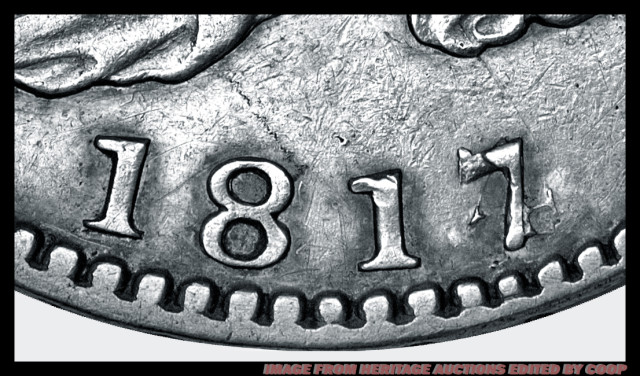 The over dates are a process that is no longer used. They were when the deign was the center part of the bust/reverse areas. The date was added separately, digit by digit. Even some reverses had the letters punched into the die separately. Here is one that the 'T' was in a different location.:  The obverse is an over date as well. 1830/829:  So I think you are meaning a different term eaglefoot? With the full design on the hubs on the 20th century coins, when a 1942/1 dime happens it is a doubled die. The die was created by two different year hubs. 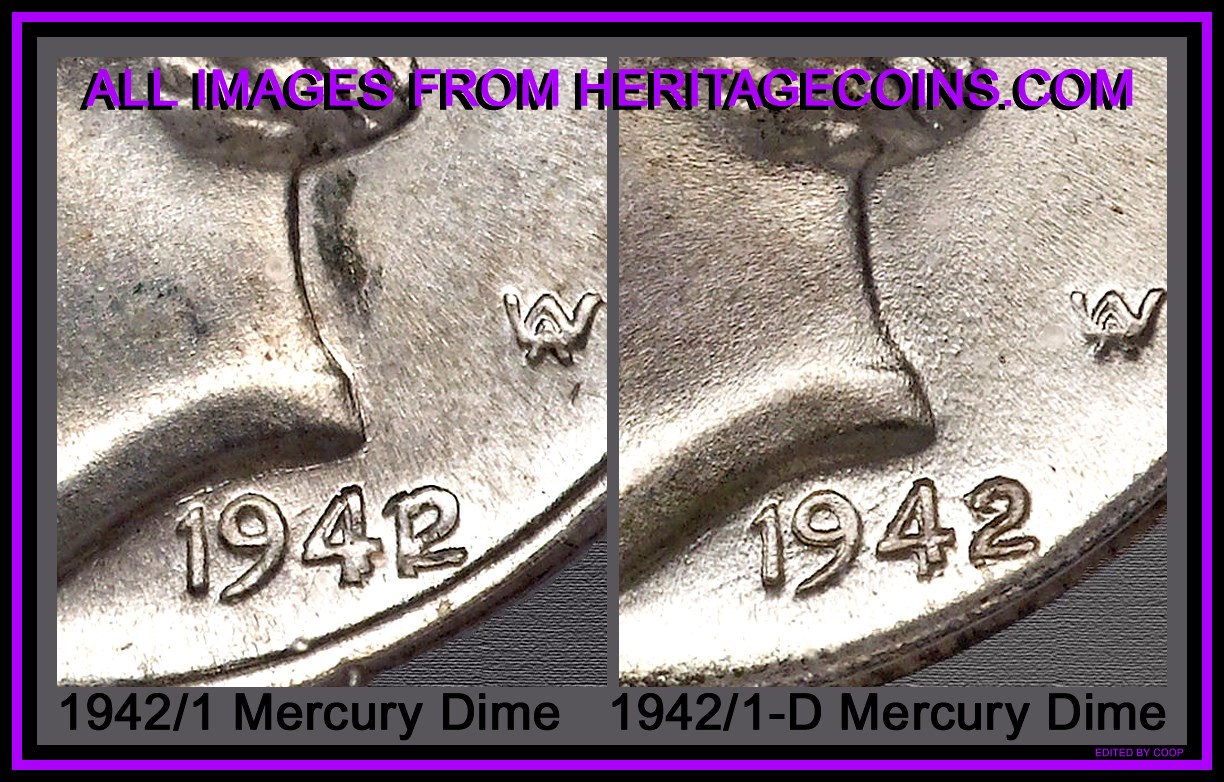 Again the 20th century coins are not over dates, but are doubled dies. (there are several different years this happened on different denominations) |
|
Pillar of the Community
United States
2752 Posts |
The lead-off cent is a late-stage brockage. That is one type of capped die strike.
Error coin writer and researcher.
|
|
New Member
United States
3 Posts |
It looks like there are numbers at 6oclock on the obverse it also kinda looks like it has some pillars showing on the obverse imo
|
|
Pillar of the Community
United States
527 Posts |
nice ! |
|
Moderator
United States
56855 Posts |
Coop, I am guessing that a re-punched date is different then a over date? John1  |
|
Pillar of the Community
United States
3516 Posts |
Yes. A repunched date is when the same date is repunched, for example the 1865 over 1865. An overdate is when a different date is repunched. For example the ones coop posted, the 1830 over 829, the 1942 over 1, and the 1942-D over 1.
|
|
Bedrock of the Community
United States
62064 Posts |
The 29th century ones like the 1942/1s are not over dates. They are doubled dies as two different dies were used with different years. You would be surprised how many different ones there are out there for the miss-matched hubs doubled dies. 1918-7 Nickel DDO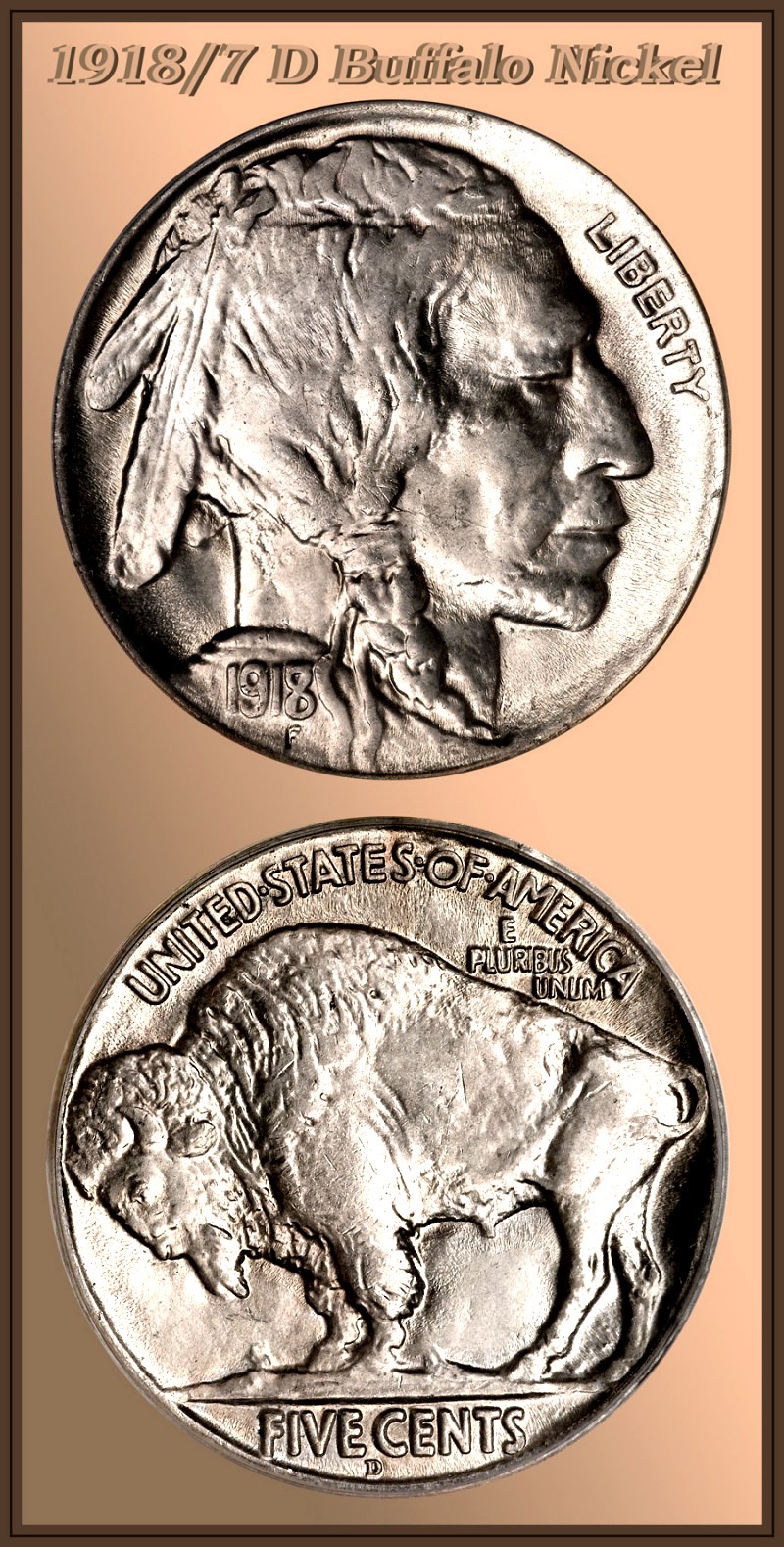 1943-2 Nickel DDO The Mercury dime I posted earlier. There is one that I disagree with: 1914-3  The first image is a normal high grade nickel, the last three images are graded 4/3. To me the design is what they are seeing behind the 4 and calling it a 3. Probably more, but off the top of my head these come to mind. |
| |
Replies: 28 / Views: 2,876 |








 First Page


 Posted 06/05/2016 6:17 pm


