Posted 06/13/2016 9:13 pm


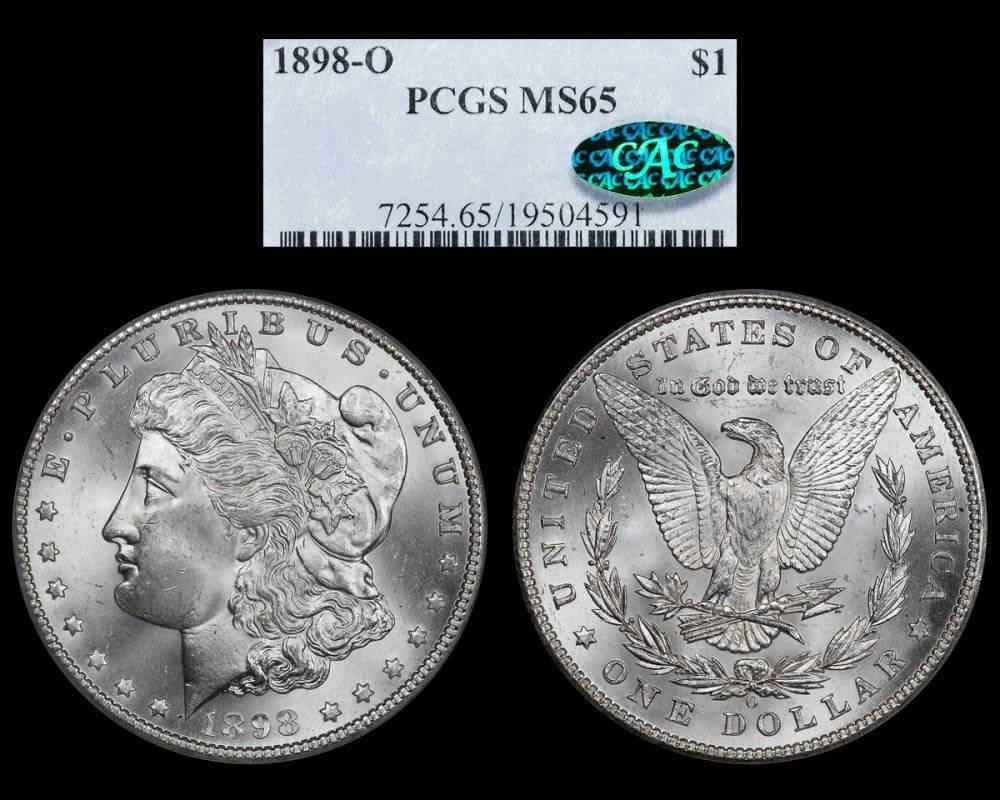
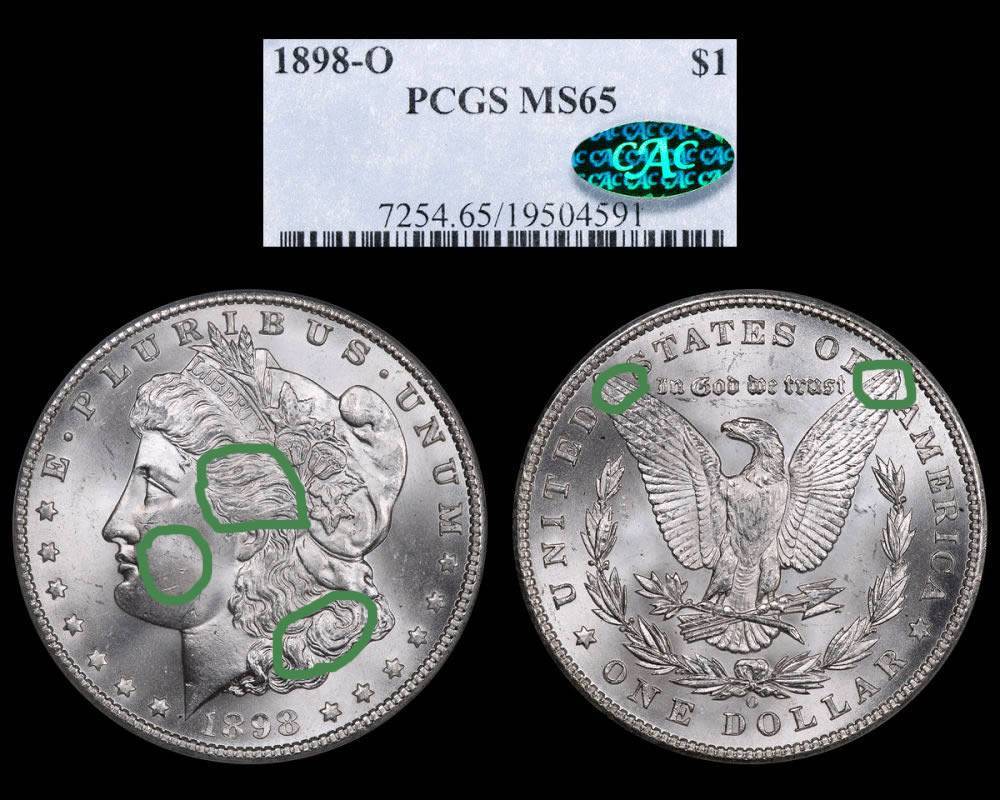
This 1898-O VAM 11 is a PCGS/CAC MS65 coin. Like most New Orleans Morgans, it displays a slightly weak strike. The second picture, with areas highlighted in green, indicate areas where weak strikes tend to show up and also where wear will be first visible.
Note that even though the detail in these areas are weak, the fields and cheek are mostly pristine, with just a bare minimum of contact or handling marks, as is required for a grade of MS 65.
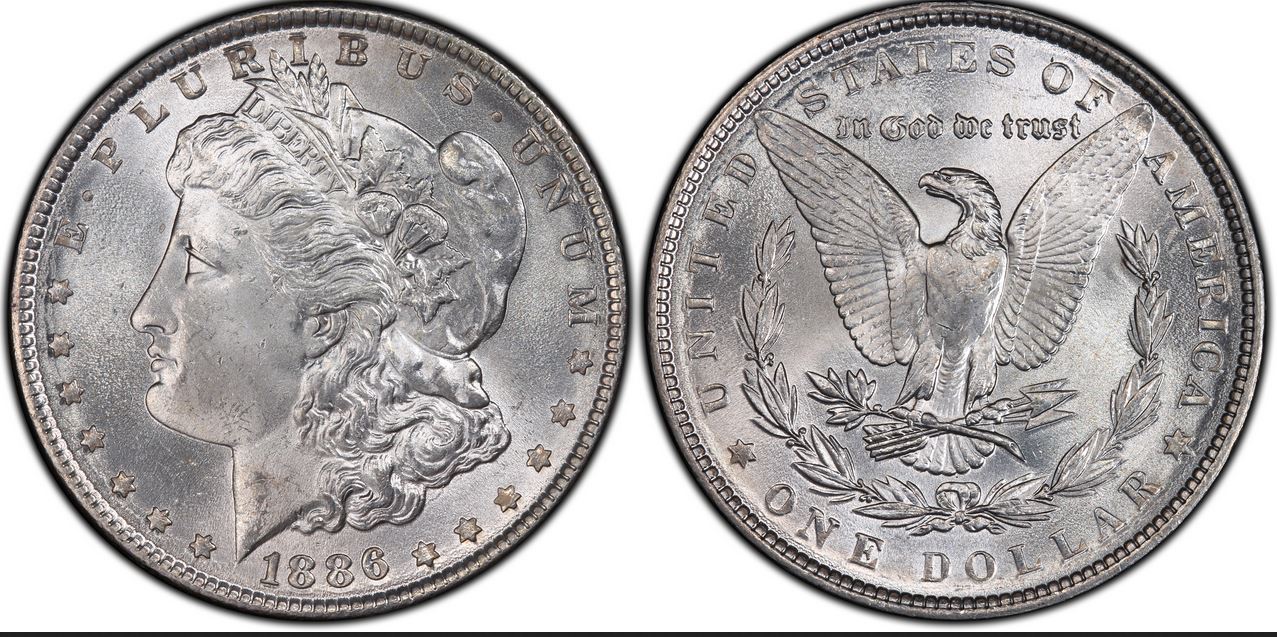
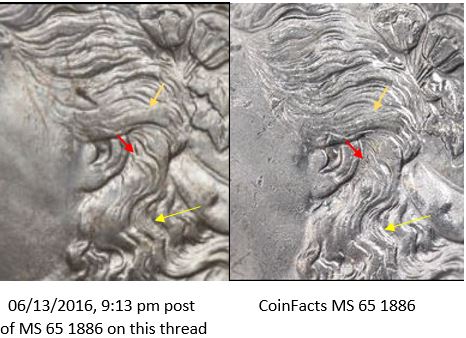
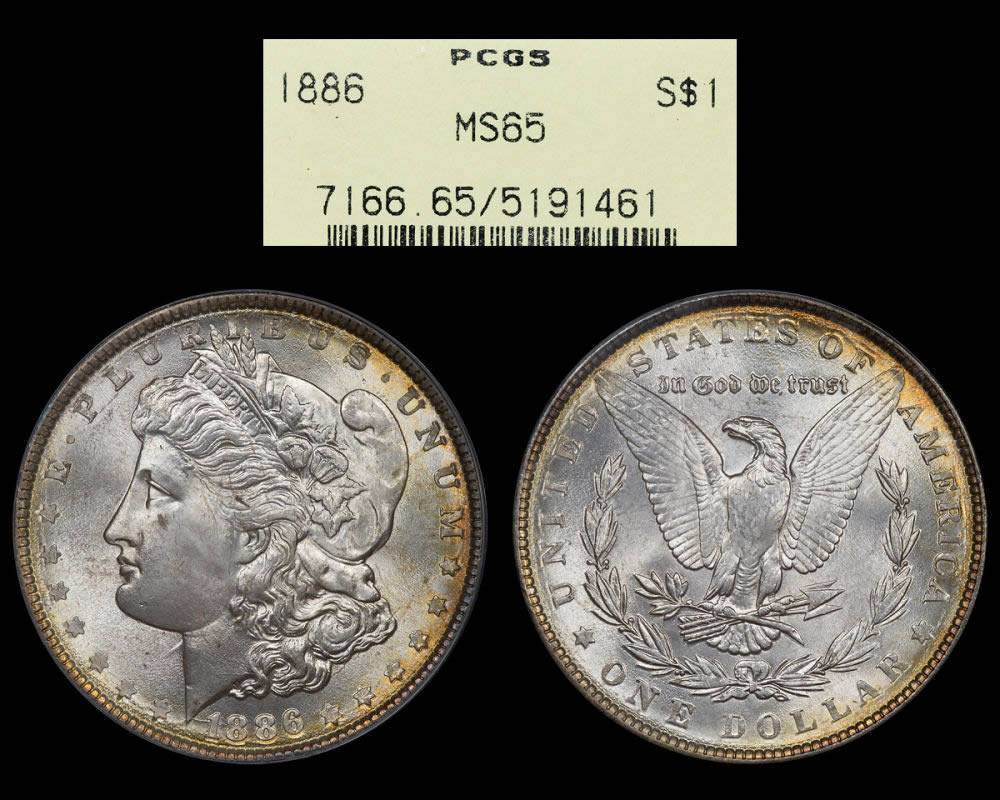
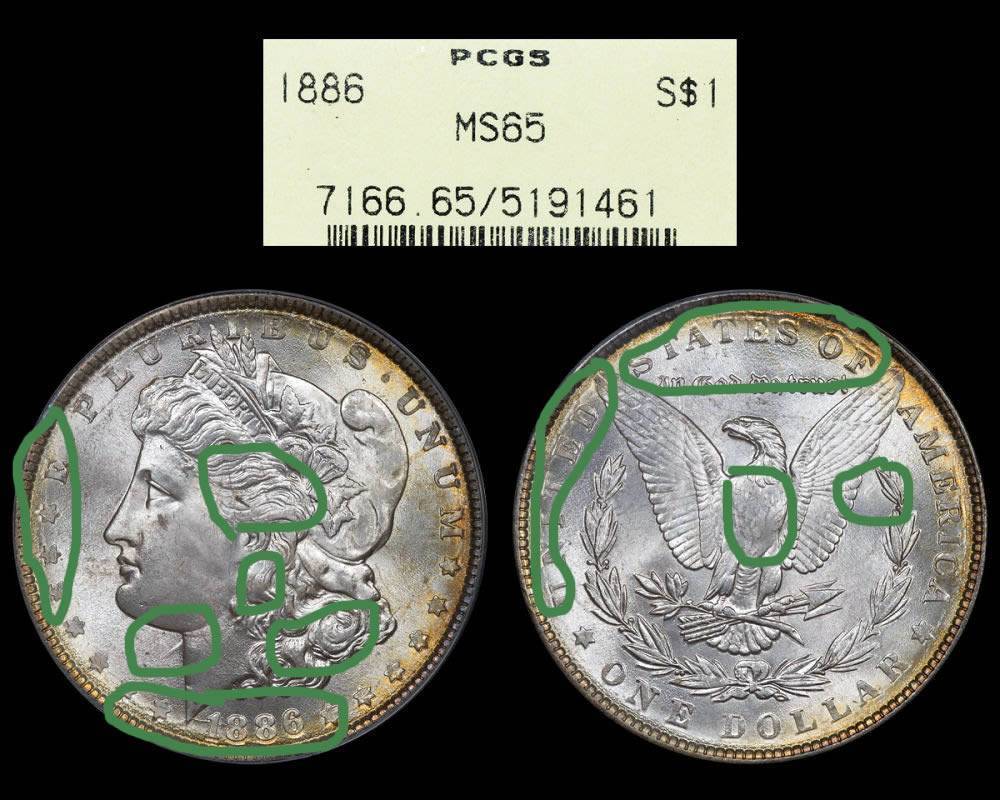
Here is an 1886 Philadelphia-minted VAM 6B, also a PCGS MS65, and tied at CC#3 for the 6B variety. This is an example of a late die state Morgan dollar, struck when the dies were worn and nearing the end of their useful lives.
Note that like the 1898-O above, the detail is weak on the breast feathers, hair above the ear, and such. But also circled in green are indicators that this is due to a late die state, not due to circulation wear: subsidence at the rims, heavy cracking with a few minor retained die breaks, the "rough" textured appearance of the fields towards the edges, and the heavy die clash at the neck, obverse, and then at the left edge of the right wreath top on the reverse. Also note that like the first coin, the fields are very clean and free of major distractions, and the cheek is also clean.
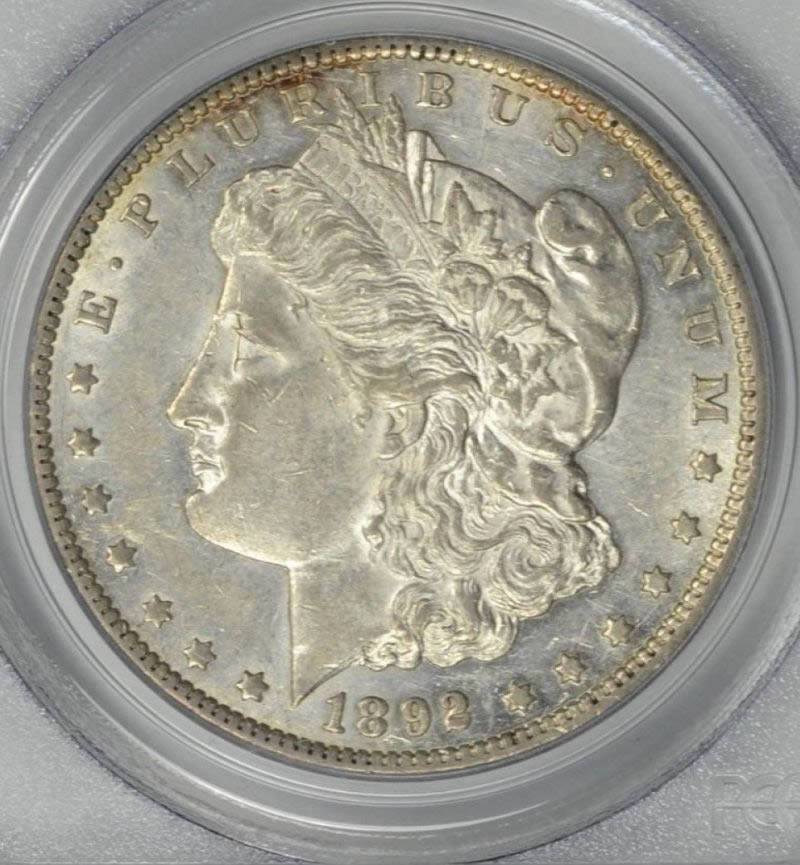
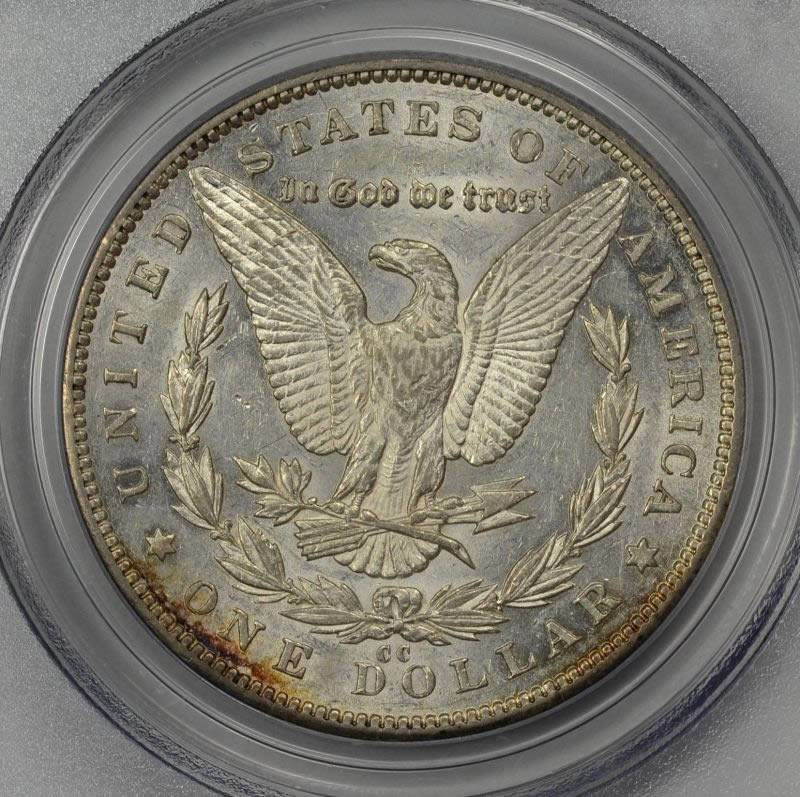
This 1892-CC VAM 10 is a PCGS AU53 coin. Looking at the coin, even though the strike is full and strong, we can see signs of obvious handling and circulation: the fields have nicks and marks, and the highest points of the coin on both sides show a darker color variation vs. the lower points, a good indicator that wear is the culprit and not a poor strike. The feather detail is full, but shows wear, as do the wing tips of the eagle.
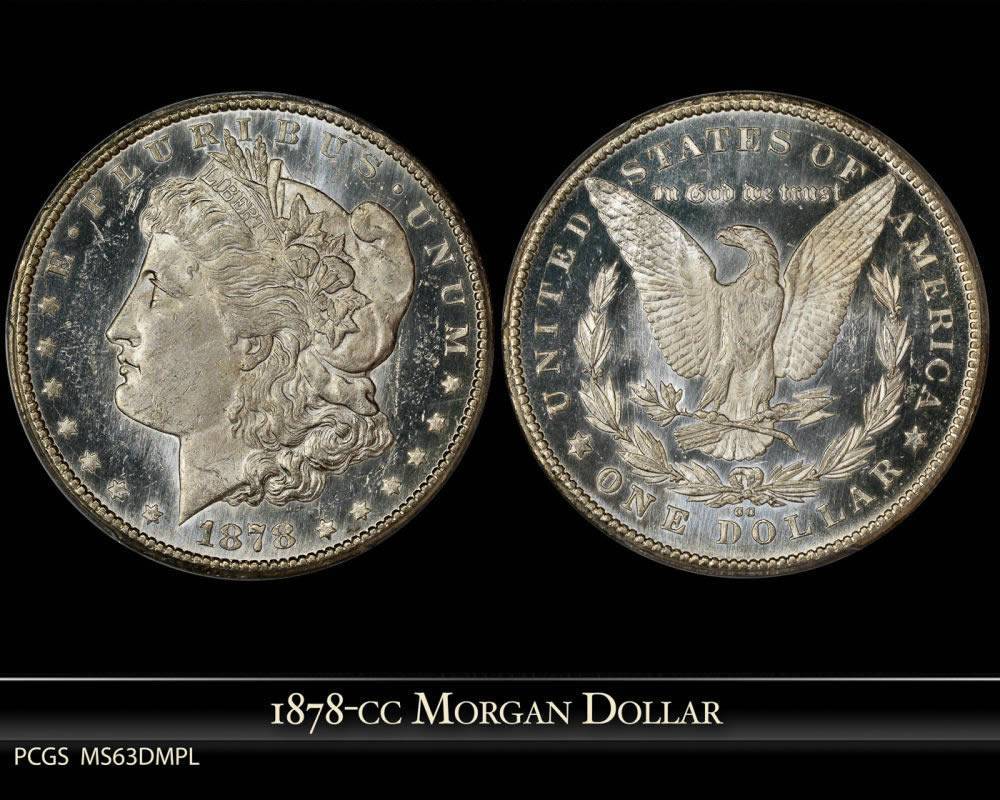
An example using the Reverse of 1878, this 1878-CC VAM 2A is an early die state, deep mirror prooflike coin. The parallel lines visible in the fields on the front and back are die polishing lines. Note that even though the hair detail did not strike up well, the cheek is clean and the fields are mostly free of nicks/dings/marks but a few are present, hence a grade of MS 63 DMPL.
If you want to practice: do you think this 1898-O VAM 5 is a slider AU55-58 with light circulation rub or a flatly struck MS63-MS64? Why?
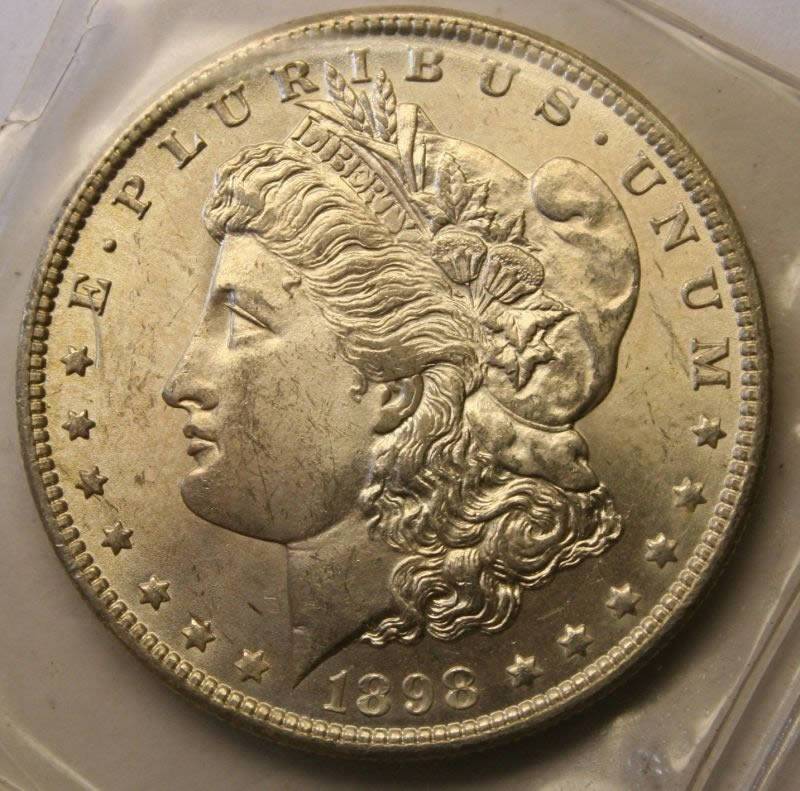
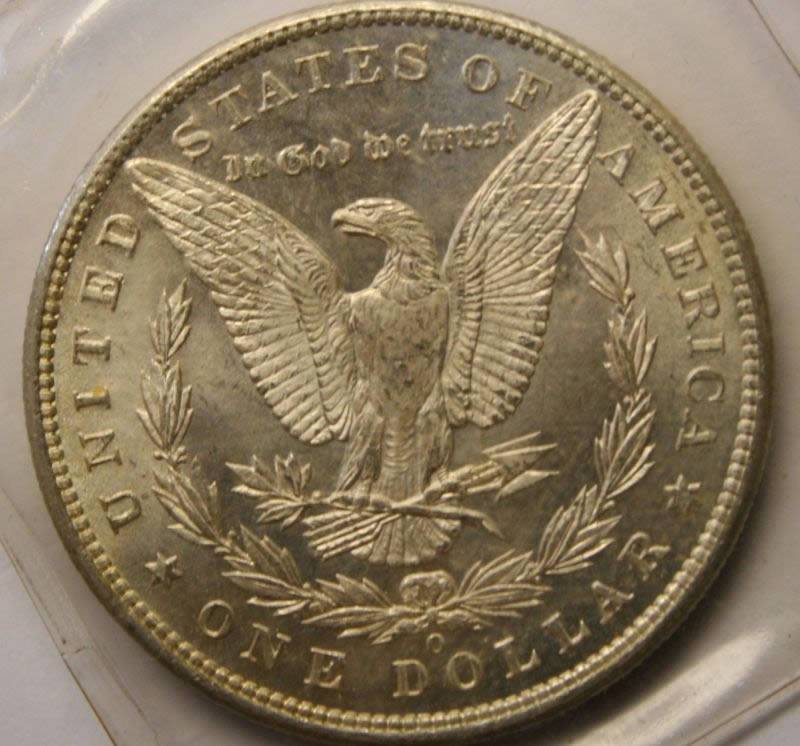
This can be a "gotcha" coin for collectors new to Morgans who might pass on it raw. It looks like a lightly circulated AU, but it's really just a very, very bad strike -- the clean fields and cheek should have pointed you to MS:
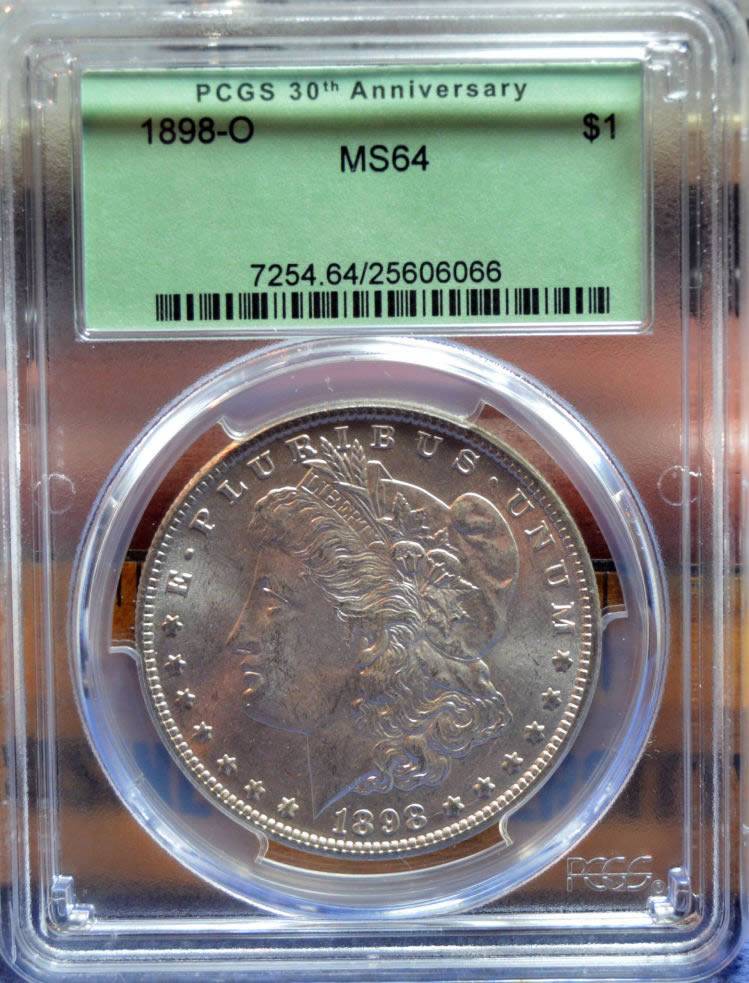
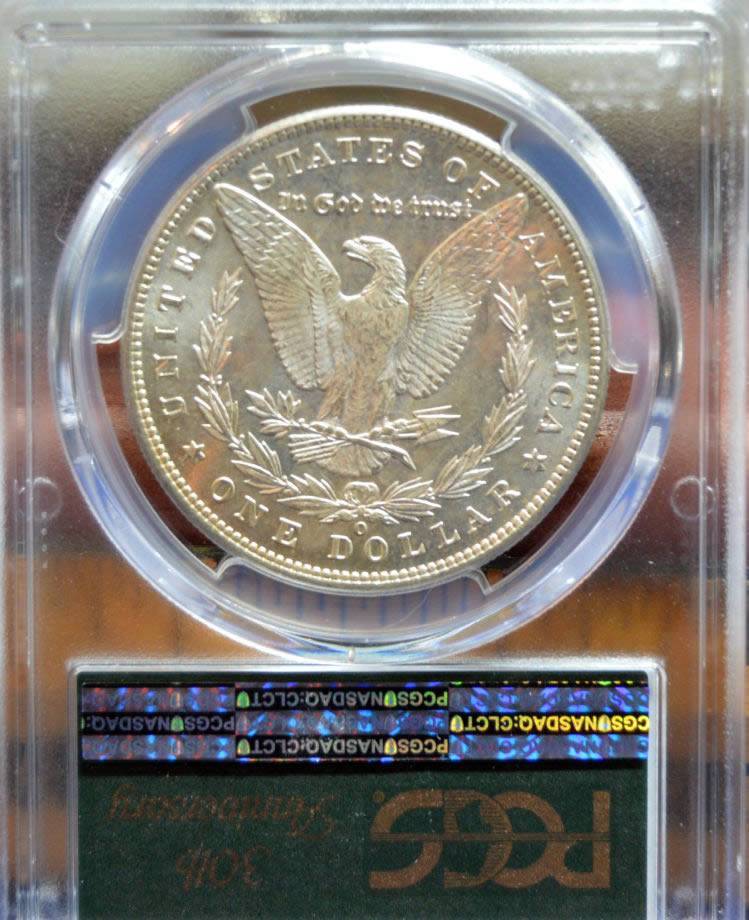
When you get into MS-61 and MS-62, and the surfaces in general are full of chatter, it becomes much harder to differentiate between slider AU and low grade MS.
1896-O VAM 18, PCGS AU 58:
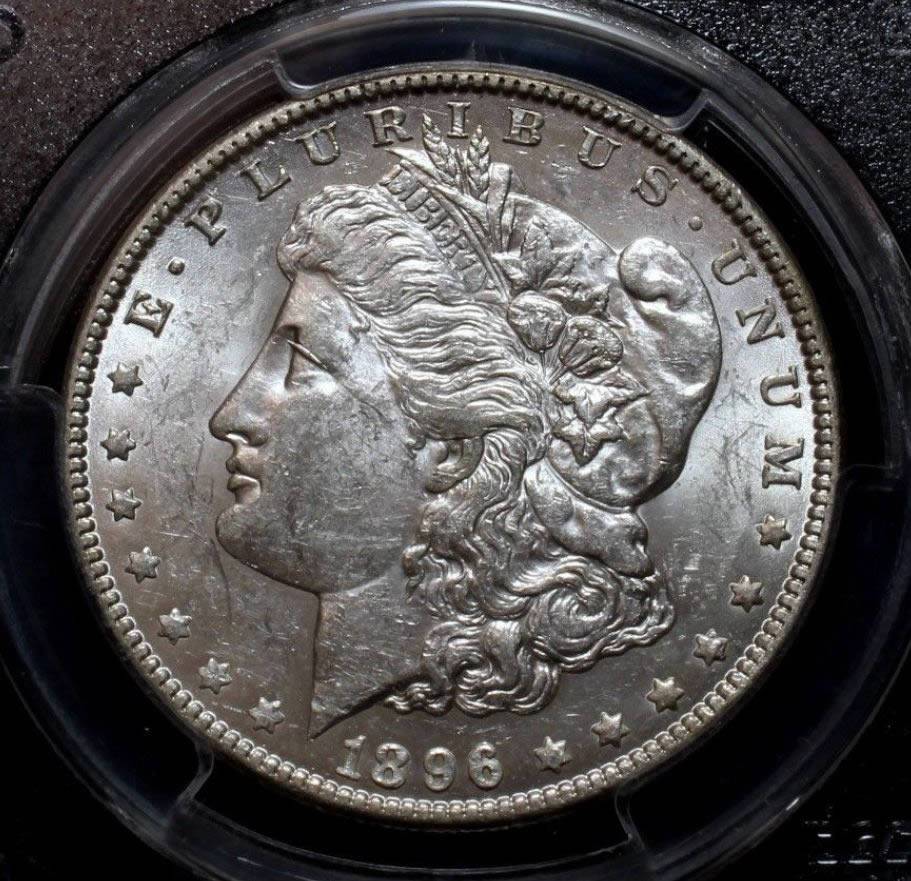
1896 VAM 6, PCGS MS 61:
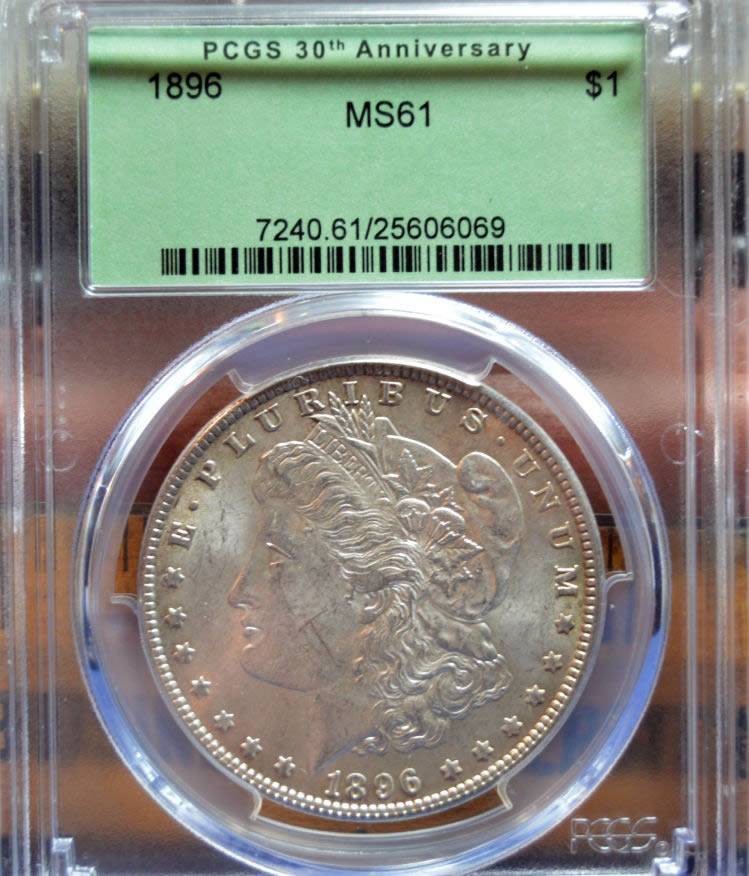
One key observation is that the MS coin generally shows much less signs of handling in the fields -- note the fine scratches on the AU58 coin's fields and cheek indicative of "two-beer" circulation vs. the smoother fields on the MS61, despite the 61 having lots of nicks, hits, and marks.
Hope this helps you out. AB
Note that even though the detail in these areas are weak, the fields and cheek are mostly pristine, with just a bare minimum of contact or handling marks, as is required for a grade of MS 65.
Here is an 1886 Philadelphia-minted VAM 6B, also a PCGS MS65, and tied at CC#3 for the 6B variety. This is an example of a late die state Morgan dollar, struck when the dies were worn and nearing the end of their useful lives.
Note that like the 1898-O above, the detail is weak on the breast feathers, hair above the ear, and such. But also circled in green are indicators that this is due to a late die state, not due to circulation wear: subsidence at the rims, heavy cracking with a few minor retained die breaks, the "rough" textured appearance of the fields towards the edges, and the heavy die clash at the neck, obverse, and then at the left edge of the right wreath top on the reverse. Also note that like the first coin, the fields are very clean and free of major distractions, and the cheek is also clean.
This 1892-CC VAM 10 is a PCGS AU53 coin. Looking at the coin, even though the strike is full and strong, we can see signs of obvious handling and circulation: the fields have nicks and marks, and the highest points of the coin on both sides show a darker color variation vs. the lower points, a good indicator that wear is the culprit and not a poor strike. The feather detail is full, but shows wear, as do the wing tips of the eagle.
An example using the Reverse of 1878, this 1878-CC VAM 2A is an early die state, deep mirror prooflike coin. The parallel lines visible in the fields on the front and back are die polishing lines. Note that even though the hair detail did not strike up well, the cheek is clean and the fields are mostly free of nicks/dings/marks but a few are present, hence a grade of MS 63 DMPL.
If you want to practice: do you think this 1898-O VAM 5 is a slider AU55-58 with light circulation rub or a flatly struck MS63-MS64? Why?
This can be a "gotcha" coin for collectors new to Morgans who might pass on it raw. It looks like a lightly circulated AU, but it's really just a very, very bad strike -- the clean fields and cheek should have pointed you to MS:
When you get into MS-61 and MS-62, and the surfaces in general are full of chatter, it becomes much harder to differentiate between slider AU and low grade MS.
1896-O VAM 18, PCGS AU 58:
1896 VAM 6, PCGS MS 61:
One key observation is that the MS coin generally shows much less signs of handling in the fields -- note the fine scratches on the AU58 coin's fields and cheek indicative of "two-beer" circulation vs. the smoother fields on the MS61, despite the 61 having lots of nicks, hits, and marks.
Hope this helps you out. AB
Member ANA - EAC - TNA - SSDC - CCT #890
"Most of the things worth doing in the world had been declared impossible before they were done." -- Louis D. Brandeis
"Most of the things worth doing in the world had been declared impossible before they were done." -- Louis D. Brandeis