Posted 06/17/2016 9:44 pm


Mints are always experimenting to improve the coinage, or in response to new legislation.
In almost all cases, they destroy the products of experimentation.
In times past, a mint master may have kept one or two experimental coins for his own collection on privelege. However most modern mint practice dictates that all experimental coins are to be destroyed, due to their implied extremely high potential numismatic value.
That sort of privelege has long since been withdrawn from highly placed mint officials, due to the possibility of corruption.
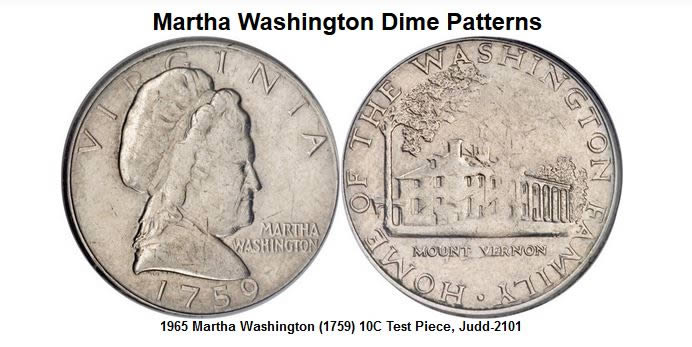
That is why very modern experimental (or pattern) coins are so rarely seen on the numismatic market.
Curiously, very modern gross error coins are much more easily available to the collector.
In almost all cases, they destroy the products of experimentation.
In times past, a mint master may have kept one or two experimental coins for his own collection on privelege. However most modern mint practice dictates that all experimental coins are to be destroyed, due to their implied extremely high potential numismatic value.
That sort of privelege has long since been withdrawn from highly placed mint officials, due to the possibility of corruption.
That is why very modern experimental (or pattern) coins are so rarely seen on the numismatic market.
Curiously, very modern gross error coins are much more easily available to the collector.
Edited by sel_69l
06/17/2016 9:51 pm
06/17/2016 9:51 pm