Gary W,
very excellent that you posted good photos. However, they are all photos of the wrong parts of the coin for clash diagnostics.
On wheat cents, clash marks don't really show up the way they do on more modern cents. Some of it has to do with the higher-relief of the devices on LWCs. A
LWC clash (that did not follow a die change on just one of the dies) will absolutely have a sharp, defined outline of Lincoln on the reverse, and clash marks near Lincoln's neck on the obverse. Not to be confused with progressive indirect design transfer (PIDT), which can be very strong in very late die states.
For a
LWC clash, the reverse is too easily confused with ghosting to the untrained eye, so the first place I would look for clash marks would be Lincoln's neck.
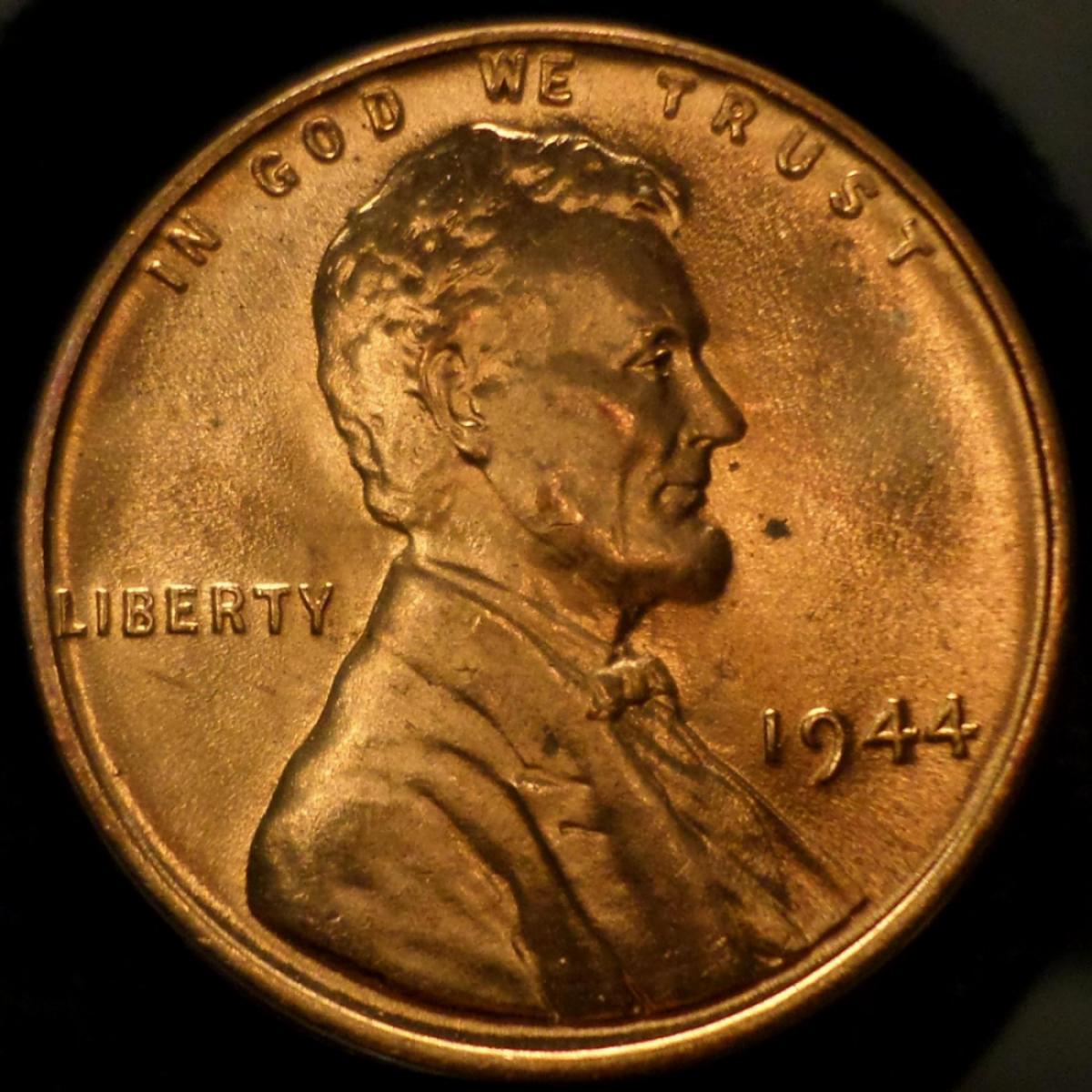
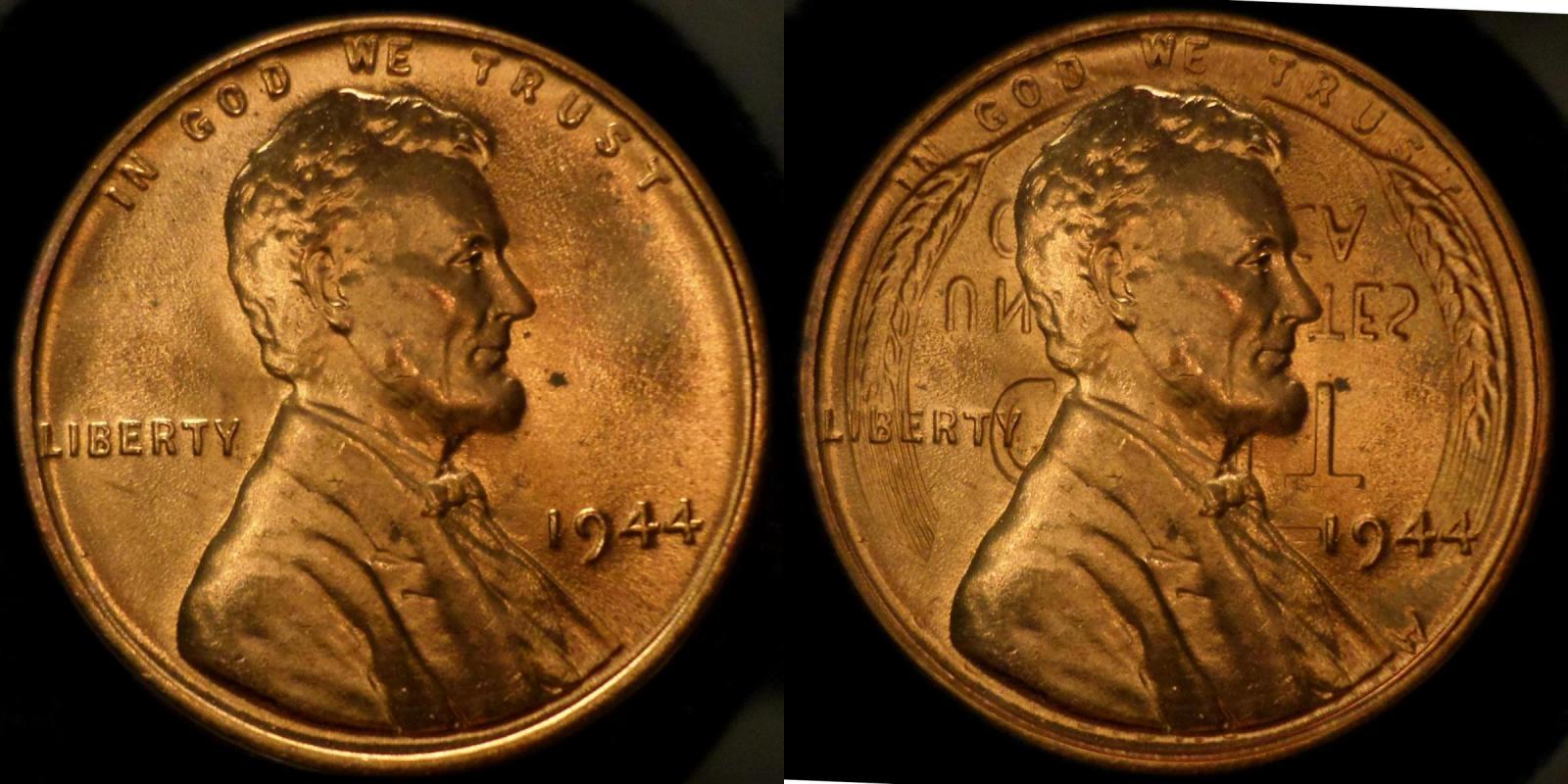
Here is a coin I have with obverse clash marks. You can see the "C" in "CENT" behind Lincoln's neck, and part of the "N" in front of his throat. You can even see part of the "E" in "ONE" in front of the date. (it's even more obvious in-hand, you don't even need a loupe)
I have an image with the reverse superimposed over the fields only, to give an idea of how they match up on this particular coin. The alignment might be a smidge off, but you get the general idea..
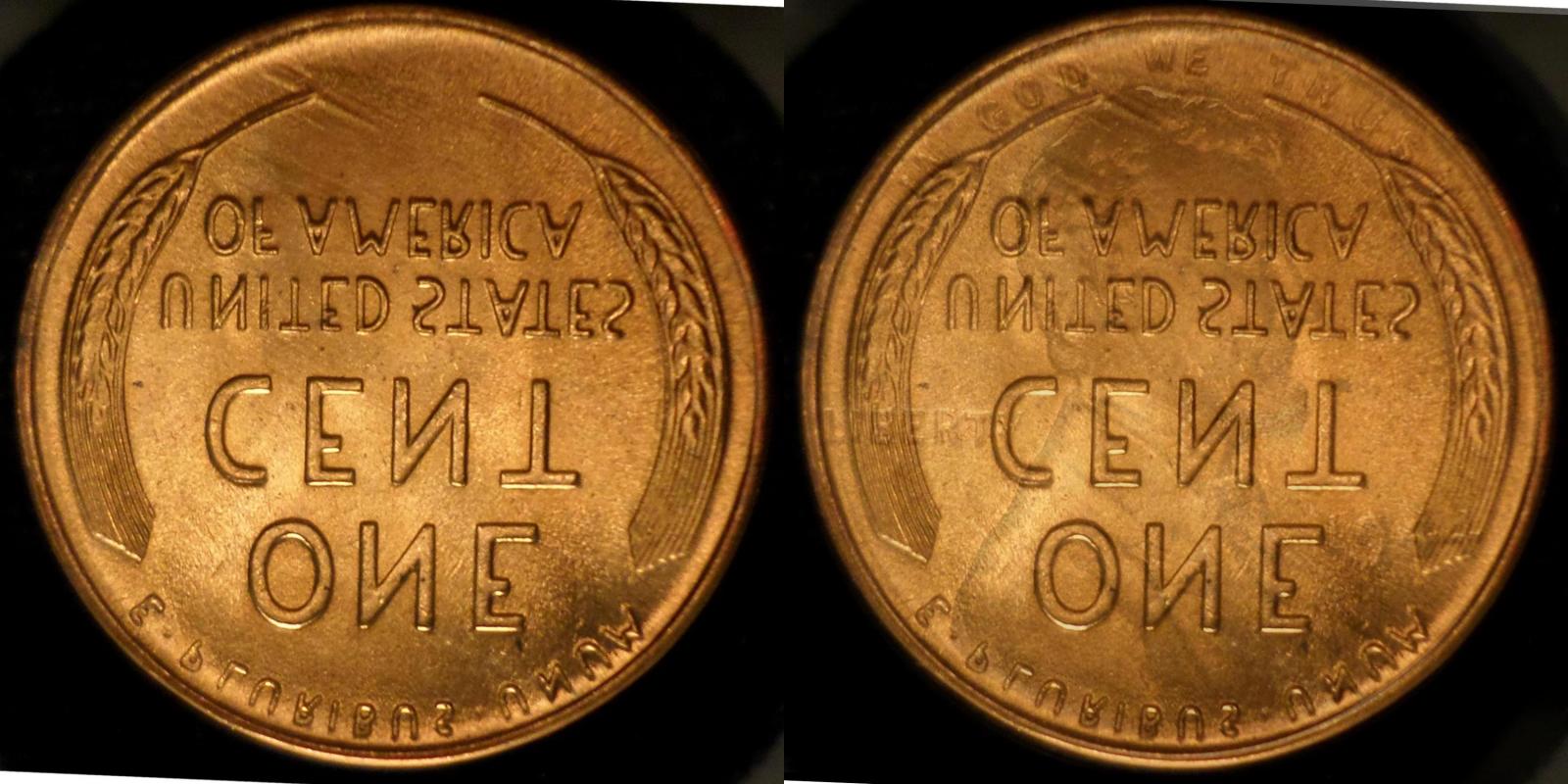
The reverse of this coin does have sharp clash marks, as well. The edge of the fields behind Lincoln (particularly his shoulder) seems to be a very strong area of the die, and very sharp. You can actually see the area where the hit occurred, and changed the metal flow in the die. It cuts diagonally through the top of the "C" in "CENT."
As far as I am aware, properly aligned
LWC clashed dies do not exhibit design transfer within any devices, specifically Lincoln's bust. This is only based on what I have seen, so anyone, jump in, here.







 Posted 07/02/2016 4:56 pm





