| Author |
 Replies: 13 / Views: 2,388 Replies: 13 / Views: 2,388 |
|
|
Valued Member
United States
430 Posts |
I have been experimenting with axial lighting. I've used a plate of normal picture frame glass, and piece of teleprompter glass. My lighting is a LED array and a piece of milky white acrylic over it for diffusion. Then in post production I use a simple auto contrast button on picassa to remove most of the fog of the glass being lit. I'm kind of happy with the results but there is a rainbow toning that occurs frequently on the right side if the coins that is definitely an artifact. Is this chromatic aberration? Or is it some other problem that I can correct? 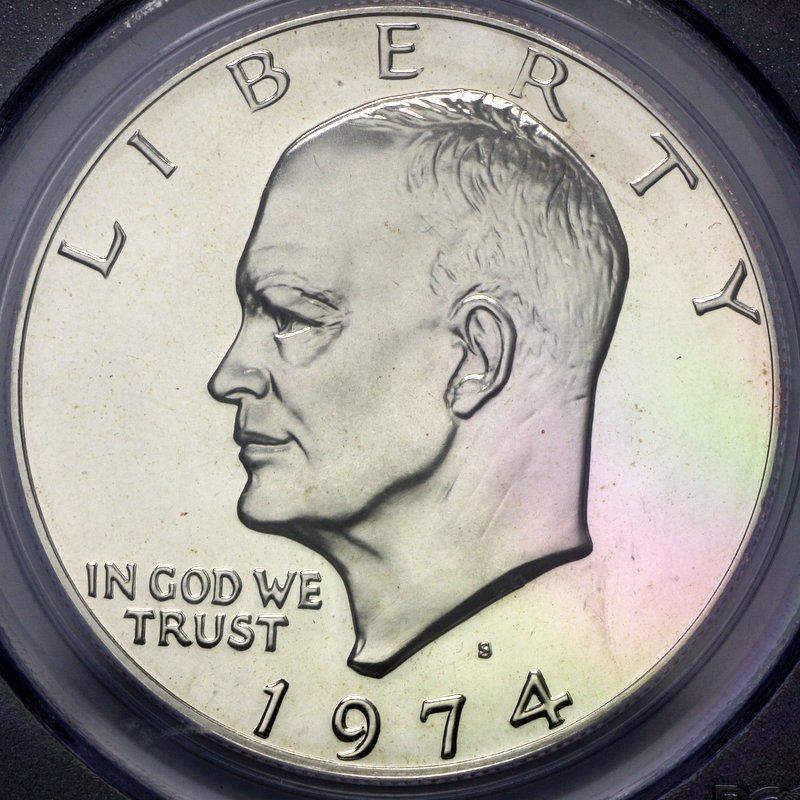 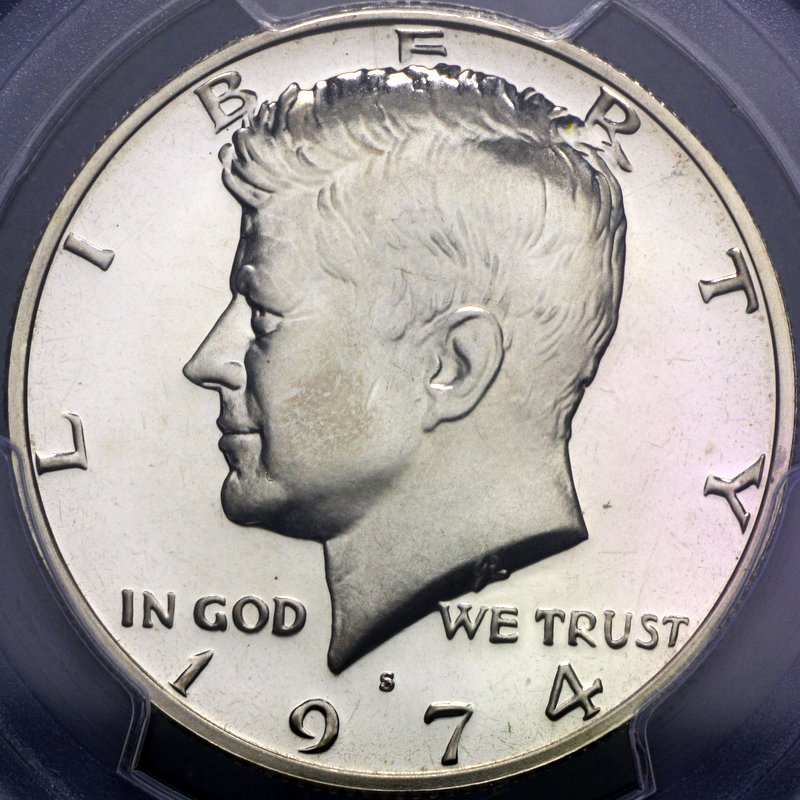 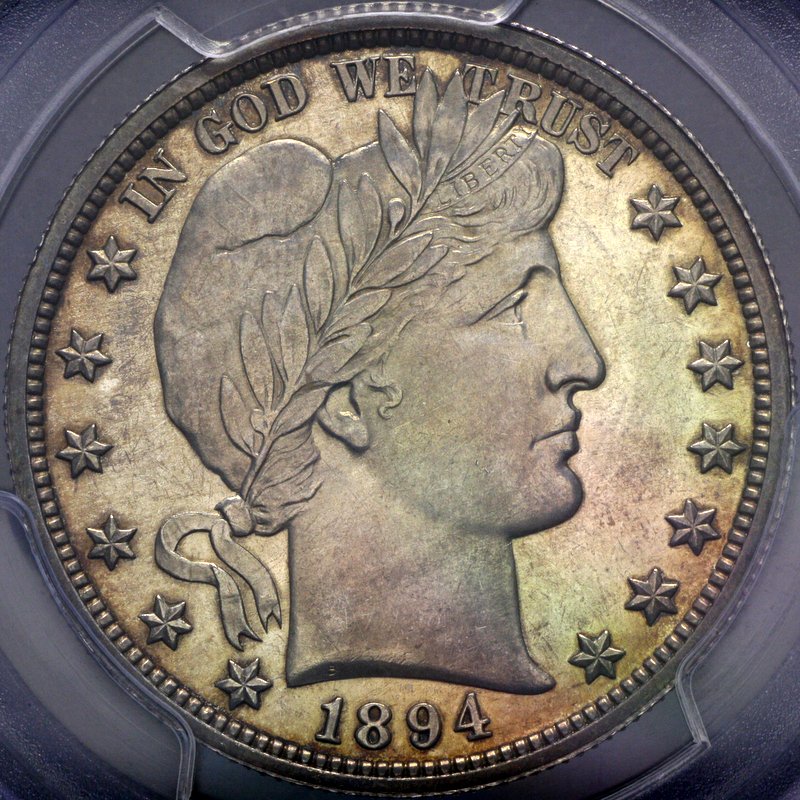 Pre Auto contrast 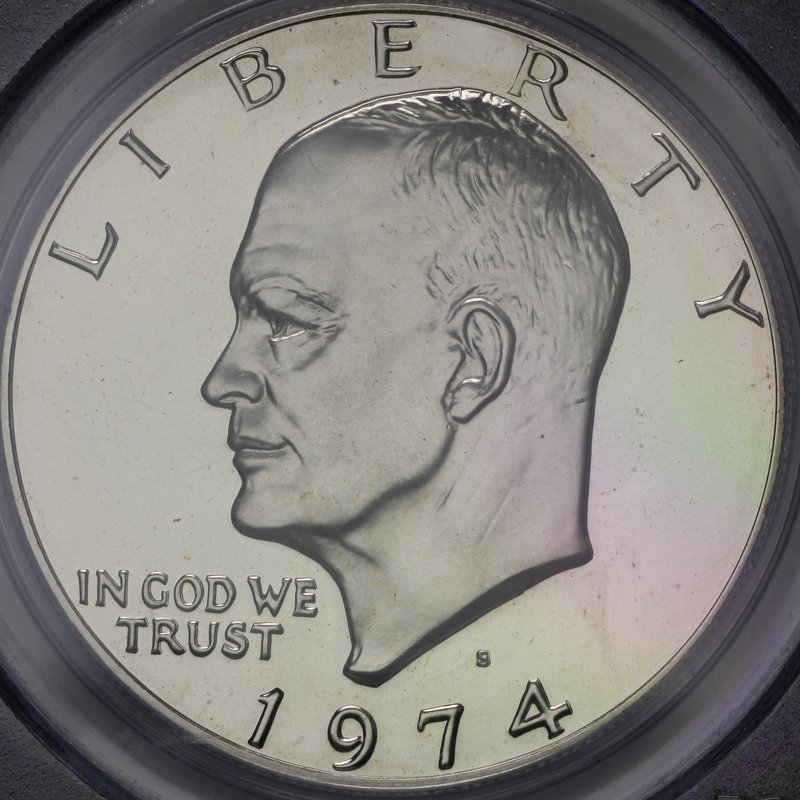 |
|
|
|
Pillar of the Community
 United States
4051 Posts |
Looks like some kind of color fringing, maybe due to the slab. Try tilting the coin just a little to see if it goes away.
|
|
Valued Member
United States
441 Posts |
It is the slab. The circular-shaped plastic on PCGS slabs that frames the coin is designed with a view-enhancing optical element for viewing the coin indirectly, and it is actually a reflecting prismatic ring. I can see the colors on some of mine with the naked eye.
Aside from turning your saturation way down, I don't know if it is possible to work around this. I have no trouble when this phenomenon is present on slabbed copper, I think it is probably too subtle. I would be greatly interested in a workaround if anyone comes up with one. Anyone have some polarizing filters laying around?
Edited by mamastinky
07/04/2016 9:00 pm
|
|
Valued Member
 United States
430 Posts |
ok, thanks I'll shoot with a off perpendicular slab and report back. Otherwise how am I doing? the pics still have too much "fog" in my picky opinion.
|
|
Valued Member
United States
441 Posts |
Quote:
the pics still have too much "fog" in my picky opinion. The first two photos, not as much. But the hot highlights seem to be costing you some detail. The second two photos definitely could lose some glare. Other than that, I think they are very attractive.. your highlight and shadow positions give flattering appeal to Liberty and Ike. |
|
Pillar of the Community
United States
9395 Posts |
Quote:
Otherwise how am I doing? the pics still have too much "fog" in my picky opinion. Does anybody have a definitive solution for the "fog" that appears when shooting slabbed coins with axial (or pseudo-axial) lighting? I've tried making the (diffuse) axial or pseudo-axial light source as uniform as possible over the coin's diameter, and then using Photoshop levels to subtract out the (hopefully) uniform glare. Unfortunately, the glare is never 100% uniform, and this technique still leaves some residual fogging. |
|
New Member
Spain
40 Posts |
Well, among my numis-friends (but not all) the best solution is cut the slab and throw the plastic to the paper bin. Then you can take the photo normally and... measure,to weigh...well, determine yourself if the coin is true or fake.
Regards from Barcelona
|
|
Valued Member
United States
430 Posts |
LlacerSBD, Thank you for the help.  I know that many people who post on CCF have a low opinion of TPG coins. But since I don't agree with that opinion, does that make my question wrong or invalid? I have been burned in the past purchasing RAW coins. So for me it was buy TPG coins or stop collecting. |
|
Valued Member
United States
441 Posts |
Quote:
Well, among my numis-friends (but not all) the best solution is cut the slab and throw the plastic to the paper bin. Not always a solution. If someone hires you to photograph a coin for them, it isn't exactly your choice to break it out of the slab, and of course they will become angry, and you may out of work permanently. In other words, it is more practical for those concerned with this thread to find a solution that works with the slab intact. |
|
Pillar of the Community
2087 Posts |
Living in Europe means,for the most part, third party encapsulation is a frightening and to be avoided experience. PCGS and NGC expect Europeans to mail their coins to another part of Europe from where they are then sent on to the USA, they are returned by the same complicated route. I don't think Third party encapsulation will really take off until one or other of the two main firms actually bite the bullet and set up a grading center in Europe. That said I have a few coins in plastic prison and I am reluctant to break them out. The only solution I came up with for photographing slabs was in this old thread: https://goccf.com/t/251132I tried Axial and found it lacking (with encapsulated coins). Noting that good results can be obtained using that Light Panel I assembled , I think it is probably just a matter of trying different lighting sources and angles to find what suits you best. Edited by austrokiwi
07/09/2016 3:14 pm
|
|
Pillar of the Community
United States
4051 Posts |
Quote:
Does anybody have a definitive solution for the "fog" that appears when shooting slabbed coins with axial (or pseudo-axial) lighting? Slabs and axial or pseudo-axial lighting don't mix well. I've found my "Smile Director" concept to be the most effective way to photograph slabbed coins with as near-axial light as possible without glare. Contact me for photographic equipment or visit my home page at: http://macrocoins.comEdited by rmpsrpms
07/16/2016 9:07 pm
|
|
Pillar of the Community
Canada
2784 Posts |
Wizzy1 my son has just returned from the USA. he brought me a gift. it is a slabbed coin. here is the best I can do with a slabbed coin. how I over come the glare of the plastic. I shine a janjso lamp from above. directly at the coin. I have a Kleenex doubled over the jansjo light. here is the results. 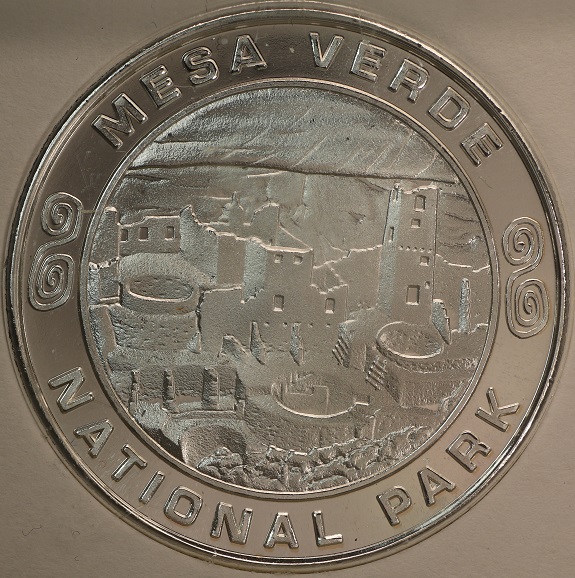 |
|
Valued Member
United States
441 Posts |
Ray, do you have a direct link to a single thread that best outlines that smile director technique? There are so many search results, I get it basically, but I may not be using the correct diffuser for best results.
|
|
Pillar of the Community
United States
4051 Posts |
|
| |
Replies: 13 / Views: 2,388 |
|










 Posted 07/04/2016 6:13 pm


