| Author |
 Replies: 18 / Views: 1,900 Replies: 18 / Views: 1,900 |
|
Valued Member
United States
58 Posts |
Edited by Lincun1909
07/12/2016 11:21 am
|
|
|
|
Valued Member
 United States
58 Posts |
|
|
Valued Member
United States
58 Posts |
|
|
Valued Member
United States
58 Posts |
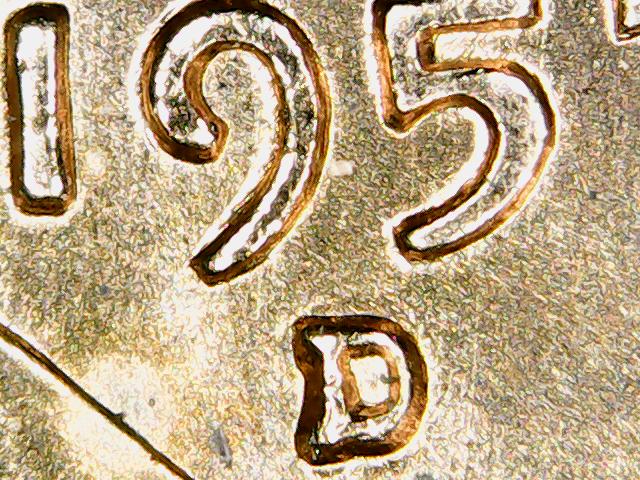
closer and final pic. 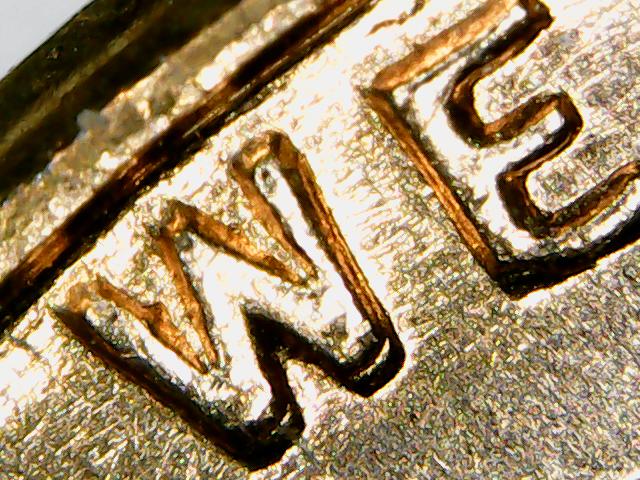 |
|
Pillar of the Community
United States
3516 Posts |
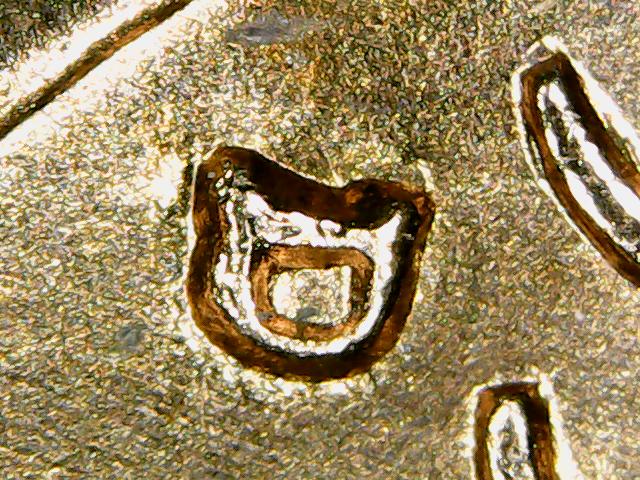
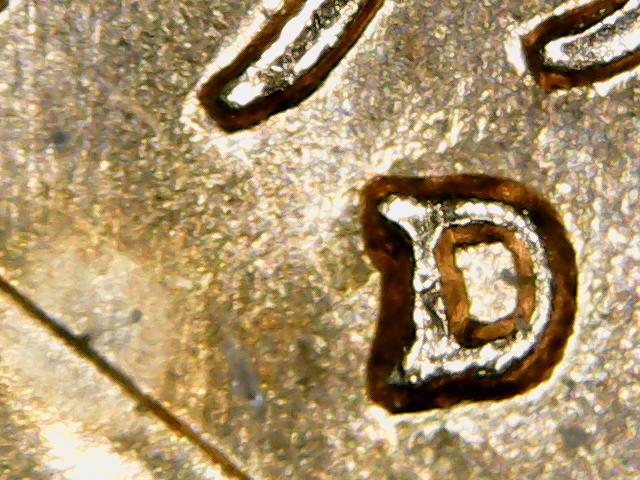
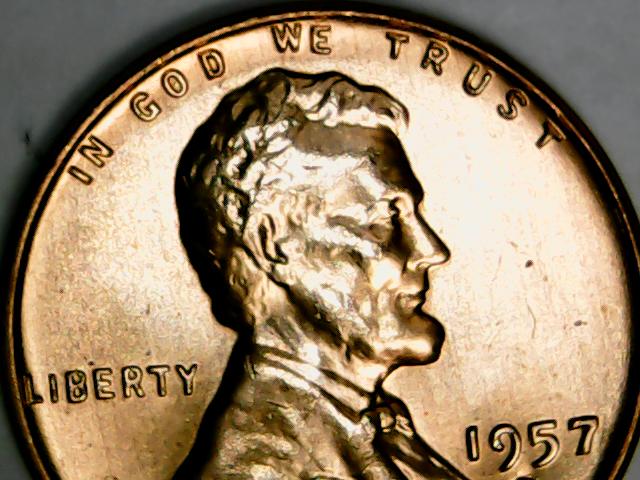
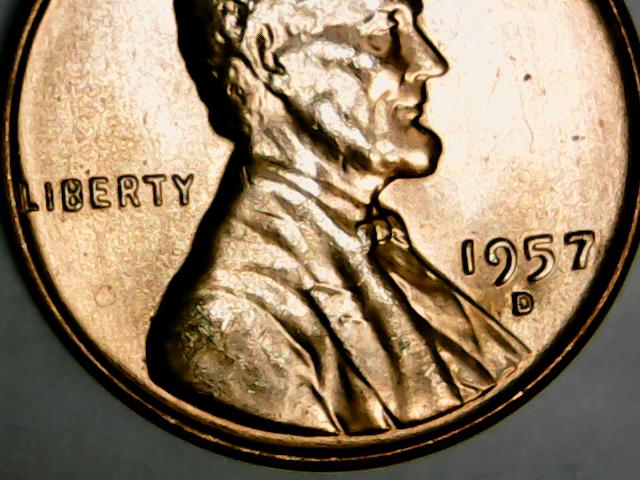
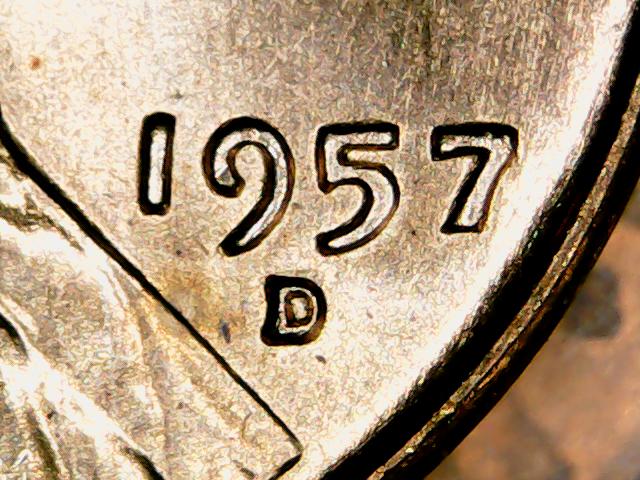
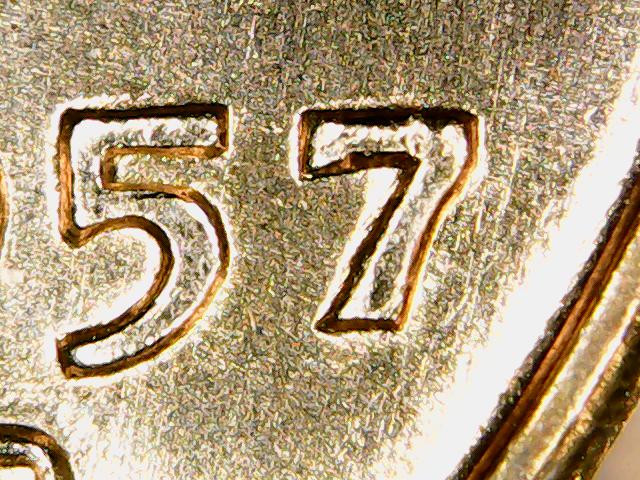
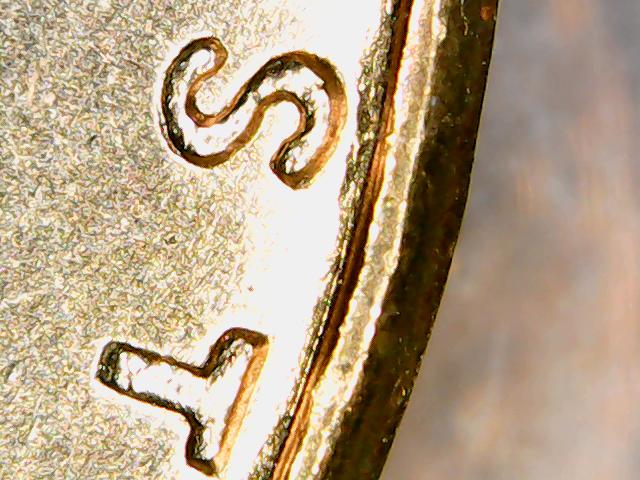
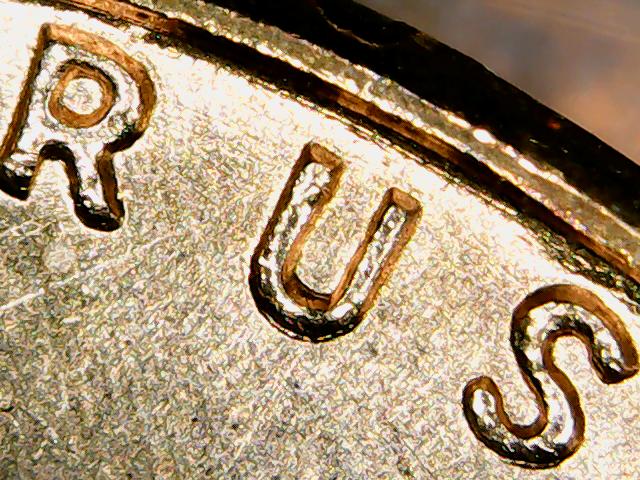
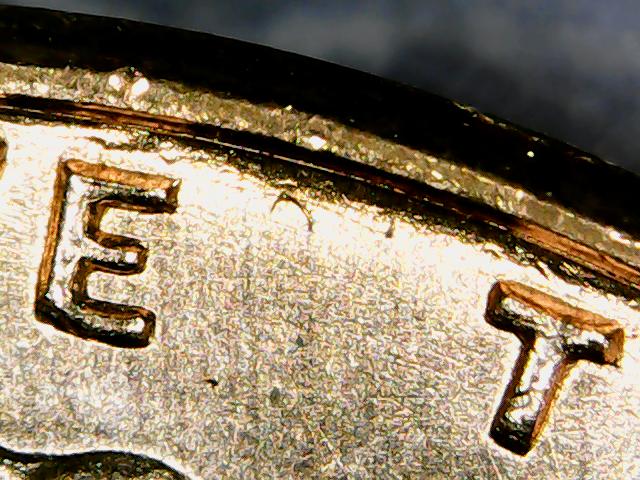
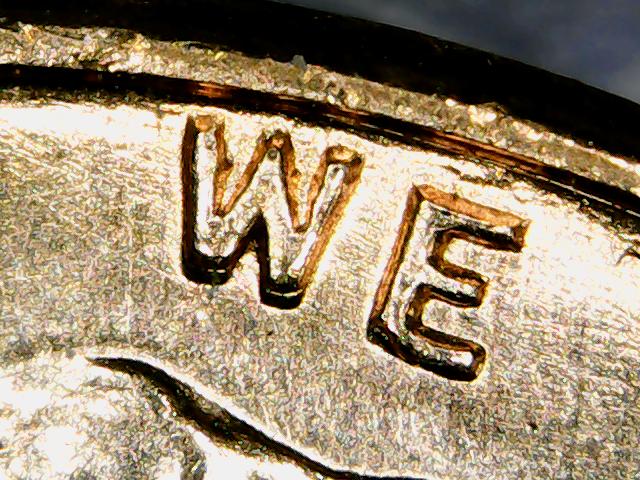
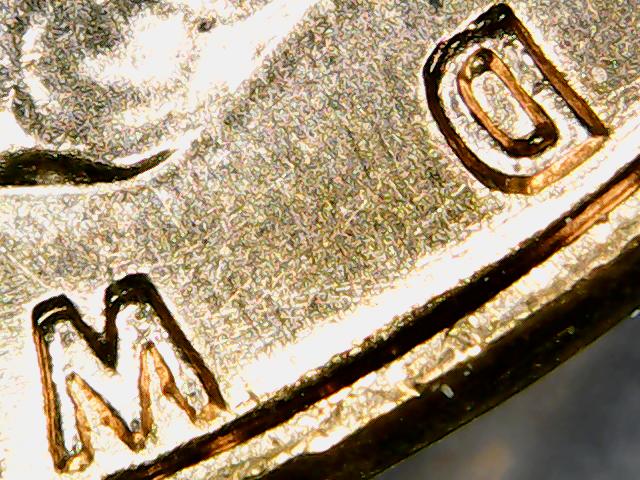
MD, note how it is shelf like and reduces the size of the devices, you can really see it on the southern part of the W in WE. Not sure about the Mintmark, could be a RPM, or just MD
Edited by Dustin6
07/12/2016 11:50 am
|
|
Valued Member
United States
58 Posts |
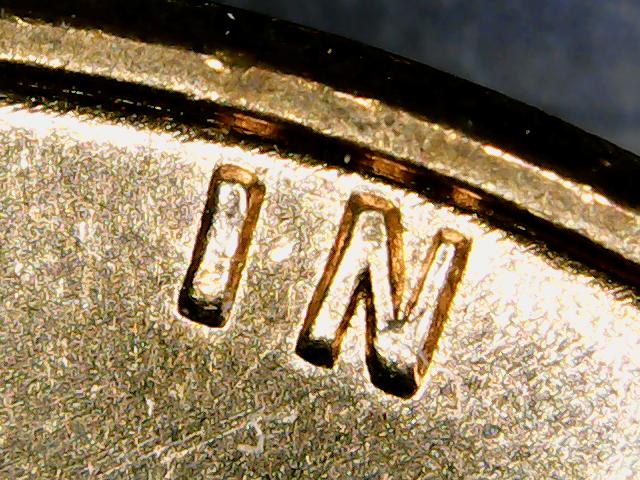
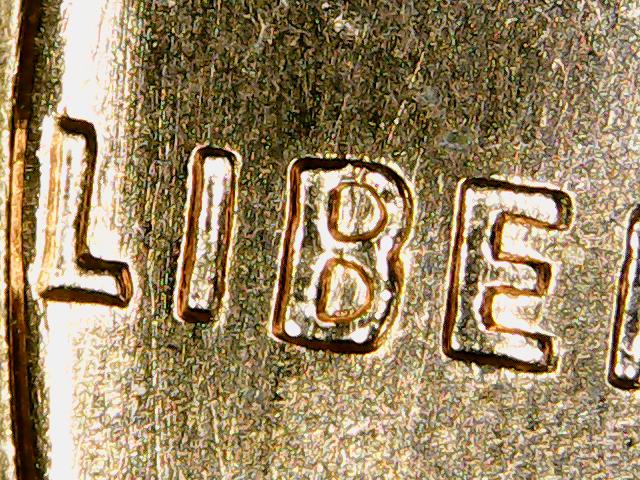
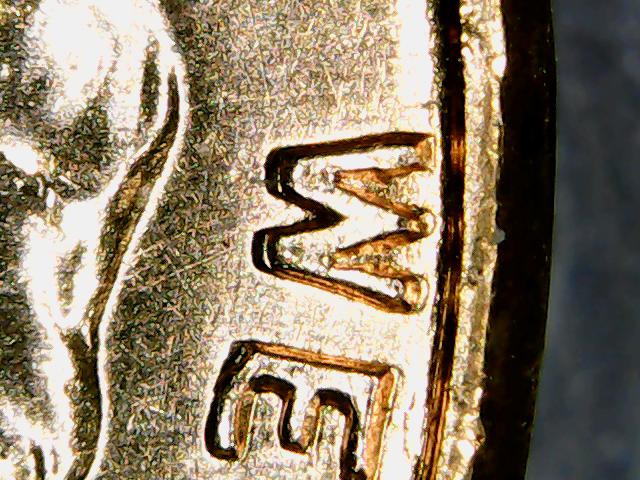
thanks Dustin for the reply. I thought it was Machine Doubling too since the Right side of the W in we is skinnier than the left. I believe from what I have learned here so far, true Double Die has more of a uniform appearance or size, where Machine Doubling actually alters the sizes or shapes. As for the mint mark, that is what made me look closer. I too think it is an RPM and does resemble some of the RPM mint marks found on coppercoins.com..... getting better at using this awesome site! Next pic I post looks like a spilt serifs to me. |
|
Valued Member
United States
58 Posts |
|
|
Valued Member
United States
58 Posts |
i hope I am not reading too much into this... it kinda reminds of this coin, 1957D-1MM-020 on coppercoins.com, although I don't see the "scratches," I do see a resemblance to the W in we on this coin to the one I posted. They almost look identical to me, including the MD.
|
|
Pillar of the Community
United States
3516 Posts |
I do see the split serifs on the mintmark. Also MD is not identical, it can happen in all different ways depending on which way the die bounces. This image from coop will help explain 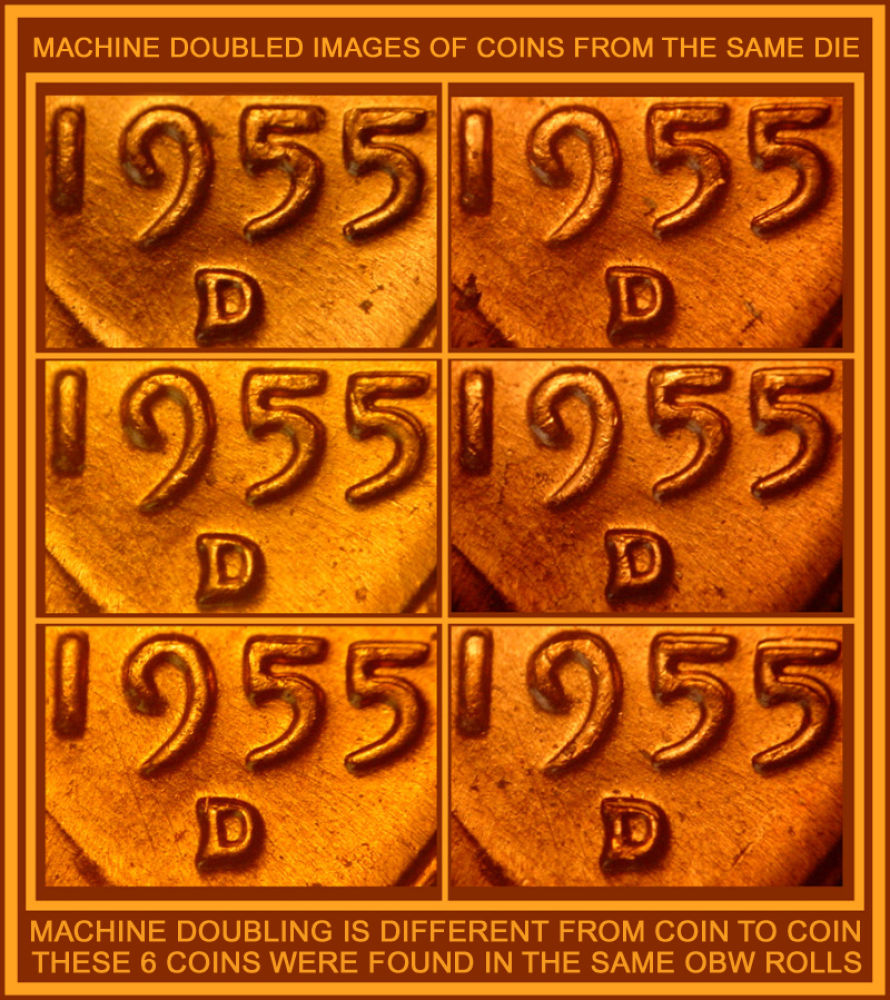 Edited by Dustin6
07/13/2016 08:15 am
|
|
Valued Member
United States
58 Posts |
Dustin, thanks for the reply. I agree on the serifs too. I understand that Machine Doubling will not make the same coin twice.... although it might make one very similar as compared to a True Double Die that will make the exact mistake. But some of the one's out there are so hard to tell, even when pro graded, for example, http://www.ebay.com/itm/1957-D-RPM-...AOSwmmxW5beEI can see the RPM but not the DDO.... can you help explain the DDO on the ebay one? (and that's not my auction by the way, just one that has me confused) |
|
Pillar of the Community
United States
3516 Posts |
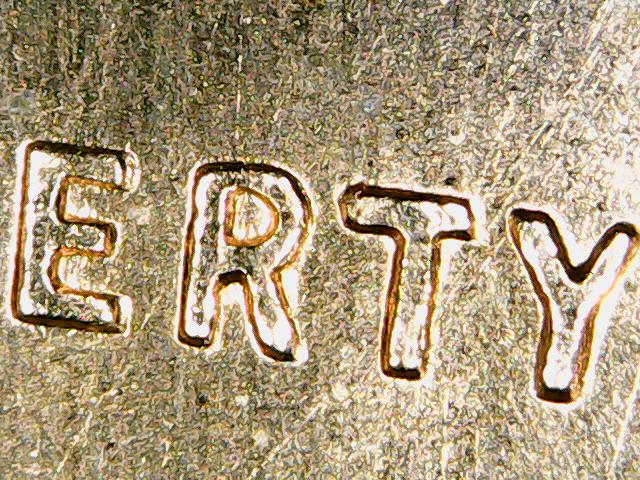
On this ebay auction the DDO is on Liberty, if you look at the picture that has BERT. You can see it on the inner top part of all the letters and the inner southeast part of the R |
|
Pillar of the Community
United States
3516 Posts |
As for your coin, let's try to find a match
|
|
Valued Member
United States
58 Posts |
That ebay coin makes me doubt that I can tell when it is a DD. I guess I will post when in doubt. As for a match, I will look again on coppercoins.co when I get some time, unless you beat me to the punch. |
|
Bedrock of the Community
United States
62064 Posts |
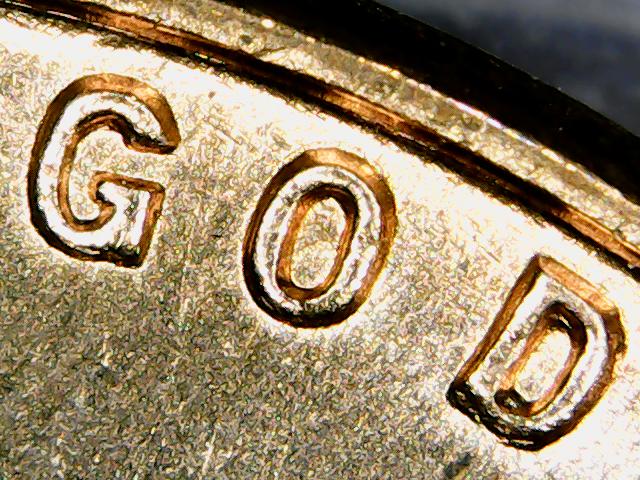
I've been kicking this one around a bit. The overall sizes of the devices appear to be normal. On the coppercoins most of the doubled dies listed are on the LIBERTY. I see nothing on your coin that looks like that. I see on the bottoms of the WE and 'D' on GOD that looks altered a bit from machine damage after the strike. But this is just a reduction on those devices. (as MD does after the normal strike from die movement) It is still a nice coin. probably in the MDS range. But I see no hub doubling on the coin.
|
|
Valued Member
United States
58 Posts |
Coop, you said "It is still a nice coin, probably in the MDS range." My question is, (albeit in the wrong thread) that your comment hints at grading so what I want to know is does the Dies State then affect how a pro grader might tend to grade a coin when in BU MS?
Would an exact year and date coin in very similar condition BU MS, but one LDS and the other EDS, grade the same?
Everyone else feel free to put some input too.
|
|
Bedrock of the Community
United States
62064 Posts |
Die state is just that . The state the die was in when that coin was struck. The dies vary in lifespan. When the die was fresh, the coin really do show nice crisp devices. None of the die wear is present. Usually no die clashes have happened yet. When you take images of them, they smile nicely for the camera. Then die life starts to set in after the coins have struck tens of thousands of coins.  How many coins are aprox struck in each die state? Note the chart above. Ptobably 40,000 coin plus were struck when your coin was one of these possible 250,000 coin range. How do I tell. I look at the devices that are closest to the rim. On them you can see very little die wear has happened. The edge of the device closest to the rim will start to flatten on the curve. I don't see that on your coin. The fields next to the rim are smooth. No die flow yet. (This starts in the LMDS-LDS die state) Note on the 'L' on LIBERTY there is a bit of rounding on that edge, so that is why I called it a MDS range coin. But notice how great they look in the images. I prefer coins in this die state. It is harder to take a bad image of them. The lighting is usually not an issue. But life for the die is starting to loose its bloom of youth after this point. 25% of its life is almost gone at this point. An extra value for them? If you have them graded they would not grade higher than normal. (third party graders don't figure in die state) But collectors do notice this. The eye appear is better. If it is a variety, it shows the hubbing best up to this point because of lack of die wear. The fields reflect the light without distraction. To me they are the best die state of coin to have in a collection. (but that is just me) Most don't care. Some don't care if the coin is BU or circulated. It is a personal thing. |
| |
Replies: 18 / Views: 1,900 |








 Posted 07/12/2016 10:45 am