| Author |
 Replies: 15 / Views: 1,366 Replies: 15 / Views: 1,366 |
|
|
Valued Member
United States
58 Posts |
|
|
|
|
Valued Member
 United States
58 Posts |
|
|
Pillar of the Community
United States
3516 Posts |
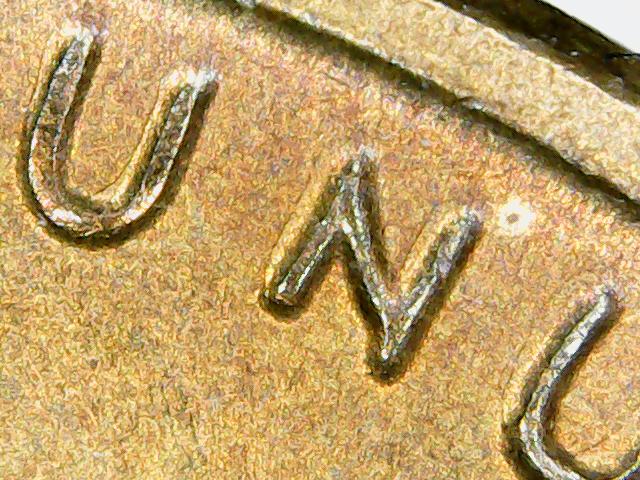
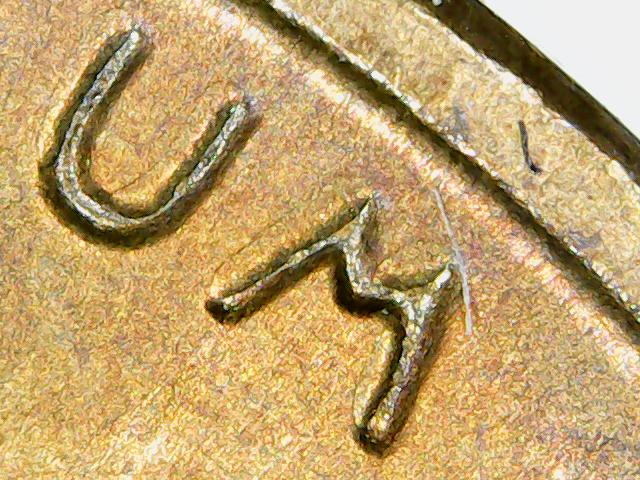
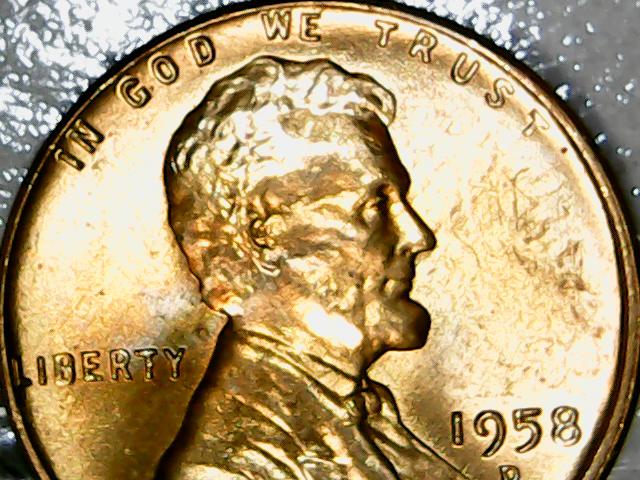
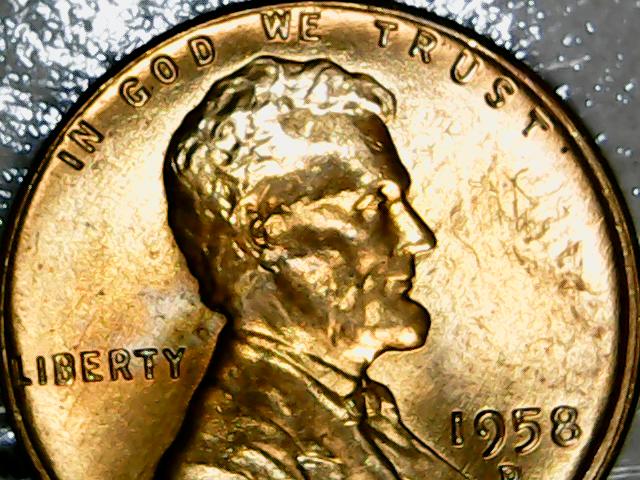
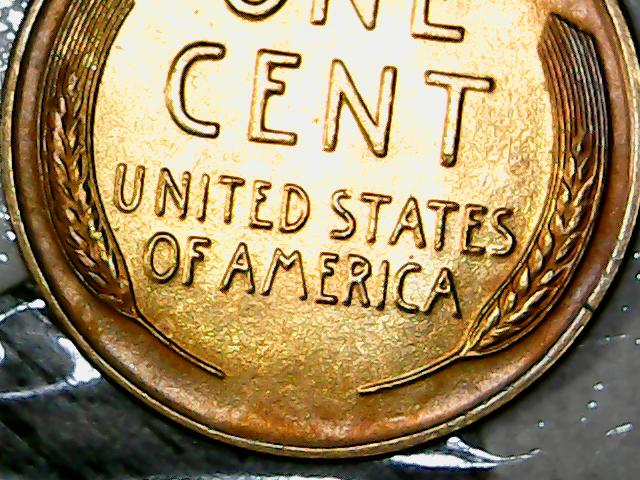
IMO, the so called doubling does not look like MD to me. This is because with MD it reduces the size of the devices and the size of the devices on your coin don't seem to be reduced. To me it looks like a form of abrasion doubling. I hope this picture taken by John Wexler will help explain. Note how the size of the devices are regular indicating that it is not MD, but there is still some enlargement but it is somewhat shelf like. So it appears to be Abrasion doubling.  |
|
Pillar of the Community
United States
3516 Posts |
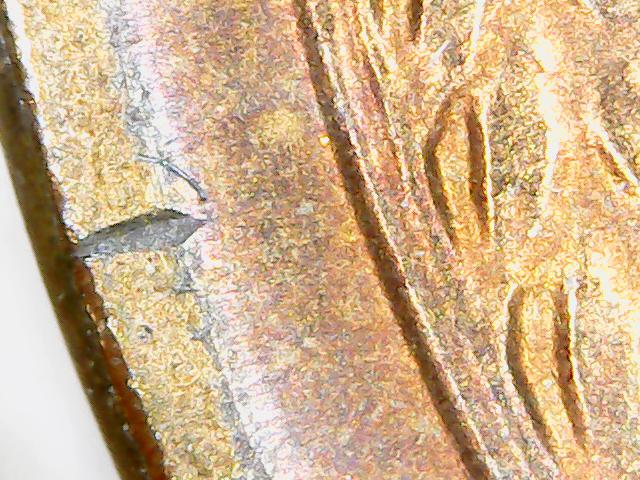
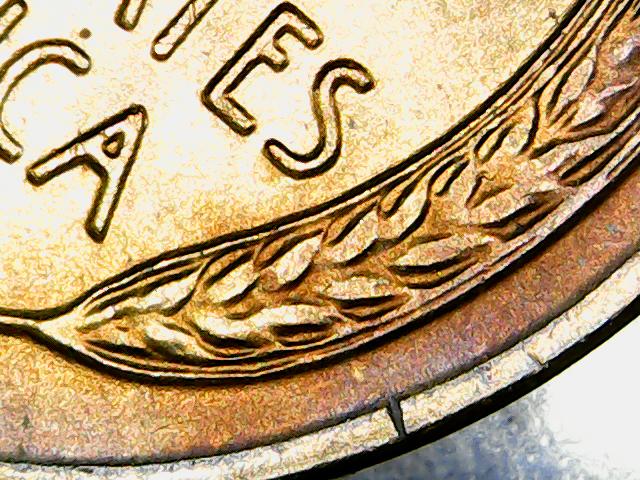
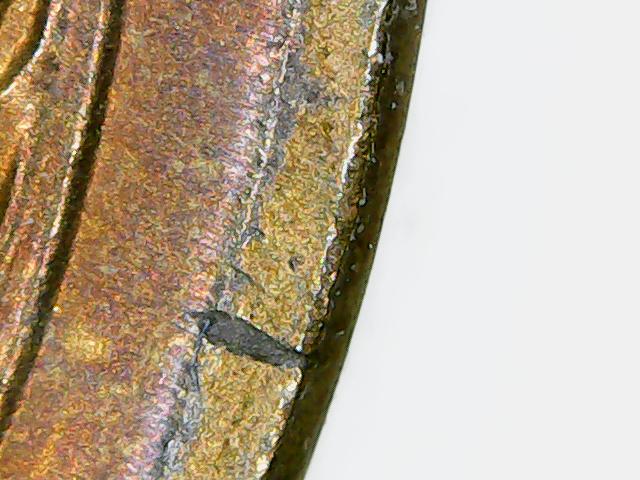
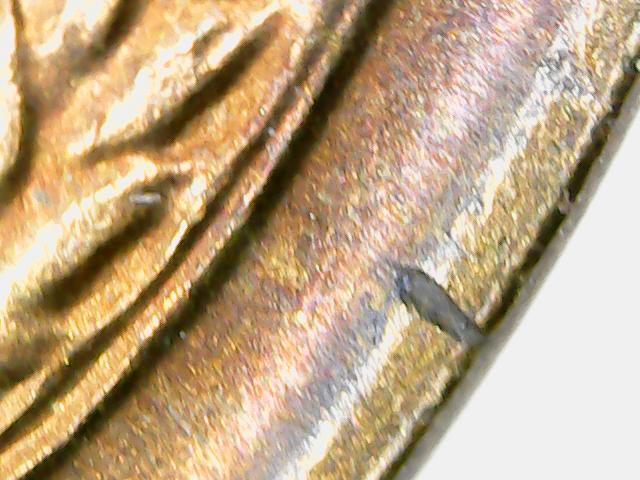
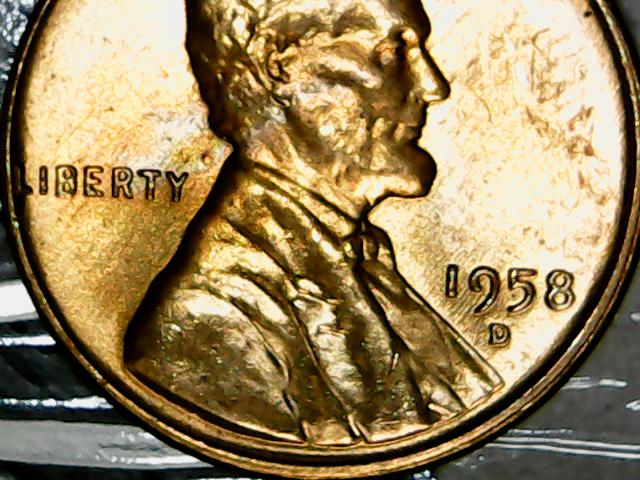
As for the edge, it could be a struck through error, or the coin just took a hard hit. Let's wait for coop about the edge.
|
|
Valued Member
United States
58 Posts |
Time to learn about Abrasion Doubling (lol) oh boy!
As for the Edge, the coin was the first coin on an OBW Roll so it hasn't seen too much action, and I tried to see if any metal moved or bulged but don't really see anything like that.
|
|
Bedrock of the Community
United States
62064 Posts |
Here is what you have on the rim area. The rim is formed by a collar that makes the coin rounded. The outside edge of the die forces the material in that direction. The rim is formed by the metal movement, But not the inside edge of the rim. That is where the die ends. The outside edge of the coin is where the collar is. So a mark on the rim would not be a die crack. the die doesn't extend that far. If the collar had a crack in it would raise in that area. But your coins mark is incuse. So that would be damage to the coin from coin contact. PSD. (Post-Strike-Damage) After it left the striking chamber. Hope this helps. Edited by coop
07/14/2016 12:42 pm
|
|
Valued Member
United States
58 Posts |
Thanks Coop. I was just reading about that ring on doubleddie.com And now I can visualize better, and that makes sense that it should protrude rather than incuse. So coins fresh out of the mint can sustain such damage then I see. Also, Coop, can you give us your input on the Motto letters and Abrasion doubling. I was reading on Error-ref.com that inside or outside abrasion has been found to be non-existent, but rather Die Deterioration. In either case, I don't believe there is a premium to this type of doubling, but I still think it's pretty cool. |
|
Moderator
 United States
56855 Posts |
"So coins fresh out of the mint can sustain such damage then I see." Coins fresh off the minting press can sustain damage,hence PSD and not PMD. I knew that the edge was damage but you wanted coop or Dustin to answer soooo  John1  |
|
Valued Member
United States
58 Posts |
Thanks John. And I actually don't mind input from anyone, it's just that Dustin and Coop have been helping me the most lately. Since I am new, they are the ones that quickly come to mind. And since on the topic. PSD is post mint damage? and PMD, Pre mint damage? I notice that some graded coins will have nicks and scratches and are BU MS with high grades. So even though it has some PSD, this doesn't affect grading because it is still MS and uncirculated? |
|
Pillar of the Community
United States
3516 Posts |
PMD means Post Mint damage, it was damaged after it left the mint. PSD means the coin just got minted and hasn't left the mint yet but got damaged somehow. On your second question it is a Mint state coin, but the TPG's have a certain limit of damage a coin can have before it gets a details grade. So I think your coin is a Mint state coin, with some abrasion doubling, and a nick on the edge.
|
|
Rest in Peace
United States
4078 Posts |
Interesting.  |
|
Pillar of the Community
United States
2260 Posts |
|
|
Bedrock of the Community
United States
62064 Posts |
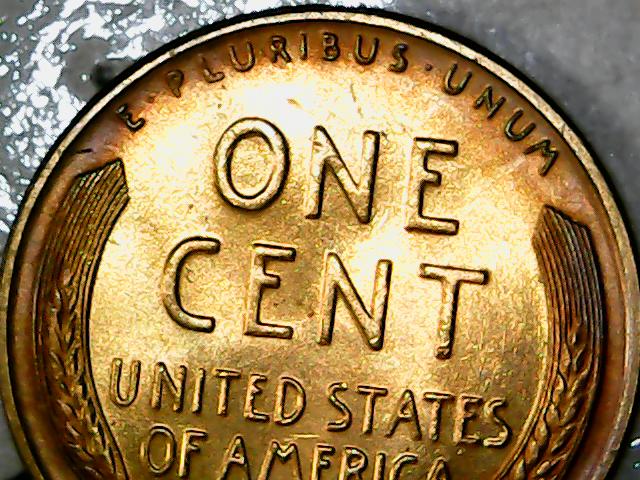
PSD is preferred. As coins are damaged before they leave the mint. You've seen videos of the coins coming out of the machine and then falling into a big bin, damaging the coins they fall on. They are not careful with them at the mint. If they were there would probably be a lot more higher grade coins. PMD indicates that coins are damage free before they leave the mint. We know that not to be the case. Have you ever looked at mint set coins? You see them in such bad condition, that I quit buying them years ago. I find better examples in OBW rolls than in the mint sets. On the UNUM devices you can see machine damage on them in your images. Not sure what you mean with the question on the motto question? Post the link and I will take a look at it.
Edited by coop
07/15/2016 12:55 am
|
|
Valued Member
United States
58 Posts |
I too find this stuff interesting, especially with Dustin and Coop's insights. Coop, I meant on the UNUM, and I do see the Machine Doubling. Dustin mentioned abrasion doubling. Reading up on it, one site said that abrasion doubling is really Die Deterioration, and Wex on doubleddie.com says it does exist. Either way, from what I read, this type of doubling is not the collectible type or does not bring a premium, whats your take on this subject? For me, as I learn more and more, I actually appreciate these type of variety coins with pseudo doubling, especially because now finding a true double die would be much more significant. Edited by Lincun1909
07/15/2016 04:19 am
|
|
Bedrock of the Community
United States
62064 Posts |
The difference between Die Deterioration and die abrasion is this. A die wears down from normal usage until the die is retired. That is Die Deterioration. 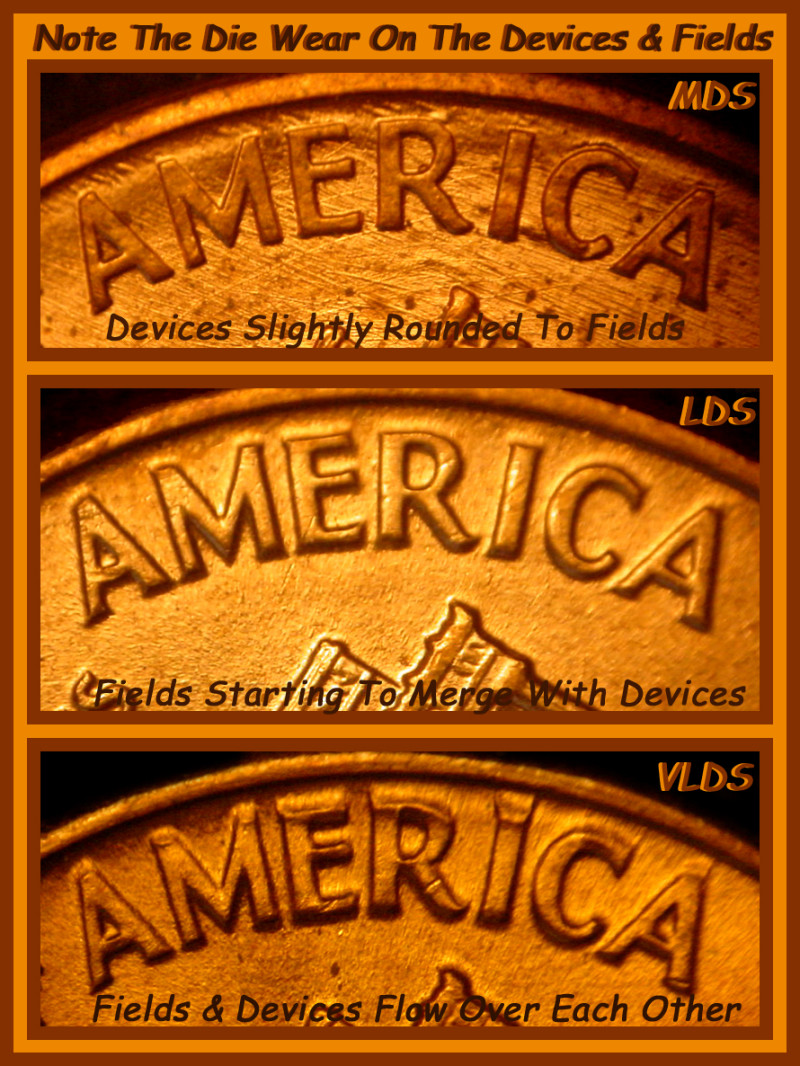 When a die is polished to remove a clash mark, remove a bad spot on the field, or sometimes they will polish them down so much that the devices get smaller. 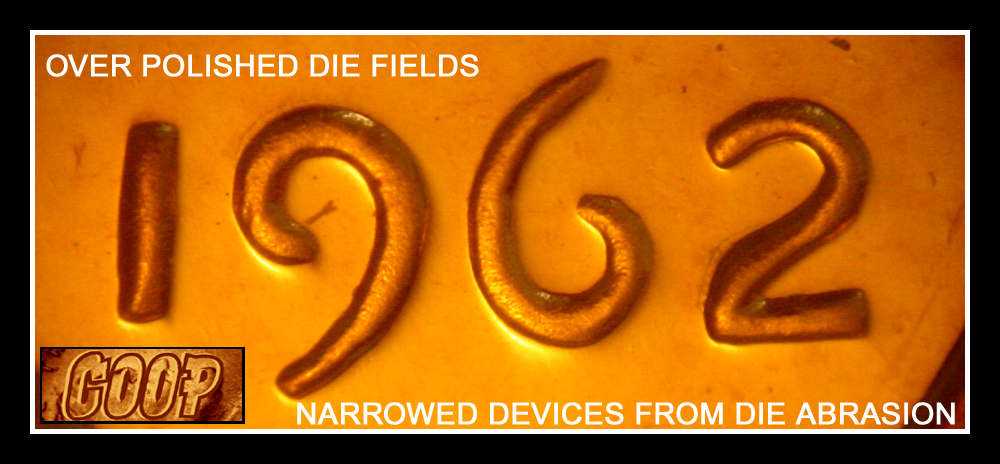 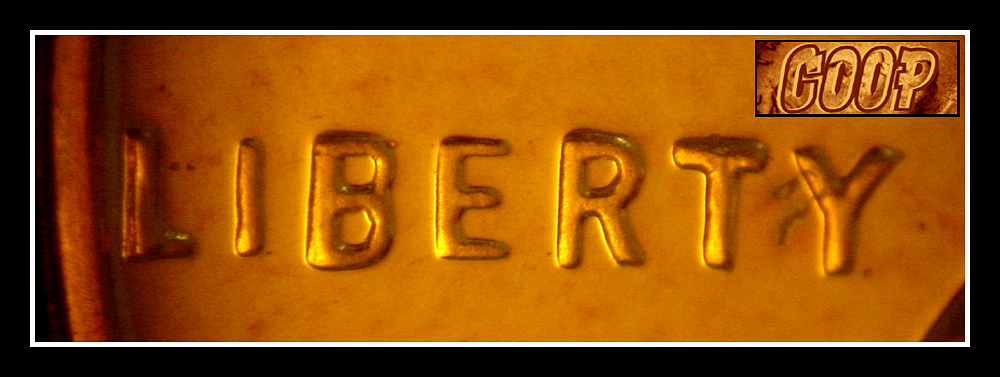  So much of the field was removed that some towards the edges get progressively smaller at the top of the device when compared with the bottom of the device. 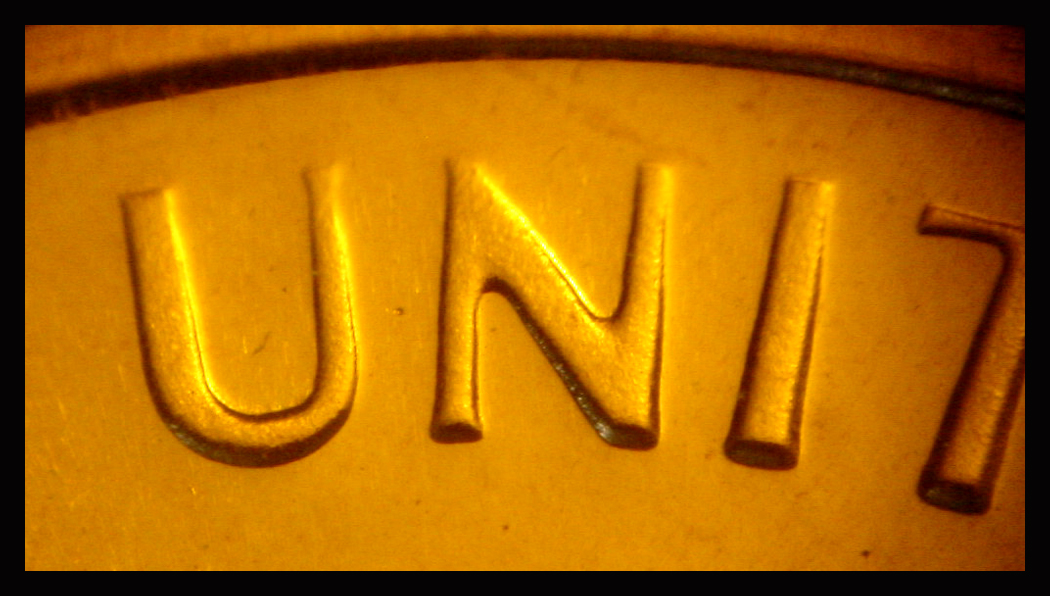 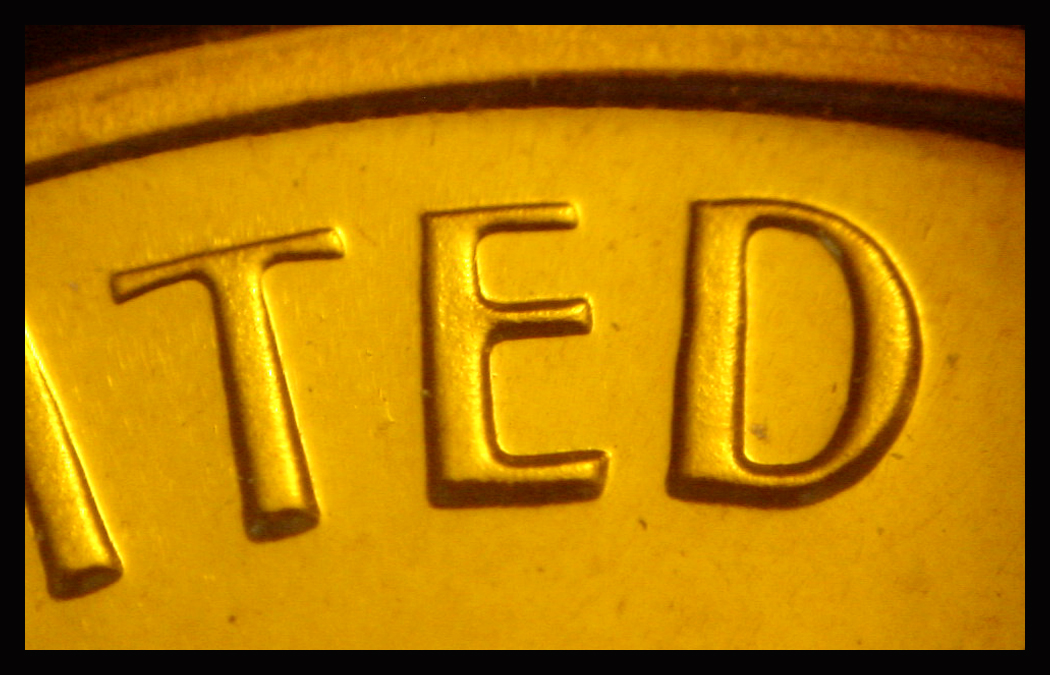 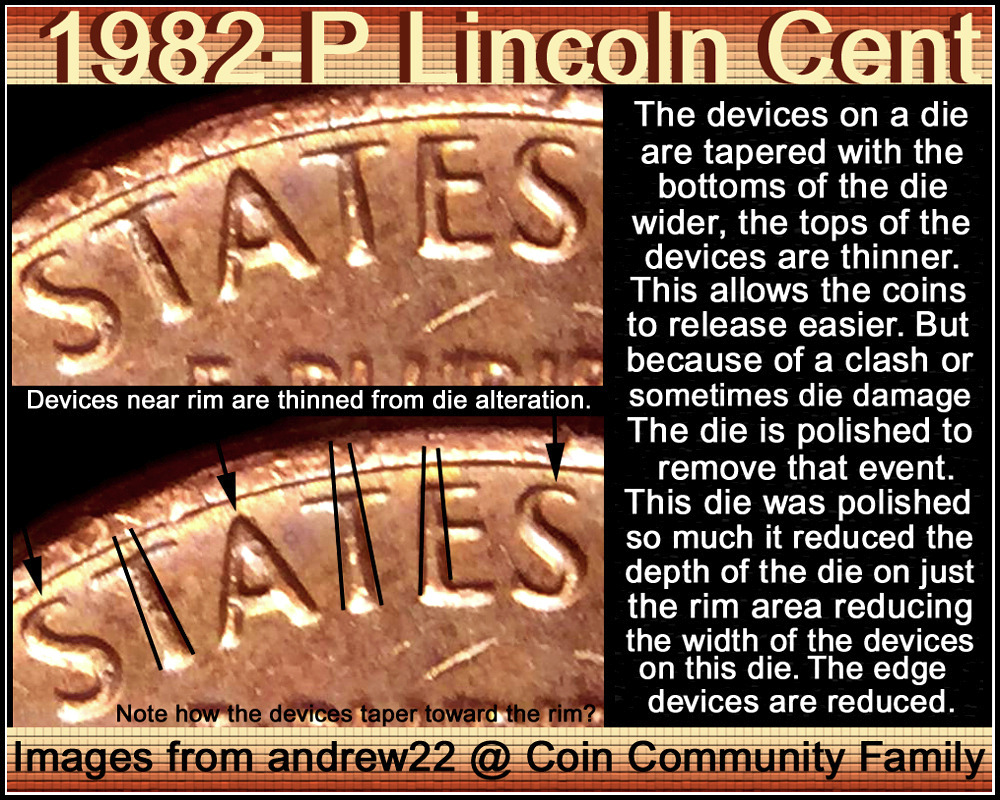 Abrasion Abrasion is deliberate alteration of the die. Die wear/deterioration is just from normal usage of the die. Hope this helps to understand the differences. Edited by coop
07/15/2016 09:33 am
|
|
Valued Member
United States
58 Posts |
I've booked marked a few of these for future reference. I get it, now to have it sink in though.
|
| |
Replies: 15 / Views: 1,366 |
|












 Posted 07/14/2016 12:03 pm


