| Author |
 Replies: 14 / Views: 1,467 Replies: 14 / Views: 1,467 |
|
|
Valued Member
United States
230 Posts |
|
|
|
|
Pillar of the Community
United States
5964 Posts |
|
|
Valued Member
 United States
230 Posts |
thanks for the welcome coinmaster  ....couldn't sleep, figured i'd post something, this penny sure stands out under mag ....i'll keep searching  ....thanxs again. |
|
Pillar of the Community
United States
5964 Posts |
Yeah it could be the die jumped a little. They both look a little similar, they're both called Strike Doubling and worthless. Yep, keep posting them, there are good ones waiting to be found. |
|
Bedrock of the Community
United States
62064 Posts |
It is the common machine damage after the strike we so much of. Full strike then the dies move slightly damaging the coin. (note how the devices are reduced with the damage from the die movement.
|
|
Pillar of the Community
United States
5964 Posts |
Yes I see that Coop. I do still have trouble distinguishing between the two though. They both reduce the devices don't they?
|
|
Bedrock of the Community
United States
62064 Posts |
Machine damage (some call it doubling, but nothing is doubled just reduced) reduces the size of the normal devices. Hub doubling enlarges the size of the devices. Note example below: 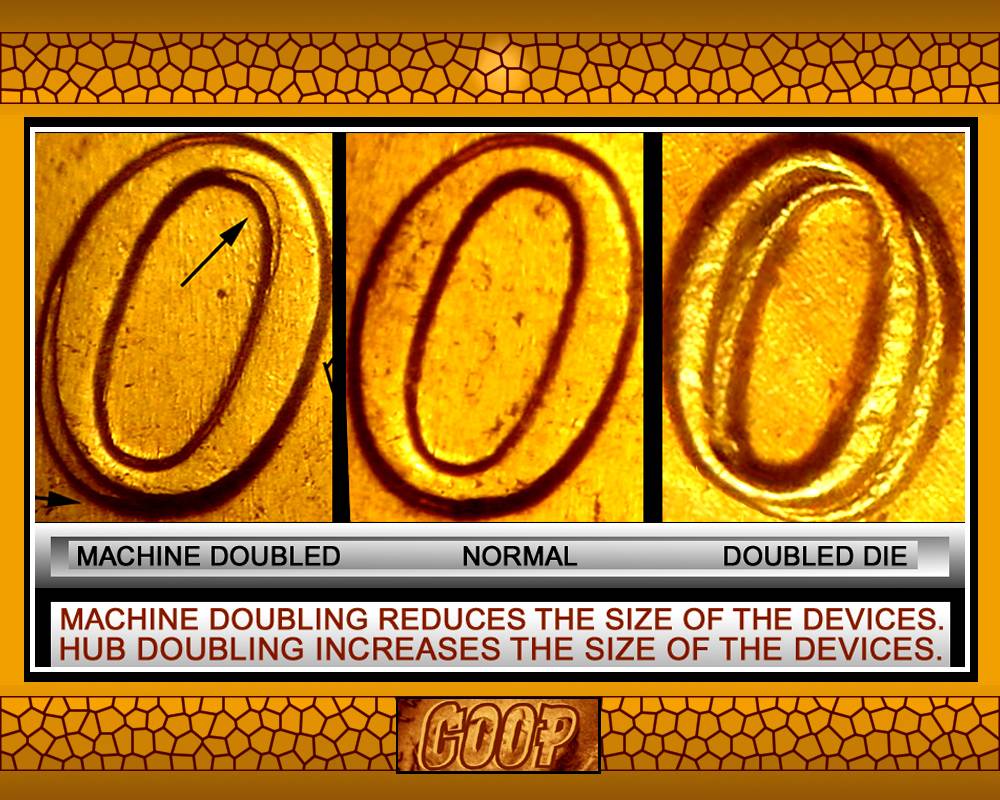 Edited by coop
08/06/2016 12:03 am
|
|
Pillar of the Community
United States
5964 Posts |
I'm talking about distinguishing between wear damage and extra movement damage. They both reduce the devices, right?
|
|
Bedrock of the Community
United States
62064 Posts |
Die wear can enlarge the device, but not always following the hub design. 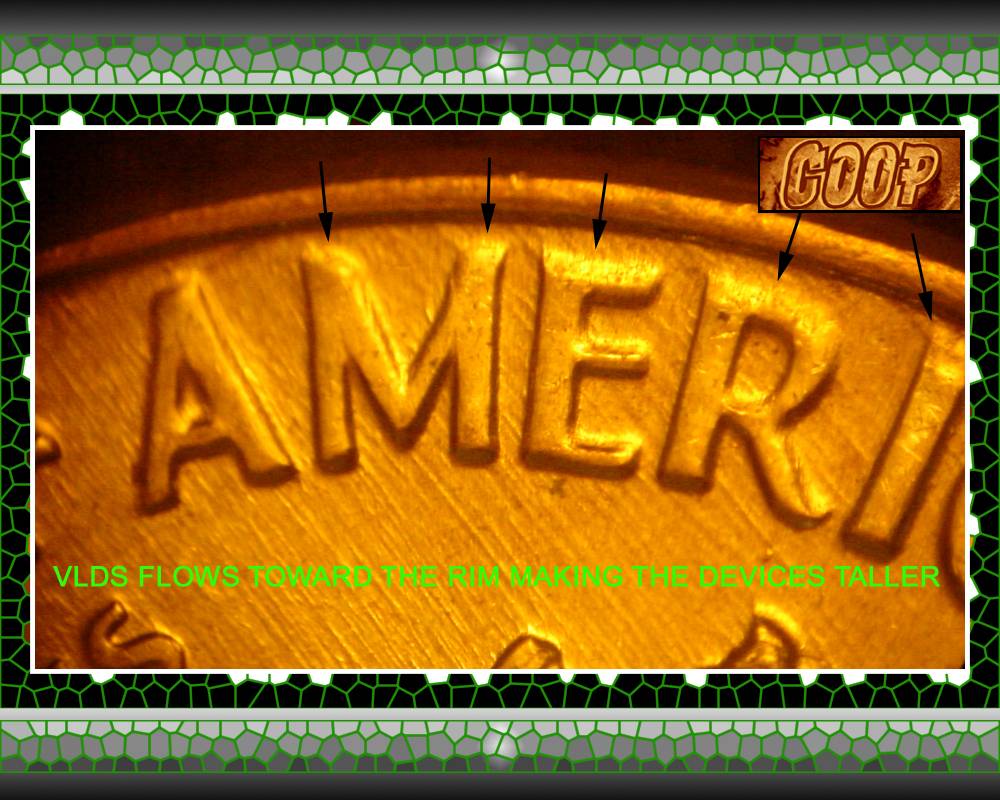 The die wear is usually in the direction of the rim. 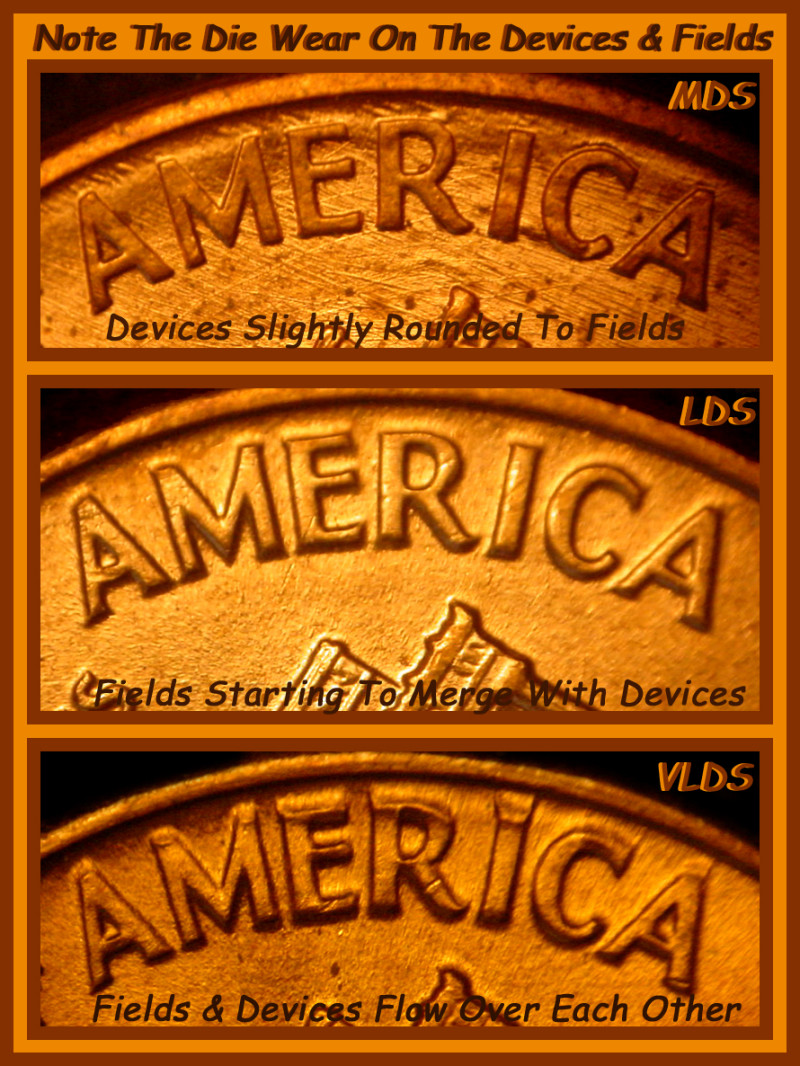 Machine damage is often is the opposite direction. Sometimes on the inside of devices, other times in a circular direction, depending on the issue of the machine looseness or bounce of the strike. MD can be different from one strike to the next: 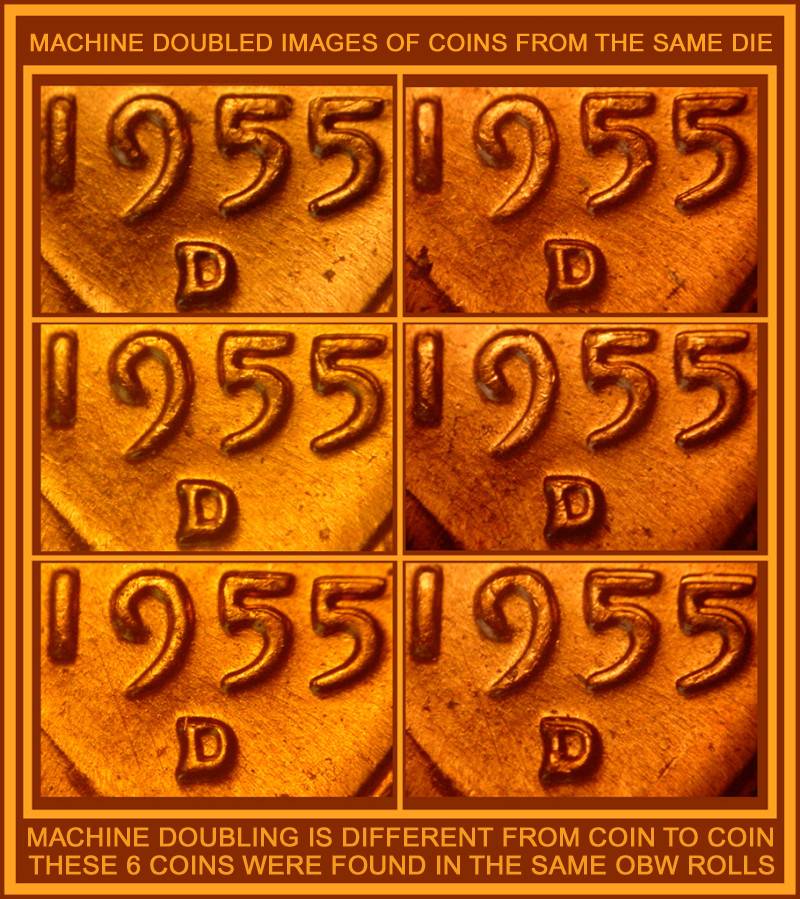 These were found in a few rolls of the same run. You can see the same die marker and the MD is in different directions on different strikes. Sometimes in the same because they were the same I didn't include all examples. |
|
Pillar of the Community
United States
3656 Posts |
More images for my reference folder :) good stuff.
|
|
Valued Member
United States
230 Posts |
i agree coincents ...thanks coop, one day i'll have something for ya thats interesting I hope ...thanks for pics.
|
|
Bedrock of the Community
United States
62064 Posts |
It is all a learning process and I try to get everyone from point A to B in a hurry. Many have progressed a lot faster here because they took the time to read and think about the subject here.
|
|
Pillar of the Community
United States
5964 Posts |
Indeed, thanks Coop. The extra movement after the strike has to follow the hub design.
Edited by CoinMasters
08/07/2016 02:02 am
|
|
Bedrock of the Community
United States
62064 Posts |
Actually it follows the die design. You can have machine damage on a doubled die. The MD alters the dies devices. The hub is what creates the die. 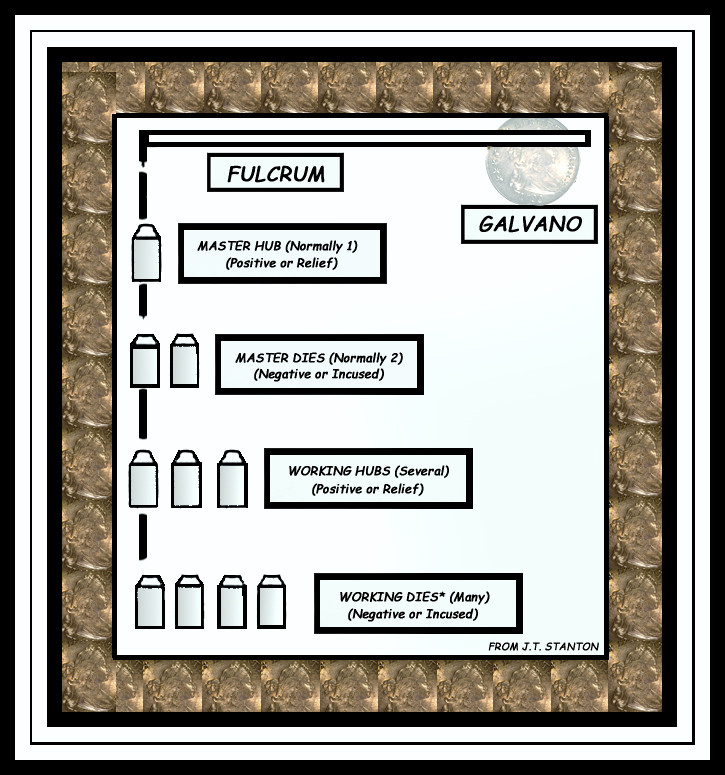 |
|
Pillar of the Community
United States
5964 Posts |
That clears it up for me nicely Coop, thank you very much. Since we're on the subject maybe I could ask a couple more questions. The hubs and dies are all hardened steel? When one is prepared to receive design it is heated to "soften" it up? - while the one imparting design is not heated? How does the Master Hub receive it's design? What is a fulcrum and galvano? Please do not refer me to a link, If you answer my questions I will learn it so much better and quicker. I am already indebted to you for what I have learned here. I am going to appoint a task force to look into ways to repay you. Seriously though, your time is much appreciated.
|
| |
Replies: 14 / Views: 1,467 |
|










 ....thanks everyone.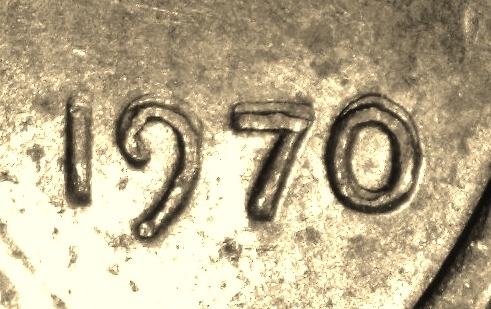
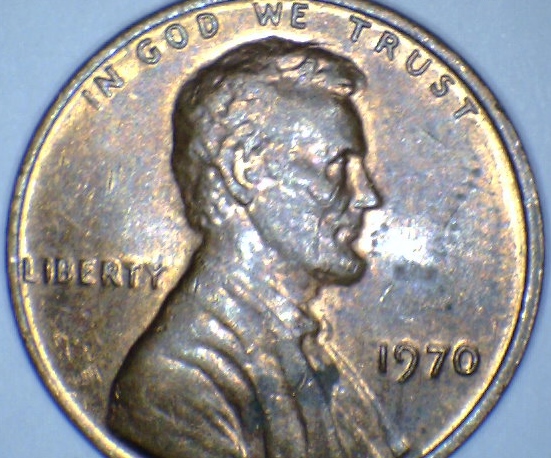
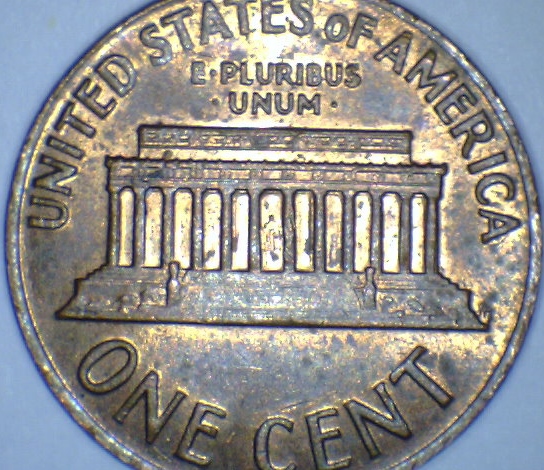


 to the Forum. Looks like die wear to me.
 Posted 08/05/2016 12:06 am


