Quote:By using the simplest degree or basis of what constitutes a
Retained Cud is the most logical approach to the question "what is or what is not". While it is true that some rim to rim die cracks do not have that encompassed piece yet dislodged from the main portion of the die, it is an almost impossible task to establish that fact. A degree of vertical or latitude displacement of that area inside the rim to rim die crack is a confident sign that the portion is no longer attached and necessary to be called a
Retained CudIt can also be said that a rim to rim die crack may not be a
Retained Cud at one certain time, but it can form into a
Retained Cud at a later time and further form into a
Cud.
So, we use the simplest form of what a
Retained Cud is; a die crack that is from rim to rim and has a portion of either the field or a portion of a design element(s) contained within and has a lateral or vertical displacement.
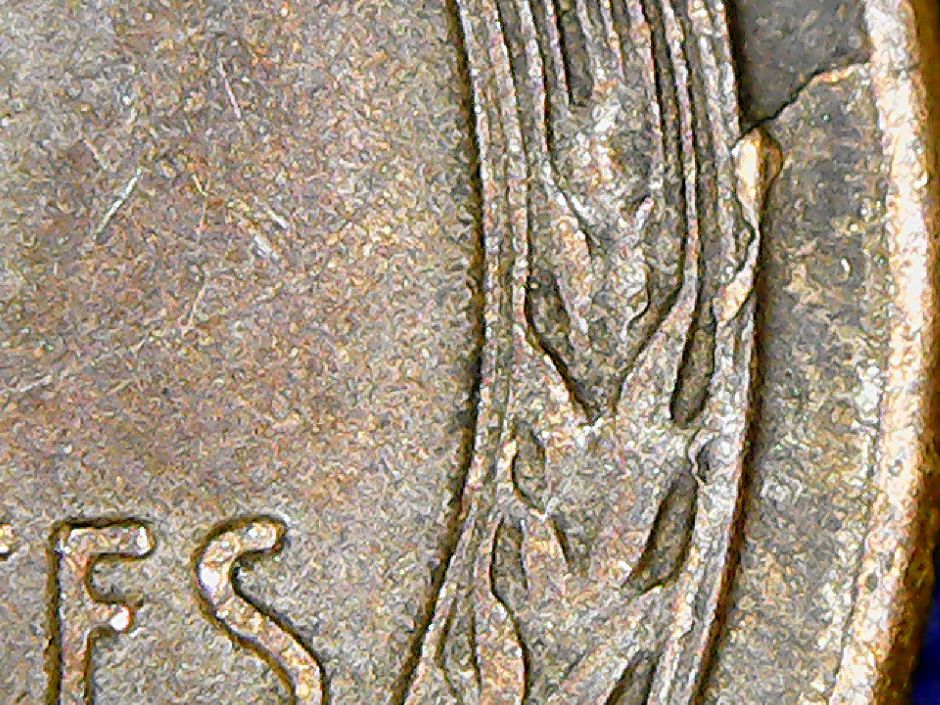
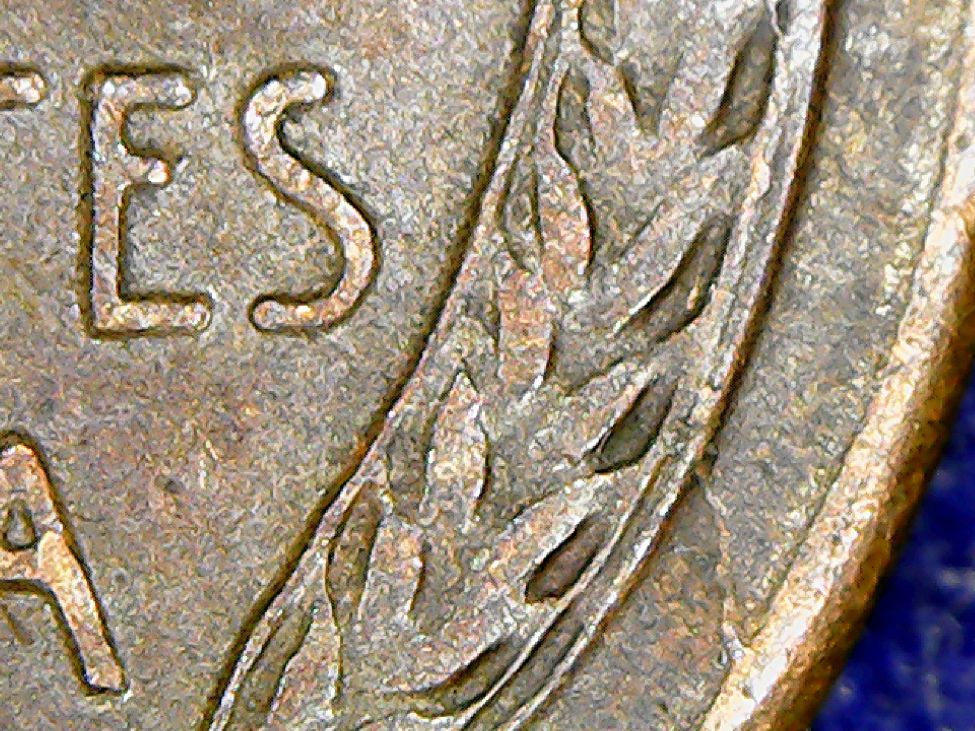
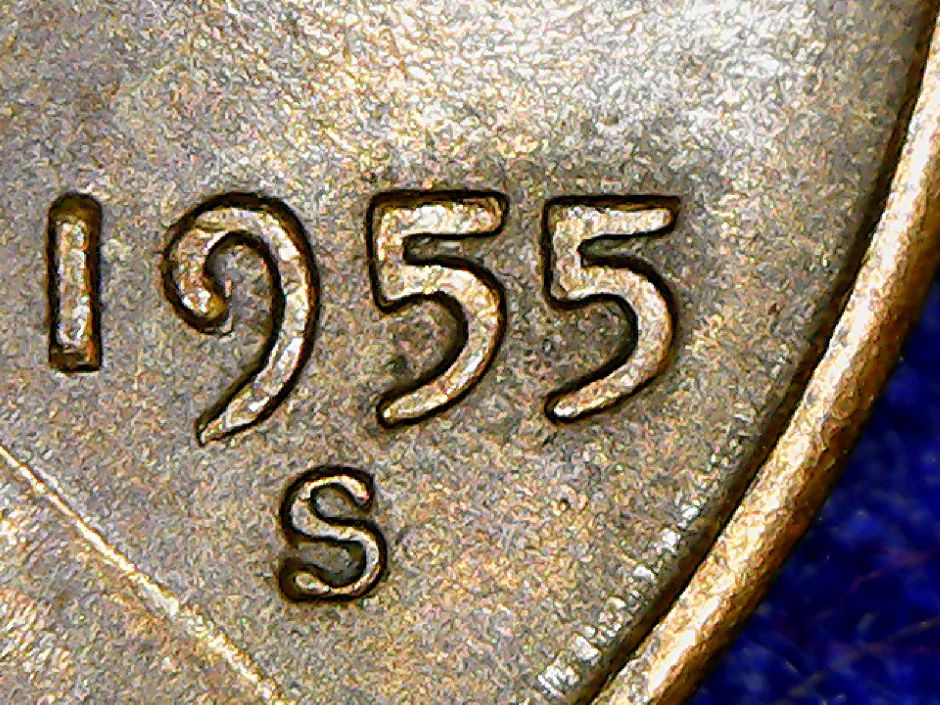
The debate, it seems to me, on this coin is whether or not there is displacement. It looks to me that there is vertical displacement (although it could be lighting and perspective playing tricks?). I see it adjacent to the rim in the field on both ends.
The definition quoted above does not require an interruption of the design elements, it seems to me. It allows for
a portion of a design element. What am I missing?












 Posted 08/08/2016 11:04 pm


