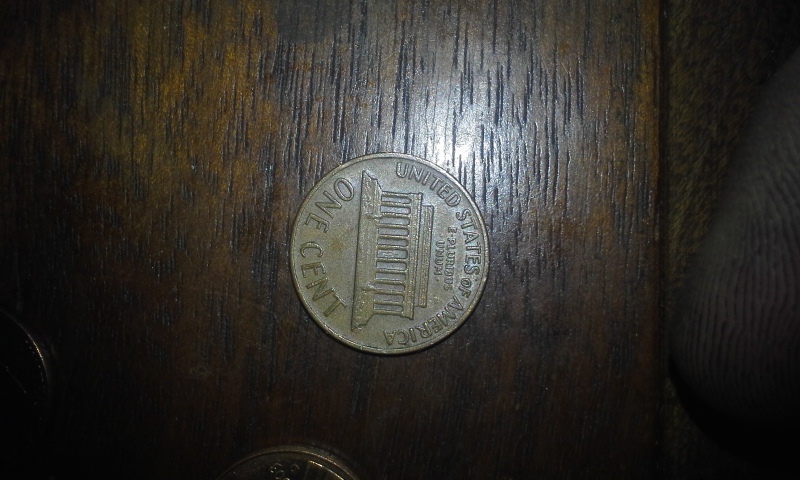
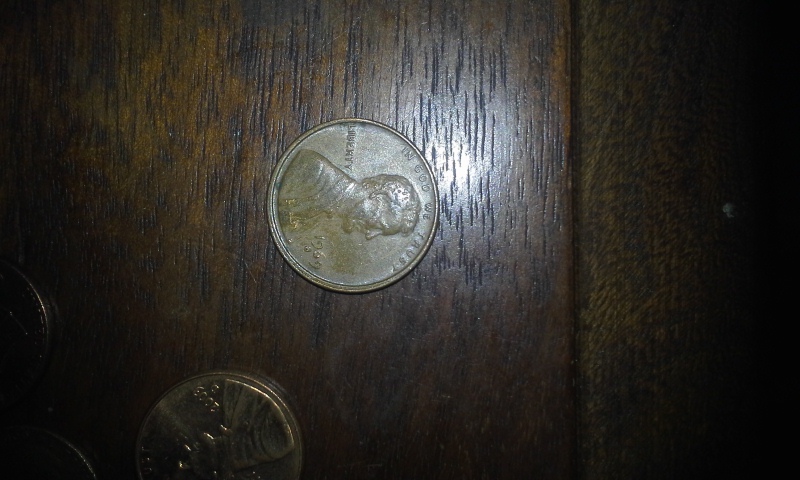
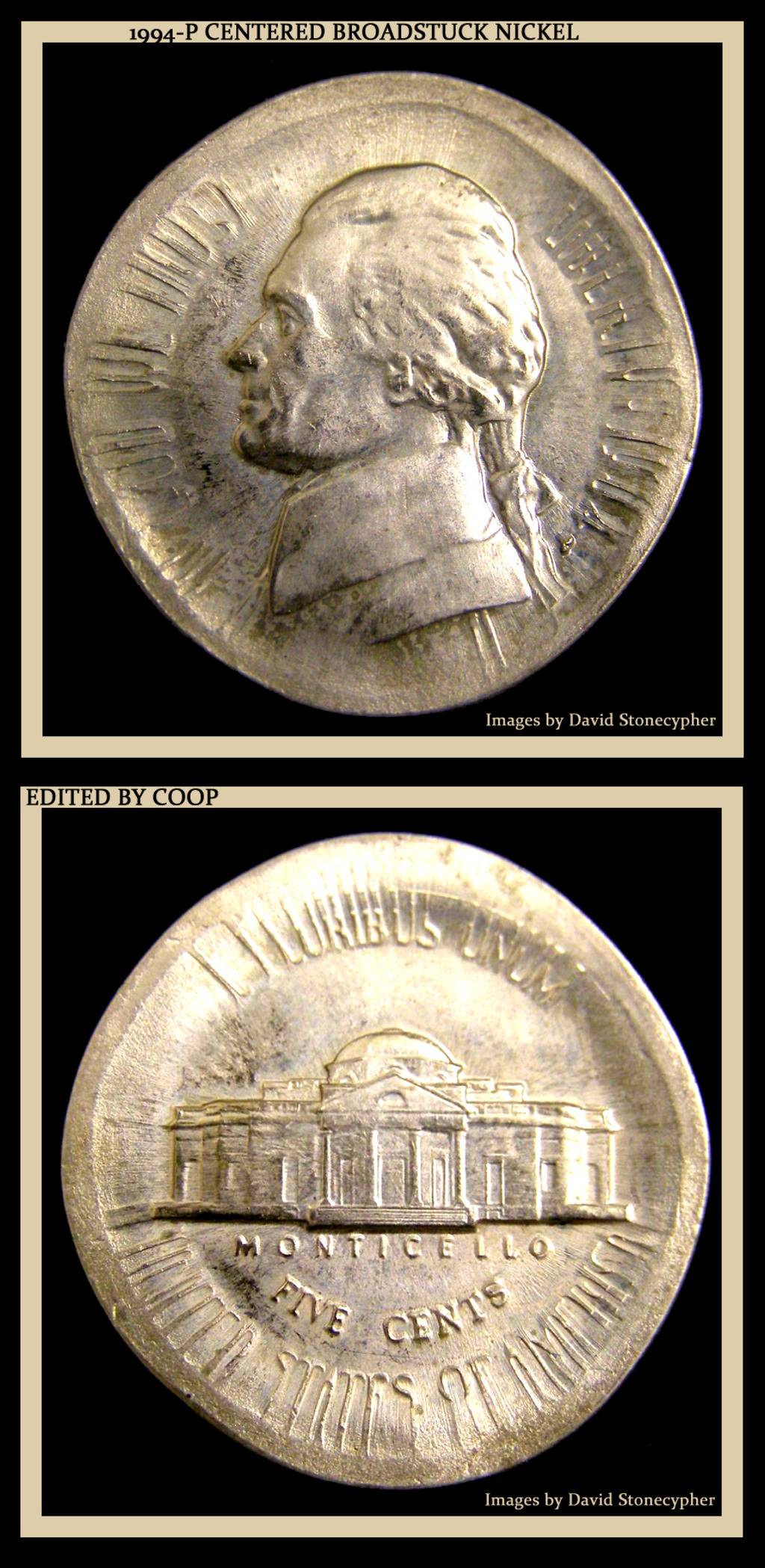
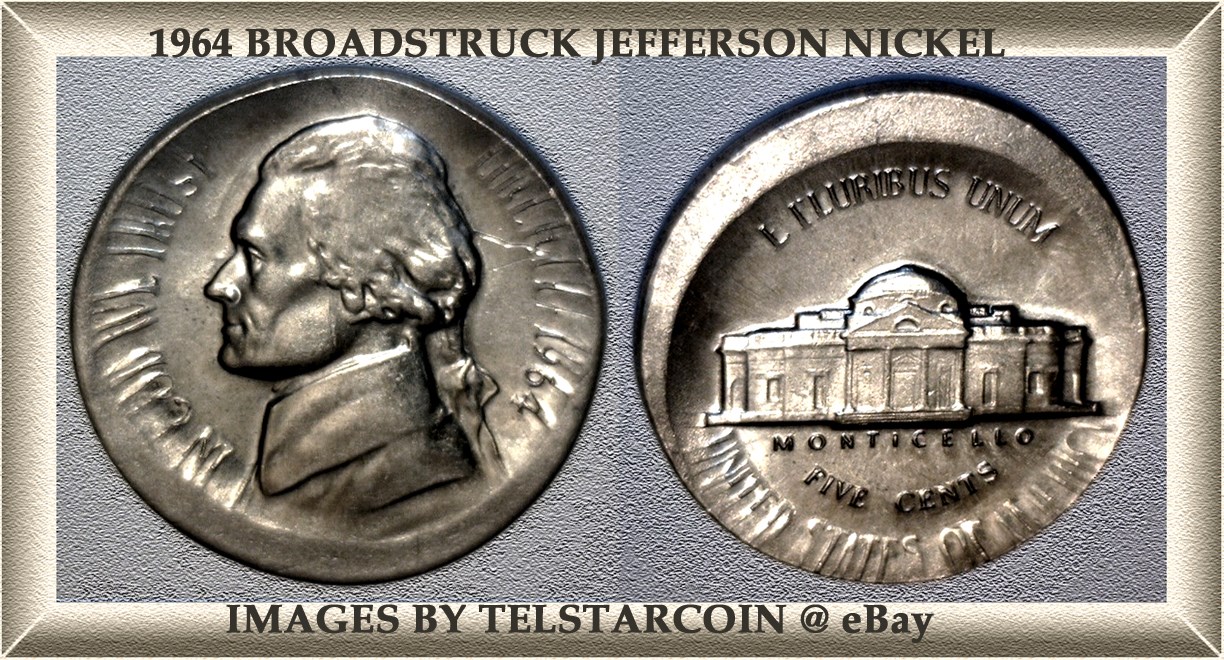
A broad struck coin is struck without the collar. Not on your coin, you have the rim near the outside edge? It is not broad struck. Also they tend to not be round as the collar sets the outside edge of the coin.
When you see a double rim (the edge is the third side of the coin, where the reeds are on dimes for example) the outer ridge is called a fin. This is where metal flowed up between the collar die and the anvil/hammer die from a higher pressure strike. There are many causes such as: 1. The anvil/hammer dies set to close together at the bottom of their stroke. 2. The planchet is thicker (but still possibly within tolerance). 3a. Grease or some other some other substance/object affecting the strike pressure. 3b. Strike thru's with another coin (struck through die cap for example) will commonly have finning associated with it. 4. I'm sure other people can add to this list. Finning is commonly seen on coins. It doesn't have a collectable premium until it is very high.
Disclaimer: While a tremendous amount of effort goes into ensuring the accuracy of the information contained in this site, Coin Community assumes no liability for errors. Copyright 2005 - 2026 Coin Community Family- all rights reserved worldwide. Use of any images or content on this website without prior written permission of Coin Community or the original lender is strictly prohibited. Contact Us | Advertise Here | Privacy Policy / Terms of Use











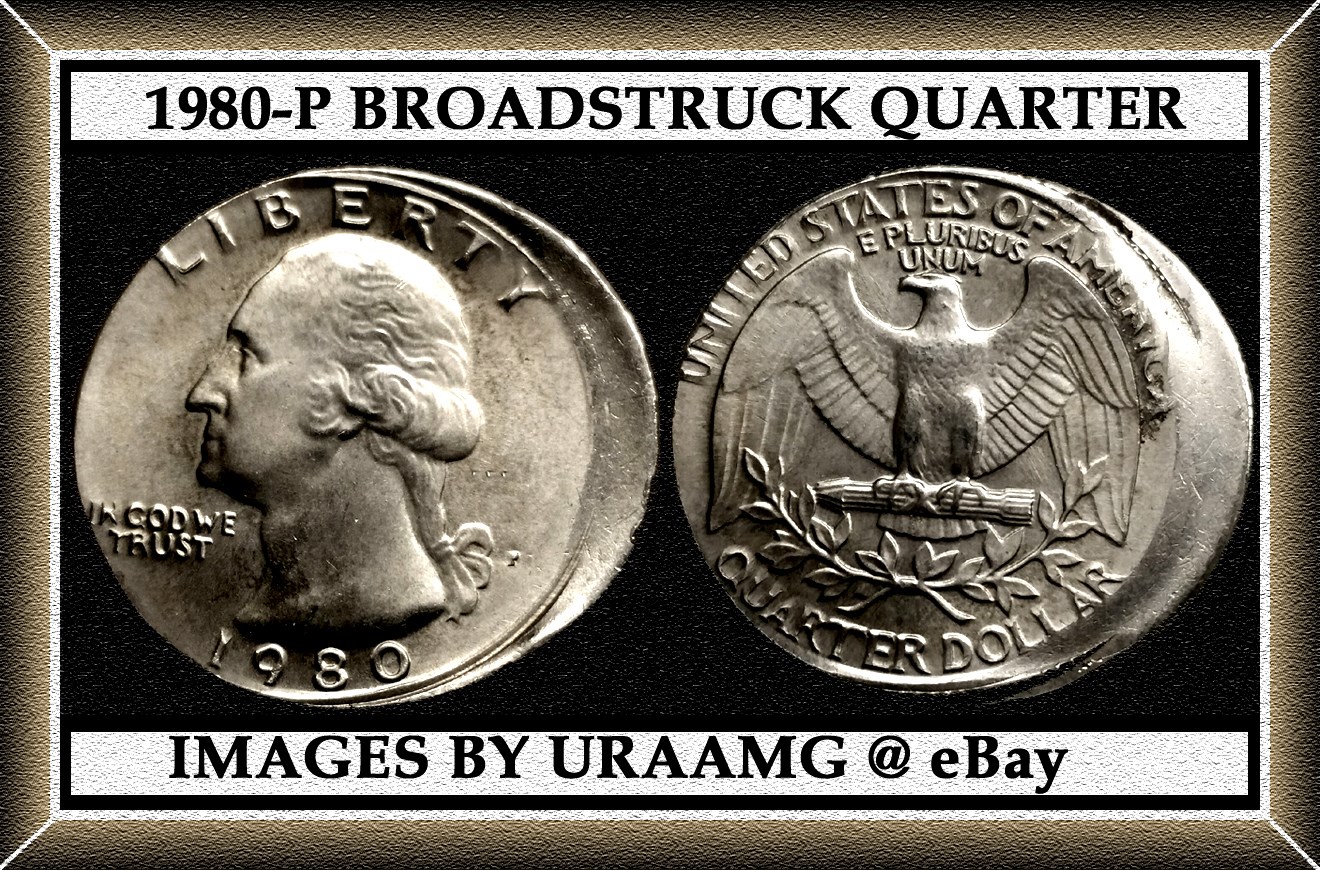
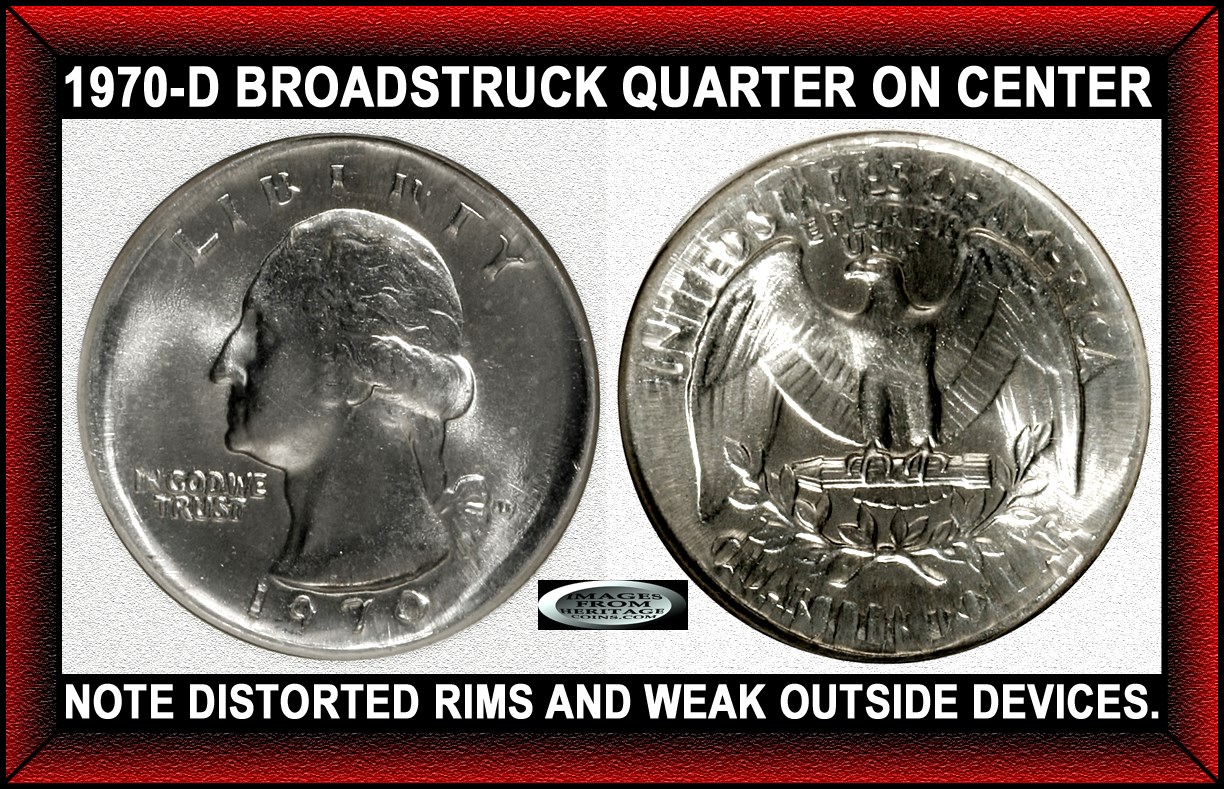


 Posted 09/22/2016 01:28 am


